Check-Box Dopamine
Key ideas
Skill summary
Three quick reminders before you start.
Overview
Ever feel like a big school project is just too much to handle? This technique helps you stop feeling stuck by turning one giant mountain into a few small hills.
By focusing on tiny wins, you can help your brain stay motivated and actually finish what you started. It is a simple way to manage your energy without feeling overwhelmed by the big picture.
How Your Brain Works
Your brain uses two main parts to manage your feelings and your ability to think clearly.
The Guard Dog
The alarm system. Reacts to stress with fight-or-flight responses.
The Wise Owl
Logic and calm decision-making, best accessed when the alarm quiets down.
The Alarm System
- Your Guard Dog, also known as the Amygdala, is always on the lookout for anything that might be stressful or difficult. When you are faced with a massive project or a confusing chore, the Guard Dog sees it as a threat. It starts barking, which creates those feelings of anxiety or the urge to procrastinate and just look at your phone instead.
The Wise Planner
- On the other hand, you have the Wise Owl, or the Prefrontal Cortex. This is the part of your brain that handles your best thinking, like making plans and staying focused on your goals. The Owl wants to get to work, but it is hard to concentrate when the Guard Dog is making so much noise and flooding your system with stress signals.
The Reward Hit
- This is where the dopamine comes in. Every time you complete a small task and check it off your list, your brain releases a tiny burst of dopamine. Think of this like a reward or a treat for your Wise Owl. This chemical signal tells your brain that what you just did was successful and worth doing again.
The Calming Shift
- These small dopamine hits have a special effect on the Guard Dog. They send a message that you are safe and in control, which helps the Dog stop barking. Once the Guard Dog is calm, your Wise Owl can take over the driver's seat. This creates a positive loop where each check-mark makes you feel more capable and less stressed, helping you build real momentum.
How to Use This Skill
Think of this skill like giving your Wise Owl a clear map and your Guard Dog a calming snack so they can both work together to get things done.
Chop it up
Take a huge essay and turn it into three tiny jobs like picking a topic, finding one book, and writing two sentences.
Get one win
Do the easiest thing on your list first, like just opening a blank document and typing the title to get started.
Make the mark
Use a bright pen to check off each step as you finish it to feel that physical sense of satisfaction.
Build the momentum
Look back at your list of four or five check-marks and notice how much you actually got done today.
Real-Life Example
Beating the Big Project Blues
The Deadline Panic
You realize a massive science project is due in two days and you have not even started yet.
The Guard Dog's Bark
This is way too much. I am going to fail, so why even bother trying at all?
The Step-by-Step Plan
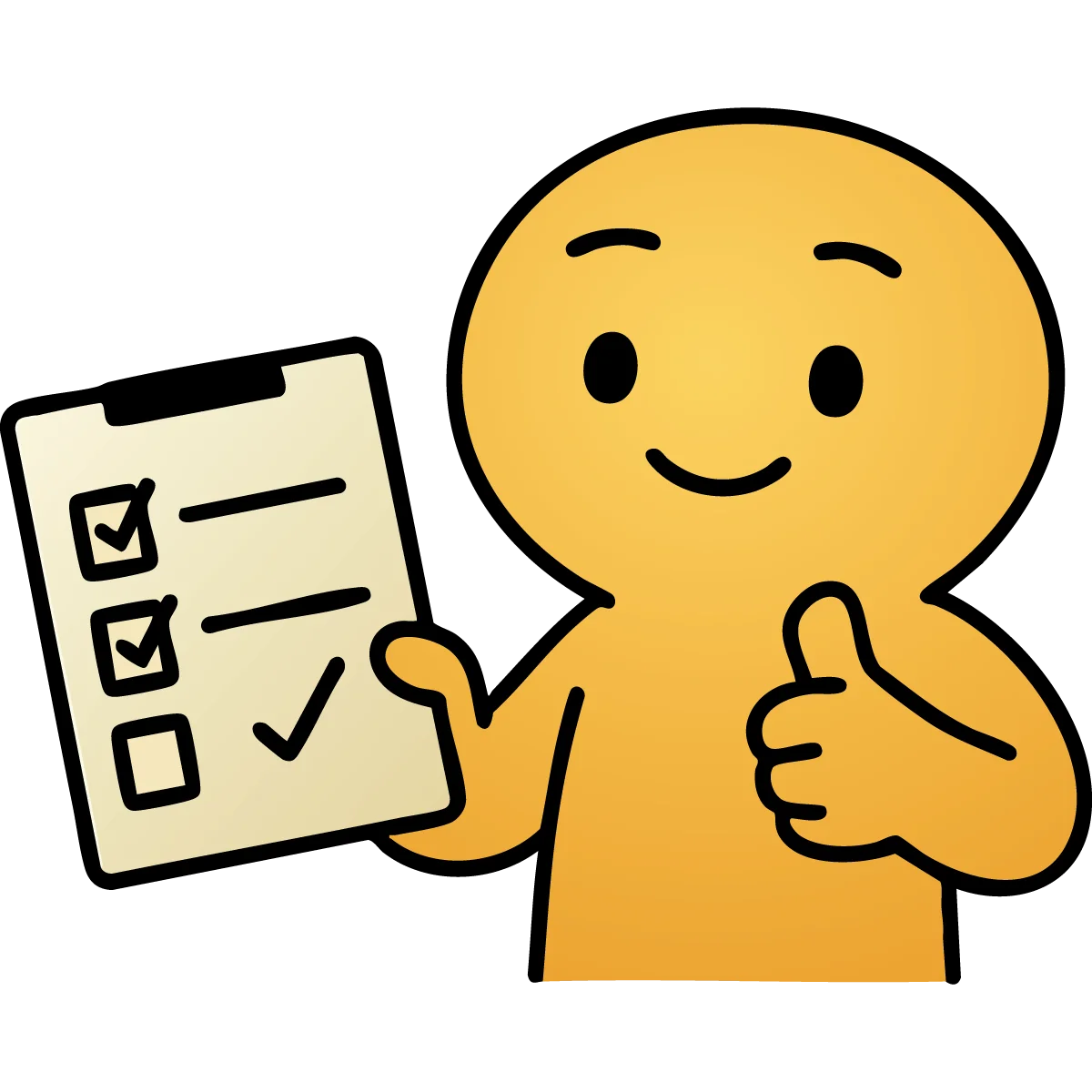
- Write down three main topics (Check!)
- Find two websites for info (Check!)
- Type out just the introduction (Check!)
- Find one picture for the poster (Check!)
Each check-mark calmed the Guard Dog and helped the Wise Owl finish the project early with way less stress and more confidence.
Practice Tips
Here are some ways to make those check-marks feel even better for your brain's reward system.
- Make some noise
Say Done! or Got it! out loud when you check a box to give your brain an extra boost of reinforcement.
- Keep it small
Stick to three to five steps so your Wise Owl does not get confused or tired out by too many details.
- Daily look-back
Check your finished lists at the end of the day to remind your brain how good it feels to finish things.
Pro Tip
Why It Works
It is a simple way to feel more in control and less stressed when you have a lot of work to do.
This skill helps because:
- Calms the brain
It stops the part of your brain that worries and panics from taking over your whole day.
- Boosts energy
It gives you little hits of natural feel-good energy to keep you going through tough jobs.
- Makes things easy
It turns scary, huge jobs into simple, easy tasks that do not feel so heavy on your mind.
References
Research-based evidence supporting this skill
- This technique is based on how our brains use dopamine to learn rewards and how checklists help the prefrontal cortex manage big jobs.
- Digital Skinner Box (2023). Digital Skinner Box: Decoding the Dopamine Trap. A Philosophical ...
- PMC (2023). Dopamine regulates decision thresholds in human reinforcement learning.
- American Psychological Association (2005). Dopamine and desire.
- Atlassian (2020). How checklists train your brain to be more productive and goal-oriented.
- Psychology Today (2015). The Dopamine Reward System: Friend or Foe?
- Workast (2021). The Secret Psychology on Why We Love Completing To-do Lists.