Fact vs. Story
Key ideas
Skill summary
Three quick reminders before you start.
Overview
Sometimes our brains can feel like they are running a movie where everything is going wrong. This skill is about hitting the pause button on that movie. It helps you look at a situation and separate the things that actually happened from the ideas or guesses your mind adds on top of them.
By learning to tell the difference between a fact and a story, you can help lower your stress levels. It is a way to look at your thoughts clearly so you can decide how you want to react, rather than just feeling overwhelmed by your first reaction.
How Your Brain Works
Your brain uses two main parts to manage your feelings and your ability to think clearly.
The Guard Dog
The alarm system. Reacts to stress with fight-or-flight responses.
The Wise Owl
Logic and calm decision-making, best accessed when the alarm quiets down.
The Guard Dog Barks
Deep inside your brain is a part called the amygdala, which we like to call the Guard Dog. Its only job is to keep you safe by spotting danger. When you get stressed or worried, the Guard Dog starts barking. It does not think logically, it just reacts. It often takes a small event and turns it into a big, scary story to make sure you are paying attention. This can flood your body with stress and make it hard to focus.
The Wise Owl Steps In
Upstairs in your brain is the prefrontal cortex, or the Wise Owl. This is the part of you that can think, plan, and solve problems. The Wise Owl is great at looking at evidence and staying calm. When the Guard Dog is barking at a story, the Wise Owl can step in to check if there is actually a real threat.
Building a Stronger Brain
When you practice sorting facts from stories, you are helping the Wise Owl and the Guard Dog work together better. By focusing on facts, you give the Wise Owl a job to do, which naturally helps the Guard Dog quiet down. Over time, this makes your brain better at staying steady and calm even when things get difficult.
How to Use This Skill
Think of this like sorting through a messy backpack to find exactly what you need while leaving the clutter behind.
Split your page
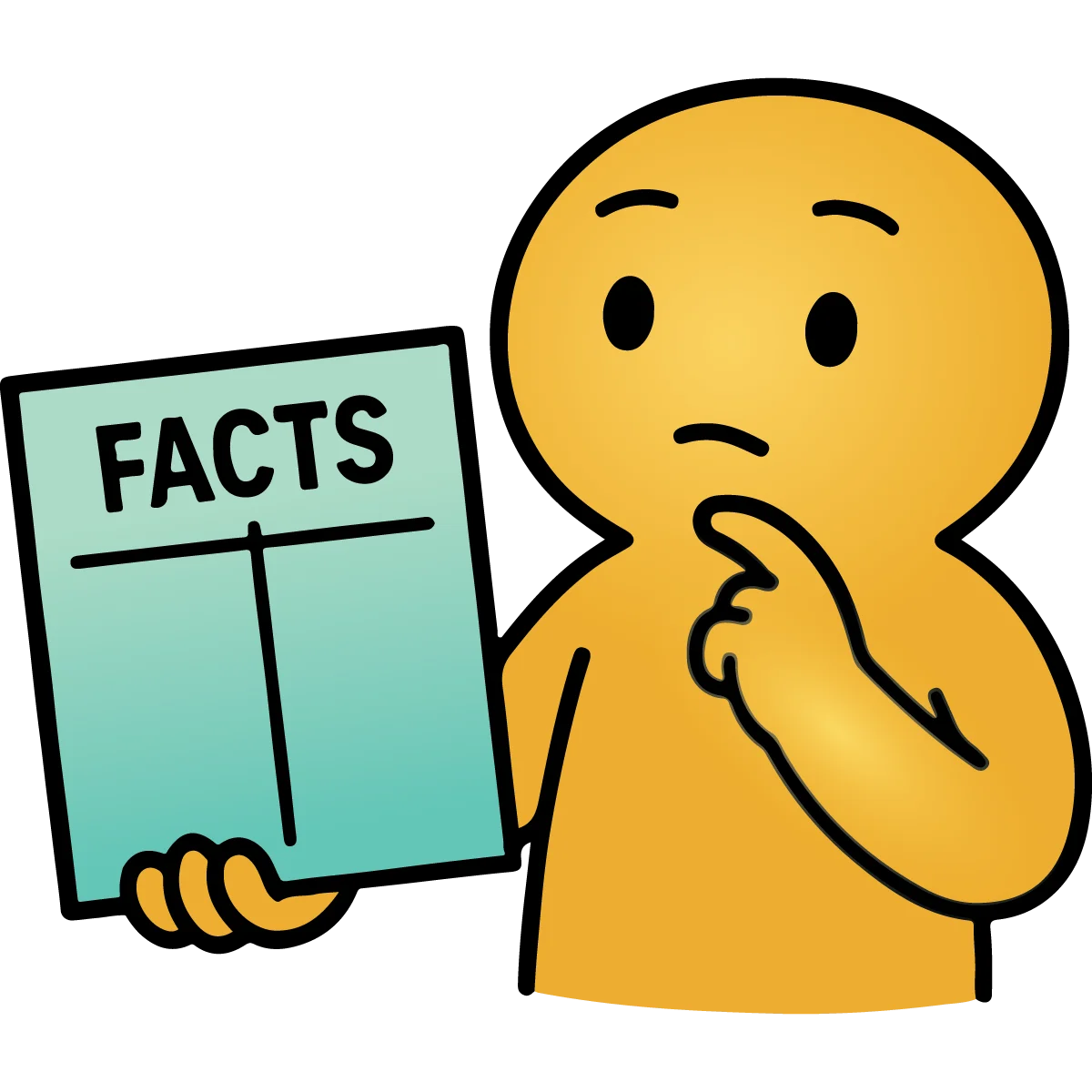
Take a piece of paper and draw a line down the middle. Label one side as Facts and the other as the Story I am Telling Myself.
Sort your thoughts
On the left, write only things a camera could see. On the right, write your fears, guesses, and interpretations of what happened.
Review and reflect
Read the Facts column out loud. Notice how focusing on just the facts can help your body feel a little bit more relaxed.
Real-Life Example
The Quiz Panic
The Event
Alex receives a 60% score on a math quiz and immediately feels a wave of panic.
The Guard Dog Story
I am going to fail this entire class, my parents will be so disappointed, and I will never get into a good college.
- Fact Check: Alex writes down the fact, which is 'I scored 60% on one quiz and missed two assignments.'
- Story Check: Alex writes down the story, which is 'I am not smart enough for this and my future is ruined.'
- Comparison: Alex realizes the Guard Dog is barking at a future that has not happened yet.
- Owl Action: Alex decides to spend thirty minutes reviewing the quiz questions that were missed.
Alex feels less anxious. The Wise Owl is back in charge, leading to a better study plan and more confidence for the next test.
Practice Tips
Try these simple habits to make your Wise Owl even stronger.
- Breathe First
Try taking a few slow breaths before you start sorting. This helps calm the Guard Dog so you can think more clearly.
- Daily Check-In
Spend five minutes a day using a journal app to practice sorting facts from stories, even for small things.
- The Friend Test
Share your list with a trusted friend. They can help you see if your facts are actually facts or just more stories.
Pro Tip
Why It Works
It is a practical way to stop your thoughts from spiraling and help you feel more in control.
This skill helps because:
- Gives Perspective
It helps you see that a bad moment does not have to mean a bad life.
- Lowers Stress
Focusing on facts gives your brain a chance to use its natural calming system.
- Builds Strength
Every time you do this, you are training your brain to stay calm under pressure.
References
Research-based evidence supporting this skill
- This technique is based on long-standing cognitive principles used to help people manage anxiety and improve their mental well-being.
- Solutions in Therapy. (2017, March 28). Facts vs. Fiction: The Stories That We Tell Ourselves.
- Thrive Wellness. (n.d.). Fiction vs. Fact: Revealing the Truths About Mental Health.
- Red Top Wellness. (n.d.). Practical Techniques to Regain Clarity During Anxiety and Depression.
- Belmont, J. (n.d.). Separate Fact From Fiction.
- American Psychological Association. (n.d.). Myths and Facts Campaigns are at Best Ineffective.