Hand on Heart
Key ideas
Skill summary
Three quick reminders before you start.
Overview
This practice involves placing your hand over your chest and focusing on slow, steady breaths. It is a tool used to help settle the body when things feel overwhelming or stressful. By combining gentle touch with a focus on your heart, you can help your system shift from a state of high alert to one of quiet focus.
How Your Brain Works
Your brain uses two main parts to manage your feelings and your ability to think clearly.
The Guard Dog
The alarm system. Reacts to stress with fight-or-flight responses.
The Wise Owl
Logic and calm decision-making, best accessed when the alarm quiets down.
The Guard Dog on High Alert
The Guard Dog (your amygdala) is like your brain's alarm system. When you feel stressed or pressured, it starts barking to warn you of danger, even if that danger is just a difficult test or an awkward social moment. It floods your body with stress chemicals, making your heart race and making it hard to think clearly.
Calling in the Wise Owl
The Wise Owl (your prefrontal cortex) is the part of your brain that helps you make smart choices and stay cool. When the Guard Dog is barking, the Wise Owl gets pushed aside, which is why it is hard to solve problems when you are upset.
Creating the Connection
By placing your hand on your heart and breathing slowly, you send a signal of safety directly to your brain. This releases feel-good chemicals that act like a gentle pat on the head for the Guard Dog. As the Dog quiets down, the Wise Owl can return to its perch, helping you feel in control and ready to handle the situation with a clear head.
How to Use This Skill
This skill works by using your own physical touch and breath to tell your brain that you are safe and okay in this moment. It is like using a remote control to turn down the volume on stress.
Place your palm on your chest
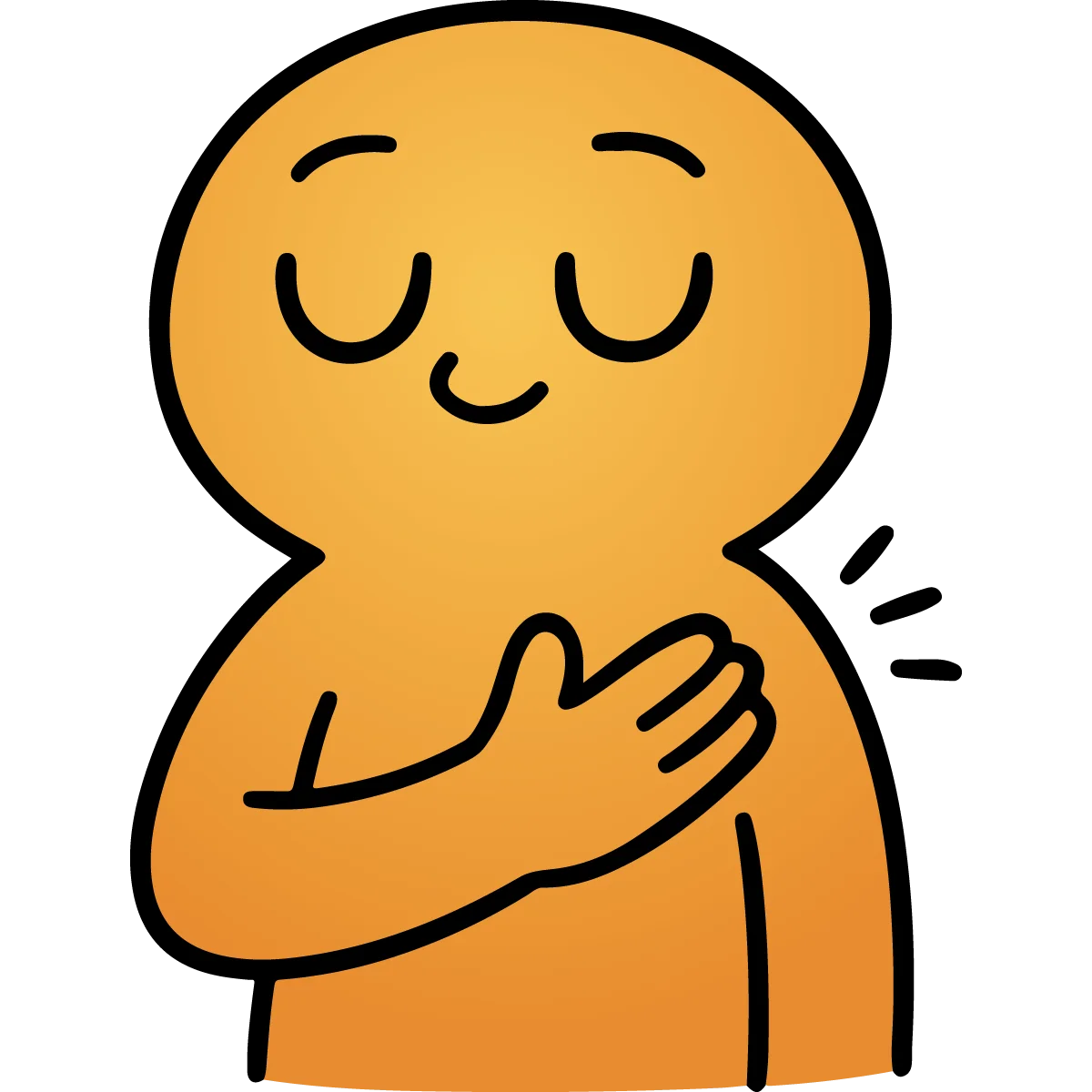
Rest your hand right in the centre of your chest to feel the warmth of your palm against your body.
Feel your heartbeat
Close your eyes if it feels okay and try to notice the rhythm of your heart beating under your hand.
Take five slow exhales
Breathe in naturally, then let your breath out very slowly for a count of six, repeating this five times.
Real-Life Example
Managing School Stress
The Grade Notification
Seeing a low mark on a phone during a busy lunch hour while surrounded by loud friends.
The Guard Dog Bark
Thinking "I am going to fail this class and my parents will be so disappointed in me."
The Recovery Steps
- Step into a quiet corner or a hallway.
- Place a warm hand over the centre of the chest.
- Focus on the heartbeat for a few seconds.
- Breathe out slowly five times, counting to six for each exhale.
The heart rate slows down and the Guard Dog stops barking. This allows the Wise Owl to take over and plan a time to talk to the teacher.
Practice Tips
You can make this even more effective by adding a few small details to your practice.
- Add a Memory
Try to think of a time you felt really safe or a person who gives great hugs while you do this.
- Start Early
Try using this technique as soon as you notice your thoughts starting to race, before the stress gets too big.
- Adjust Pressure
Some people find that pressing a bit harder or using both hands helps them feel even more grounded.
Pro Tip
Why It Works
It is a fast and private way to reset your body when you feel overwhelmed.
This skill helps because:
- Chemical Shift
It helps your body release natural calming chemicals that counter the effects of stress.
- Physical Brake
It acts like a brake pedal for your heart rate, helping you slow down quickly.
- Mental Focus
It helps you focus on your body instead of the scary thoughts in your head.
References
Research-based evidence supporting this skill
- Research shows that physical touch and specific breathing patterns can lower stress and help people feel more in control during difficult moments.
- From the heart: hand over heart as an embodiment of honesty. (2014). PMC.
- Love and Life Toolbox. (n.d.). Mitigate Stress: Hand on Heart Technique for Calm.
- Barefaced Life. (n.d.). Hand Over Heart Anxiety Management Technique.
- McIntyre, S. (n.d.). Coping with Distress: Hand-over-Heart Technique.
- Greater Good Science Center. (n.d.). How Tuning In to Your Body Can Make You More Resilient.