Longer Exhale Rule
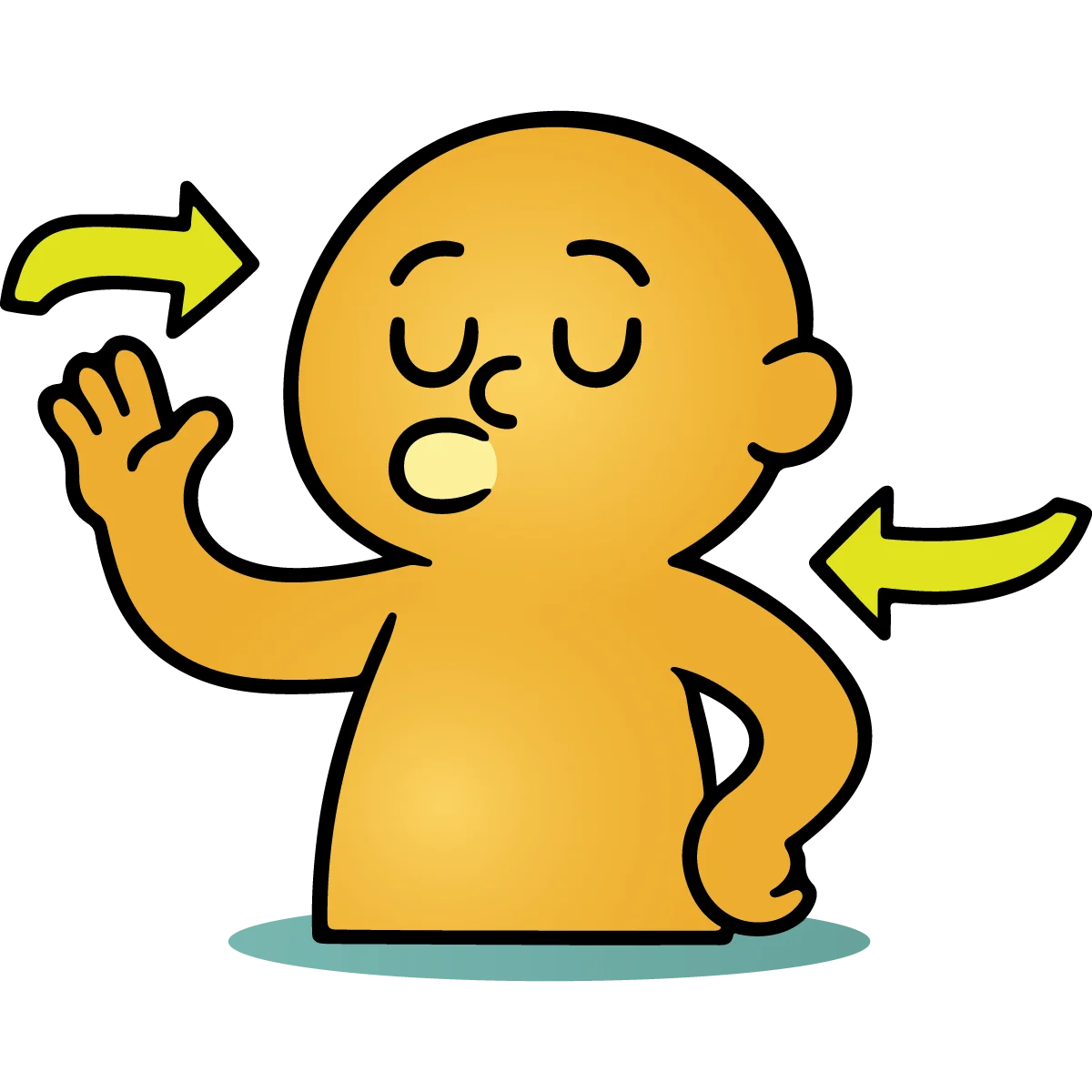
Key ideas
Skill summary
Three quick reminders before you start.
Overview
This skill is all about using your breath to send a signal to your body that you are safe. By making your out-breath longer than your in-breath, you can shift from feeling stressed to feeling more balanced. It is a quick tool you can use anywhere when things feel a bit much.
How Your Brain Works
Your brain uses two main parts to manage your feelings and your ability to think clearly.
The Guard Dog
The alarm system. Reacts to stress with fight-or-flight responses.
The Wise Owl
Logic and calm decision-making, best accessed when the alarm quiets down.
The Guard Dog Alarm
The Guard Dog (Amygdala) is your brain's security system. When it spots a threat, like a surprise test or a social worry, it starts barking. This triggers your stress response, making your heart race and your breathing shallow. The Guard Dog is fast and loud, but it does not always check if the danger is real or just a stressful feeling.
The Shift
When you use a long exhale, you are basically sending a message to your body's brake pedal. This action stimulates the vagus nerve, which releases a calming chemical called acetylcholine. This chemical tells the Guard Dog to stop barking and lets your body know it is time to rest and digest instead of fighting or running. It is like a secret code that flips the switch from panic to peace.
The Wise Owl Takes Over
Once the Guard Dog is quiet, the Wise Owl (Prefrontal Cortex) can return to its perch. This part of your brain helps you think clearly, focus on the task at hand, and make better choices because it is no longer being drowned out by the noise of the alarm. By calming your heart rate and lowering blood pressure, you allow the Wise Owl to guide your behaviour instead of reacting out of fear.
How to Use This Skill
Think of this skill as a way to gently guide your brain's internal volume knob from a loud alarm to a calm centre.
The Gentle Inhale
Breathe in through your nose for a count of 3, feeling your belly move slightly as you fill your lungs with fresh air.
The Extended Exhale
Slowly let the air out for a count of 6, noticing how your shoulders and chest start to feel heavier and more relaxed.
The One-Minute Reset
Keep the 3-in and 6-out pattern going for about 10 rounds until you feel a noticeable shift in your mood.
Real-Life Example
Beating the Pop Quiz Panic
The Surprise Test
You walk into class and the teacher announces a surprise quiz that you did not study for, causing your heart to thump.
The Guard Dog Barking
I am going to fail this and everyone will think I am not smart enough to be here.
The Breathing Breakdown
- You notice your heart is racing and your palms are sweaty.
- You sit down and close your eyes for just a second.
- You breathe in through your nose for a count of three.
- You breathe out slowly, like you are using a straw, for six seconds.
- You repeat this four or five more times while the teacher hands out the papers.
Your heart rate slows down and the Wise Owl takes over, helping you focus on the questions instead of the panic.
Practice Tips
To get the most out of this technique, try these simple adjustments to make it work for your own rhythm.
- Find Your Count
If 3-in and 6-out feels too long, try 2-in and 4-out at first until you get used to the feeling of slow breathing.
- Add Grounding
Place a hand on your belly while you breathe to help you focus on the physical movement of your body.
Pro Tip
Why It Works
This tool is recommended because it works with your body's natural systems to lower stress quickly and effectively.
This skill helps because:
- Body's Brake Pedal
It signals your calming system to take over, helping you feel more relaxed in just a minute or two.
- Better Focus
By quieting the internal alarm, it allows your thinking brain to focus on solving problems and remembering information.
References
Research-based evidence supporting this skill
- This technique is supported by modern research on the vagus nerve and how breathing rhythms affect our heart rate and emotional regulation.
- American Heart Association. (2023, July 7). It's not just inspiration: careful breathing can help your health.
- Calm Blog. (n.d.). 6 surprising benefits of a long exhale (and how to do it).
- Finnegan, M., et al. (2023). Breathing Practices for Stress and Anxiety Reduction. PMC.
- Psychology Today. (2019, May). Longer Exhalations Are an Easy Way to Hack Your Vagus Nerve.
- Stanford Medicine. (2023, February). 'Cyclic sighing' can help breathe away anxiety.
- Welltory. (n.d.). Long Exhale for parasympathetic nervous system activation.