Movement Microburst
Key ideas
Skill summary
Three quick reminders before you start.
Overview
A Movement Microburst is a short interruption to your day where you spend thirty seconds doing simple physical activity. It is designed to help your brain recover from sitting for a long time by increasing blood circulation and oxygen.
By taking these tiny breaks, you can improve your mood and feel more alert without needing a full workout. It is a flexible way to support your mental wellbeing while staying busy with school or work.
How Your Brain Works
Your brain uses two main parts to manage your feelings and your ability to think clearly.
The Guard Dog
The alarm system. Reacts to stress with fight-or-flight responses.
The Wise Owl
Logic and calm decision-making, best accessed when the alarm quiets down.
The Guard Dog Starts Barking
When you sit still for a long time or feel pressured by a deadline, the Guard Dog (Amygdala) in your brain might start to feel uneasy. It is the part of your brain that looks out for danger. When it stays in one spot for too long, it can get overactive and start barking, which releases stress chemicals like cortisol into your system. This makes you feel anxious, restless, or completely foggy, making it hard to concentrate on your schoolwork.
The Quick Physical Shift
Doing a Movement Microburst is like giving the Guard Dog a signal that everything is okay. Just thirty seconds of simple movement pumps fresh blood and oxygen through your body and straight to your brain. This quick burst helps release helpful chemicals like endorphins, which act as a natural way to lower stress. By moving your muscles, you are helping your body switch from a state of high alert to a state of calm recovery.
The Wise Owl Takes the Lead
Once the Guard Dog is quieted by that boost of circulation, the Wise Owl (Prefrontal Cortex) can take over again. This is the smart part of your brain that helps you plan and focus on tricky tasks. With the extra oxygen and better blood flow, the Wise Owl feels refreshed. This allows you to return to your work with a clear head, helping you feel more in control of your day.
How to Use This Skill
You can think of this skill as a quick pit stop for your brain. Here is how you can use it to help your Wise Owl take charge again.
Pause your task
Stop typing or reading for a second and push your chair back so you have space to move.
Move for 30 seconds
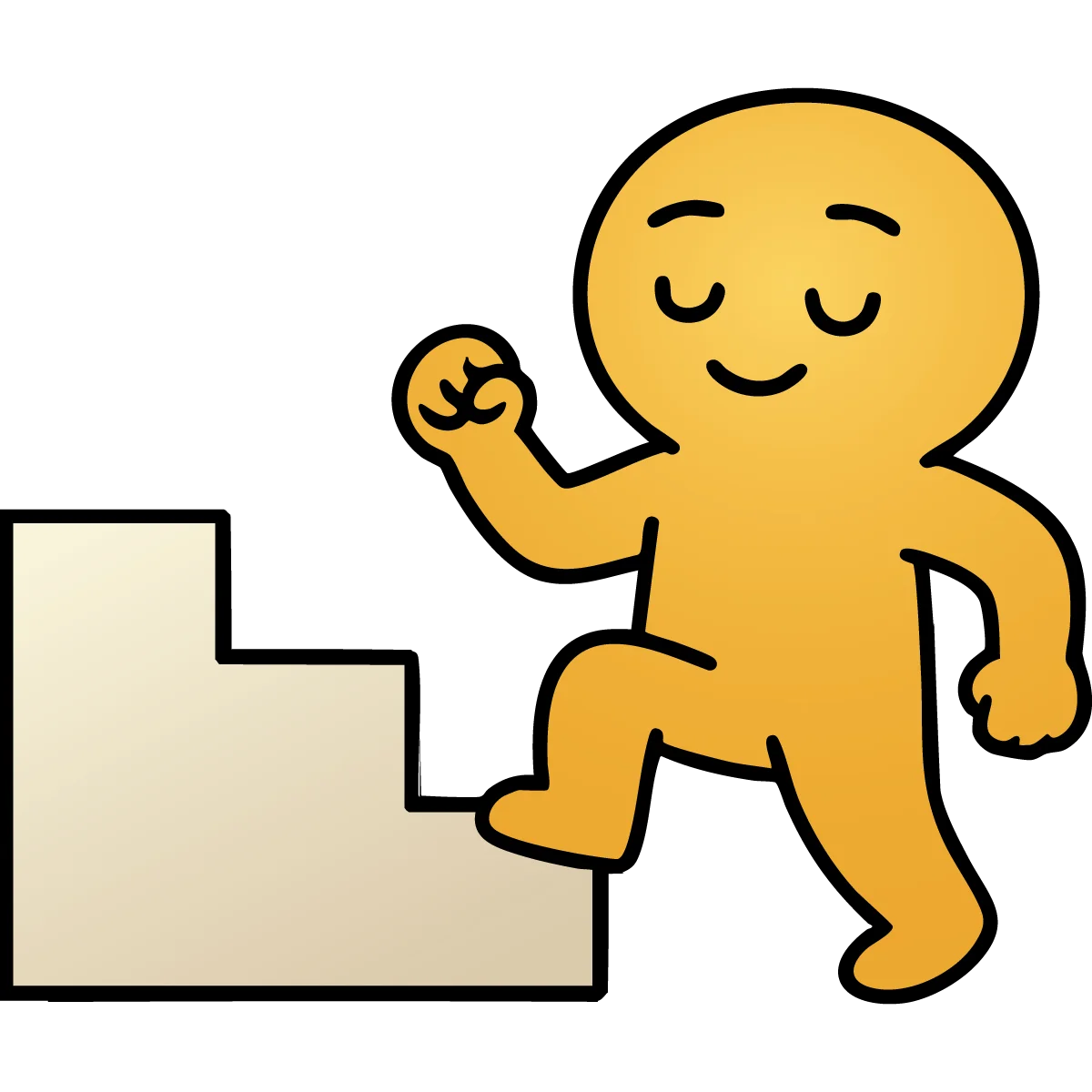
Do thirty seconds of wall-pushes, squats, or just run up and down the stairs once.
Get back to work
Sit back down right away and pick up where you left off, noticing how your body feels.
Real-Life Example
Breaking the Study Loop
The Deadline Pressure
You have been staring at your history notes for two hours and have a big test tomorrow morning.
The Guard Dog's Panic
I am never going to finish this, I am totally going to fail because my brain just isn't working.
The Reset
- Recognize the feeling of being stuck and take a quick breath.
- Stand up and do 30 seconds of jumping jacks in the middle of the room.
- Feel your heart beat a bit faster and notice the tension leaving your shoulders.
- Sit back down and look at the first page of notes again.
The Guard Dog stops barking about the test, which allows the Wise Owl to focus on one sentence at a time.
Practice Tips
To make this habit stick, try these simple strategies during your day.
- Set an Alarm
Use your phone to remind you to move every hour so you do not get stuck sitting too long.
- Pick Your Favourite
Choose movements you actually enjoy doing, like dancing or simple stretches, to make it easier.
- Check Your Vibe
Notice how you feel before and after you move to see the difference in your energy and vigour.
Pro Tip
Why It Works
This technique is a simple way to manage stress and stay sharp throughout the day without needing special equipment.
This skill helps because:
- Quick Stress Relief
It helps lower the chemicals that make you feel tense or anxious.
- Better Focus
It wakes up the part of your brain that helps you pay attention and solve problems.
- Flexible for Everyone
You can change the movements to fit what feels good for your body and your space.
References
Research-based evidence supporting this skill
- Researchers have found that tiny breaks for movement can help office workers and students feel less tired and more positive about their work.
- Frontiers in Public Health. (2020). Taking a stand for office-based workers' mental health.
- Luzio, et al. (2020). Movement-based therapies in rehabilitation. PMC - PubMed Central.
- Psychology Today. (2025). The role of movement in mental health.