One-Minute Win
Key ideas
Skill summary
Three quick reminders before you start.
Overview
Ever feel so stuck that even small chores feel like a mountain? This tool helps you break that freeze. By picking one tiny job that takes under a minute, you prove to yourself that you can get moving again. It is about building a bit of momentum when things feel heavy or stressful, helping you feel more in control of your day.
How Your Brain Works
Your brain uses two main parts to manage your feelings and your ability to think clearly.
The Guard Dog
The alarm system. Reacts to stress with fight-or-flight responses.
The Wise Owl
Logic and calm decision-making, best accessed when the alarm quiets down.
The Guard Dog Takes Over
When you feel overwhelmed by a big project or a messy room, your Guard Dog (the amygdala) starts to bark. It thinks you are in actual danger and floods your body with stress chemicals like cortisol. This can make your heart beat faster and make you feel like you need to run away or just freeze up entirely. It is a natural reaction, but it makes it hard to get anything done.
The Wise Owl Goes Offline
While the Guard Dog is barking, your Wise Owl (the prefrontal cortex) cannot do its job properly. This is the smart part of your brain that handles planning, staying calm, and solving problems. When you are stuck in a freeze response, the Wise Owl is basically locked out, making it really hard to start even simple tasks or think about what to do next.
The One-Minute Shift
Doing a tiny, one-minute task acts like a reset button. It shows the Guard Dog that there is no real threat, which helps it quiet down and feel safe. This lets the Wise Owl step back in to lead. When you finish that tiny task, your brain releases a bit of dopamine. This feel-good chemical acts like fuel, helping you build momentum to tackle the next thing. This shift helps your body find its natural balance again.
How to Use This Skill
Think of this like giving the Wise Owl a tiny snack so it has the energy to take back control from the barking Guard Dog.
Pick a Tiny Task
Choose something very small, like putting one book on a shelf or filling a water bottle to stay hydrated.
Just Do It (Quickly!)
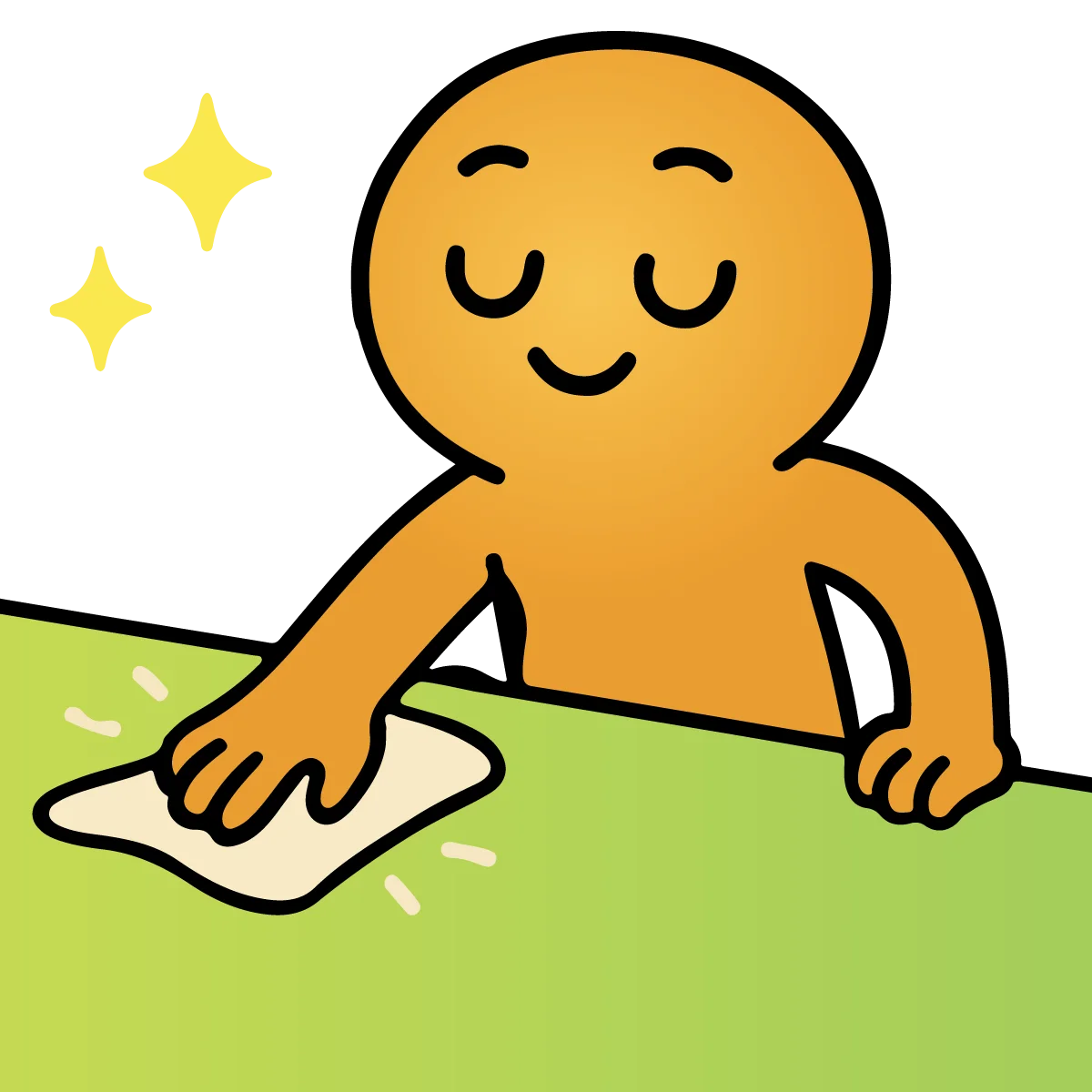
Set a timer if you need to. Wipe a counter or send a quick text you have been avoiding to a friend.
Notice the Win
Take a deep breath and think, 'I did that.' It sounds small, but it helps your brain reset and feel ready.
Real-Life Example
Beating the Homework Wall
The Overwhelmed Freeze
You get home and see a massive pile of math problems and an essay due tomorrow that feels impossible.
The Guard Dog's Panic
The thought 'I will never finish this and everyone will be disappointed' starts playing on loop.
- Catch the feeling of being stuck and realize your Guard Dog is barking.
- Pick one tiny win, like just opening your laptop or finding a pen.
- Do that task in under sixty seconds without worrying about the rest of the pile.
- Take a deep breath and notice that the threat feeling has dropped.
The Wise Owl gets a boost of dopamine, the Guard Dog quiets down, and you finally feel like you can start the first question.
Practice Tips
Here are a few ways to make this habit stick and keep your brain feeling balanced throughout the week.
- Combine with Breathing
Try a simple breathing pattern while you do your win to help your body's brake pedal kick in.
- Track Your Wins
Use a simple note on your phone to check off your tiny wins so the Wise Owl can see your progress.
- Start Sensory
Try a win you can feel, like washing your face or drinking a cold glass of water to ground yourself.
Pro Tip
Why It Works
It is a fast, safe way to lower stress and get moving when you feel stuck.
This skill helps because:
- Breaks the Freeze
It stops the stuck feeling that comes from being too stressed by proving you can take action.
- Natural Rewards
It gives your brain a little boost of feel-good chemicals for finishing something small.
- Calming the Body
It helps your heart rate and breathing return to a more relaxed state when things feel heavy.
References
Research-based evidence supporting this skill
- This technique is based on recent research showing that even one-minute breaks and tiny actions can significantly lower stress and improve mood in teenagers.
- National Institutes of Health. (2025). The effect of a one-time mindfulness intervention on body and mind.
- Hunter, M. R., Gillespie, B. W., & Chen, S. Y. P. (2019). Minimum time dose in nature to positively impact the mental health of urban residents. Frontiers in Psychology.
- 2022). Effect of online counselling on emotional outcomes during the pandemic. PMC.
- 2025). Micro-health interventions: Exploring design strategies for 1-minute wins. arXiv.
- 2015). The one-minute group meditation. Psychology Today.
- 2024). Three simple daily wins for your mental health: A path to growth and well-being. Counsel Nature.