Opposite Action (Mini)
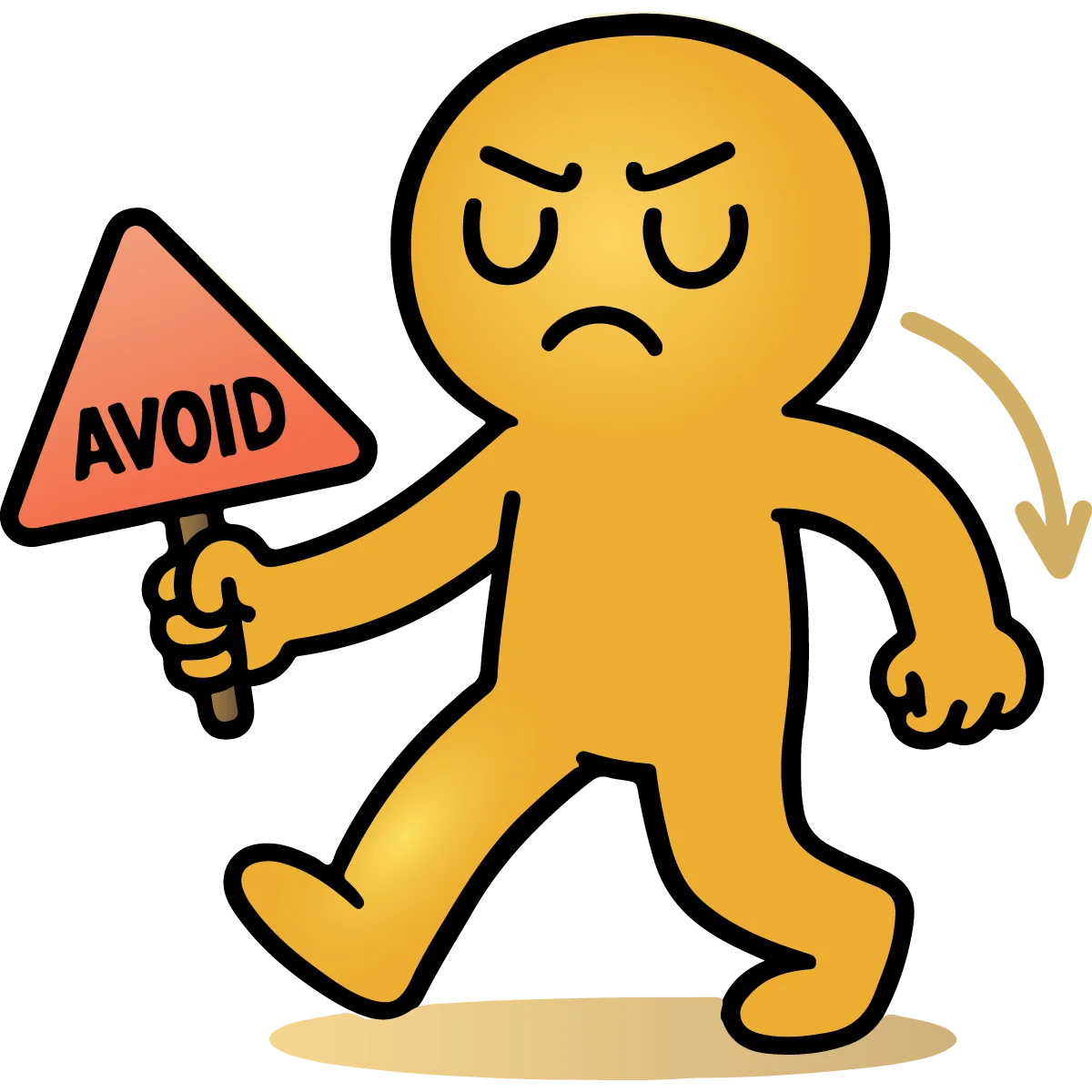
Key ideas
Skill summary
Three quick reminders before you start.
Overview
Opposite Action is a tool to help you manage emotions that feel too big for the situation. When you feel a strong urge to hide or run away but there is no actual danger, this skill lets you choose a different path. It is about gently changing how you feel by changing your behaviour.
How Your Brain Works
Your brain uses two main parts to manage your feelings and your ability to think clearly.
The Guard Dog
The alarm system. Reacts to stress with fight-or-flight responses.
The Wise Owl
Logic and calm decision-making, best accessed when the alarm quiets down.
Meet the Guard Dog
The Guard Dog (Amygdala) is the part of your brain that looks out for trouble. When it spots something it thinks is scary, it starts barking, which makes your heart race and gives you the urge to run or hide. This is a survival response, but sometimes the Dog barks at things that are not actually dangerous.
Meet the Wise Owl
The Wise Owl (Prefrontal Cortex) is the part of your brain that thinks things through. It lives upstairs and can help the Guard Dog realise when a situation is actually safe. The Wise Owl uses logic to help you stay calm and make good choices.
How They Work Together
When you do something opposite to what the Guard Dog wants, you are sending a message to the Wise Owl. By taking a small step forward instead of running away, you help the Guard Dog settle down. Over time, this makes the connection between the Owl and the Dog stronger, so you feel more in control of your reactions.
How to Use This Skill
Using this skill is like teaching your inner Guard Dog that it does not always need to bark at every shadow. It helps you take the lead when your feelings are out of balance.
Notice the urge to avoid
You feel a knot in your stomach and want to skip a club meeting. Instead of leaving, you just notice that you have the urge to hide.
Do the smallest opposite action
Instead of staying home, you walk to the door of the meeting room and look inside. This tiny step builds your confidence immediately.
Real-Life Example
Facing the Crowded Hallway
The Social Spark
You see a group of classmates laughing and chatting together in the hallway.
The Guard Dog's Bark
"They must be laughing at me. I should turn around and go the long way to my next class."
The Skill Breakdown
- Notice the urge: You feel your face get hot and your feet want to turn around to avoid the group.
- Check the facts: You ask your Wise Owl if there is proof they are laughing at you. You realise there is no evidence.
- Small step: You decide to keep walking toward them instead of turning away.
- Commit: You keep your head up and give a quick nod or a smile as you pass by.
The Wise Owl takes over and the Guard Dog stops barking. You realise you are safe, and your stress levels drop from very high to a calm level.
Practice Tips
Here are some ways to get better at using this tool in your daily life to help your brain stay balanced.
- Rate your feeling
Check how intense your emotion is from 1 to 10 before and after you try the opposite action to see your progress.
- Go all in
Use your whole body, like standing tall or relaxing your face, to help the skill work more effectively on your brain.
- Check the facts
Make sure the situation is actually safe before you decide to do the opposite of what your fear says.
Pro Tip
Why It Works
This skill is highly recommended because it helps you change your mood by changing your physical behaviour in the moment.
This skill can support your well-being because:
- Quick Results
It can help lower intense feelings faster than just thinking about them by using your body to signal safety.
- Brain Training
It helps your Wise Owl learn to guide the Guard Dog more effectively every time you practice.
- Confidence Builder
Every small step you take toward a challenge helps you feel more capable of handling tricky situations in the future.
References
Research-based evidence supporting this skill
- This technique is based on Dialectical Behaviour Therapy (DBT), which focuses on balancing acceptance and change to help people handle big emotions.
- SFV DBT. (2024). Why Opposite Action Deserves a Spotlight in DBT Therapy. Retrieved from
- Blueprint. (2024). Opposite Action DBT: Key Insights and Clinical Applications for Therapists. Retrieved from
- Counseling Center Group. (2024). Opposite Action DBT: Master Your Emotions. Retrieved from
- Sea Glass Mental Health. (2024). The DBT Strategy of Acting Opposite: What Does It Mean and How Can It Help? Retrieved from
- Counseling Center Group. (2024). Transform Emotions with Opposite Action DBT Skill Techniques. Retrieved from
- Manhattan CBT. (2024). Opposite Action: How to Take Control from Strong Emotions. Retrieved from
- DBT Tools. (2024). Opposite Action Skill - Dialectical Behavior Therapy Tools. Retrieved from
- Cognitive Behavioral Therapy Los Angeles. (2024). Opposite Action, Behavioral Activation, and Exposure. Retrieved from
- OppositeAction. (2021). Opposite Action [Video]. YouTube.