Phone in Another Room
Key ideas
Skill summary
Three quick reminders before you start.
Overview
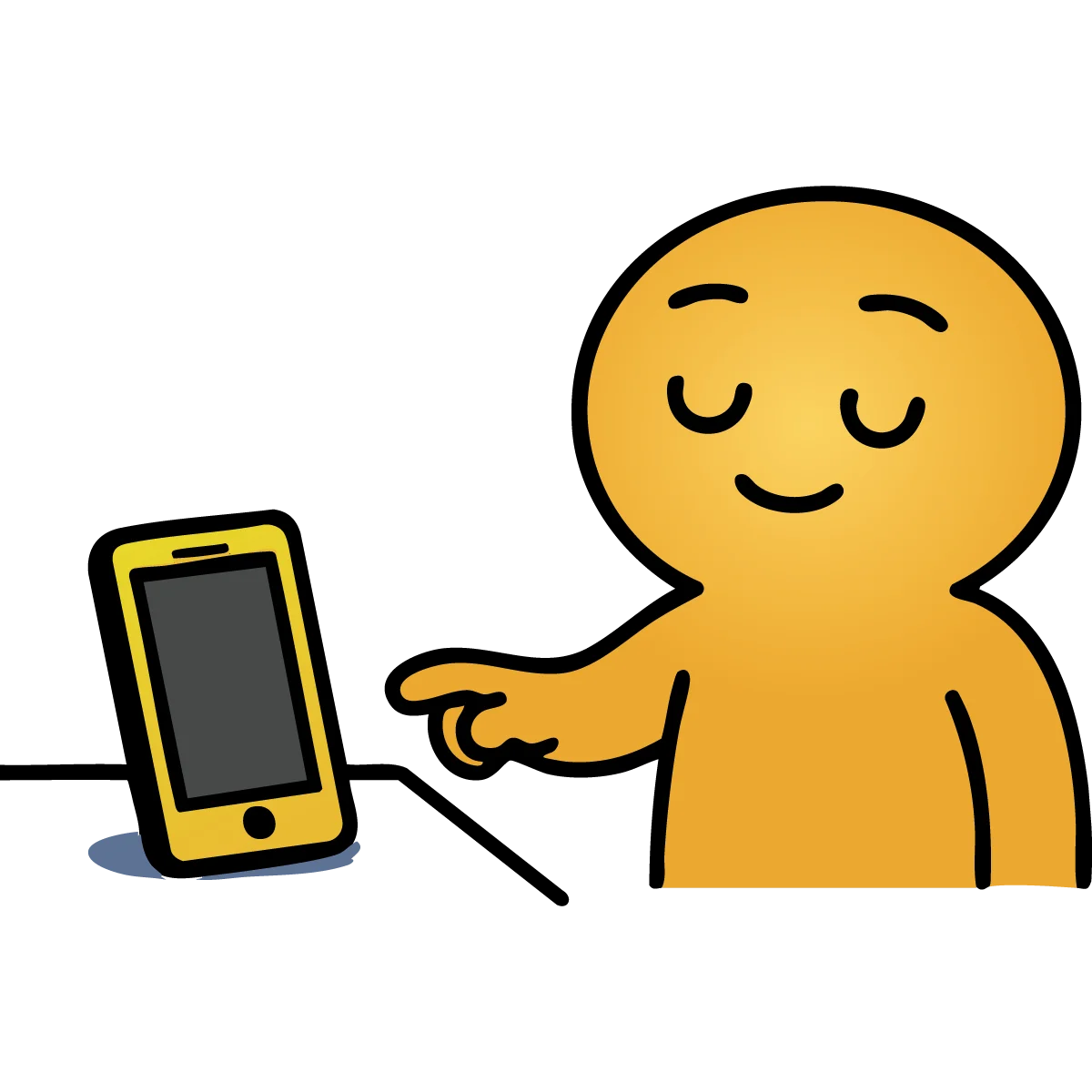
Phone in Another Room is a strategy used to manage digital habits by creating a physical barrier between you and your device. It involves placing your smartphone in a completely different area while you work or sleep.
By removing the device from your immediate surroundings, you reduce the visual and auditory prompts that lead to constant checking. This approach can support better concentration and help you feel more present in your daily activities.
How Your Brain Works
Your brain uses two main parts to manage your feelings and your ability to think clearly.
The Guard Dog
The alarm system. Reacts to stress with fight-or-flight responses.
The Wise Owl
Logic and calm decision-making, best accessed when the alarm quiets down.
The Guard Dog
The Guard Dog is the part of your brain that is always scanning for rewards. It is very easily excited by things like phone notifications and vibrations. These cues tell the Guard Dog a reward might be coming. When your phone is nearby, the Guard Dog stays alert and ready to jump at the next ping. This keeps your body in a stressed state, making it hard to settle into a task.
The Wise Owl
The Wise Owl is the part of your brain that helps you plan and make smart choices. It is what helps you focus on your homework or stay present with friends. But the Wise Owl and the Guard Dog share the brain's energy. When the Guard Dog is busy barking at your phone, the Wise Owl has less power to help you stay focused.
The Shift
By moving your phone to another room, you take away the things that trigger the Guard Dog. Once the phone is out of sight, the Guard Dog can finally settle down. This shift allows the Wise Owl to take control of your attention. Without the distraction, you can enter a focus state where you feel more productive and less anxious. This simple change helps your brain work more effectively.
How to Use This Skill
Think of this as giving your Guard Dog a nap so your Wise Owl can get some work done. Here is how you can try it out:
Pick your focus time
Choose a 30-minute window where you really want to get your homework done or enjoy a hobby without interruption.
Move the phone away
Walk your phone to the kitchen or a hallway closet and leave it there while you stay in your work area.
Hide it from view
Put the phone inside a drawer or under a pillow in that other room so you are not tempted by the screen lighting up.
Dive into your task
Start your timer and get to work. Notice how the urge to check your phone starts to fade after a few minutes of steady progress.
Real-Life Example
Studying for the Big Test
The Stress Spike
A student feels stressed about a math deadline, and their Guard Dog starts panicking, wanting a distraction to feel better.
The Guard Dog Thought
I should check my messages just in case I missed something important, then I will start working.
The Breakdown
- The student notices the Guard Dog is barking and making them feel restless.
- They take the phone to the kitchen and put it in a basket.
- They head back to their desk and set a timer for 25 minutes of study.
- As they work, the Wise Owl takes over and they find their rhythm.
- They finish the work faster than expected because they are not stopping to check notifications.
The urge to check the phone fades away as the Wise Owl builds momentum, leading to finishing the work 25 percent faster than usual.
Practice Tips
Trying something new can be tricky. Here are a few ways to make this habit stick.
- Try deep breathing
When you feel that itch to check your phone, take three slow breaths to help your Guard Dog settle down.
- Use a timer
Setting a clear start and end time helps your Wise Owl know exactly how long it needs to stay in charge.
- Track your progress
Write down how you felt after a focus session. Seeing your wins can help build your confidence.
Pro Tip
Why It Works
This practice helps you regain control over your attention and reduces the stress of constant digital interruptions.
This skill helps because:
- Better connections
Reducing phone use when with others helps strengthen your friendships and shows people you are listening.
- Calmer mind
Getting rid of the constant pings helps your brain's alarm system stay quiet and less jumpy.
- Stronger focus
It trains your brain to stay on one task for longer periods, which makes schoolwork feel easier over time.
References
Research-based evidence supporting this skill
- Research shows that physically removing phone cues helps reduce the habitual urge to check devices and improves concentration levels.
- Ahmadi, H. (2024). When smartphones take over: a mixed methods study of phubbing in child and adolescent psychiatry trainees. PMC. Retrieved from
- Theryo. (2025). Your Phone Addiction Is Not About the Phone. Theryo.ai. Retrieved from
- Alibaba. (2024). Should You Sleep With Your Phone Across The Room Benefits For Mental Health. Product Insights. Retrieved from
- Keyphone. (2024). What is Phone Addiction: Symptoms and How to Break it. Keyphone Tech. Retrieved from