Posture Flip & Move
Key ideas
Skill summary
Three quick reminders before you start.
Overview
Posture Flip & Move is a simple way to change how you feel by changing how you stand. When we feel stressed, we often slouch or look down, which tells our brain to stay on high alert. By standing up straight and taking a few steps, we can signal to our body that it is safe to relax and think clearly.
How Your Brain Works
Your brain uses two main parts to manage your feelings and your ability to think clearly.
The Guard Dog
The alarm system. Reacts to stress with fight-or-flight responses.
The Wise Owl
Logic and calm decision-making, best accessed when the alarm quiets down.
The Alarm System
- Your brain has a special part called the Guard Dog (Amygdala). Its only job is to watch for danger. When you slouch or curl into a ball, the Guard Dog thinks you are trying to hide from a threat. It starts barking, which makes you feel anxious, tired, or trapped in negative thoughts.
- Slouching actually restricts your breathing and blood flow. This physical tightness keeps the Guard Dog in a state of panic, making it feel like you are stuck in a cycle of stress that you cannot escape.
The Shift
- When you stand tall and open your chest, you send a physical signal that the coast is clear. This movement activates your Wise Owl (Prefrontal Cortex), which lives in the front of your brain.
The Command Centre
- The Wise Owl is the part of you that solves problems and stays calm. By taking twenty slow steps, you release natural feel-good chemicals that help the Wise Owl take charge. This shift quiets the Guard Dog's barking and allows you to think more clearly, helping you feel more in control of your emotions.
How to Use This Skill
Think of this like a physical reset button that tells your brain to move from panic mode into calm mode.
Stand Tall
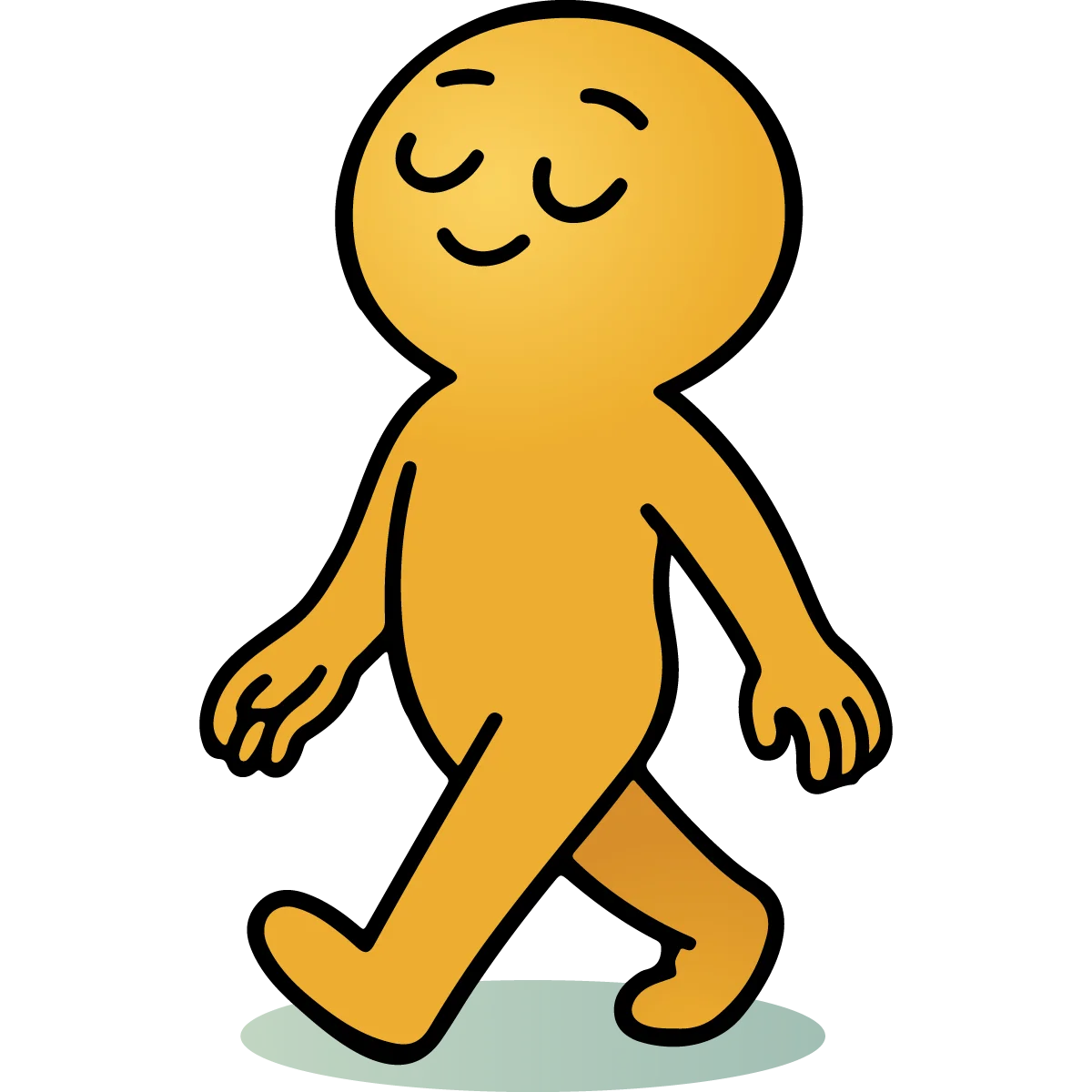
Slowly stand up from your chair or the floor to let your spine straighten out and your lungs expand.
Open Your Chest
Roll your shoulders back and gently push your chest forward like you are opening a set of curtains.
Lift Your Eyes
Pick a spot on the wall slightly above eye level and keep your gaze there for a moment.
Take 20 Slow Steps
Walk slowly around your space for twenty counts, noticing how your feet feel against the floor.
Real-Life Example
Turning a Bad Grade Around
The Bad News
You just got a low mark on a math test you studied really hard for.
The Guard Dog's Bark
I'm just not good at this. I'm going to fail the whole year and everyone will be disappointed.
The Posture Flip
- Notice your body is slumped at your desk.
- Stand up slowly.
- Roll your shoulders back to open your chest.
- Look up toward the ceiling.
- Walk 20 slow laps around the classroom or hallway.
The movement calms the Guard Dog's panic, allowing the Wise Owl to step in and realize that one grade is just a data point, not a disaster.
Practice Tips
You can make this skill even stronger by trying these simple additions.
- Add a Breath
Match your slow steps with slow breaths to help your body's brake pedal work even faster.
- Use a Mirror
Looking at your upright posture in a mirror can help reinforce the positive signal to your brain.
- Practice Early
Try this when you are already feeling okay so it becomes a habit when things get tough.
Pro Tip
Why It Works
This technique is a fast, simple, and private way to manage stress wherever you are.
This skill helps because:
- Body-Mind Link
How you hold your body directly changes how your brain processes emotions and stress.
- Stress Reduction
Standing tall lowers the chemicals that make you feel anxious or overwhelmed.
- Quick Focus
It helps clear away foggy thinking so you can focus on what you need to do next.
References
Research-based evidence supporting this skill
- Research in biofeedback and embodied cognition shows that physical stance affects mood and mental clarity.
- Effects of Postural Interventions on Physical and Psychological Health. (2022). NIH.
- Transforming Thoughts with Postural Awareness to Increase Well-being. (2020). NeuroRegulation.
- Posture and Health. (n.d.). Biofeedback Health.
- Using bodily postures to reduce anxiety and improve interoception. (2020). NIH.
- The Connection Between Posture and Mental Health. (2025). The Joint.
- How Posture Influences Your Physical and Mental Health. (n.d.). Montare Behavioral Health.
- Upright Posture and Mood. (n.d.). Centre For Clinical Psychology.
- Is slouching bad for your physical and mental health? (2023). Deseret News.
- Heads Up! Good Posture Helps Both Your Mind and Your Body. (2022). Psychology Today.