Posture Reset
Key ideas
Skill summary
Three quick reminders before you start.
Overview
Posture Reset is all about the link between your body and your mood. When we feel stressed, our bodies tend to slouch or tense up, which sends signals to our brain that we are in a stressful situation. By intentionally adjusting how we stand, we can send a signal to our brain that it is safe to relax.
This technique helps us feel more grounded when things feel overwhelming. It is not about looking a certain way, but about using your physical frame to help your mind stay steady and focused.
How Your Brain Works
Your brain uses two main parts to manage your feelings and your ability to think clearly.
The Guard Dog
The alarm system. Reacts to stress with fight-or-flight responses.
The Wise Owl
Logic and calm decision-making, best accessed when the alarm quiets down.
The Guard Dog on High Alert
When you are slouched over, your body sends a message to the Guard Dog (your amygdala) that you are under threat. This part of your brain is like a security alarm that starts barking whenever it senses danger or stress. Slumping can actually keep that alarm going, making you feel more anxious or tired because your body thinks it needs to stay in a "fight or flight" mode.
The Power of the Shift
By standing tall and opening up your chest, you create more space in your body for your lungs to work properly. This physical shift tells the Guard Dog that the coast is clear and there is no immediate danger. It is like giving your brain a biological signal that it is safe to relax. This shift helps the Wise Owl (the prefrontal cortex) take over the controls so you can think more clearly.
The Wise Owl Steps In
When the Wise Owl is in charge, you can solve problems better and regulate your emotions. An upright posture helps increase the blood flow to this part of the brain, making it much easier to remember positive things and stay focused on the task at hand. It turns down the noise from the Guard Dog so you can feel more in control of your reactions. This connection between how you hold your body and how you think is a powerful way to manage daily stress.
How to Use This Skill
Think of your body like a radio antenna. When it is bent, the signal is fuzzy. When you straighten it out, you get a clear connection to your inner calm.
Ground your feet
Place both feet flat on the floor, feeling the weight of your body supported by the ground to help you feel steady and centred.
Straighten your frame
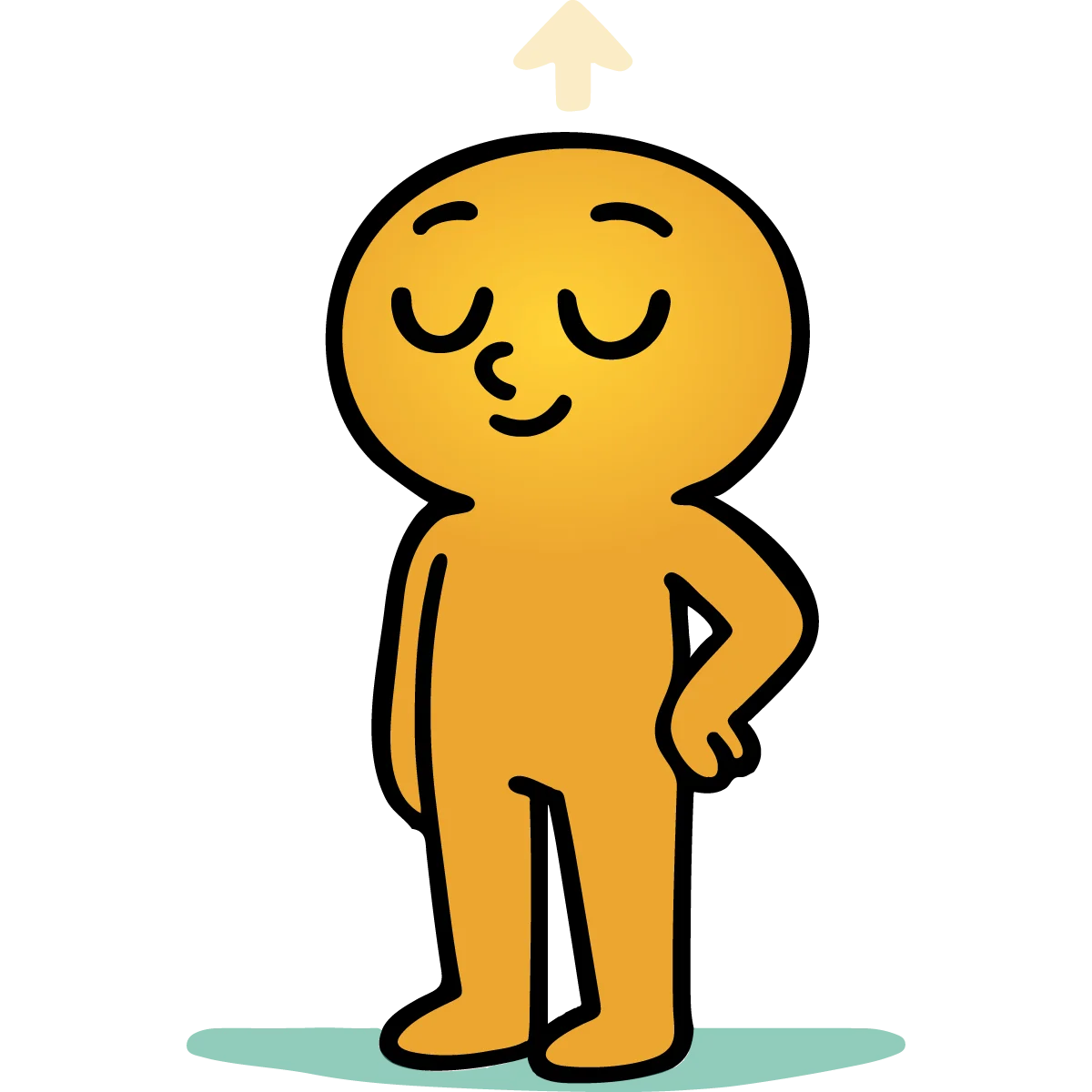
Imagine a string pulling the top of your head toward the ceiling while you let your shoulders drop back and down to open up your chest.
Take 5 slow breaths
Inhale slowly through your nose and exhale even more slowly, noticing how your body feels more centred with each breath you take.
Real-Life Example
The Surprise Pop Quiz
The Academic Pressure
A teacher announces a surprise test, and you feel your heart start to race as you look at the blank page.
The Guard Dog Thought
I am going to fail this and everyone will think I am not smart enough.
The Posture Reset Breakdown
- Ground: The student puts their feet flat on the floor under the desk to feel solid.
- Align: They sit up tall, stack their hips, and roll their shoulders back to open their chest.
- Breathe: They take five slow, deep breaths before even picking up their pencil.
Their heart rate slows down as the Wise Owl takes over, helping them remember their notes and complete the quiz with a steady hand.
Practice Tips
Try these simple ways to make the Posture Reset a part of your daily routine.
- Pair with a Power Thought
After you adjust your posture, try saying "I've got this" to help your mind follow your body's lead.
- Phone Alerts
Set a reminder to check your posture during screen time so you do not get stuck in a slouching slump.
- Add Movement
Try adding a quick walk or shoulder rolls after your reset to help your body remember how good it feels to be upright.
Pro Tip
Why It Works
It is a fast, hidden way to manage stress that uses your own body's natural systems to help you feel better.
This skill can help you because:
- Calming System
Standing tall helps activate the parts of your body that help you relax and stay calm.
- Better Thinking
An upright back helps you think more clearly and makes it easier to remember positive things.
- Confidence Boost
Changing how you hold your body can help you feel more capable and steady during a busy day.
References
Research-based evidence supporting this skill
- Research shows that how we hold our bodies directly affects how we feel and think, with upright posture linked to lower stress and higher self-esteem.
- Neuroregulation. (2019). Transforming Thoughts with Postural Awareness to Increase Mood and Self-Esteem. Neuroregulation, 6(3).
- Amae Health. (n.d.). Posture and Mental Health: How They're Connected.
- The Joint. (2025). The Connection Between Posture and Mental Health.
- Active Health Partners. (n.d.). Feeling Down? Fix Your Posture.
- Khan, H. (n.d.). Hidden Link Between Mental Health + Posture. The Neurodivergent Collective.
- Montare Behavioral Health. (n.d.). How Posture Influences Your Physical and Mental Health.
- Nair, S., et al. (2015). Do slumped and upright postures affect stress responses? Health Psychology, 34(6).
- Psychology Today. (2024). Your Physical Posture Could Change Your Mood.
- ClinMed Journals. (2023). Impacts and Attitudes of Posture on Daily Function, Disability, and Quality of Life. Journal of Musculoskeletal Disorders and Treatment, 9.