Smile + Open Chest
Key ideas
Skill summary
Three quick reminders before you start.
Overview
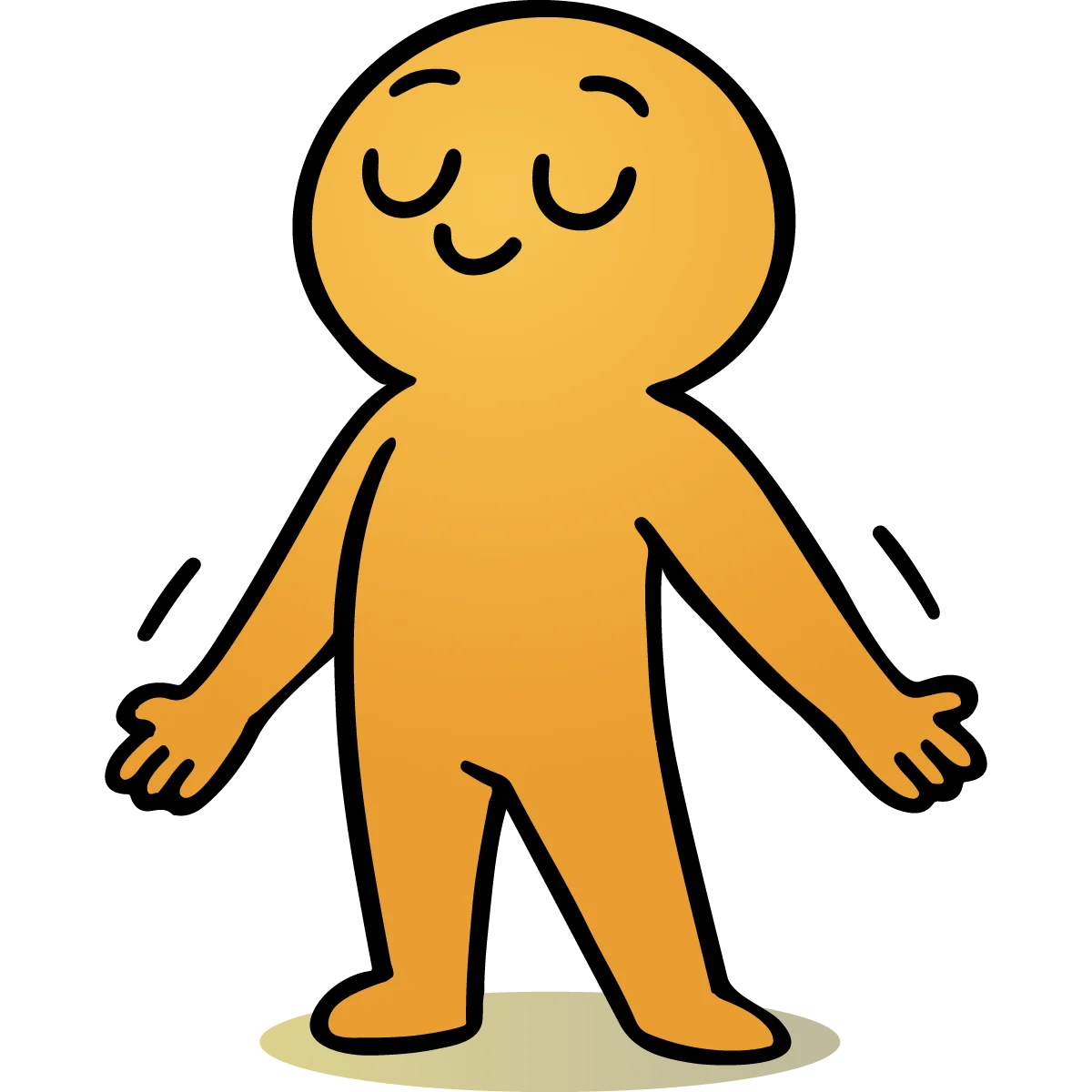
This skill is about using your body to change how you feel. By making a small smile and opening up your posture, you send signals to your brain that things are okay. It is a simple tool you can use anywhere when you feel a bit stressed or overwhelmed by school or life.
How Your Brain Works
Your brain uses two main parts to manage your feelings and your ability to think clearly.
The Guard Dog
The alarm system. Reacts to stress with fight-or-flight responses.
The Wise Owl
Logic and calm decision-making, best accessed when the alarm quiets down.
The Guard Dog Starts Barking
Your brain has a part called the Guard Dog (the amygdala). When you get stressed, the Guard Dog starts barking to warn you of danger. It makes your heart beat faster and makes it hard to think clearly because it is trying to protect you from a threat.
Sending the All-Clear
When you smile and pull your shoulders back, you are sending a secret message to your brain through your nerves. This tells the Guard Dog that there is no real threat nearby. It is like giving the dog a treat to help it settle down.
The Wise Owl Takes Over
Once the Guard Dog quiets down, the Wise Owl (the prefrontal cortex) can wake up. This is the part of your brain that helps you solve problems, stay focused, and make good decisions.
- Smiling releases feel-good chemicals in the brain that boost your mood.
- Sitting tall helps your heart stay at a steady rhythm and stops stress hormones from building up.
- Slow breaths act like a calming brake pedal for your whole body.
How to Use This Skill
Think of this like a reset button for your brain when things feel a bit too loud or intense.
The Gentle Half-Smile
Just lift the corners of your mouth slightly. You do not need a huge grin, just a soft expression to tell your brain you are okay.
Roll Your Shoulders Back
Pull your shoulders back and down. Imagine a string pulling you up from the top of your head to open your chest and sit tall.
Take 5 Slow Breaths
Inhale slowly for a few seconds, then exhale just as slowly. Repeat this five times until you feel your body soften.
Real-Life Example
Dealing with a Tough Grade
The Bad News
You just got a test back and the mark is much lower than you expected. Your heart starts racing and you feel panicky.
The Guard Dog Barking
I am never going to pass this class. Everyone is going to think I am not smart enough.
The Breakdown
- Pause: Notice that your heart is racing.
- Smile: Try a gentle half-smile to ease the tension in your face.
- Open Up: Roll your shoulders back to stand tall and open your chest.
- Breathe: Take 5 slow, deep breaths to quiet the internal alarm.
The Guard Dog stops barking, allowing the Wise Owl to realize this is just one mark and you can make a plan to do better next time.
Practice Tips
You can make this skill even stronger by trying these simple additions when you practice.
- Close your eyes
If you are in a safe spot, closing your eyes can help you focus more on your breathing and body sensations.
- Check in hourly
Try doing this once an hour on busy days to keep your stress levels low before they even start to rise.
- Add a kind thought
After your breaths, tell yourself something helpful like, I am capable of handling this challenge.
Pro Tip
Why It Works
It is a quick and invisible way to help your brain and body work together to stay calm and focused.
This skill helps because:
- Body-Brain Link
Changing how you move your body directly changes how you feel inside.
- Heart Calmer
Opening your chest helps your heart stay at a steady, calm rhythm even during stress.
- Instant Brake
Deep breathing acts like a brake pedal for your body's stress response system.
References
Research-based evidence supporting this skill
- This technique is based on research into how facial expressions and posture affect our emotions and brain function, using tools like mindfulness and slow breathing.
- Kim, J. H., & Lee, S. H. (2024). Protocol for a pilot study on the neurocardiac mechanism of an interoceptive compassion-based heart-smile training for depression. PubMed.
- CMS.gov. (2024). STOP SMILE GO: Relaxation.
- RISE UK. (2024). Get set to move for your mental health with grounding techniques.
- Walker, J. (2021). Inner smile and mental space psychology.
- PubMed. (2023). Commentary: Open your mind to open chest management.