Test Jitters Quickie
Key ideas
Skill summary
Three quick reminders before you start.
Overview
This skill is a quick way to handle that nervous feeling you get right before a big test. When your brain starts to worry about failing, it can make it hard to remember what you studied. By taking a moment to focus on facts you already know, you help your brain move from a place of stress to a place of confidence. It is a simple tool to help you stay clear-headed when it matters most.
How Your Brain Works
Your brain uses two main parts to manage your feelings and your ability to think clearly.
The Guard Dog
The alarm system. Reacts to stress with fight-or-flight responses.
The Wise Owl
Logic and calm decision-making, best accessed when the alarm quiets down.
The Alarm
- When you are facing a big exam, your Guard Dog (the amygdala) might start barking. It thinks the test is a threat, like a predator, so it floods your body with stress hormones.
- This makes your heart race and your palms sweat. Because the Guard Dog is so loud, it takes up all the space in your head, making it really hard to focus on the questions.
The Shift
- By writing down things you actually know, you wake up your Wise Owl (the prefrontal cortex). The Owl is the part of your brain that handles logic, planning, and memory.
- When the Wise Owl gets to work, it helps quiet the Guard Dog. Instead of focusing on "what if I fail," your brain starts looking at "what I know." This shift clears out the brain fog caused by stress and lets your memory work properly again. This process is like putting a leash on the Guard Dog so the Wise Owl can focus on the work, ensuring your knowledge is accessible when you need it most.
How to Use This Skill
Think of this like giving your Wise Owl a set of directions so it can take the lead and help the Guard Dog settle down before you start your work.
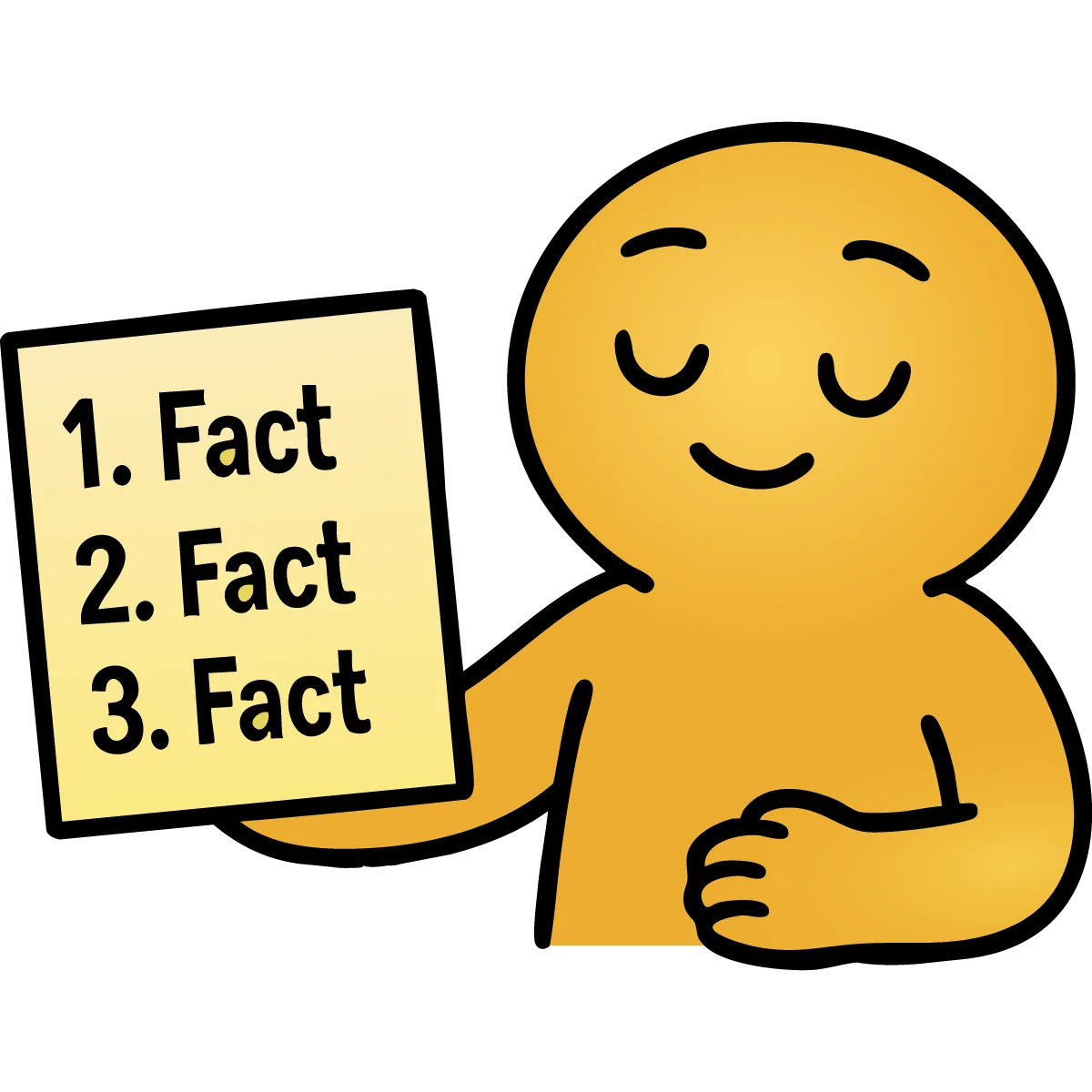
Write down three facts you are confident about
Grab a scrap piece of paper and list three things you know for sure, like a math formula or a history date, to ground your thoughts.
Read them over once
Take a slow breath and read your list. This helps your focus move away from the what-ifs and toward the facts.
Real-Life Example
Beating the Math Jitters
The Test Day Panic
A student sits down for a math exam and feels their heart racing as they look at the first page.
The Guard Dog Barking
I am going to blank out. I do not remember any of this and I am going to fail!
The Quickie Method
- The student pauses and finds a small space at the top of their paper.
- They write: "I know how to do fractions," "I practiced the quadratic formula," and "I studied for two hours last night."
- They read the list once while taking a steady breath to ground themselves.
Their breathing slows down, the Wise Owl takes over, and they are able to focus well enough to solve the problems accurately.
Practice Tips
You can make this even more effective with a few extra steps to support your brain.
- Add deep breathing
Try taking a few slow breaths after you read your facts to help your body feel even calmer.
- Be specific
Choose facts that are directly related to the subject you are about to do to boost your confidence.
Pro Tip
Why It Works
It is a fast, evidence-based way to stop brain freeze during exams and stay in control.
This skill helps because:
- Clears the fog
It stops your brain from wasting energy on worry so you can use it for remembering answers.
- Builds confidence
It reminds you of your actual strengths right when you need them most.
References
Research-based evidence supporting this skill
- This technique combines mindfulness and cognitive reframing to lower stress and improve performance during high-pressure moments.
- Mental Health Center for Kids. (n.d.). Research on Reducing Test Anxiety through Mindfulness Training.
- Liu, X., et al. (2024). Test anxiety, psychological adaptability, and learning performance. PMC.
- Psychology in Action. (2020). Tackling the Test: A Guide to Dealing with Test Anxiety.
- Sage Journals. (2020). The Test Anxiety Measure for College Students-Short Form.