Awareness & storytelling
Student-created music, videos, campaigns, and creative projects that spread awareness, inspire participation, and bring the message of A Billion Small Steps begins with one.
Reclaiming pollinator habitats, one native garden at a time. A Billion Small Steps empowers students, families, and communities to take small, meaningful actions that add up to a healthier planet.
Led by Metro Prep Academy
Students driving local habitat restoration
Watch Metro Prep students perform the A Billion Small Steps theme song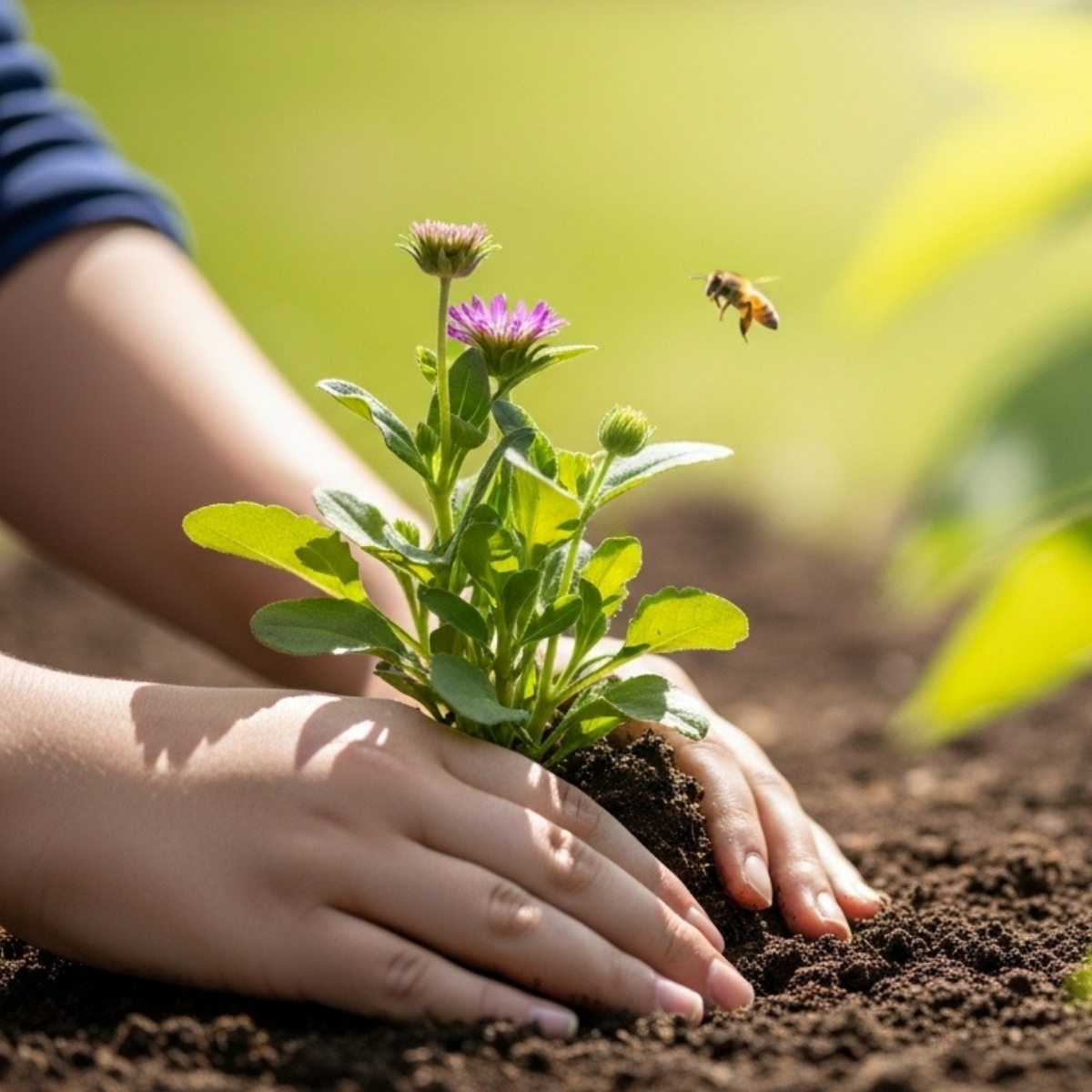
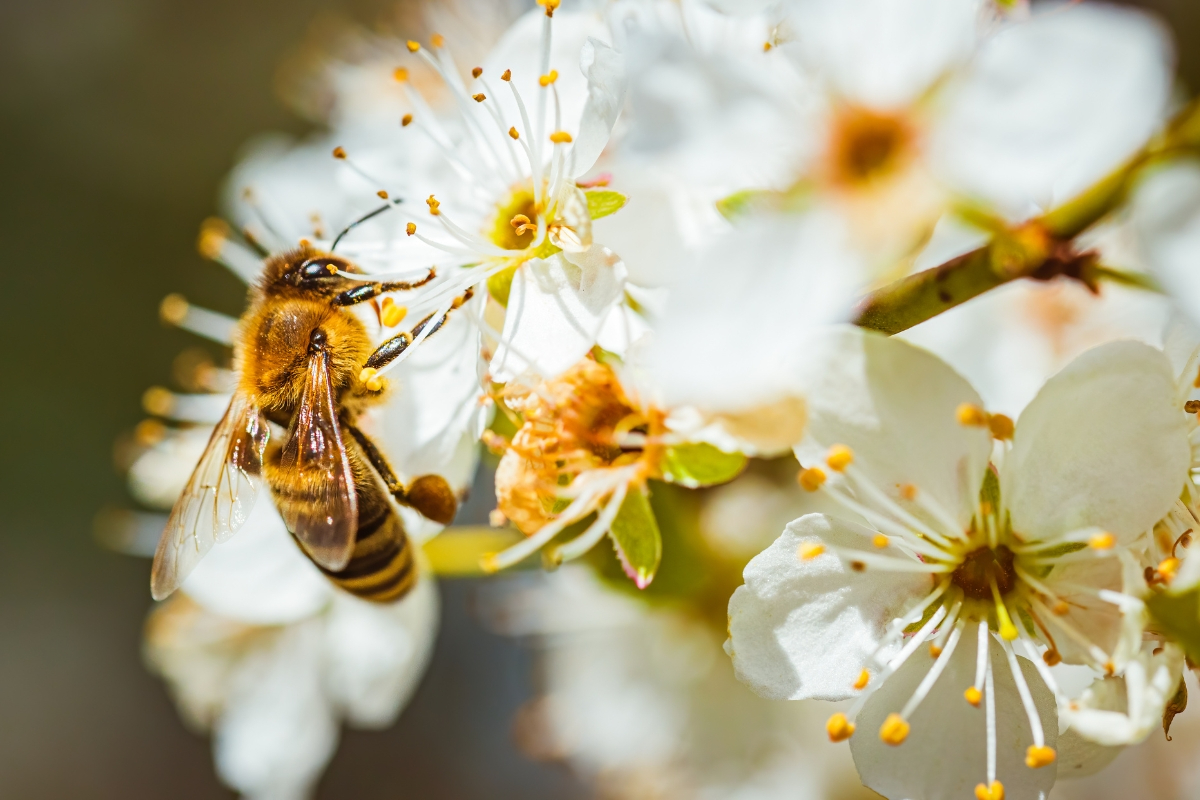
Healthy pollinators keep food systems, wildflowers, and ecosystems resilient. But they are losing their homes.
We are a student-led campaign created to educate, inspire, and empower people to protect them. By planting native gardens, we turn neighborhood patches into a connected corridor that pollinators can safely move through.
35%
of global food production
relies on pollinators to grow fruits, vegetables, and nuts.
3 in 4
food crops
depend at least partly on pollinators for production.
1 in 5
Pollinator species
in North America are at risk of extinction.
90%
of flowering plants
depend on animal pollinators to reproduce.
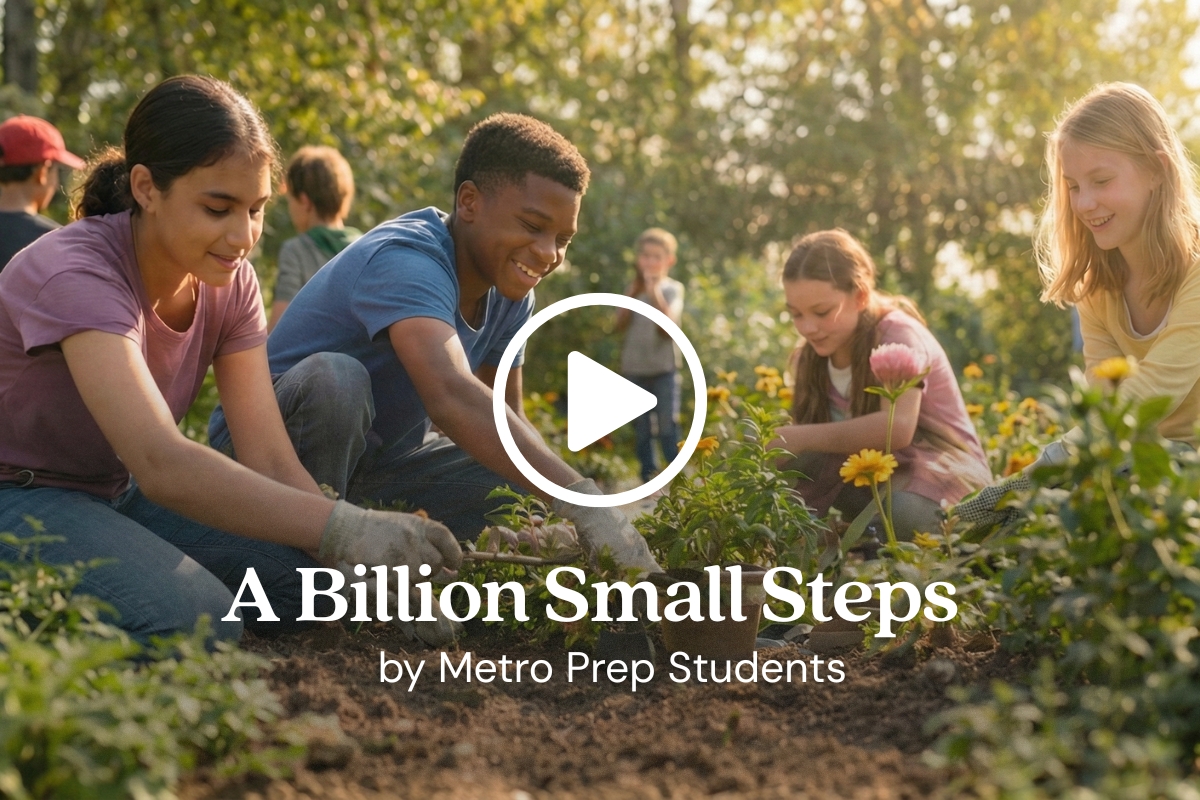
Created and performed by Metro Prep students to help raise awareness for pollinators and pollinator habitat, this theme song aims to give voice to A Billion Small Steps, the belief that awareness leads to action, and that small steps, shared by many, can restore habitat.
It’s an invitation to care, to participate, and to take one small step alongside others.
Native plants evolved with native pollinators. They bloom at the right times, offer the right nutrients, and provide safe nesting spots.
Metro Prep students are leading a growing call to action to restore pollinator habitat by raising awareness, sharing knowledge, and making it easy for everyone to take part. From creative storytelling to hands-on planting, each effort invites one more small step.
Student-created music, videos, campaigns, and creative projects that spread awareness, inspire participation, and bring the message of A Billion Small Steps begins with one.
Planting guides, bloom calendars, and learning materials developed by students to help communities understand pollinators and take informed action.
Pledges, the Bloom Map, and community challenges that let individuals pin their patch, track progress, and see how small actions connect across regions.
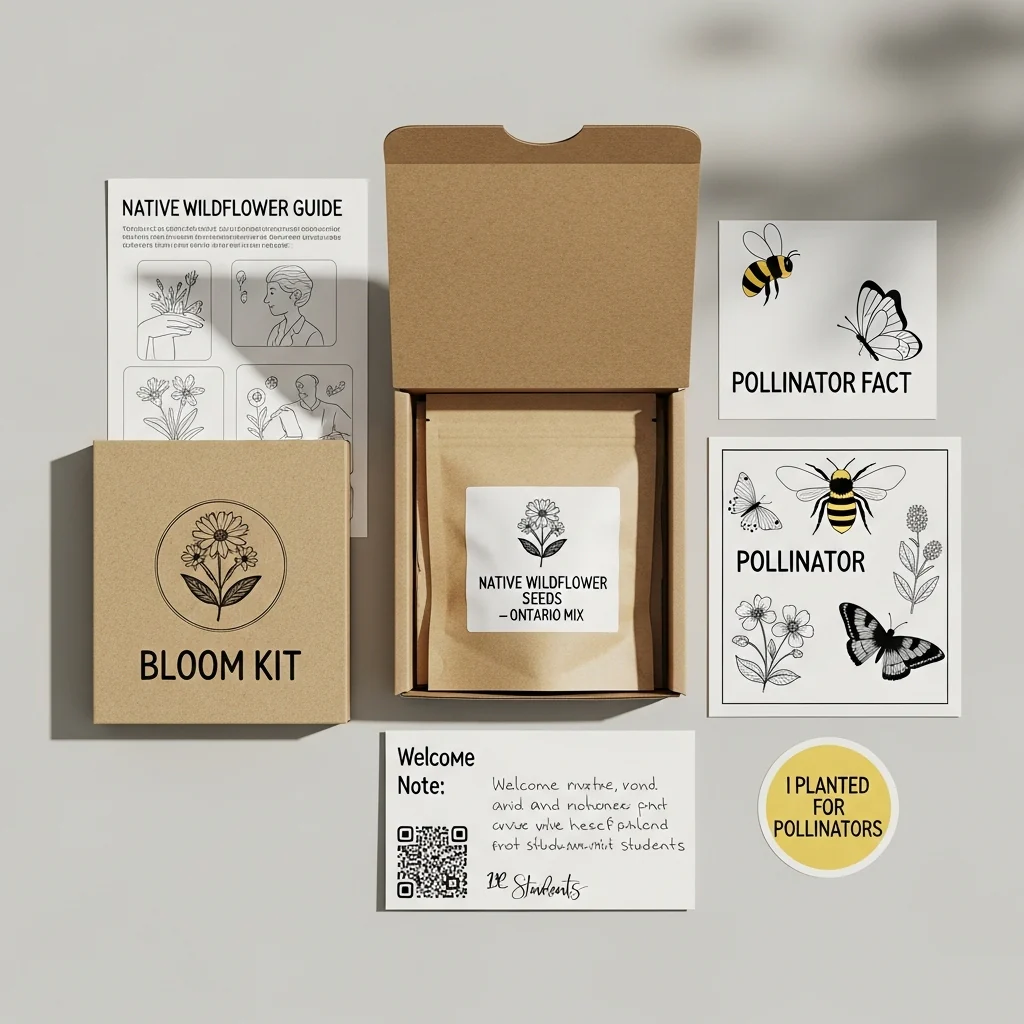
Region-specific seed kits with simple steps that turn awareness into habitat—in backyards, schools, balconies, and shared spaces.
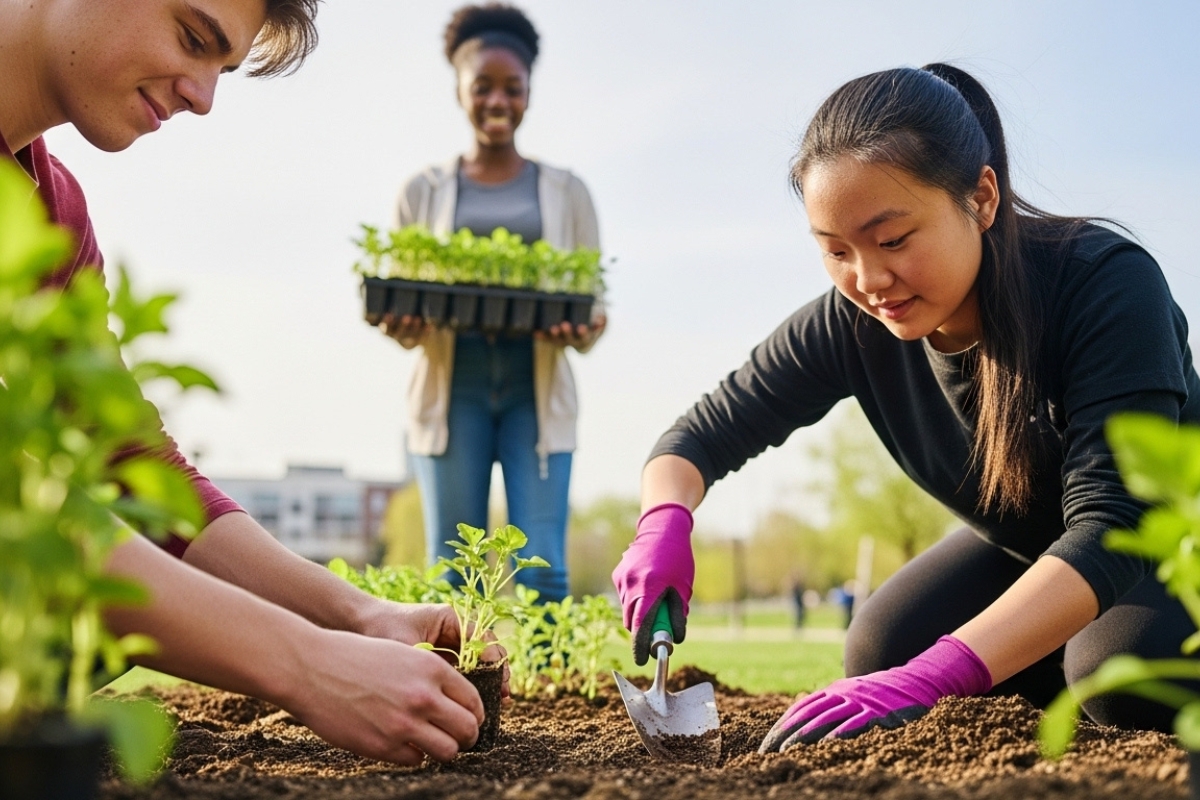
The Bloom Campaign is how individual actions connect into something bigger. Families, classrooms, and communities pledge to plant native habitat and pin their patch on the Bloom Map, turning small gardens into a visible, growing network of connected corridors.
Choose one step or build them into your routine. Every action, no matter how small, helps grow pollinator habitat and strengthens the larger movement.
Step 1
Use native plants, avoid pesticides, and plan blooms across spring, summer, and fall to support pollinators year-round.
Start plantingStep 2
Discover which bees, butterflies, and other pollinators live near you and what plants and habitats they depend on.
Explore the speciesStep 3
Invite neighbors, classrooms, and families to join the effort. Share stories, education and help spread awareness.
Spread the wordStep 4
Sign the pledge, add your garden to the Bloom Map, or plant a Bloom Kit to help build a connected network of habitats.
How to helpEach Bloom Kit includes a carefully selected mix of native flowers chosen for your region, along with simple planting guidance and a seasonal bloom plan.
Every kit planted helps restore pollinator habitat and directly supports student-led restoration projects through A Billion Small Steps, turning individual gardens into a growing network of connected habitat.
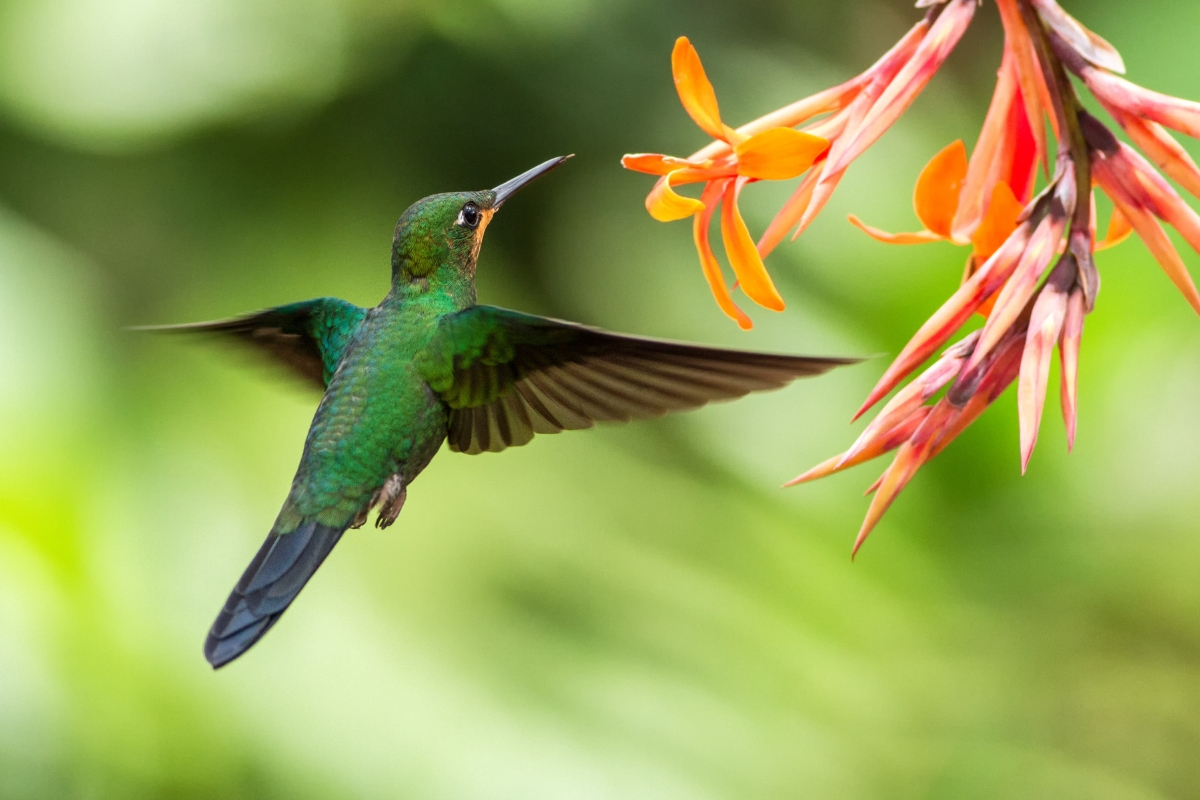
We are a student-led campaign created to educate, inspire, and empower people to protect pollinators. By planting native gardens and sharing what we learn, we turn neighborhood patches into a connected corridor that pollinators can safely move through and recover in.
Meet the teamWe asked ourselves what a hopeful climate project could look like at a school scale. The answer was a living network of gardens we could grow together.
"We wanted a project that turned climate anxiety into action. Planting native gardens felt like something we could do right now, and it scales when more people join."
Student organizer, Metro Prep Academy
"Seeing bees return to our school garden after just one season proved that small steps really can create change."
Garden team volunteer
"Pollinators are a doorway to learning about ecosystems, food, and community responsibility. This campaign makes that learning visible."
Faculty advisor
Discover initiatives that support local communities, environmental stewardship, and student leadership across the region.
Explore all campaigns