
Small actions add up
Small steps become powerful when people act together and keep showing up.
About
A student-led movement from Metro Prep Academy focused on restoring pollinator habitats and empowering communities to act.
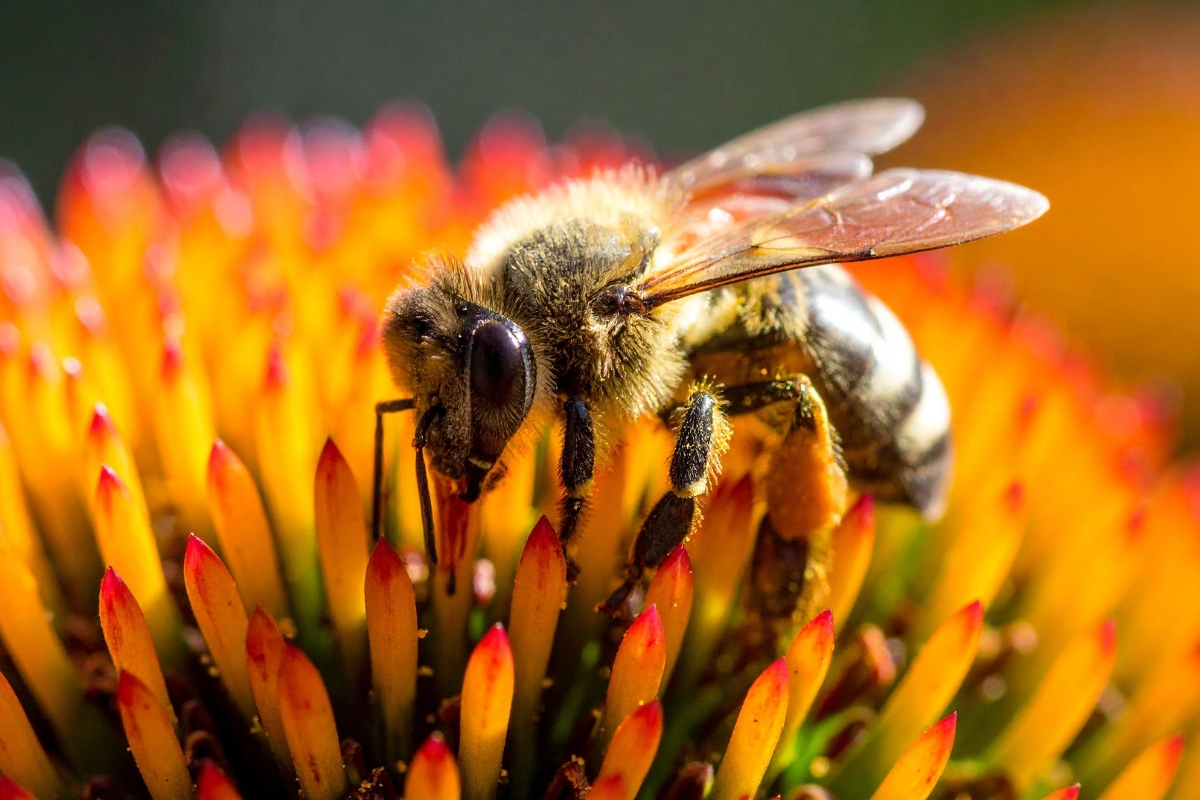
A Billion Small Steps is a student-led movement from Metro Prep Academy focused on restoring pollinator habitats and empowering communities to act.
It is Metro Prep Impact's pollinator habitat movement where small actions, planting pollinator-friendly flowers, avoiding pesticides, and sharing and inviting others add up.
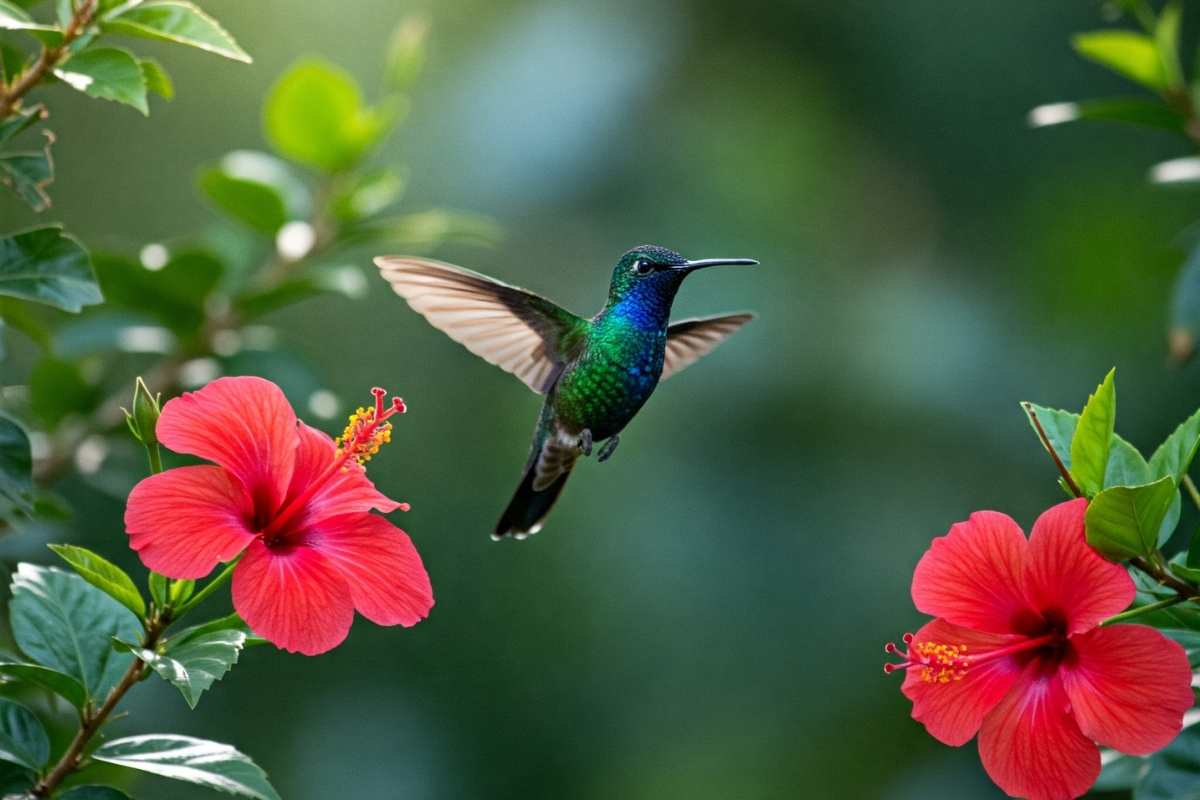
A Billion Small Steps began as a student-led project at Metro Prep Academy to turn climate concern into direct, practical action.
We chose pollinators because they connect everything: food, wildflowers, biodiversity, and the health of local ecosystems. When pollinators decline, many plants struggle to reproduce, and the wildlife that depends on those plants can decline too.
We are building a movement that makes it easy for anyone to help, whether that means planting a single pot of native flowers on a balcony or organizing a school-wide habitat restoration. Each small step helps create a larger network of safe habitat for pollinators to feed, nest, and recover.
Small steps become powerful when people act together and keep showing up.
Native plants are the starting point for healthy ecosystems and thriving pollinators.
Students can lead meaningful environmental change today, not someday.
Protecting pollinators supports biodiversity, strengthens local food systems, and builds ecological resilience.
We focus on practical tools, community learning, and visible habitat action.
Region-specific native seed mixes and planting guidance that support pollinator education, awareness, and conservation.
Clear, science-based guides on pollinators, native plants, and region-based habitat building.
Explore resourcesSchool and community restoration projects led by students and local partners.
See ways to actParticipants can pin their patch, add a photo, and sign the pledge to build a visible habitat network.
Add your patchWe work with conservation organizations, community groups, and local growers to expand impact.
Partner with usOur team is led by Metro Prep Academy students with support from faculty advisors, local gardeners, and conservation educators. Together, we focus on research, outreach, and on-the-ground restoration.
We are actively tracking our impact across three core areas:
Pollinator habitat projects in schoolyards, community gardens, and neighborhoods.
Students, educators, and community members reached through workshops and programs.
Region-specific seed mixes shared across communities to spark action.
We would love to hear from educators, community groups, and local partners who want to host workshops or start a pollinator habitat.
Contact the team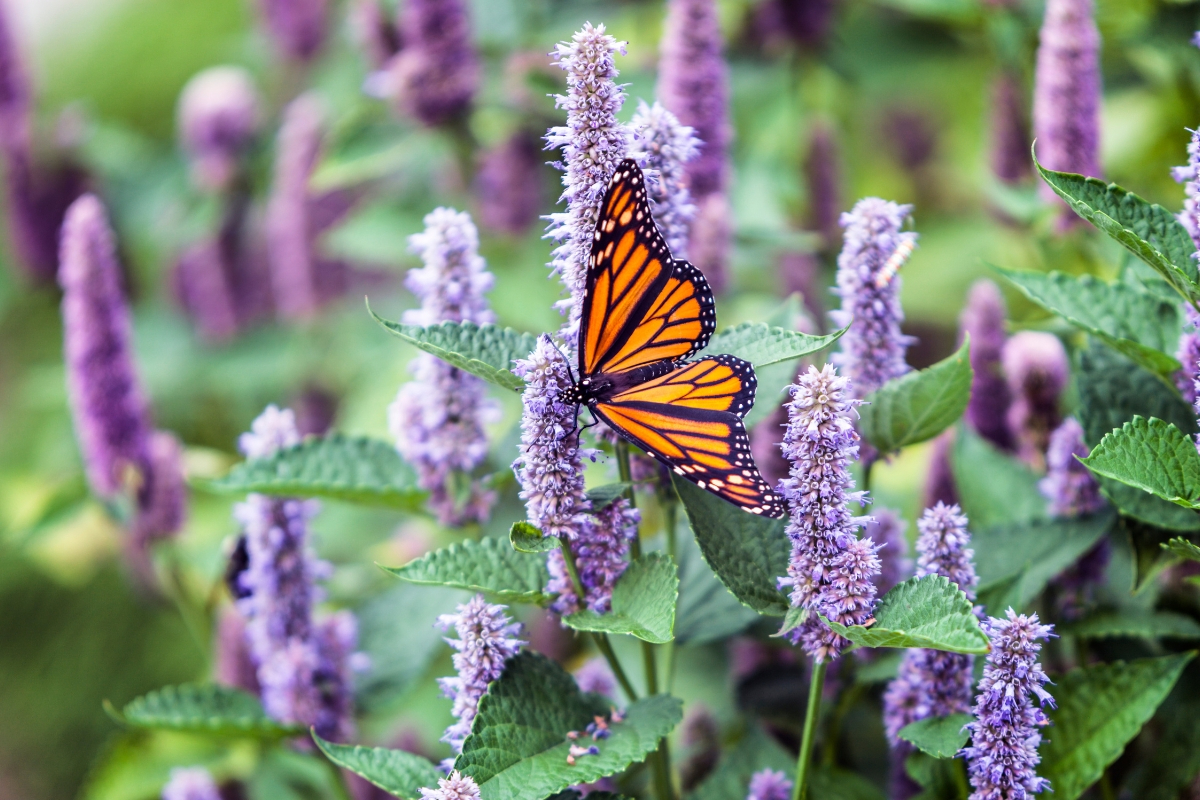
Plant a patch. Avoid pesticides. Share and invite others. Every balcony, garden, schoolyard, and park strip can become part of a connected habitat.
Skip insect sprays and systemic products, especially near anything in bloom.
Safer choicesAdd your patch to the Bloom Map and invite one person to plant too.
Join the movementFind native plants, bloom calendars, and garden layouts tailored to your region.
Explore regional guidesSearch plants by region, bloom season, sunlight, and pollinator type.
Browse the plant databaseIdentify local pollinators and learn how to support them year-round.
Meet the pollinators