Skip to content

Education hub

What are Pollinators?

Pollinators are animals that help plants reproduce by moving pollen between flowers. They sustain wild ecosystems, food crops, and biodiversity.

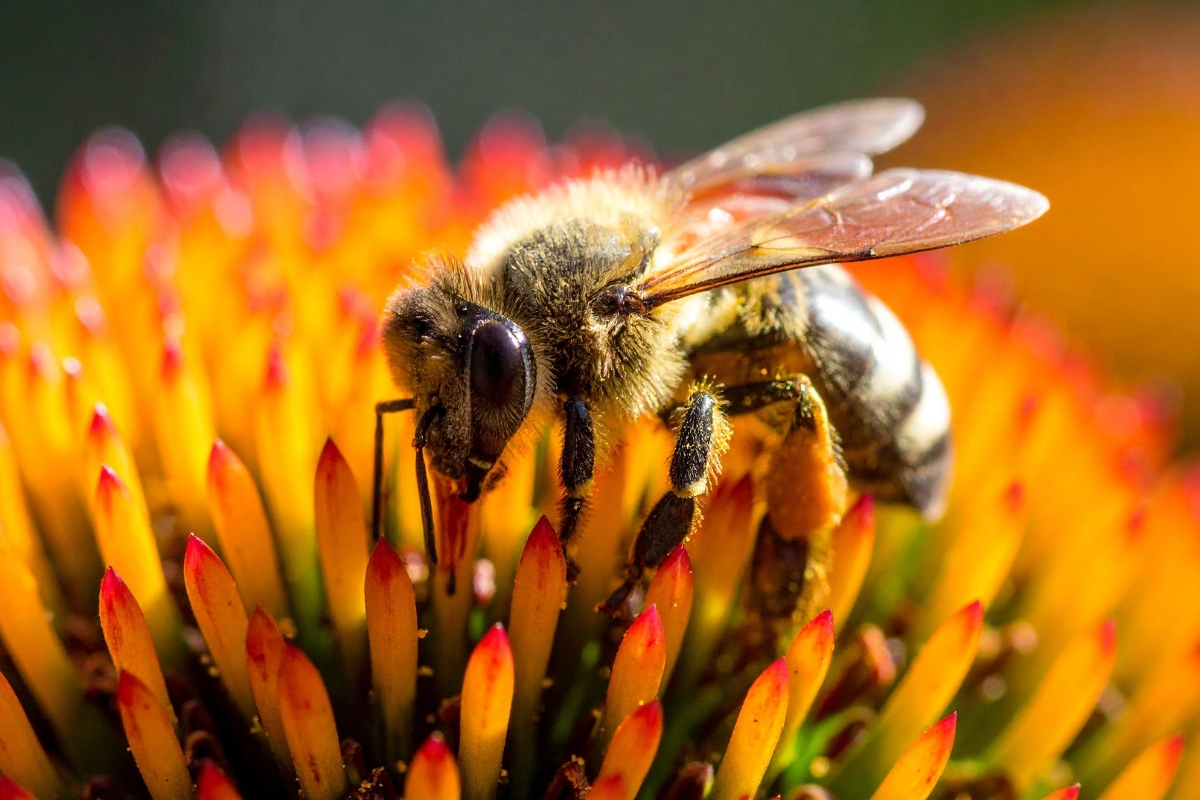
Pollinator on a flower

Pollinators in a nutshell

Pollinators are animals that help plants reproduce. As they visit flowers for nectar (a sugary fuel) or pollen (a protein-rich food for many insects), they can move pollen from one flower to another. This pollen transfer helps plants produce seeds and fruit. Without pollinators, many wild plants would struggle to survive, and a lot of the foods we eat would become harder to grow.

Quick definition
Pollination is the transfer of pollen to the part of a flower that can receive it (the stigma). It can happen by wind or water, but this page focuses on animal pollinators because they support wild ecosystems and many of the food crops we eat.
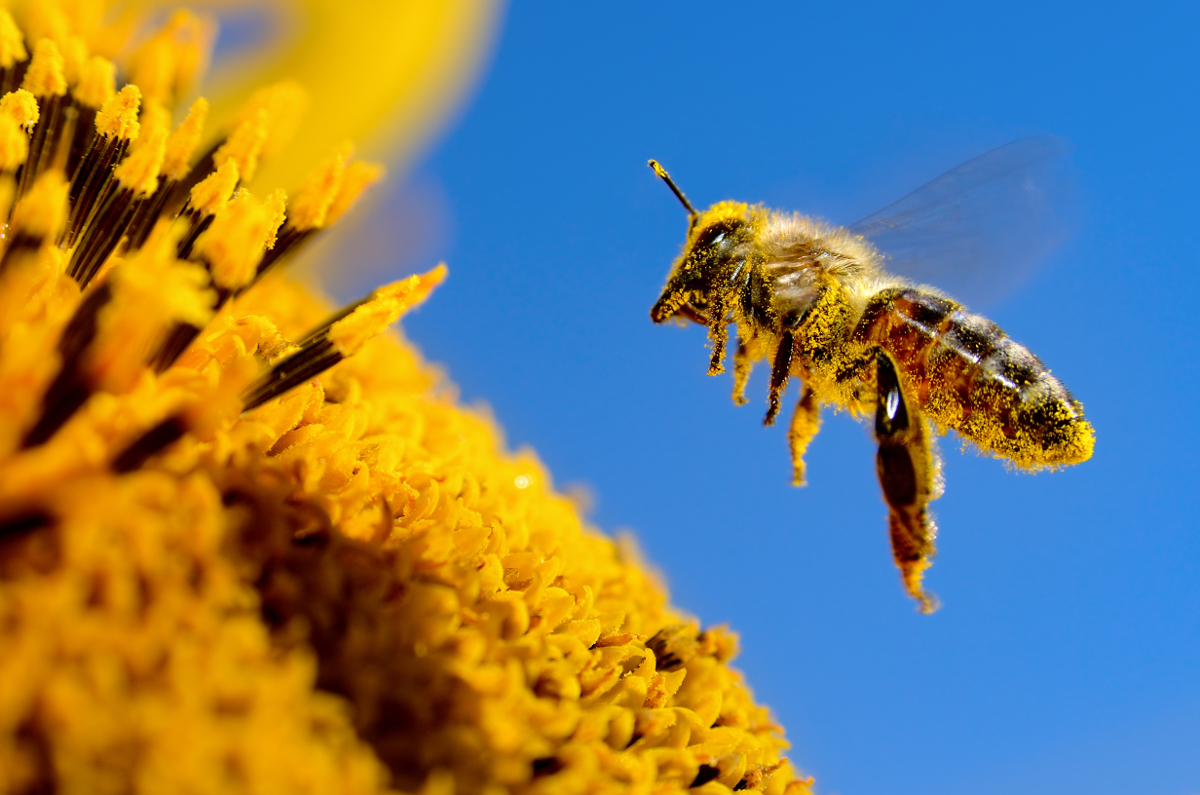
Pollinator on a flower

What is pollination?

Pollination is the process of moving pollen to the part of a flower that can receive it (the stigma). Pollination can happen in different ways (by animals, wind, or water), but this site focuses on animal pollinators because they support wild ecosystems and essential food crops.

How it works

  1. Flowers offer nectar and pollen to attract visitors.
  2. When a pollinator lands on a flower, pollen can stick to its body.
  3. When it visits another flower of the same kind, some pollen can rub off onto the stigma.
  4. If the pollen is compatible, the plant can form seeds, and in many plants, the flower develops into fruit.
Who are pollinators?

Most pollination is done by insects, but pollinators can include other animals too. The main pollinator groups you will see in North America are:

Bees

Bumble bees, mason bees, leafcutter bees, sweat bees, and many other native bee groups. Honey bees are pollinators too, but they are typically managed by people.

Butterflies and moths

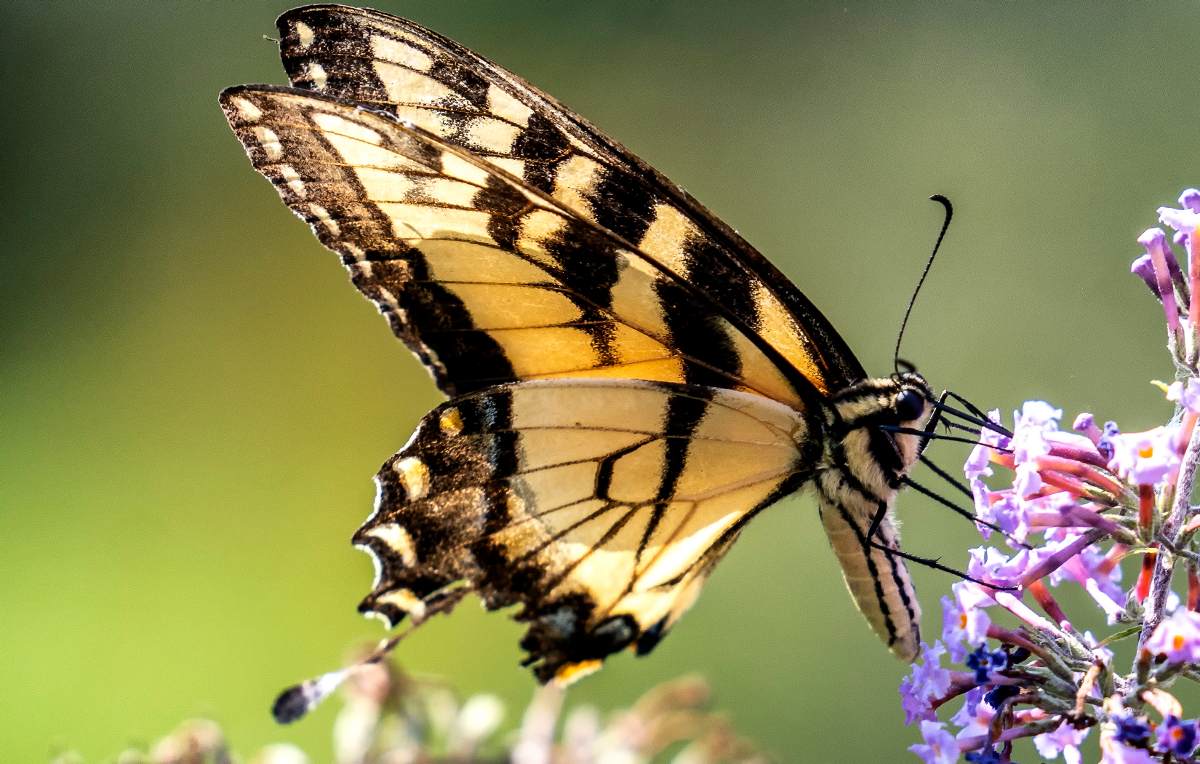
Butterflies pollinate by day. Many moths work at dusk or at night. They need host plants (the plants their caterpillars eat), not just nectar flowers.

Flies

Flower flies (hoverflies) can look like tiny bees and are excellent pollinators. Many also help gardens because their larvae eat pests like aphids.

Wasps

Many wasps visit flowers for nectar and help ecosystems by hunting pest insects.

Beetles

Beetles can pollinate as they crawl through flowers while feeding. They are an often-overlooked part of the pollinator community.

Birds and bats

In some regions, certain birds and bats pollinate flowers, especially plants with tubular blooms or night-blooming flowers.

What kinds of plants need pollinators?

Not every plant relies on animal pollinators. Some plants are wind-pollinated or self-pollinated. But animal pollination is essential for many wild plants and many food crops that people grow.

Wild plants

Wildflowers, shrubs, and trees often rely on pollination to produce seeds. Those plants support insects, birds, and mammals, stabilize soils and shorelines, and build habitats that keep ecosystems healthy.

Food plants

Many fruits, berries, vegetables, and seed crops depend on pollination. Examples include apples, cherries, plums, blueberries, raspberries, strawberries, squash, pumpkins, cucumbers, and melons.

Why pollinators matter so much

Pollinators are not a nice-to-have. They are part of how nature works.

They keep ecosystems alive

Pollinators help wild plants reproduce. Wild plants stabilize soils, protect water systems, feed insects, birds, and mammals, and build habitats that keep biodiversity strong.

They support food security

When pollinators are healthy, farms and gardens are more reliable. That matters for families, communities, and local food systems.

They protect biodiversity

Many pollinators visit many different flowers. That network creates resilience when one part of the system is stressed.

They help the next generation

Pollination is how plants make seeds, and seeds are how landscapes renew.

What is at stake if pollinators decline?

When pollinators lose habitat, lose food sources, or are harmed by pesticides and other pressures, plants can fail to reproduce as effectively. Over time, that can lead to:

  • fewer wildflowers and fewer seeds
  • weaker habitats for birds and wildlife
  • less resilient gardens and food systems
  • landscapes that look "green" but are biologically quiet (few flowers, fewer insects, fewer birds)

The good news is that pollinator recovery is one of the clearest places where small actions multiplied make a real difference.

Pollinator habitat at risk

The basics of pollinator habitat

Pollinators need three basics:

Food

Flowers that bloom across the whole season (early → mid → late).

Shelter and nesting

Soil patches, stems, natural debris, cavities, and safe places to overwinter.

Safety

Avoid pesticides, especially insect sprays and systemic products that can affect nectar and pollen.

Where Metro Prep fits in

Metro Prep's Impact Program is student-led learning turned into real-world action, and A Billion Small Steps is Metro Prep Impact's pollinator habitat movement where small actions -- planting pollinator-friendly flowers, avoiding pesticides, and sharing & inviting others -- add up.

Alongside habitat action, we also educate, raise awareness, and fundraise to support pollinator protection, so the movement grows through what we plant, what we teach, and what we help resource.

Metro Prep Impact students in the garden

What to do next

Three simple steps make a real difference:

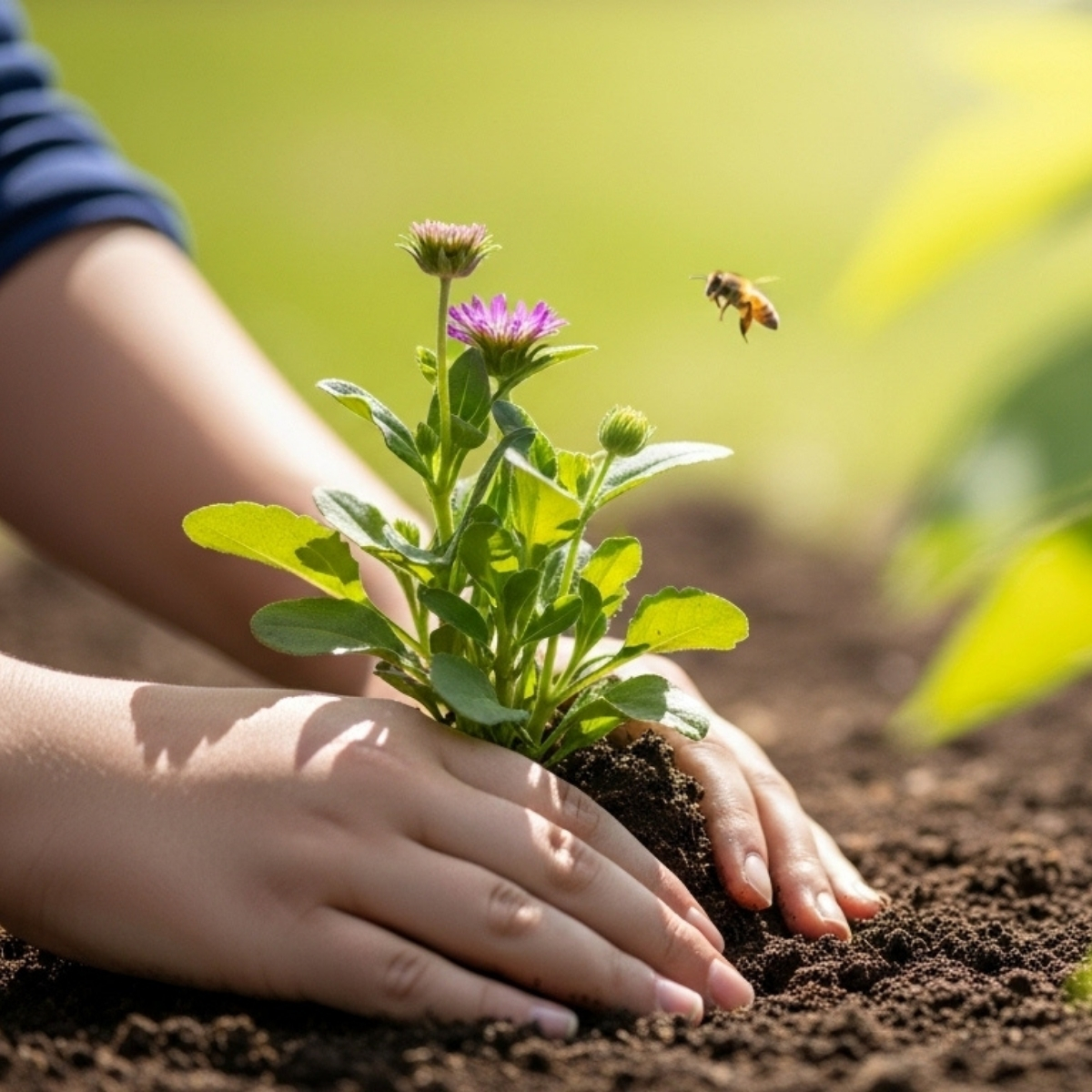
Plant pollinator-friendly flowers

Choose native, region-matched plants that bloom from spring through fall. The Bloom Kit is Metro Prep’s charity fundraiser, offering region-specific native seed mixes that support pollinator education, awareness, and conservation.

Avoid pesticides

Skip insect sprays and systemic products, especially on or near anything in bloom.

Share & invite others

Pin your patch on the Bloom Map (add a photo and sign the pledge) to help build a visible, North America-wide habitat network. Invite one person to plant too.

Every balcony, garden, schoolyard, and park strip can become part of a connected habitat. Together, many small steps become a movement, and make a real difference.

Keep exploring

Pollinator species directory

Identify local pollinators and learn how to support them year-round.

Meet the pollinators

Bloom Kits

Order a region-specific native seed kit and start planting right away.

Shop Bloom Kits