

What they do
Provide showy summer flowers and nectar that can help support a range of pollinators.
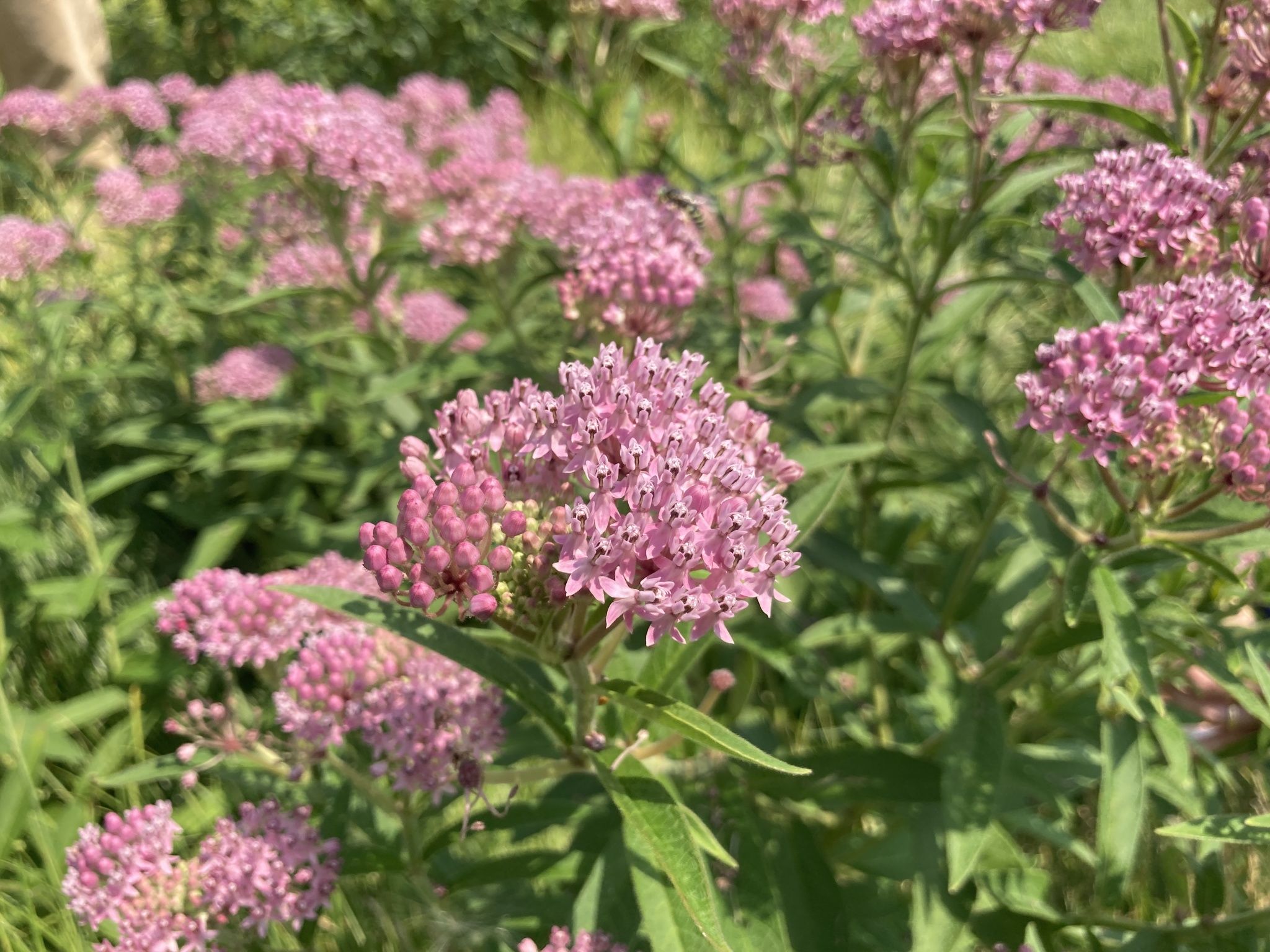
Genus Asclepias (wetland spp.)
Wetland milkweeds are nectar-rich native flowers that thrive in moist ground and help support pollinators, including butterflies, in rain gardens, pond edges, and other damp spots.
Plant Type
Aquatic & wetland plants > Milkweed relatives in wetlands
Aliases
Swamp milkweed
Native Range
Native to parts of North America; choose locally native wetland milkweed species where you live.
Bloom window
Summer
OVERVIEW
Wetland milkweeds (genus Asclepias) are a smart pick for places that stay damp—areas where many garden plants struggle. In the right spot, they can be low-fuss perennials with bold summer flower clusters that bring steady pollinator visits.
If you’re building a rain garden, think of wetland milkweeds as a “middle layer” plant: tall enough to be seen, sturdy enough to hold its own, and showy enough to make the space feel intentional. Planting a few together often looks better than a single plant and can make the blooms easier for pollinators to find.
To get the best results, match the plant to the moisture. These are not drought plants—consistent moisture is the difference between a thriving clump and a stressed one. Once established in a naturally moist area, maintenance is mostly weeding early on and cutting back old stems when new growth returns.
FAST FACTS
Essential stats and requirements for quick reference.
| Category | Details |
|---|---|
| Also known as | Swamp milkweed |
| Bloom window | Summer |
| Typical height | Medium-tall, depending on species and site |
| Pollinators supported | Bees, Butterflies |
| Light & moisture | Sun to part sun; consistently moist soil |
| Best roles for pollinators | Rain gardens, pond edges, damp low spots, and pollinator-friendly plantings where soil stays moist. |
SUMMARY
A quick scan of what they do, what they need, and the best first step.
Provide showy summer flowers and nectar that can help support a range of pollinators.
Moist soil and a bright site, with room to grow and minimal disturbance.
Place them where the ground stays evenly damp (like a rain garden) and skip pesticides.
IMPACT
Key Impacts
RECOGNITION
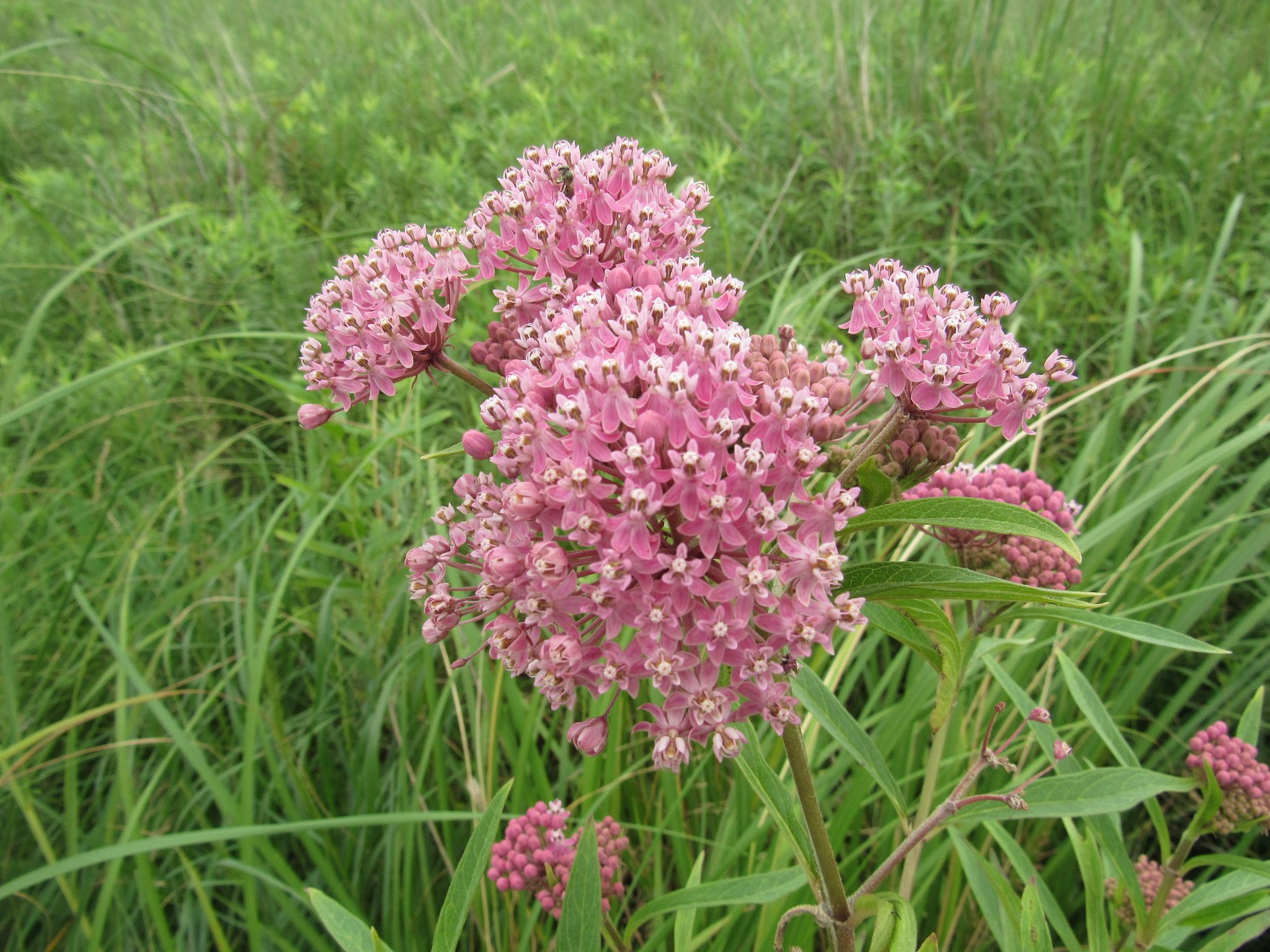
Usually long and simple, often arranged opposite each other; leaves can be smooth-edged and may feel slightly thick.
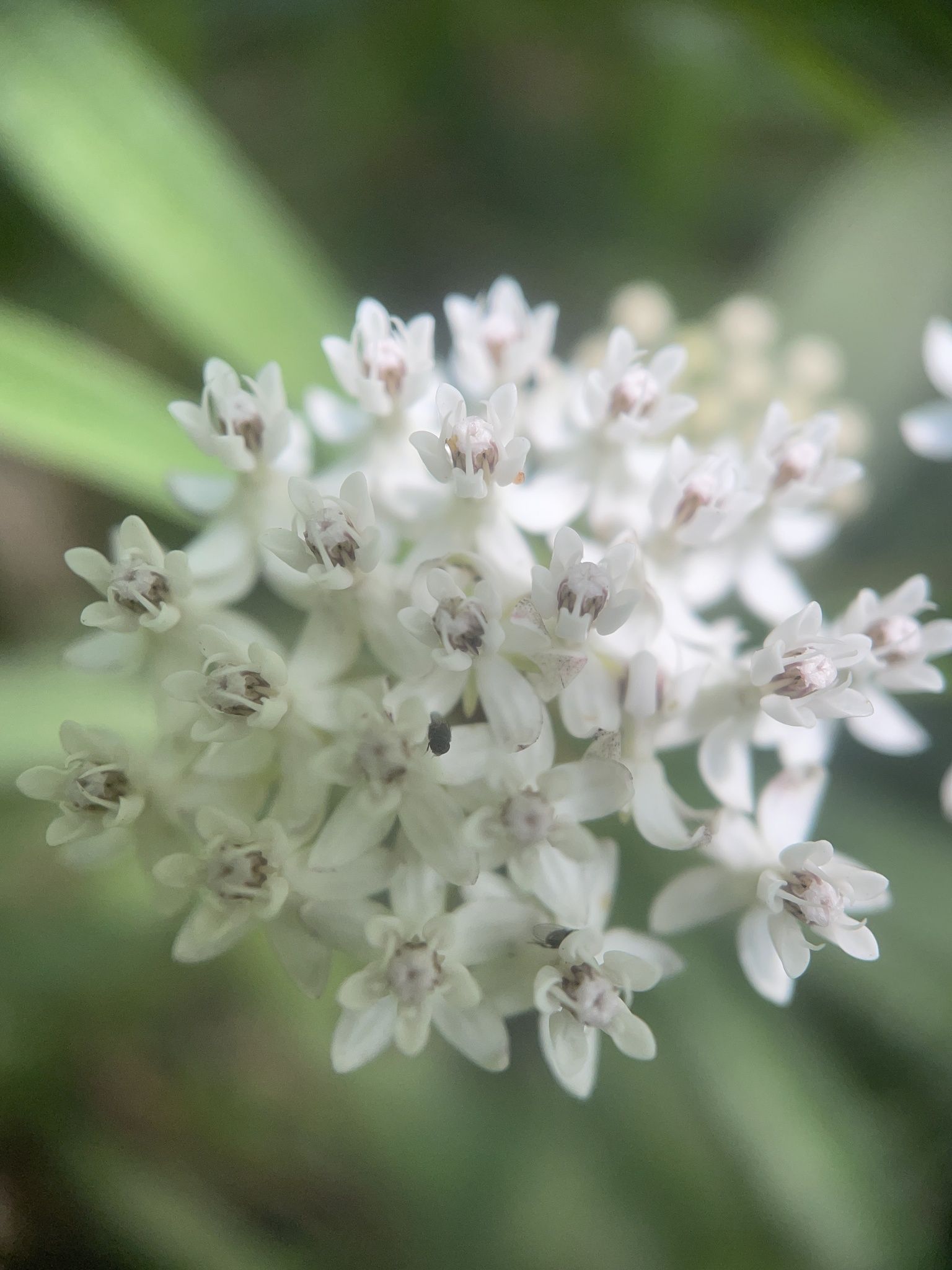
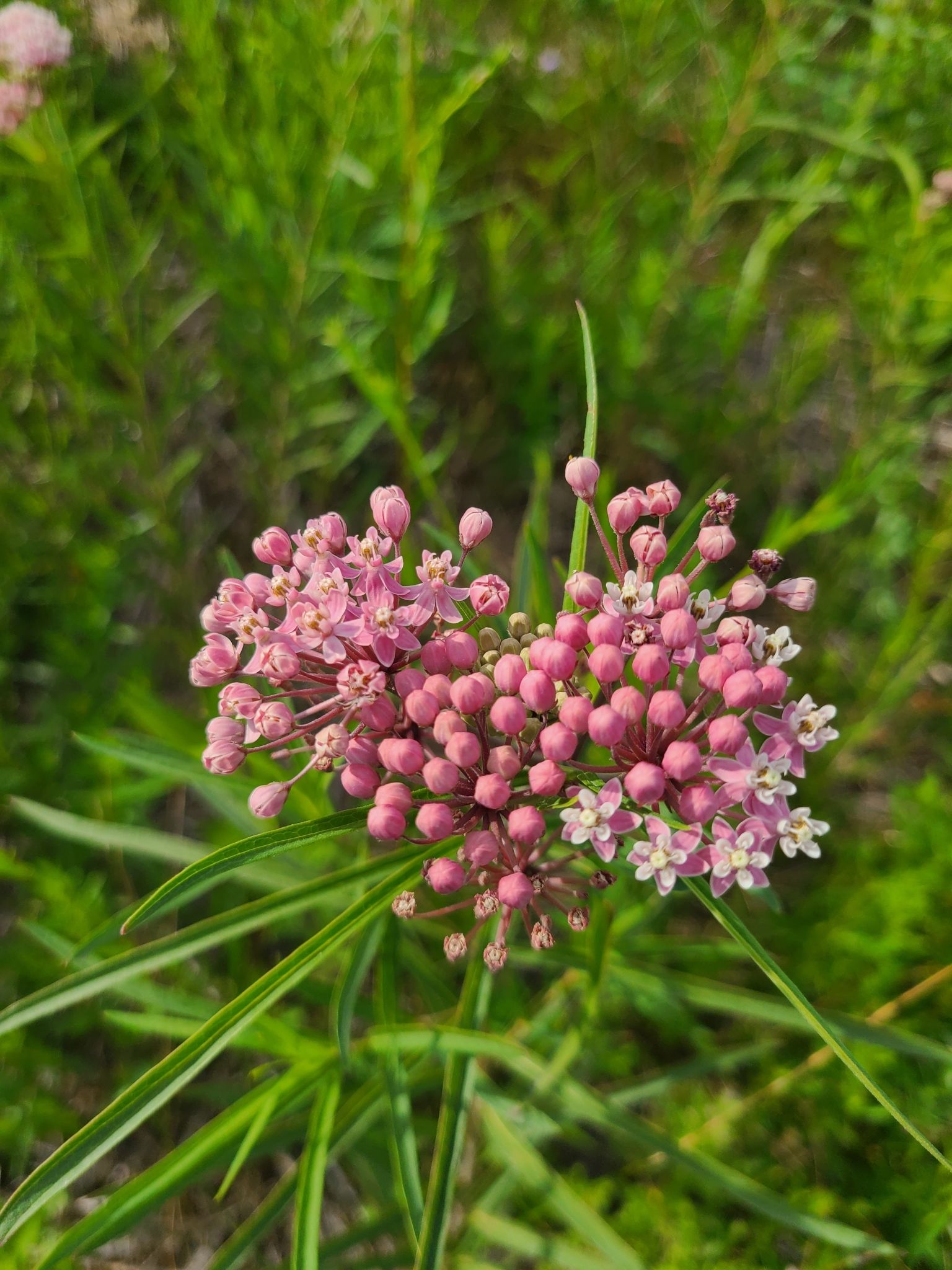
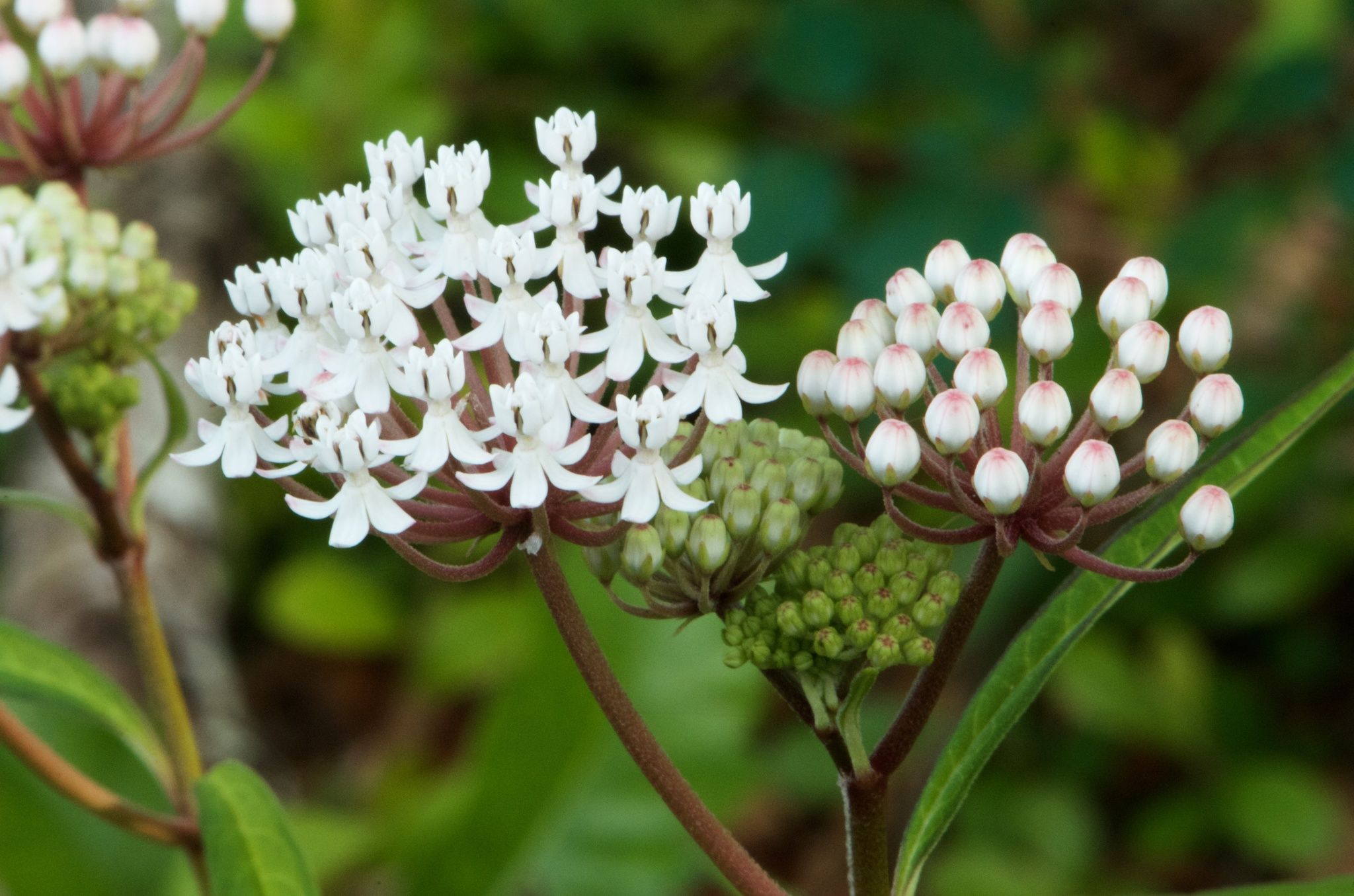
Rounded clusters of many small flowers; colors vary by species but are often pink to mauve in wetland types.
Elongated pods that may split open later to release silky-tufted seeds.
LOCATION
Native environments and the best spots to place it in your landscape.
SEASONALITY
Notes on bloom windows and how this plant helps pollinators across the seasons.
Wetland milkweeds typically shine in the heart of the growing season.
Bloom Season Role: Mid-season nectar and color in moist areas
REQUIREMENTS
The right mix of sun, soil, and space for healthy growth.
Best in full sun; can handle part sun, especially where soil stays moist.
Moist, organic-rich soils are ideal; tolerates heavier soils if not constantly compacted.
Keep evenly moist while establishing; after that, they do best where moisture is naturally reliable.
Plant in spring or early fall. Give each plant space and consider planting in small groups for a fuller look.
Use a light layer of natural mulch to reduce weeds and hold moisture, keeping mulch off the crown.
GARDENING GUIDE
Simple steps to plant, prune, and maintain healthy trees without pesticides.
Pairings
Pairing ideas to keep pollinators fed throughout the growing season.
GLOSSARY
Glossary terms are being added.
What You Can Do
Turn this knowledge into action. Whether you plant a single pot or a whole garden, you are building a vital bridge for local biodiversity.
Join the movement to restore our shared habitats.