
What they do
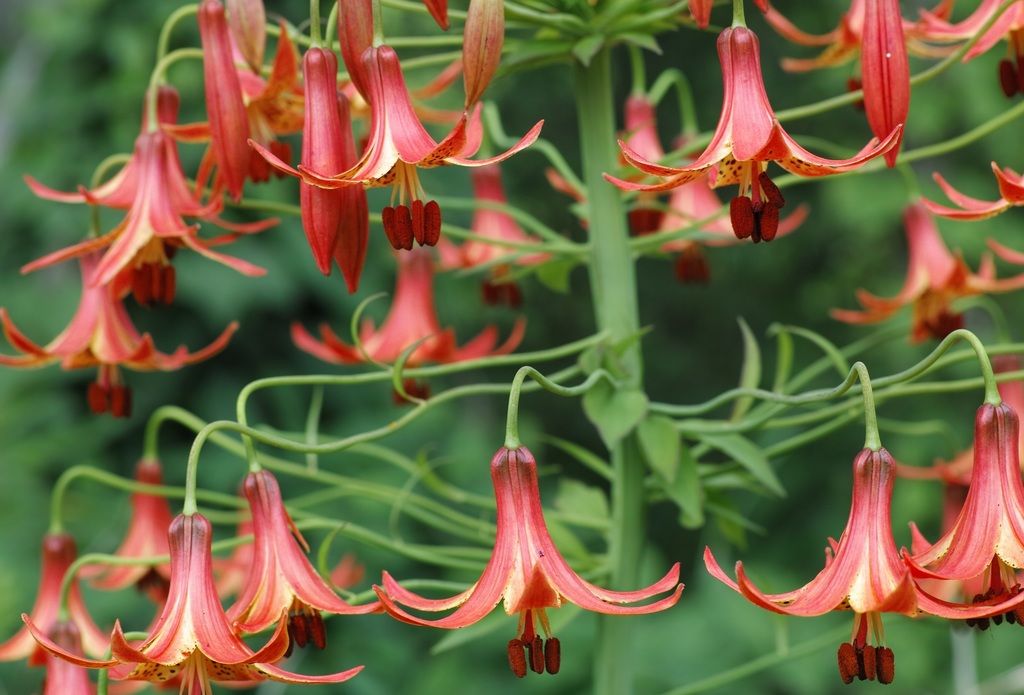
Native lilies provide showy blooms that can offer nectar and pollen to visiting insects.
Multiple genera (region-dependent)
Native lilies are showy, nectar- and pollen-rich wildflowers that can add bold color to gardens while supporting a variety of pollinators. Because “native lily” can mean different species depending on where you live, focus on locally native options and give them the right light, drainage, and space.
Plant Type
Bulbs & geophytes > Lilies
Aliases
Lily
Native Range
Region-dependent; choose species native to your local area
Bloom window
Typically summer, depending on the species and your region
OVERVIEW
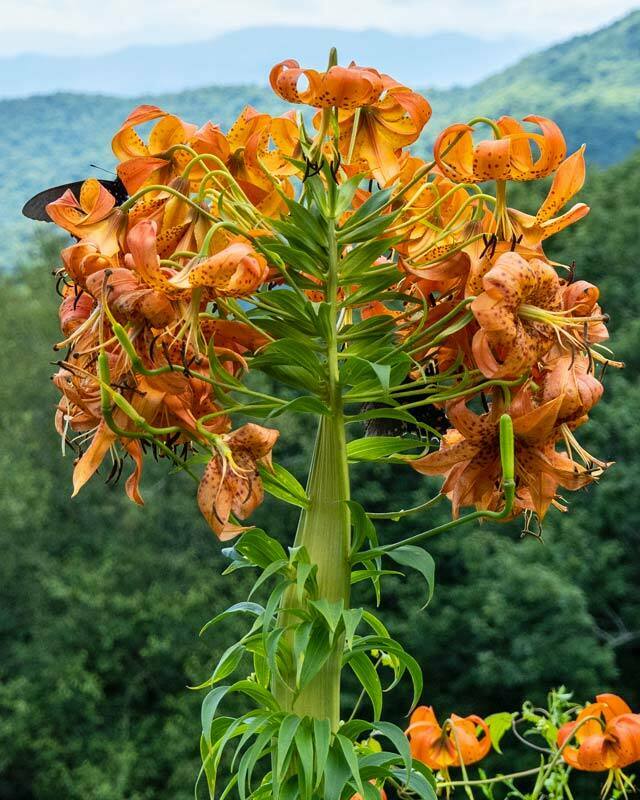
Native lilies (multiple genera) are visually striking perennials that provide essential mid-layer height and bold color, making a garden space feel intentional. Their upright structure helps define planting zones and adds vertical interest throughout the growing season.
These showy, often trumpet-shaped or recurved flowers are rich in nectar and pollen, serving as a critical forage resource for a variety of local pollinators, including butterflies, hawk moths, and native long-tongued bees. To maximize their benefit, plant lilies in groups in a spot that meets their light and drainage needs for reliable, recurring blooms.
FAST FACTS
Essential stats and requirements for quick reference.
| Category | Details |
|---|---|
| Also known as | Lily |
| Bloom window | Typically summer, depending on the species and your region |
| Typical height | Varies widely by species; from medium to tall |
| Pollinators supported | Bees, Butterflies, Moths |
| Light & moisture | Match the species: many prefer sun to part sun and evenly moist but well-drained soil. |
| Best roles for pollinators | Gardeners who want a bold native flower for sunny to lightly shaded beds, and who can provide good drainage and a “hands-off” approach once established. |
SUMMARY
A quick scan of what they do, what they need, and the best first step.
Native lilies provide showy blooms that can offer nectar and pollen to visiting insects.
The right species for your area, good drainage, and a spot with the light and moisture it prefers.
Choose a locally native lily from a reputable source and plant it where water won’t sit around the bulb.
IMPACT
Key Impacts
RECOGNITION
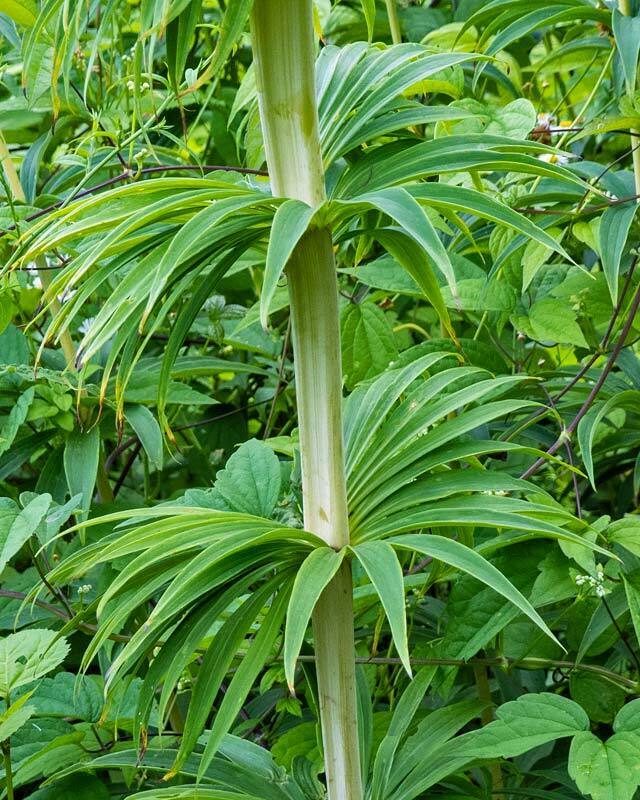
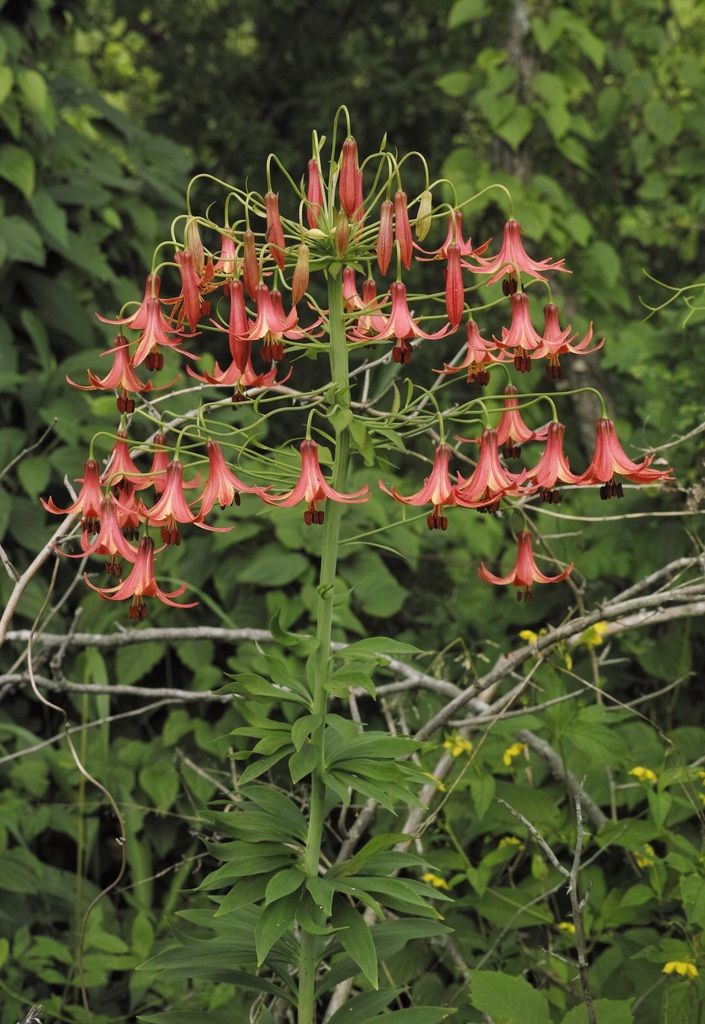
Usually narrow to lance-shaped leaves; may be arranged along the stem or in whorls depending on the species.
Large, showy blooms with 6 petal-like parts and prominent stamens; colors and spotting vary by species.
After flowering, many form seed capsules that mature and dry later in the season.
LOCATION
Native environments and the best spots to place it in your landscape.
SEASONALITY
Notes on bloom windows and how this plant helps pollinators across the seasons.
Bloom timing depends on which native lily you choose and local conditions.
Bloom Season Role: A standout mid-to-late season bloom that can act as a focal point.
REQUIREMENTS
The right mix of sun, soil, and space for healthy growth.
Many native lilies do well in sun to part shade; match the species to your site.
Well-drained soil is key; avoid spots where water pools. Some species prefer richer soil, others tolerate leaner ground.
Water to establish, then aim for steady moisture without waterlogging. Let the soil surface dry slightly between waterings if drainage is slow.
Plant bulbs or nursery-grown plants at the recommended depth for the species. Give them space and avoid frequent disturbance.
Use a light layer of leaf mulch or shredded bark to reduce weeds and protect soil moisture; keep mulch from smothering the crown.
GARDENING GUIDE
Simple steps to plant, prune, and maintain healthy trees without pesticides.
Pairings
Pairing ideas to keep pollinators fed throughout the growing season.
GLOSSARY
Glossary terms are being added.
What You Can Do
Turn this knowledge into action. Whether you plant a single pot or a whole garden, you are building a vital bridge for local biodiversity.
Join the movement to restore our shared habitats.