
What they do
Agaves bring year-round structure, and their blooms can offer a burst of food for pollinators when they appear.
Genus Agave
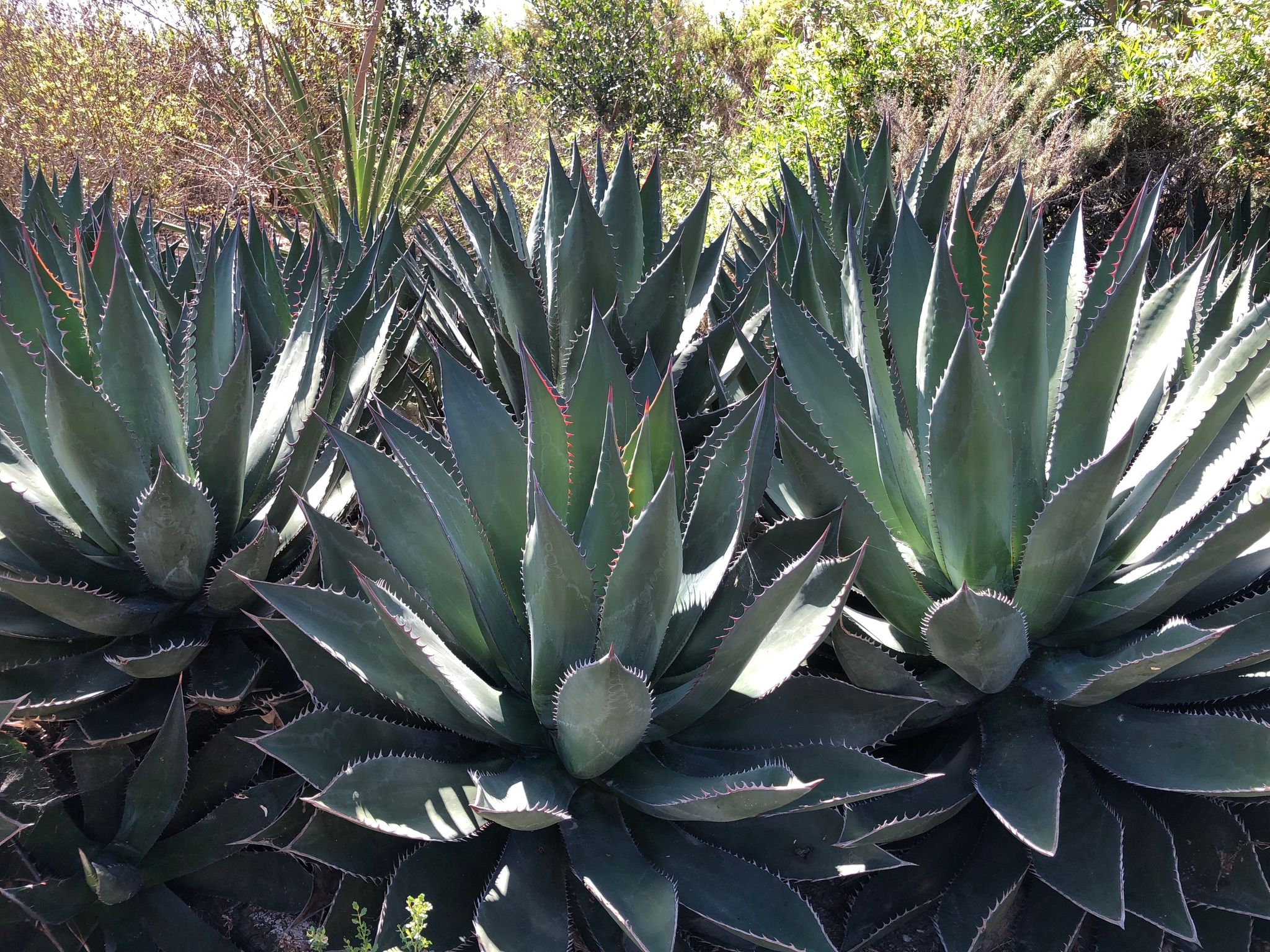
Agaves are bold, sculptural succulents that store water in thick leaves and thrive in bright, dry spots. Their flowers can be a big seasonal draw for pollinators when plants are mature and in bloom.
Plant Type
Cacti & succulents > Agaves
Aliases
Agave
Native Range
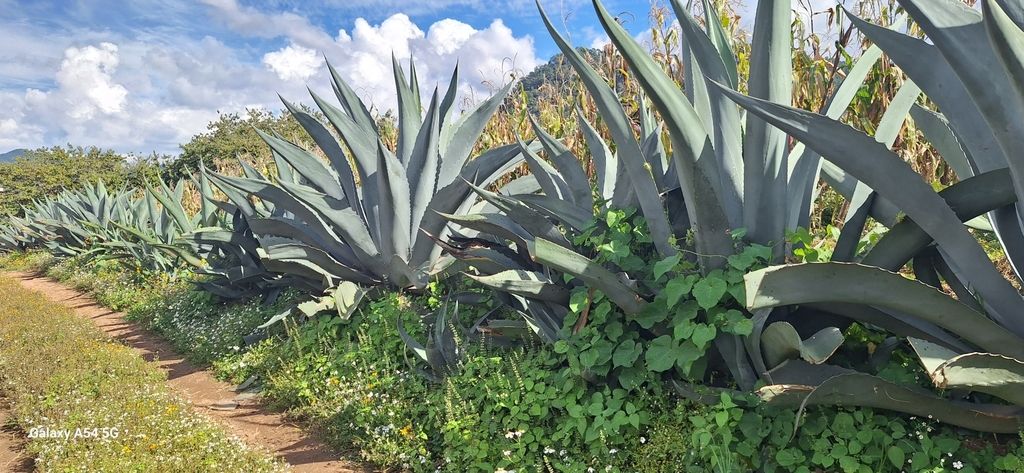
Primarily the Americas; many species are native to Mexico and the southwestern regions of North America
Bloom window
Varies by species; mature plants may bloom after several years
OVERVIEW
Agaves (Genus Agave) are bold, sculptural succulents that provide year-round architectural structure in arid and semi-arid pollinator habitats. Their rosette form and thick, water-storing leaves are a functional adaptation to bright, dry conditions, making them a foundational component of low-water landscaping.
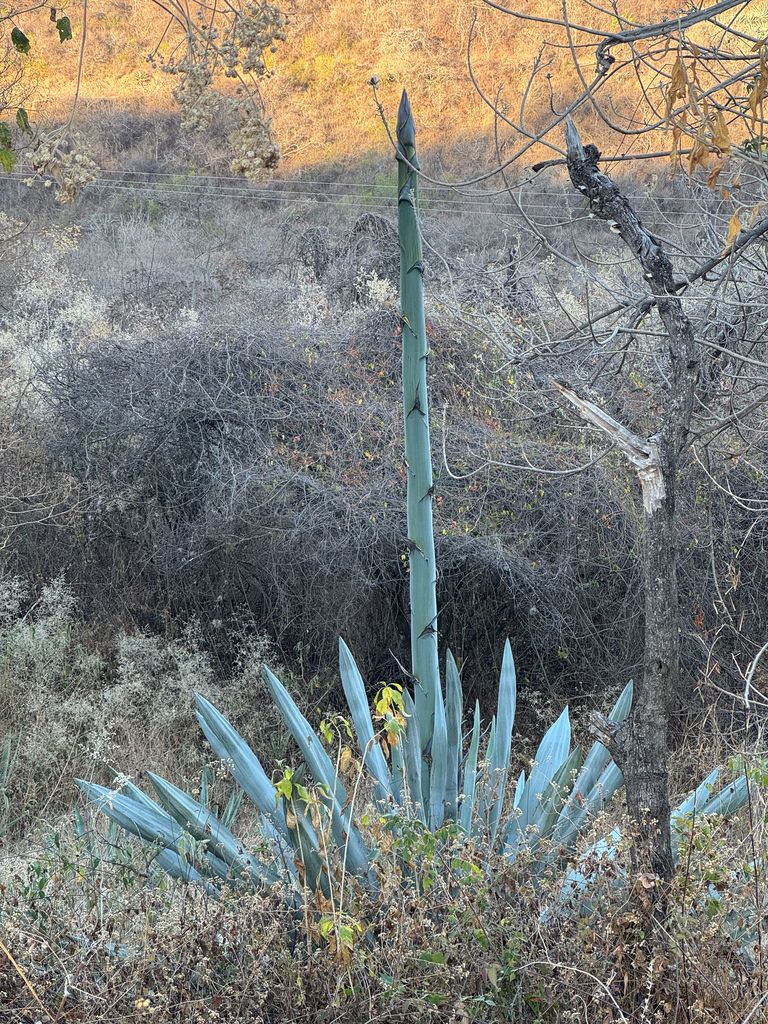
While agaves may take years to bloom, the towering flower stalks they eventually produce offer a significant seasonal food source. These nectar-rich flowers are specifically valuable, attracting a mix of pollinators including insects, hummingbirds, and nectar-eating bats, depending on the species. The plants also support local insect life, serving as food plants for the larvae of certain butterflies and moths.
FAST FACTS
Essential stats and requirements for quick reference.
| Category | Details |
|---|---|
| Also known as | Agave |
| Bloom window | Varies by species; mature plants may bloom after several years |
| Typical height | Varies widely by species; rosettes can be compact or large, and flower stalks can be much taller |
| Pollinators supported | Bees, Butterflies, Moths |
| Light & moisture | Bright light and dry to medium-dry soil with excellent drainage |
| Best roles for pollinators | Sunny, low-water gardens and containers where you want a bold, architectural plant |
SUMMARY
A quick scan of what they do, what they need, and the best first step.
Agaves bring year-round structure, and their blooms can offer a burst of food for pollinators when they appear.
Lots of light, fast-draining soil, and a watering routine that lets the soil dry between drinks.
Prioritize drainage—choose a gritty mix and a pot or site where water never pools.
IMPACT
Key Impacts
RECOGNITION
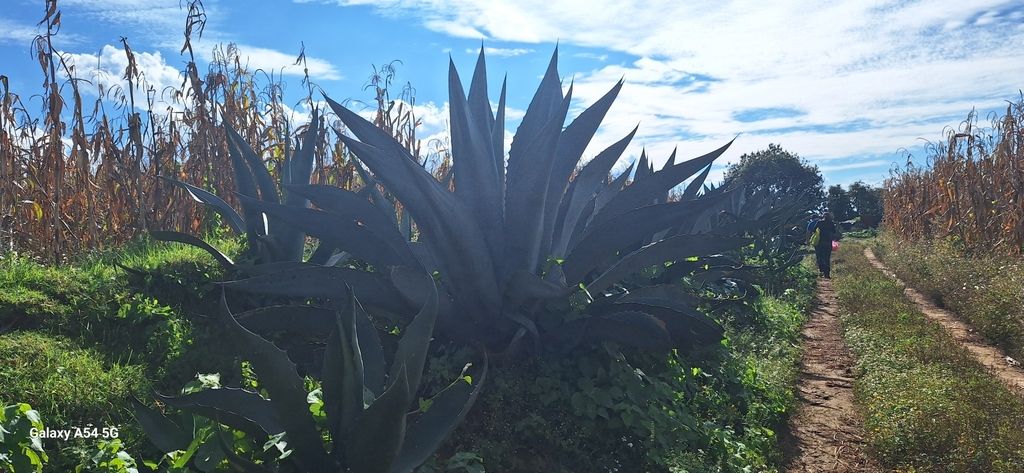
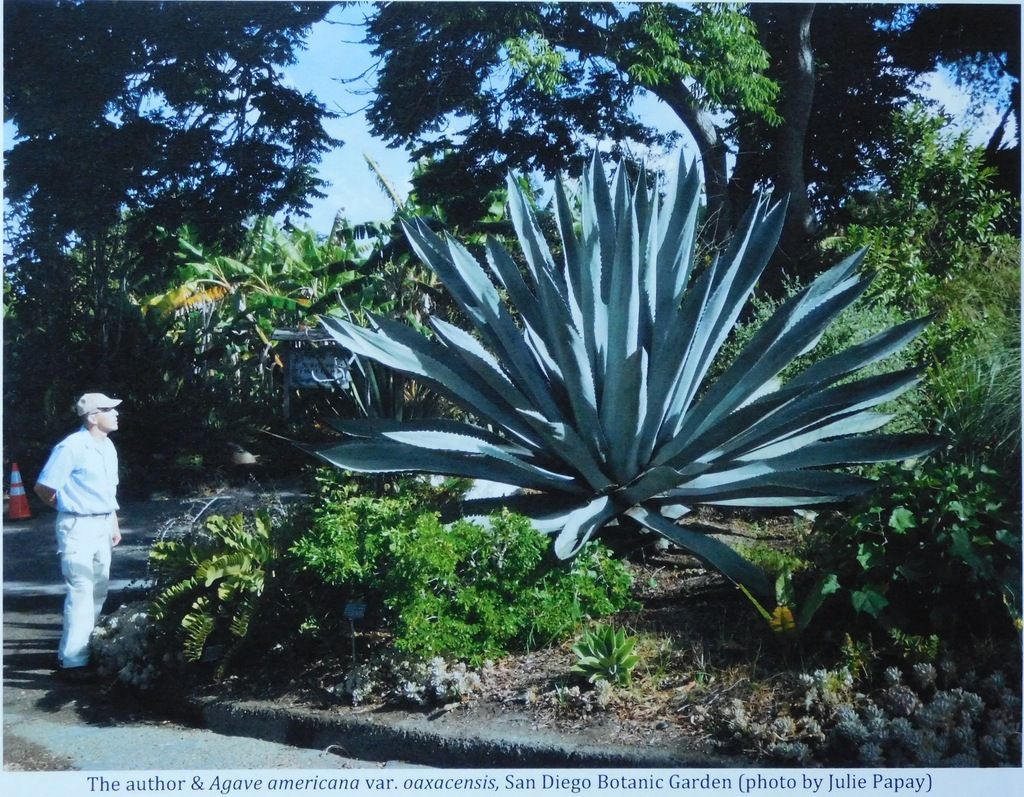
Thick, fleshy leaves arranged in a rosette; often with a pointed tip and sometimes toothed edges.
Clusters of flowers on a tall stalk on mature plants; color and shape vary by species.
Seed capsules may form after flowering, depending on the type and conditions.
LOCATION
Native environments and the best spots to place it in your landscape.
SEASONALITY
Notes on bloom windows and how this plant helps pollinators across the seasons.
Agave bloom timing depends on the species and the plant’s age.
Bloom Season Role: Occasional, high-impact bloom on mature plants
REQUIREMENTS
The right mix of sun, soil, and space for healthy growth.
Give as much sun as you can; brighter light helps keep plants compact and sturdy.
Fast-draining soil is essential; use a gritty, sandy, or cactus-style mix rather than heavy garden soil.
Water deeply, then let the soil dry out before watering again; reduce watering during cooler, darker periods.
Plant with the crown slightly above the soil line to reduce rot risk; leave space from paths and play areas because leaves can be sharp.
Use gravel or small stone mulch to keep the base dry; avoid thick, moisture-holding mulches piled against the plant.
GARDENING GUIDE
Simple steps to plant, prune, and maintain healthy trees without pesticides.
Pairings
Pairing ideas to keep pollinators fed throughout the growing season.
GLOSSARY
Glossary terms are being added.
What You Can Do
Turn this knowledge into action. Whether you plant a single pot or a whole garden, you are building a vital bridge for local biodiversity.
Join the movement to restore our shared habitats.
Pollinators supported
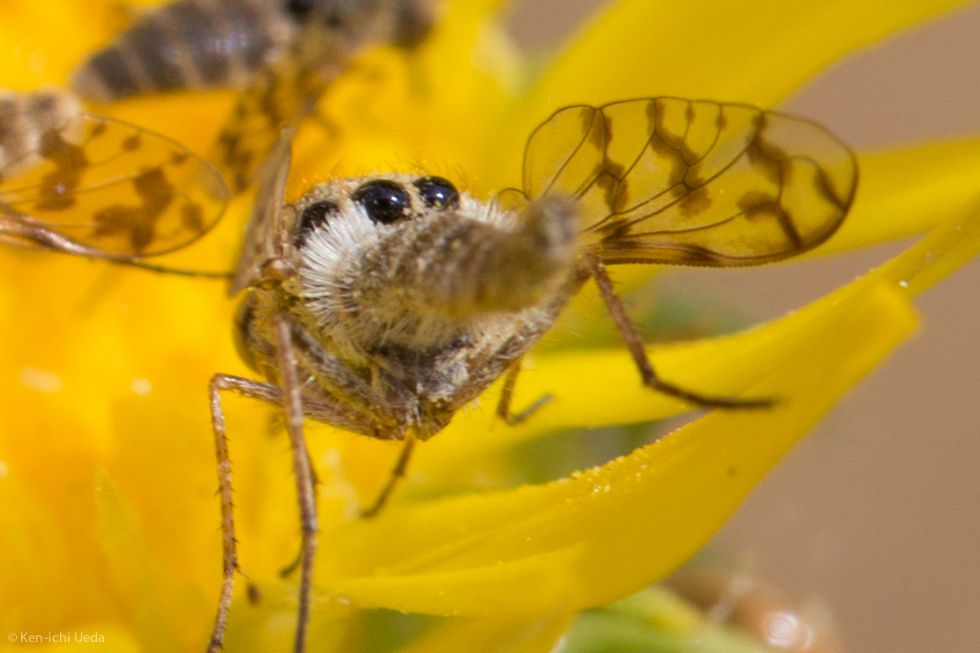
Adults visit flowers for nectar and can move pollen between blooms; their presence is a sign of diverse, functioning habitats.
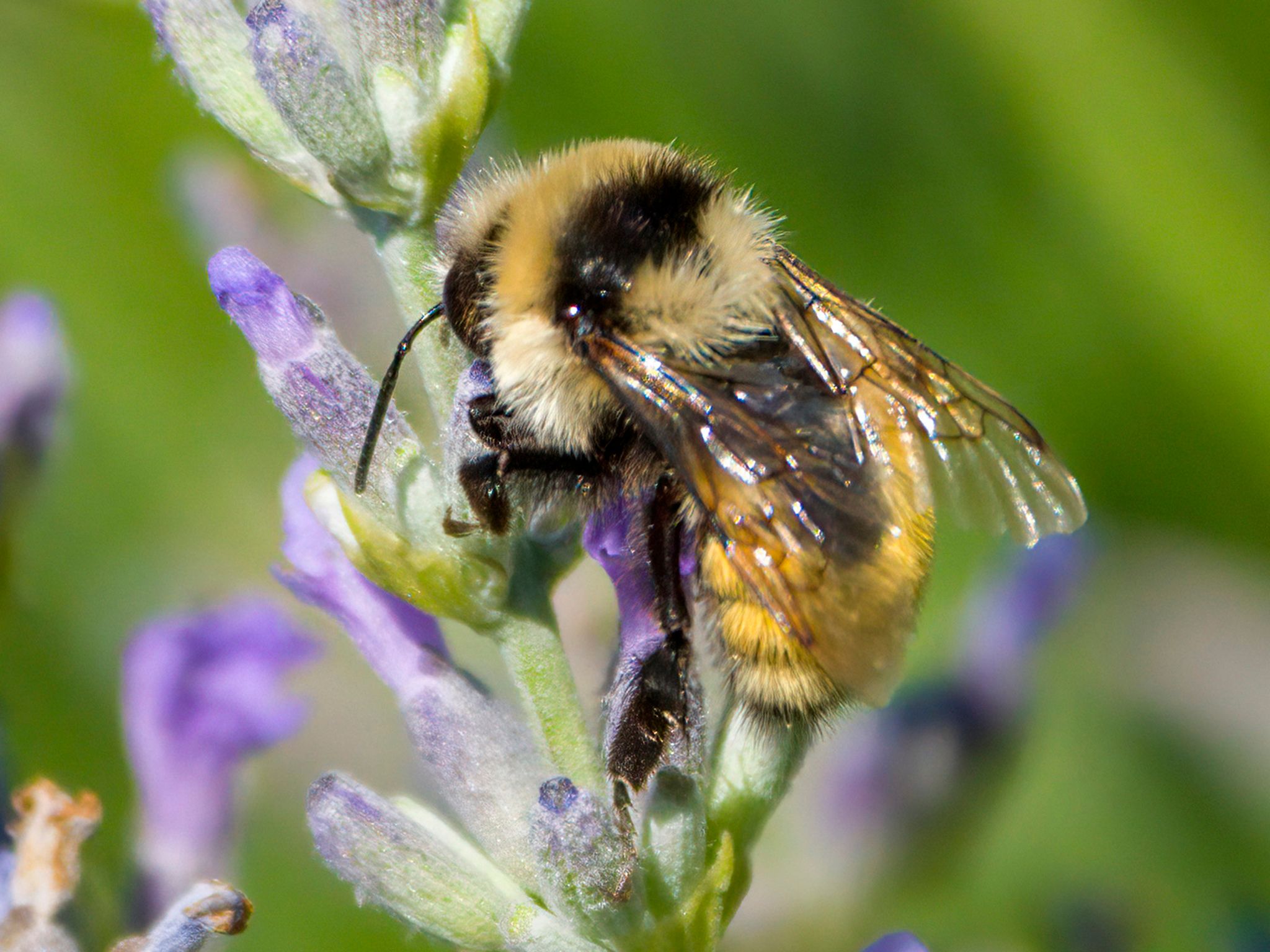
Bumble bees are important pollinators of many wildflowers and garden plants, helping ecosystems and food crops reproduce.
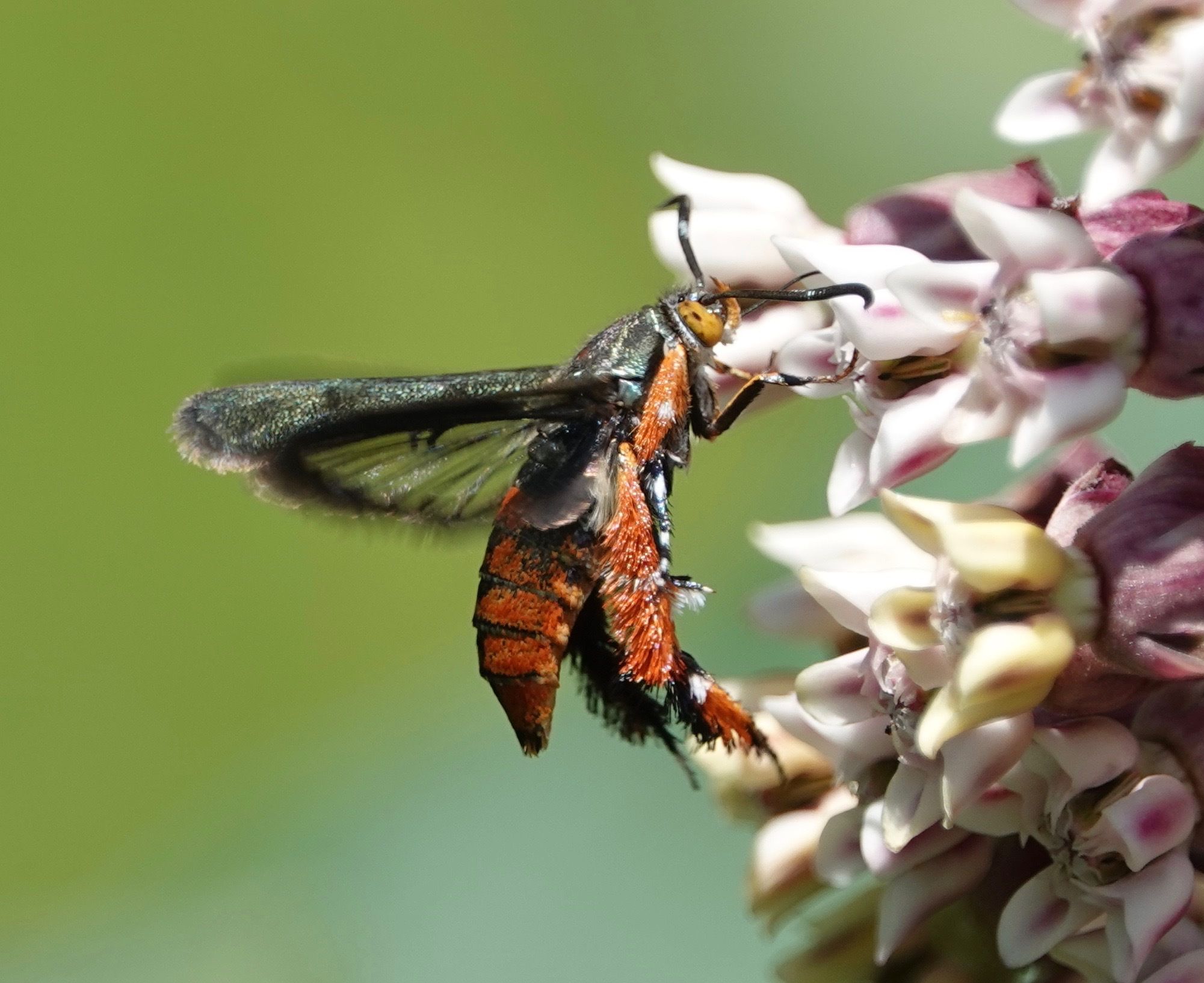
Adults can move pollen between blooms, and their presence can signal how healthy local plant communities are.
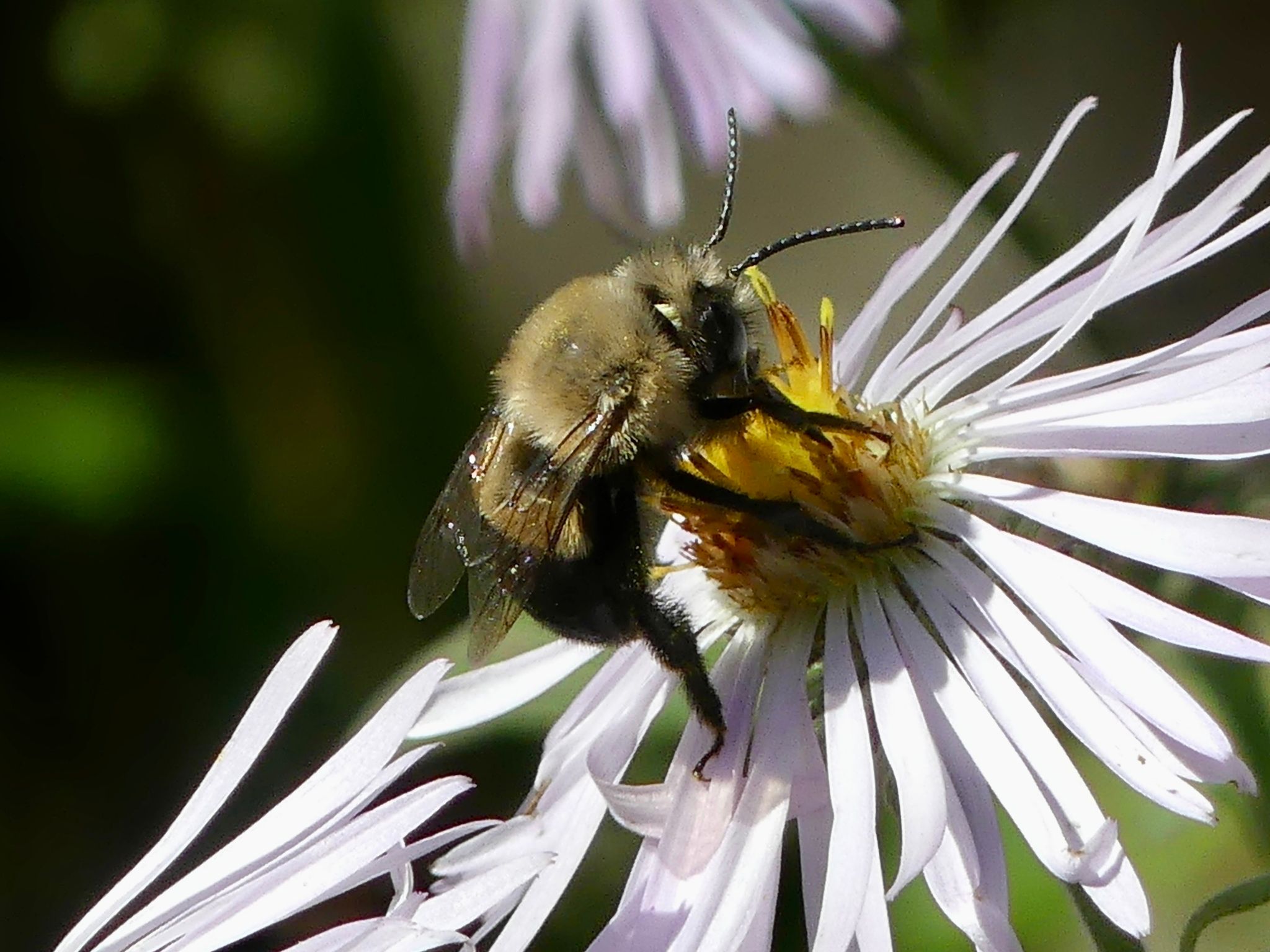
They move pollen between flowers while feeding, helping wild plants and many garden plants set seed and fruit.
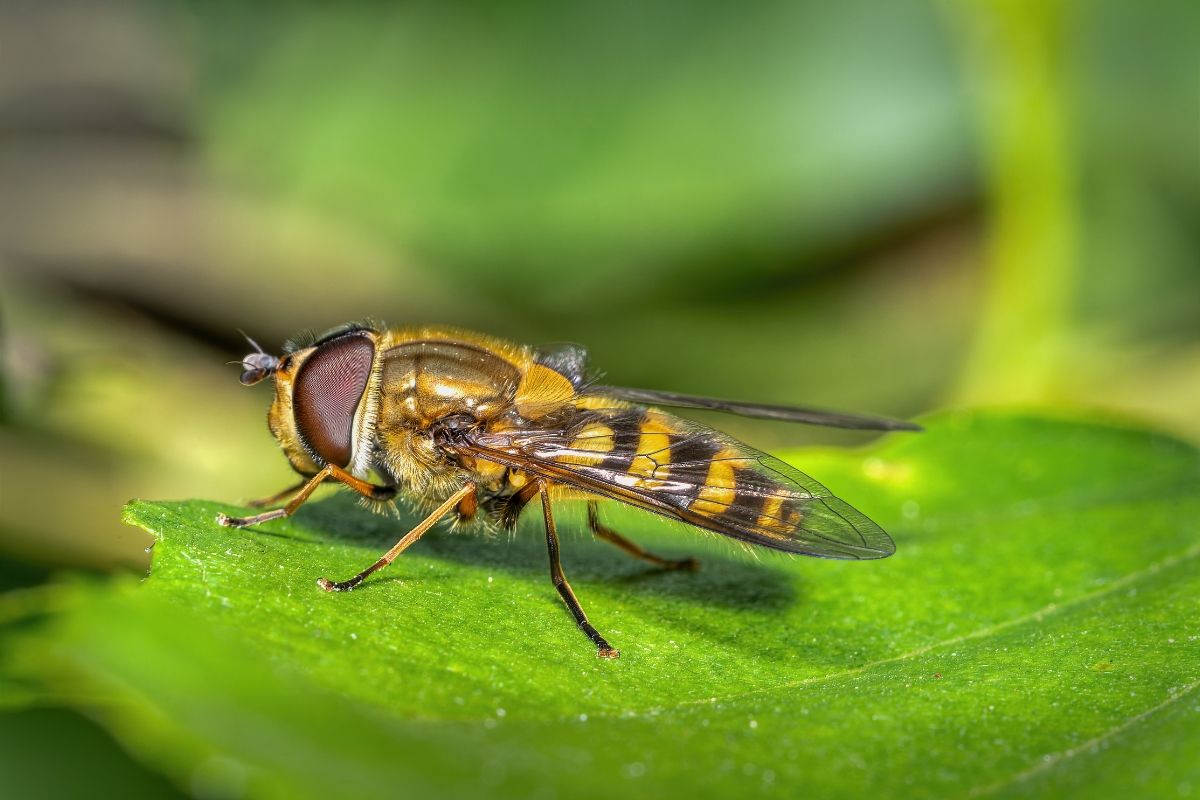
Adults visit flowers for nectar and pollen, and many species’ larvae help keep plant-eating pests in check.
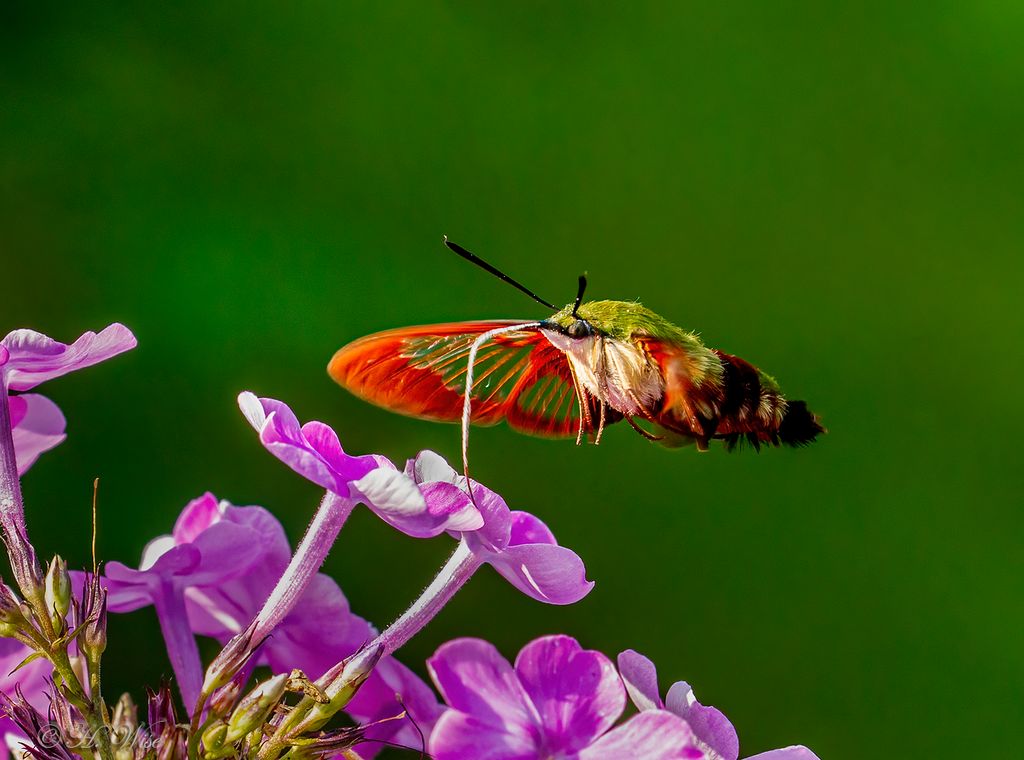
They can move pollen between flowers while feeding on nectar, especially for blooms that open or scent up in the evening.
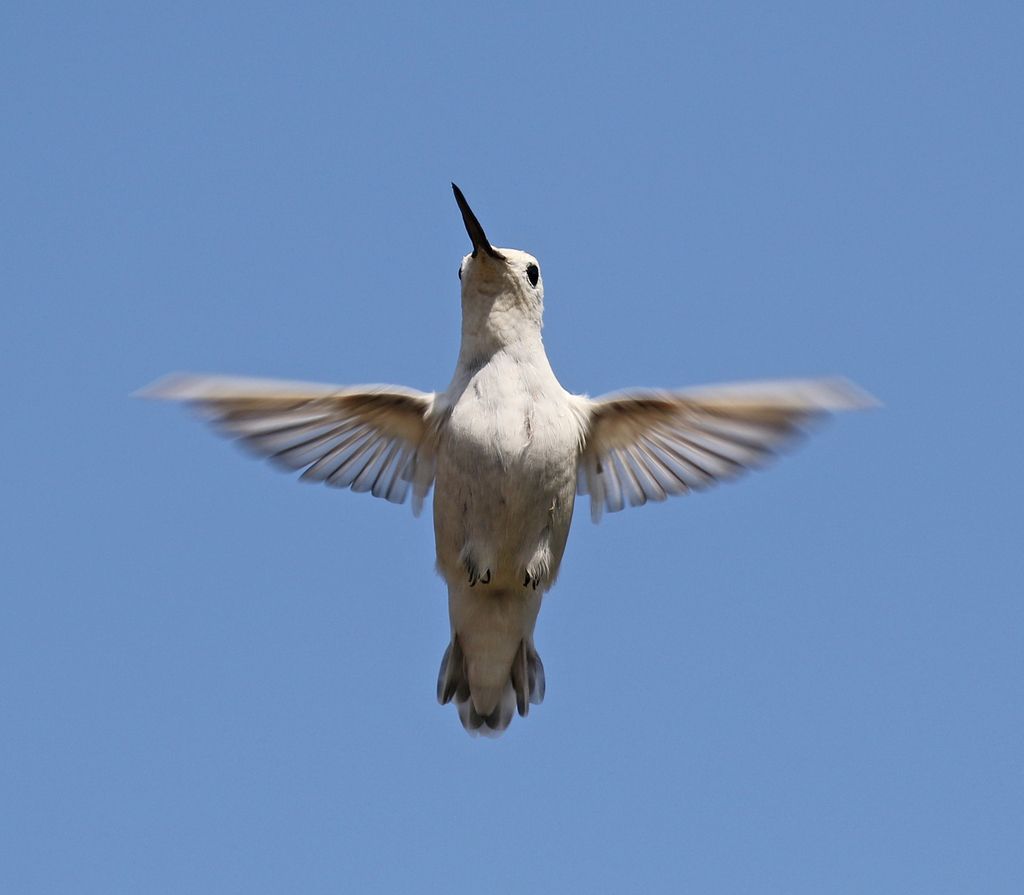
They move pollen between flowers while feeding, helping many plants reproduce.
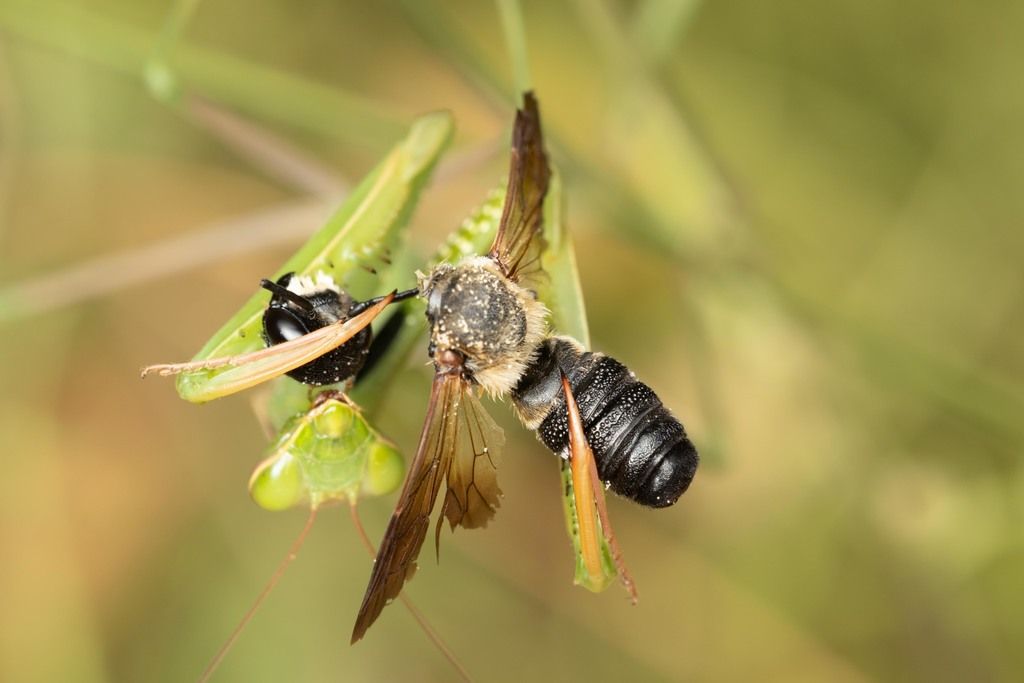
They move pollen between flowers while foraging, helping many wild plants and garden plants set seed and fruit.
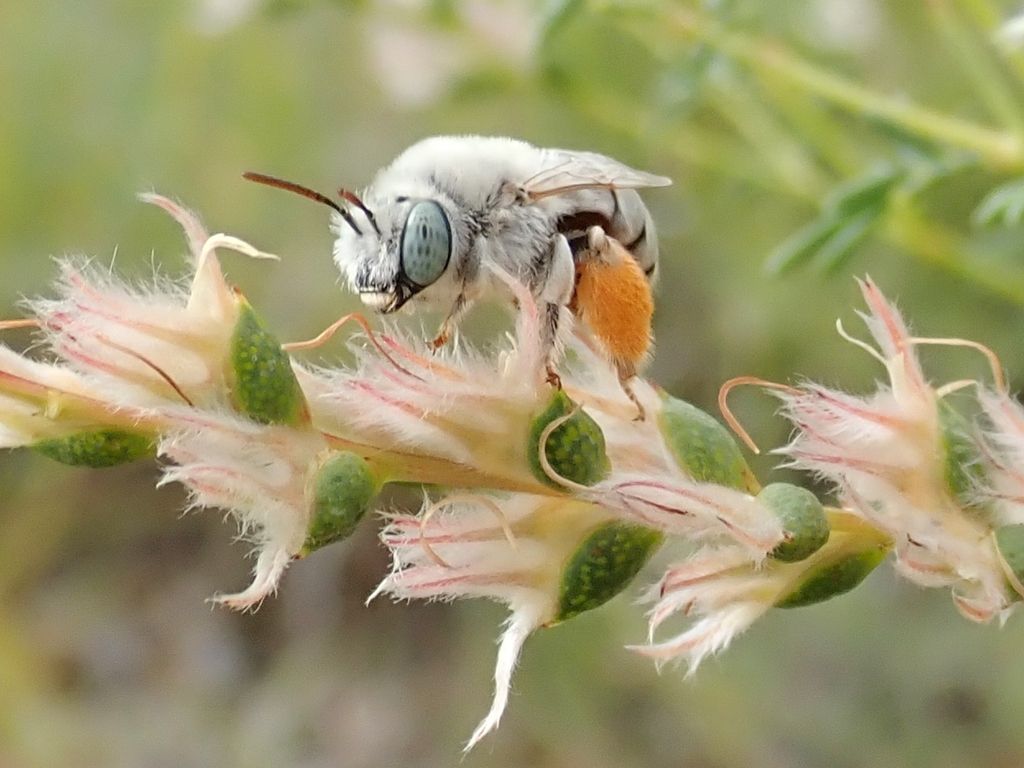
They move pollen between flowers as they feed, supporting seed and fruit set in many wild plants and some crops.
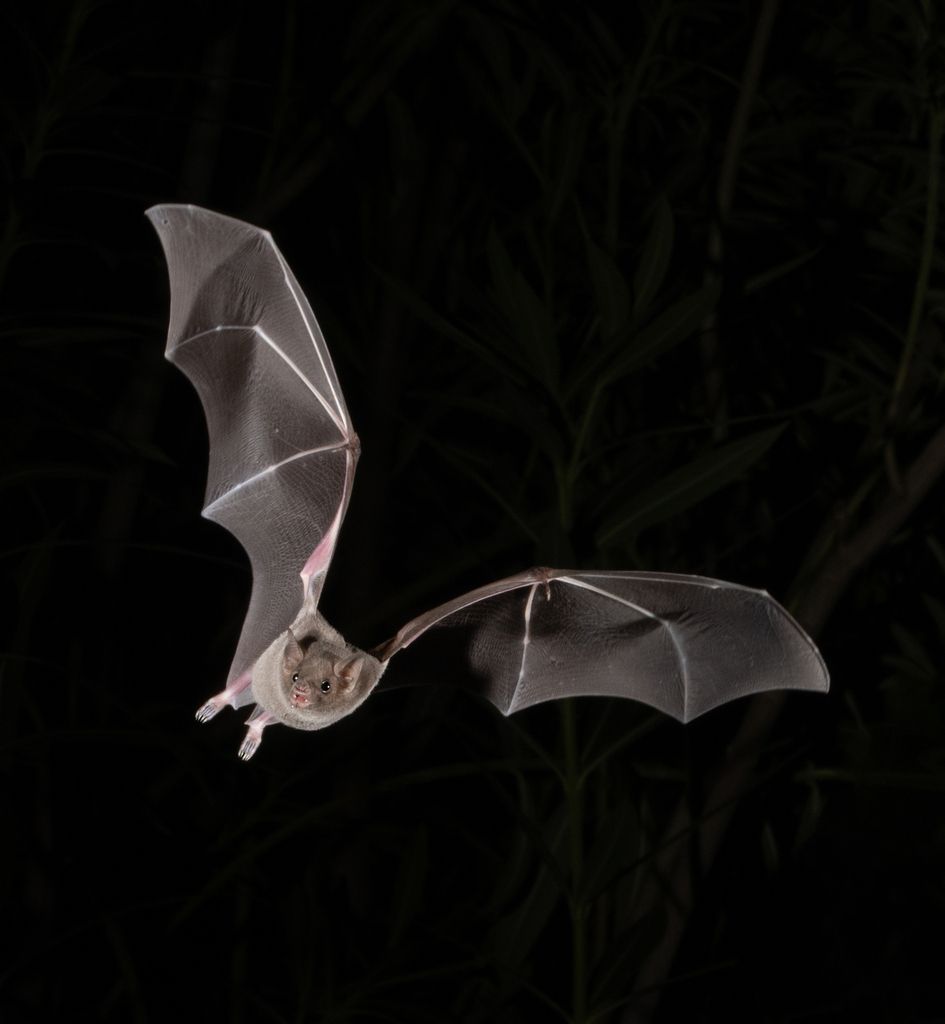
They move pollen between flowers over long distances, helping some plants set fruit and seed.
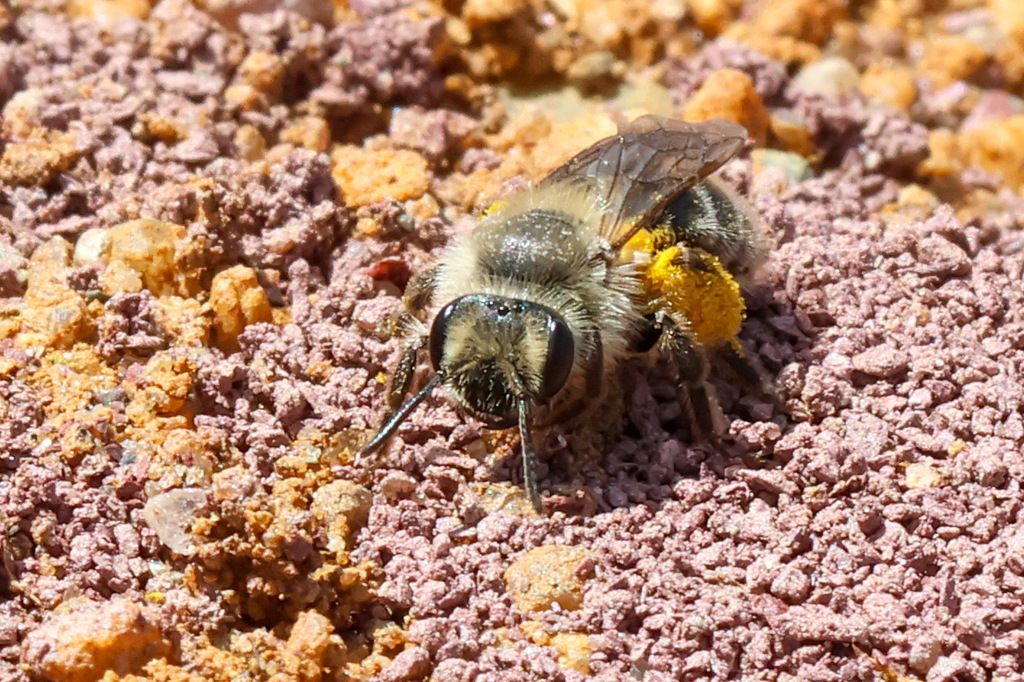
They move pollen between flowers while foraging, helping many wild plants and garden plants set seed and fruit.
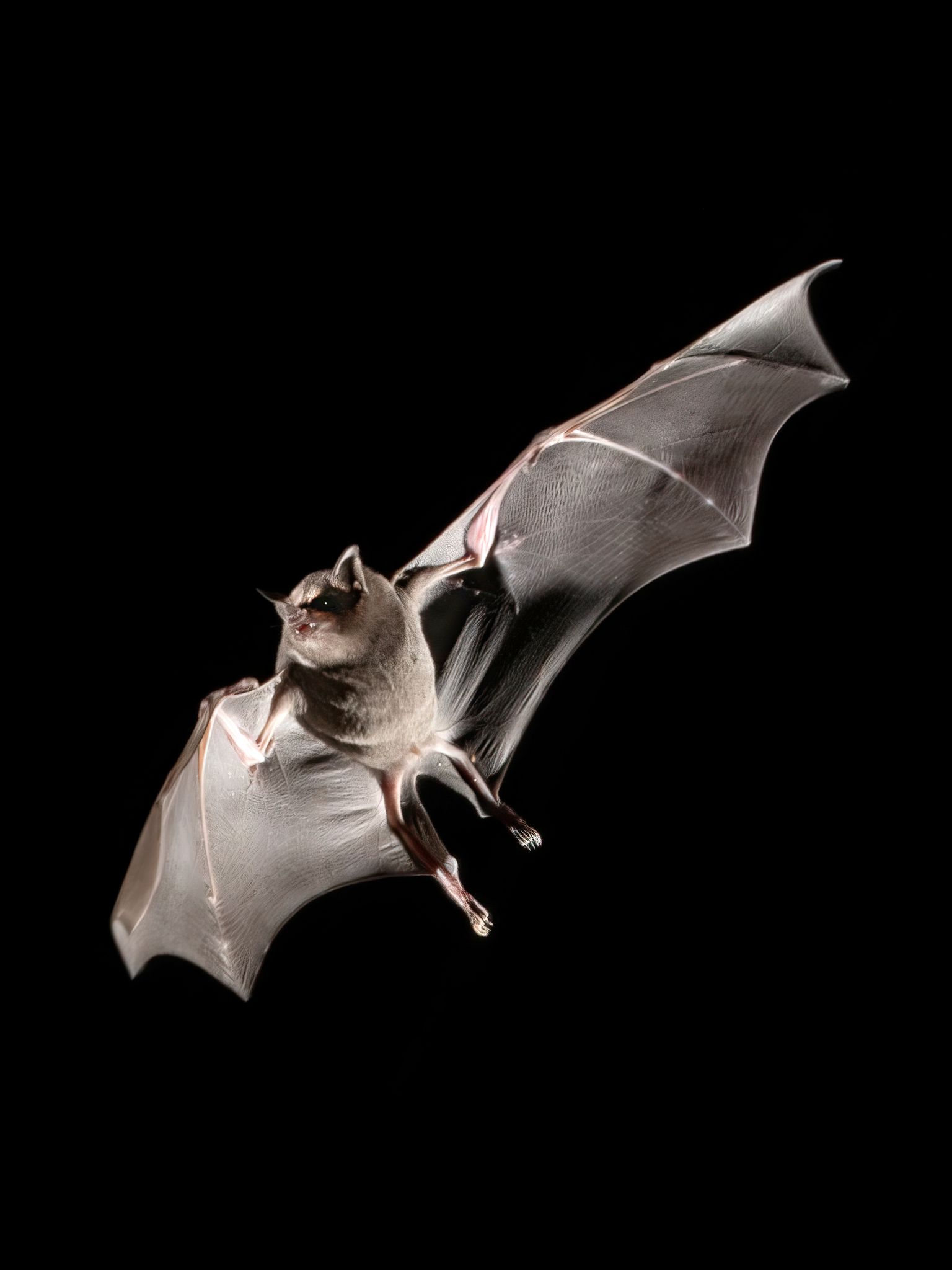
They move pollen between flowers over long distances and help many plants set fruit and seed.
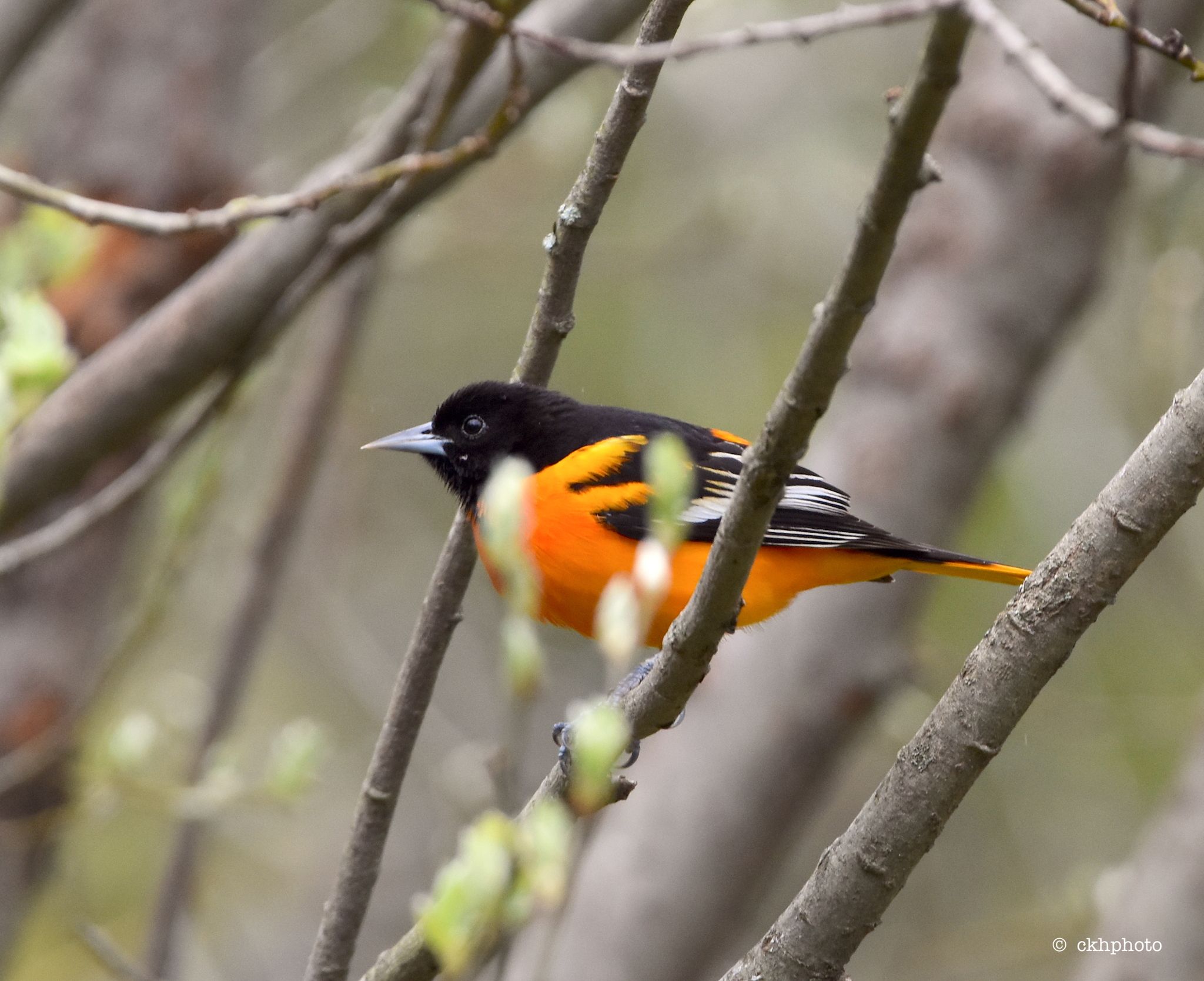
They move pollen between flowers while feeding on nectar, supporting seed and fruit production in many plants.
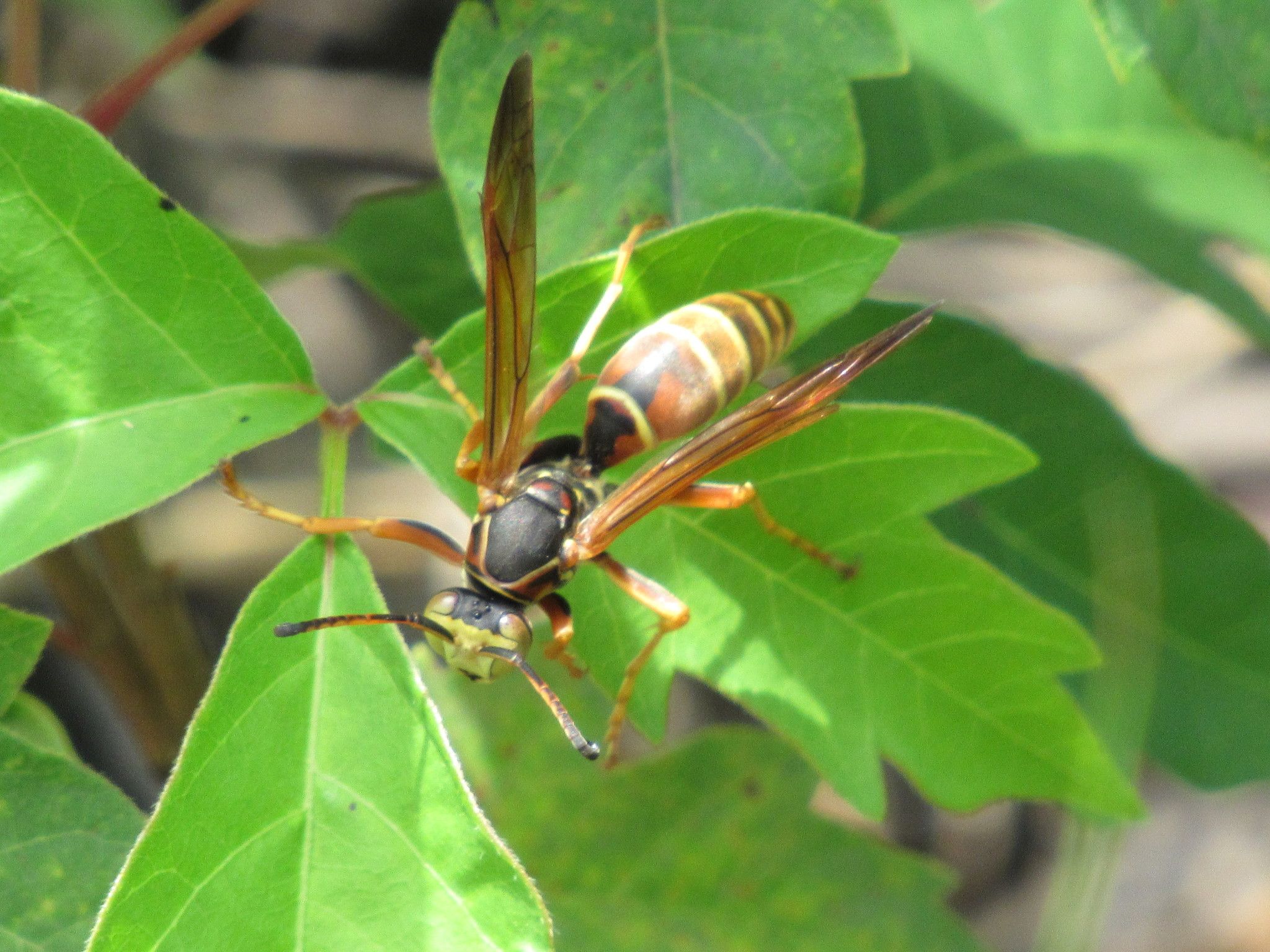
They can move pollen while drinking nectar, and they also help control many plant-eating insects.
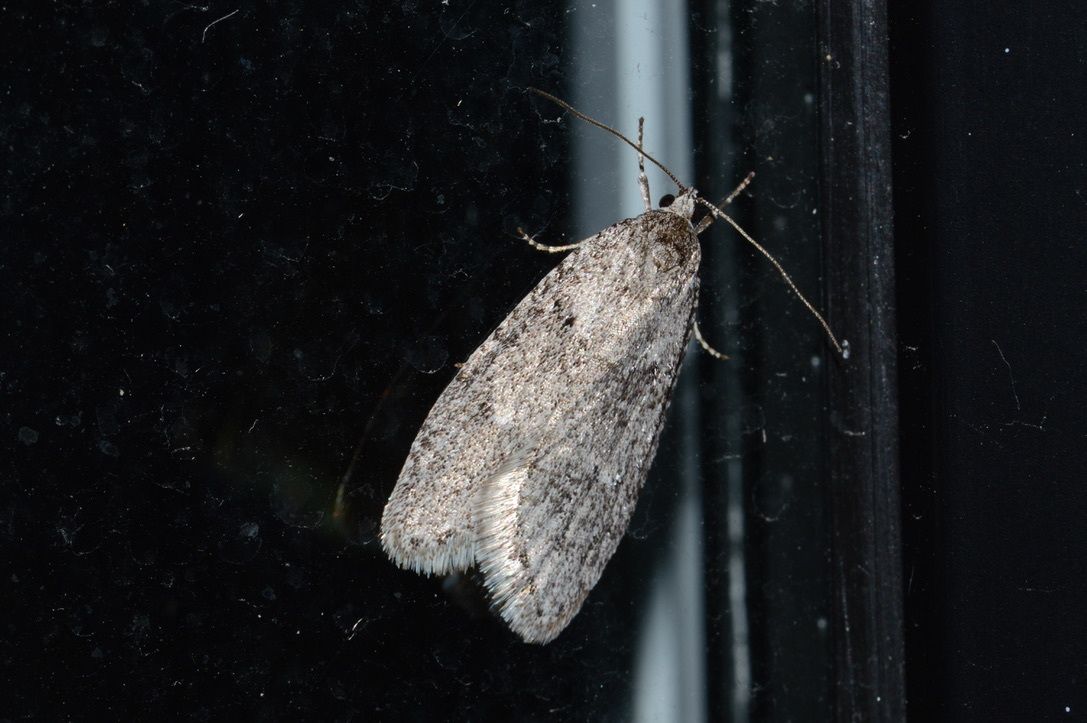
Many small moths move pollen while feeding on nectar, supporting wild plants and garden blooms—especially in the evening and at night.
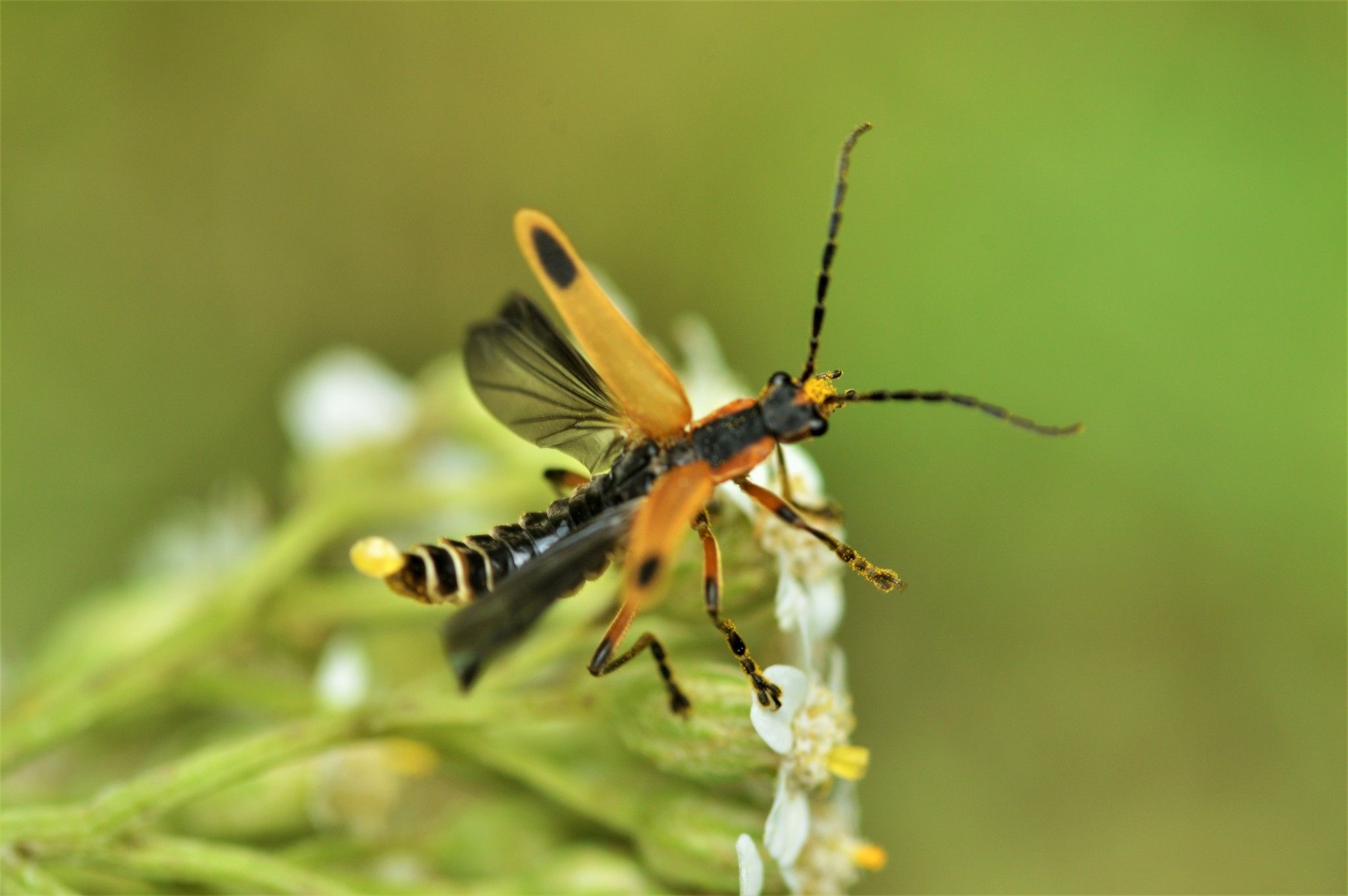
Many adults visit flowers and can move pollen between blooms, while also helping control some garden pests.
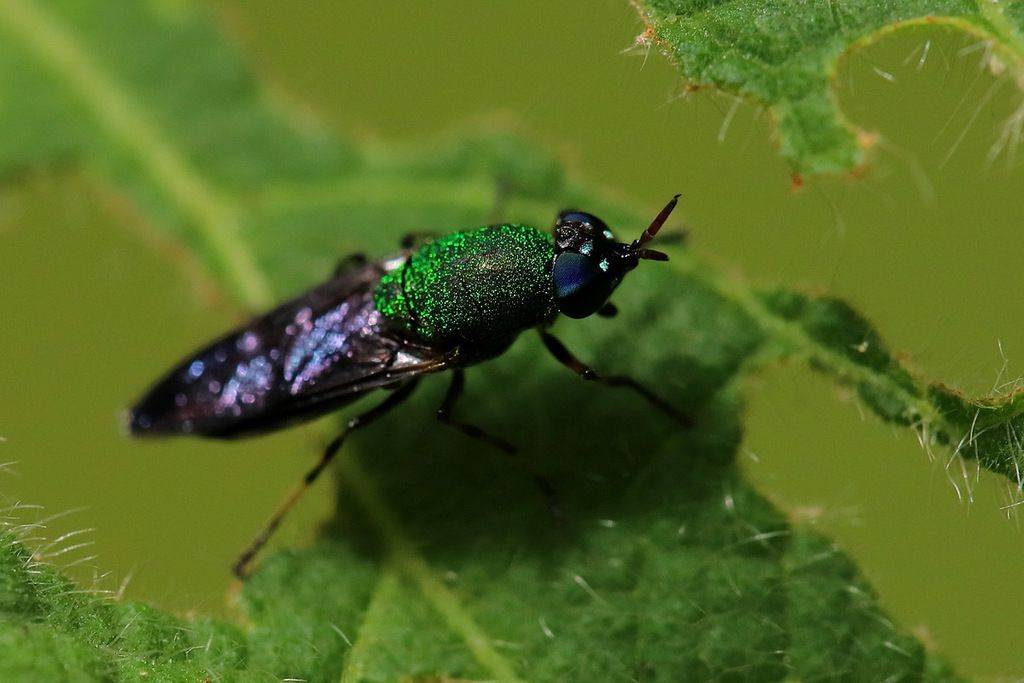
Many adults visit flowers for nectar and can move pollen between blooms while feeding.
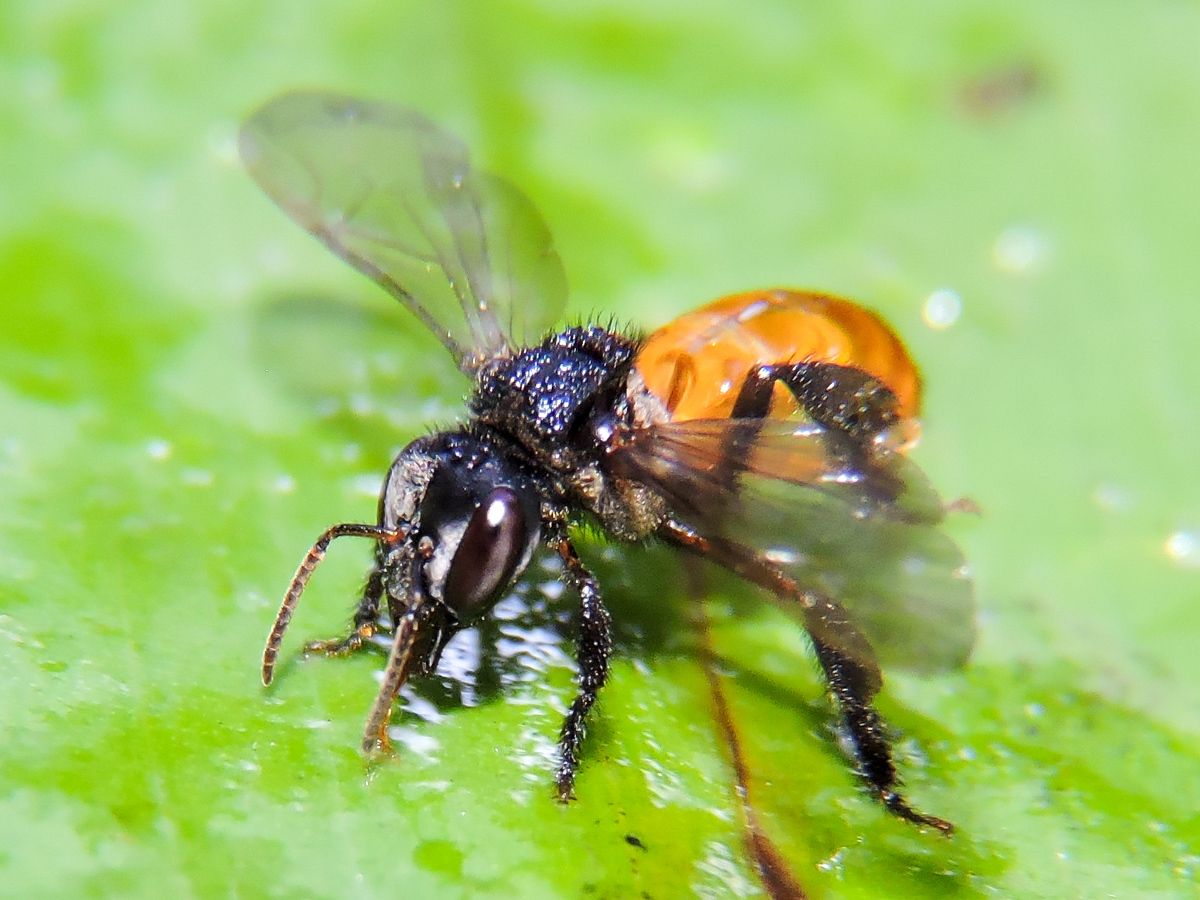
They help pollinate many wild and cultivated plants in tropical and subtropical regions, supporting food webs and biodiversity.
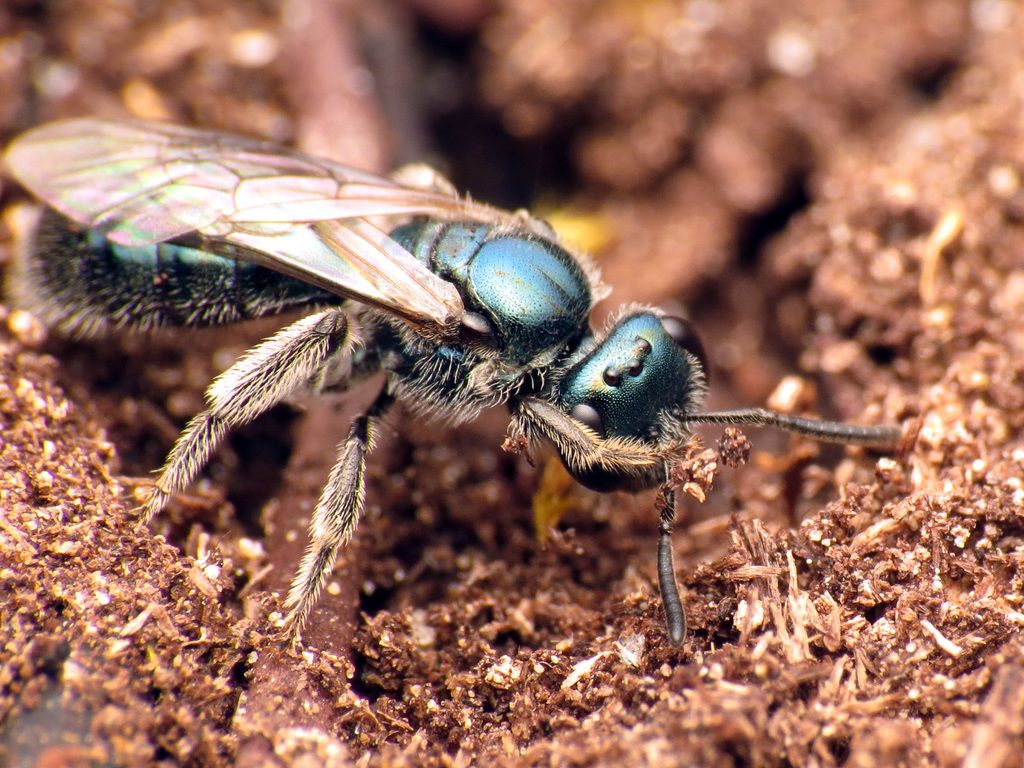
They help move pollen between flowers in gardens, parks, and natural areas, supporting seed and fruit production.
Regions
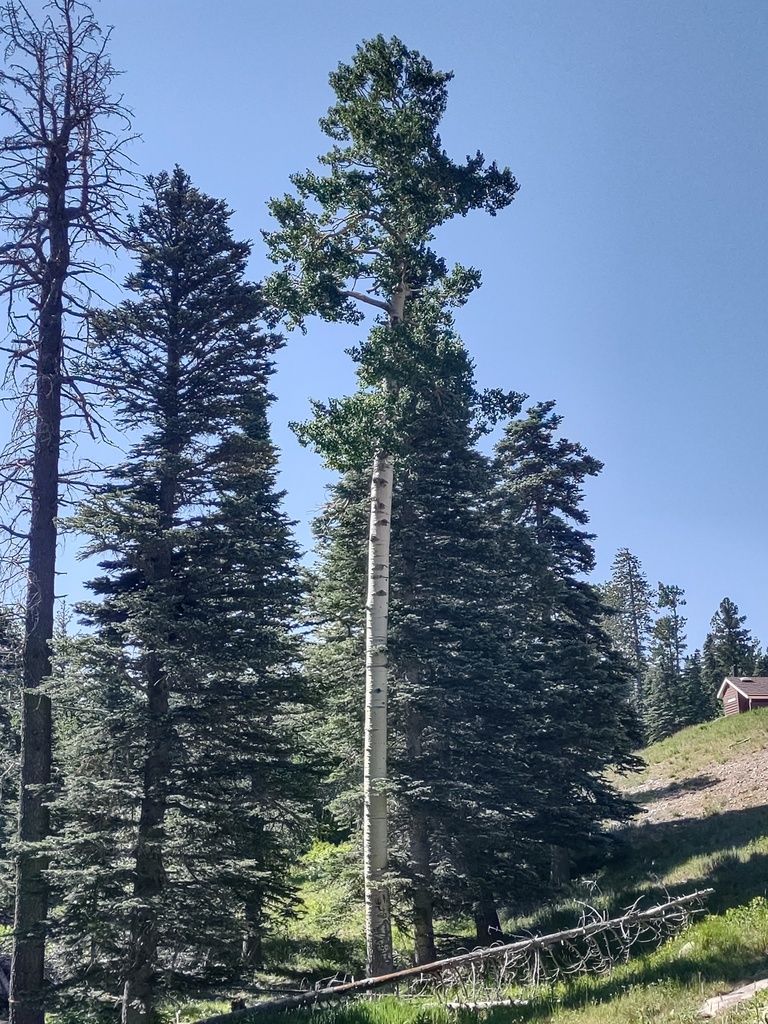
The Arizona/New Mexico Mountains are a “sky-island” style landscape: cooler, higher, and often greener than the surrounding lowlands.
The Baja California Desert is a warm-desert region where life is adapted to drought, heat, and big swings in how much rain falls from year to year.
This region is a tropical dry-forest landscape shaped by strong seasonality—longer dry stretches and a greener, more productive period when rains arrive.
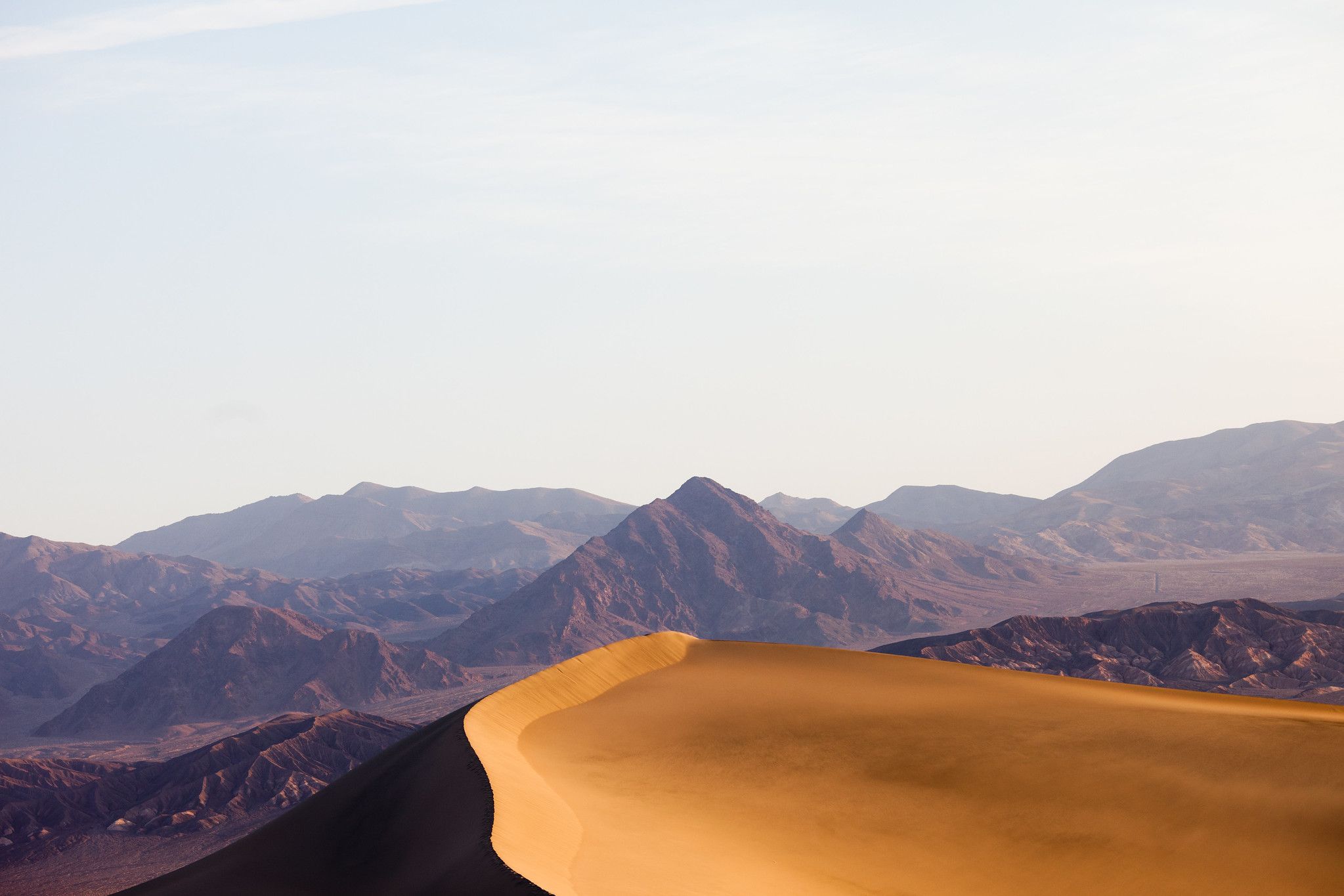
The Mojave is a warm-desert region where life is shaped by limited water, intense sun, and big temperature swings.
This region is a tropical dry-forest landscape where plants and animals are adapted to pronounced seasonal dryness.
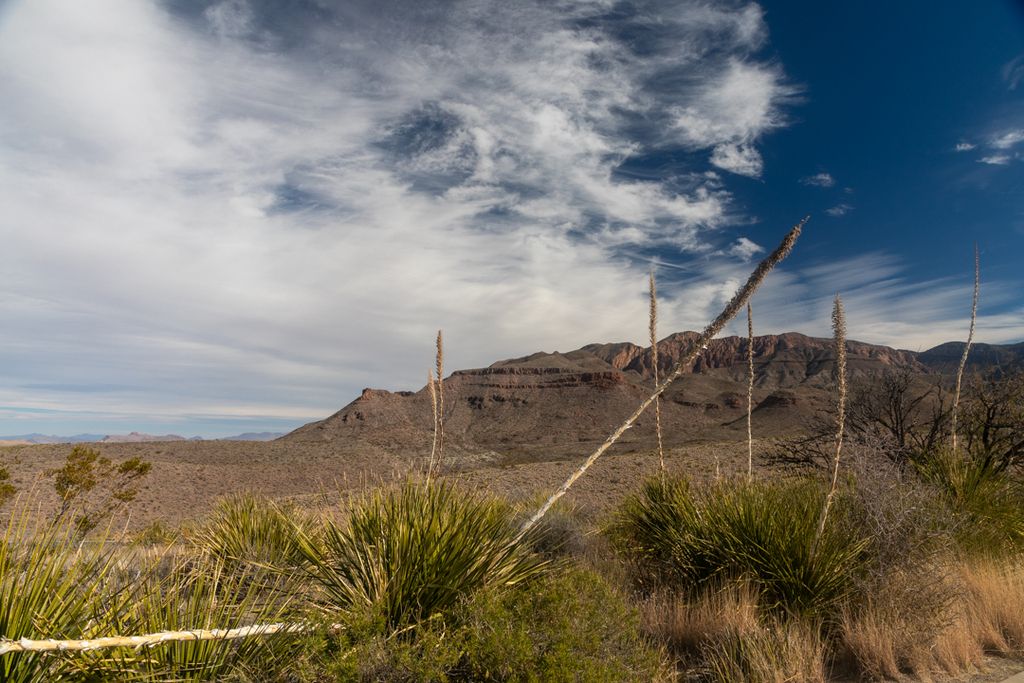
The Chihuahuan Desert is a place of extremes: dry stretches, sudden flushes of bloom after moisture, and a patchwork of habitats shaped by elevation and water.
This ecoregion is shaped by tropical wet evergreen forests and wetlands across coastal plains and nearby hills.
Coastal Plain with Low Tropical Deciduous Forest is a tropical coastal lowland landscape where plants are adapted to seasonal dryness.
This region is defined by water: wetlands, wet soils, and lush tropical rain forest conditions in parts of the Gulf coastal plain.
This region is a dryland landscape of interior plains and low hills where plants are adapted to heat, drought, and variable rainfall.
This region is a mosaic of tropical deciduous forest and oak forest across hills and sierras, creating many “edge” habitats where different plant communities meet.
This region is defined by tropical wet-forest conditions on hilly terrain, where semi-evergreen forests can create a layered habitat of canopy, understory, and forest-edge flowering plants.
Hills with Medium and High Evergreen Tropical Forest is a wet tropical forest landscape shaped by slopes, valleys, and dense evergreen tree cover.
This region is characterized by hills and plains that can support medium semi-evergreen tropical forest—green for much of the year, but still influenced by seasonal moisture.
La Laguna Mountains with Oak and Conifer Forests is a mountain ecoregion where oak woodlands and conifer forests create layered habitat—trees overhead, shrubs and wildflowers below, and leaf litter and soil life underneath.
This region is a mix of dry-season tropical woodland (often leafless in the driest months) and hardy shrubland adapted to limited moisture.
Los Tuxtlas Sierra with High Evergreen Tropical Forest is a lush, moisture-rich tropical forest landscape shaped by mountains, steep slopes, and dense evergreen canopy.
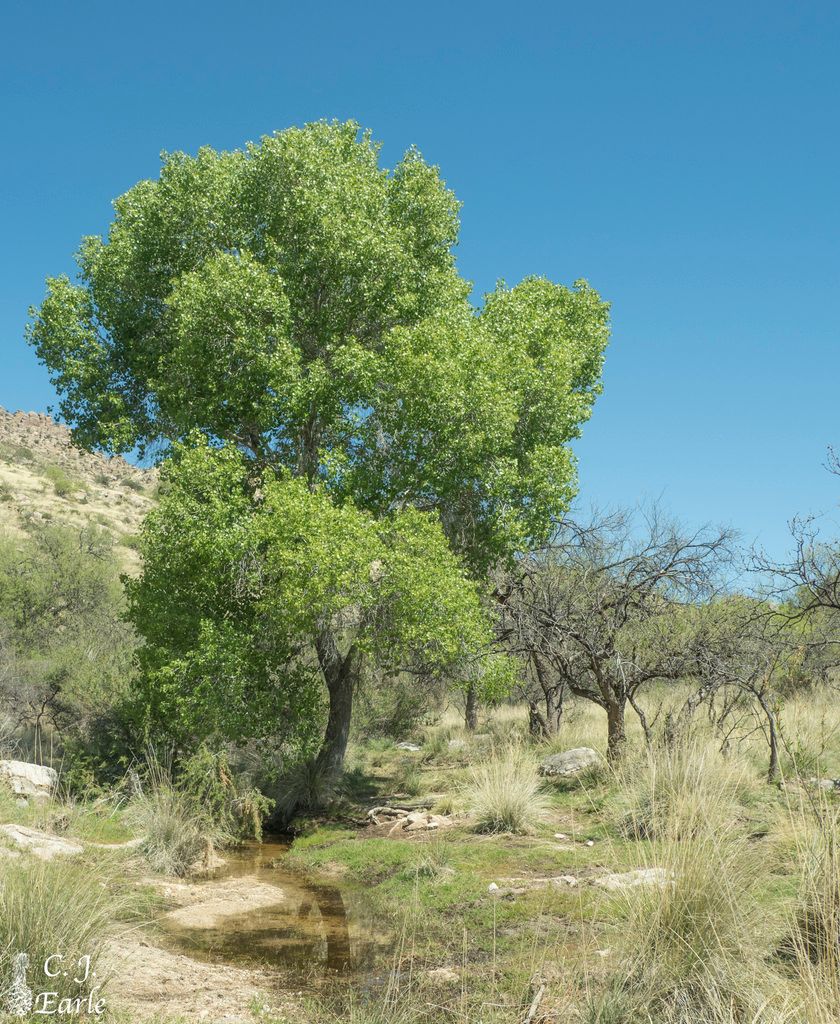
The Madrean Archipelago is known for its patchwork of habitats created by mountains separated by lower, drier areas.
This region is generally a warm, seasonally dry-to-wet tropical landscape where plants may be adapted to drought, heat, and periodic rains.
This region is a tropical dry-forest landscape where many plants time their flowering and leaf growth around the wet season.
This region blends open grasslands and dry shrublands with pockets of oak and conifer forest—so pollinator habitat can look very different from one hillside to the next.
This region is characterized by tropical plains with forests that can look greener in the wet season and more open in the dry season as some trees shed leaves.
This region is a tropical wet-forest plain with dense plant growth, layered canopy, and many flowering trees, shrubs, and understory plants.
This region is a mix of dry shrublands and low tropical deciduous forest shaped by hills, canyons, and seasonal water.
This region combines tropical dry-forest vegetation (often low and thorny) with wetlands and other water-influenced habitats on a coastal plain.
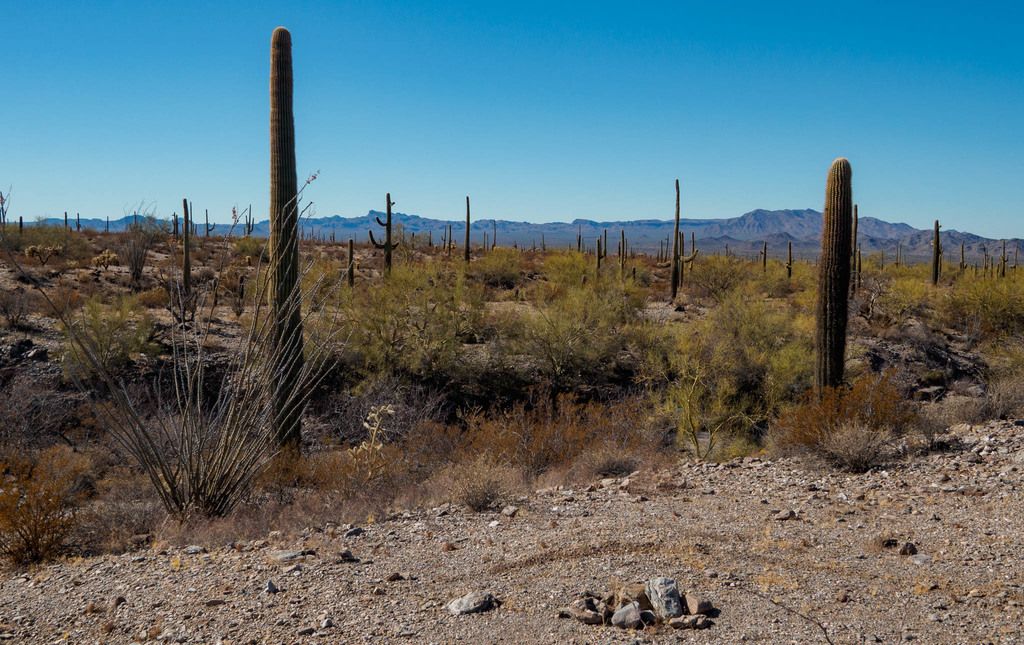
The Sonoran Desert is a place of extremes: intense sun, long dry stretches, and bursts of life when rains arrive.
The South Florida Coastal Plain (Everglades) is a water-shaped landscape—wetlands, coastal edges, and seasonally changing water levels define what grows here.
This region is best known for tropical deciduous dry forest—woodlands that can look lush in the wet season and more open in the dry season when many trees drop leaves.
The Tamaulipas–Texas Semi-Arid Plain is a sun-forward, often dry landscape where plants and animals are adapted to heat, variable rainfall, and tough soils.
This region is part of Mexico’s tropical dry forests, where many plants are built for seasonal drought and then burst into growth and bloom when conditions are right.
Valleys and depressions in tropical dry forest regions can be surprisingly diverse: a few steps can take you from dry, scrubby slopes to slightly greener low deciduous forest pockets.