

What they do
Bunchgrasses create clumps that add shelter and structure, helping a pollinator garden feel safer and more stable.
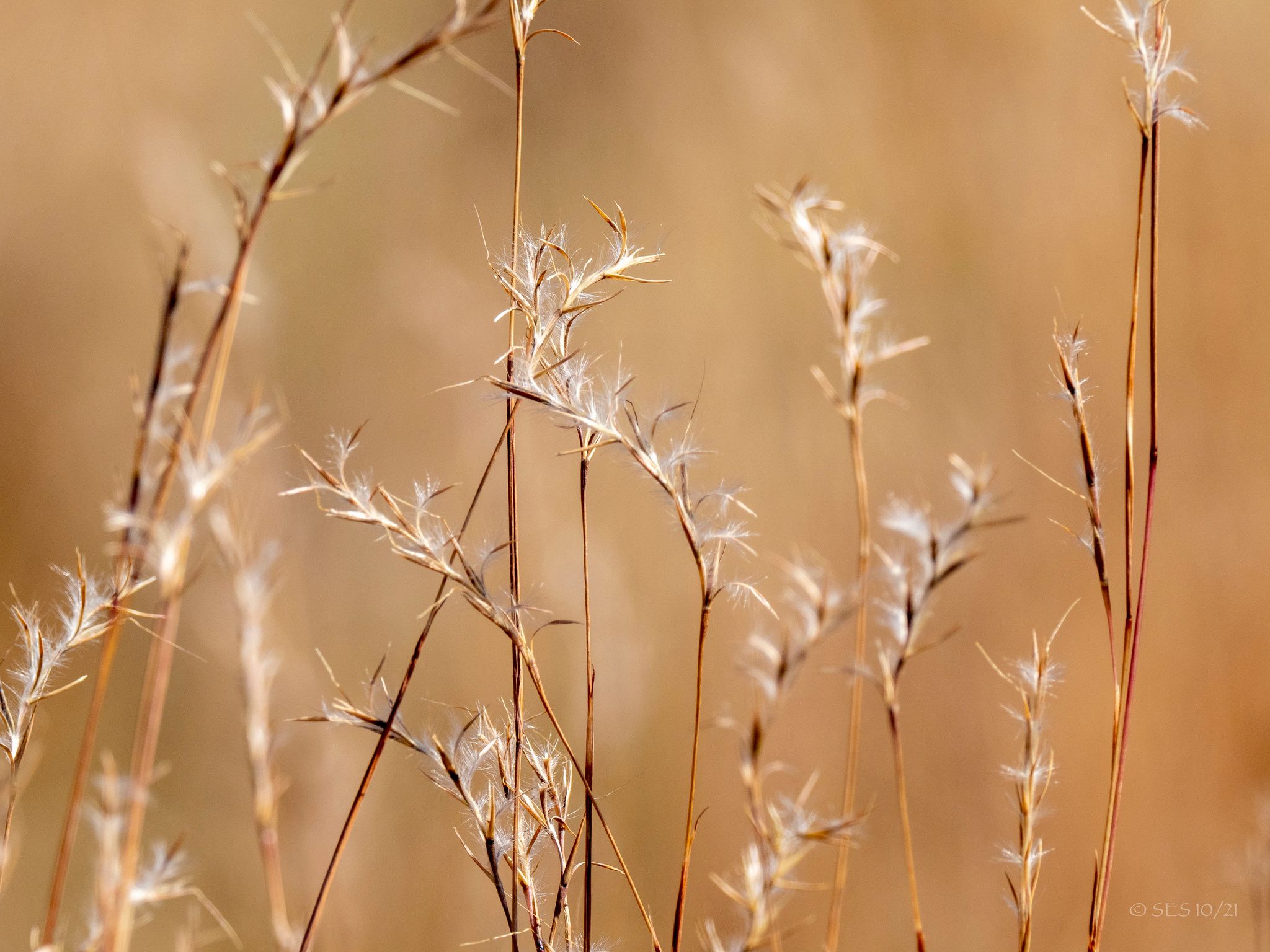
Multiple genera (region-dependent)
Bunchgrasses are clump-forming native grasses that act like living structure in a garden—holding soil, creating shelter, and supporting a healthier pollinator habitat even when they aren’t showy bloomers.
Plant Type
Grasses (habitat) > Bunchgrasses
Aliases
Bunchgrass
Native Range
Region-dependent; choose native bunchgrasses appropriate to your local area
Bloom window
Varies by species; many flower subtly in warm seasons
OVERVIEW
Bunchgrasses (Multiple genera) are native, clump-forming grasses that are essential structural components in North American pollinator habitat. They are valued not for showy blooms but for the robust shelter and living framework they provide, holding soil in place and reducing bare ground between flowering plants.
By adding height and density, bunchgrasses create crucial nesting sites, overwintering cover, and safe pathways for native bees, beetles, and other small wildlife throughout the year. For a resilient habitat, choose a native species adapted to your region and plant in small groups for maximum cover, ensuring the layered structure vital to a healthy, local ecosystem.
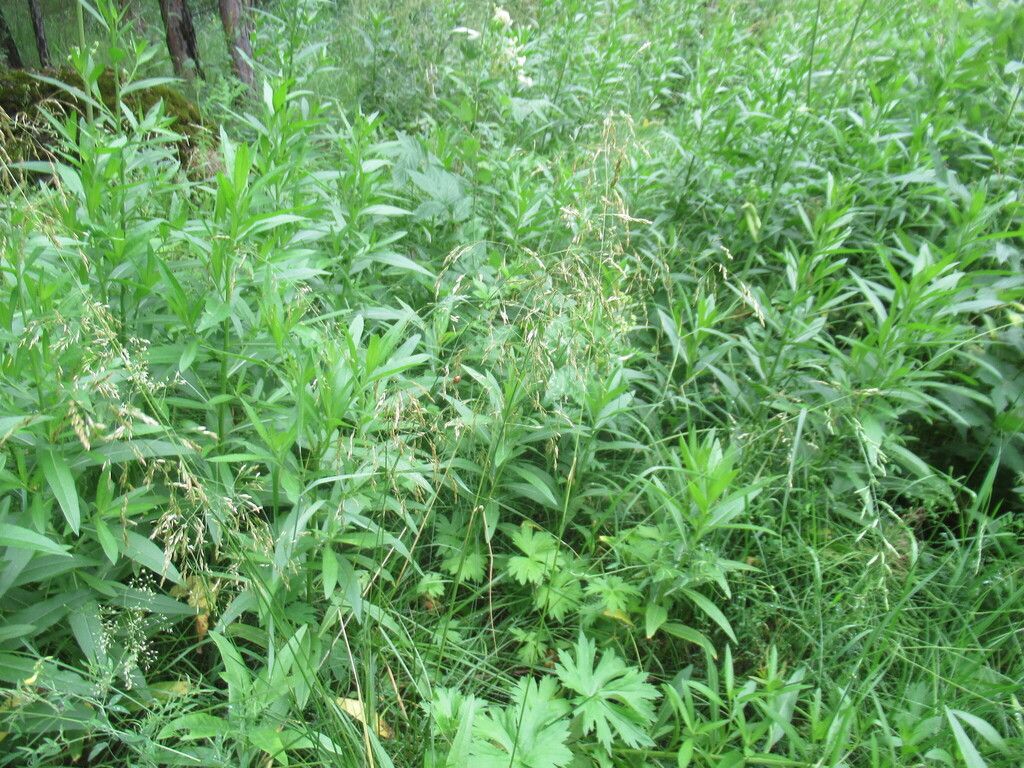
FAST FACTS
Essential stats and requirements for quick reference.
| Category | Details |
|---|---|
| Also known as | Bunchgrass |
| Bloom window | Varies by species; many flower subtly in warm seasons |
| Typical height | Varies widely by species; from low clumps to tall, upright forms |
| Pollinators supported | Bees, Butterflies, Flies, Beetles |
| Light & moisture | Varies by species; choose a local bunchgrass that matches your sun and moisture |
| Best roles for pollinators | Adding habitat structure, stabilizing soil, and supporting a pollinator-friendly garden alongside flowering plants |
SUMMARY
A quick scan of what they do, what they need, and the best first step.
Bunchgrasses create clumps that add shelter and structure, helping a pollinator garden feel safer and more stable.
A spot that matches the species (sun and moisture), room to form a clump, and minimal disturbance at the base.
Plant bunchgrasses in small groups and mix them with flowering plants so your habitat has both structure and nectar.
IMPACT
Key Impacts
RECOGNITION
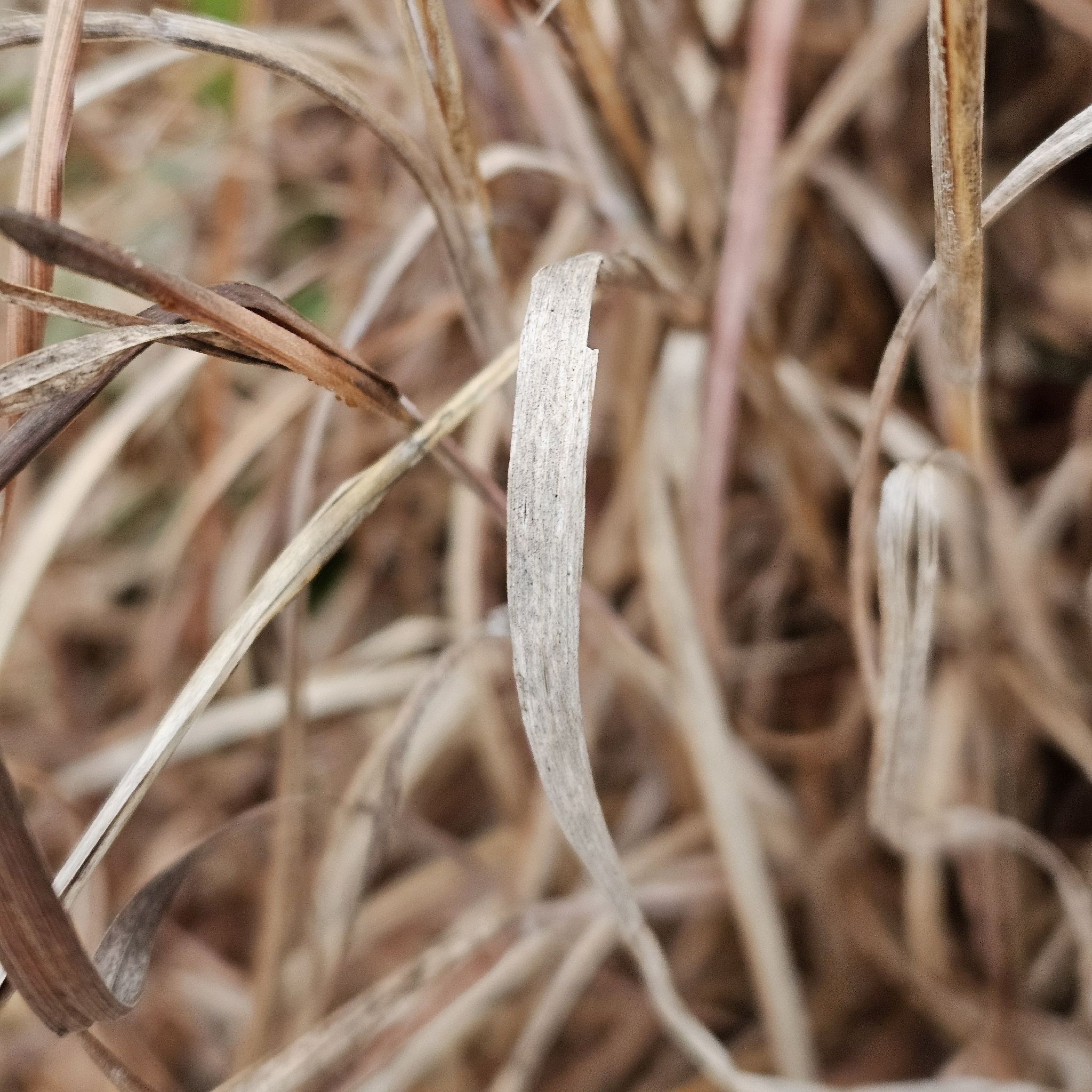
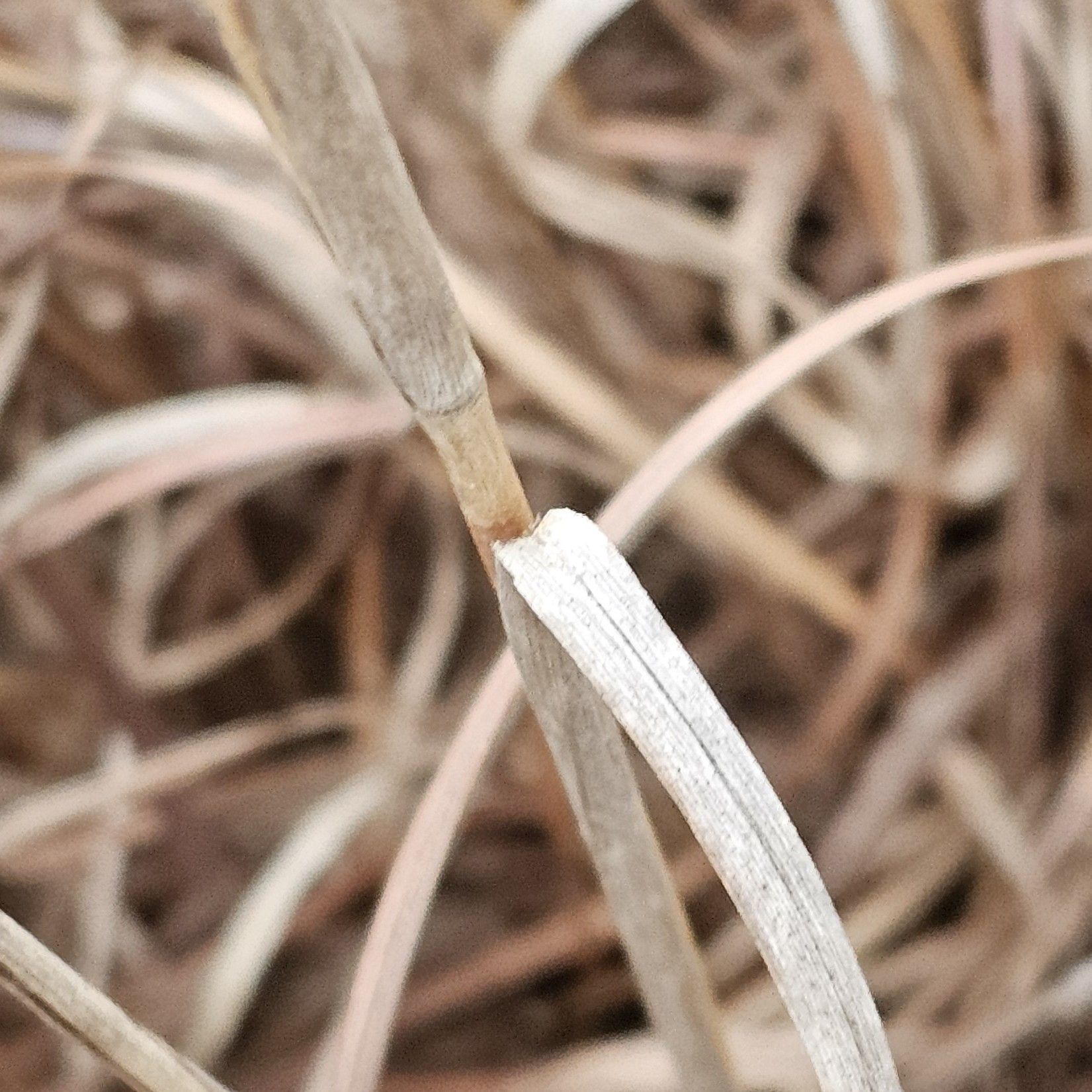
Narrow, grass-like leaves that emerge from a central base and form a clump; texture ranges from soft and fine to stiff and upright depending on the species.
Often small, wind-pollinated-looking flowers that form seedheads; showiness varies, but many are subtle and best appreciated up close.
Seeds develop in the seedheads; they may be fluffy, airy, or bristly depending on the species.
LOCATION
Native environments and the best spots to place it in your landscape.
SEASONALITY
Notes on bloom windows and how this plant helps pollinators across the seasons.
Bunchgrasses can flower, but their blooms are usually subtle compared to wildflowers.
Bloom Season Role: Habitat builder (structure more than showy blooms)
REQUIREMENTS
The right mix of sun, soil, and space for healthy growth.
Match the species to the site; many bunchgrasses do well in sun to part sun.
Often best in well-drained soil; avoid spots that stay soggy unless you’ve chosen a species that tolerates it.
Water to establish, then aim for steady but not constant moisture; let the soil surface dry a bit between waterings if drainage is good.
Plant with the crown (the base of the plant) at soil level. Give each clump space so it can form its natural shape.
Use a light mulch layer around the plant, not on top of the crown. Keep the base open to air.
GARDENING GUIDE
Simple steps to plant, prune, and maintain healthy trees without pesticides.
Pairings
Pairing ideas to keep pollinators fed throughout the growing season.
GLOSSARY
Glossary terms are being added.
What You Can Do
Turn this knowledge into action. Whether you plant a single pot or a whole garden, you are building a vital bridge for local biodiversity.
Join the movement to restore our shared habitats.