Skip to content
Dogwoods (shrubby) (Cornus spp. (shrub forms))
Plant profile

Dogwoods

Genus Cornus (shrub spp.)

Shrubby dogwoods are tough, wildlife-friendly shrubs in the genus Cornus that offer spring flowers, colorful stems, and berries on many types—great for adding structure and seasonal interest while supporting pollinators.

Plant Type

Shrubs > Dogwoods

Aliases

Dogwood

Native Range

Varies by species; many shrubby dogwoods are native to parts of North America, and some are native to other regions

Bloom window

Spring to early summer (varies by species)

OVERVIEW

About This Plant

Shrubby dogwoods (Cornus spp.) are a dependable way to add “backbone” to a pollinator-friendly garden. Instead of one big showy flower, many dogwoods bloom in clusters of small flowers that are easy for a variety of insects to use. After bloom, many types shift into berries and leafy cover, and some stand out most in winter when their stems turn bright colors.

If you’re planting dogwoods in a schoolyard or community space, focus on the basics: give them enough room, keep the soil from drying out completely while they establish, and avoid spraying anything during bloom. A healthy shrub in the right spot usually needs very little intervention—just mulch, occasional watering in dry spells, and sensible pruning.

Best role for pollinators
Easy-care hedges, rain-garden edges, mixed shrub borders, and adding winter stem color
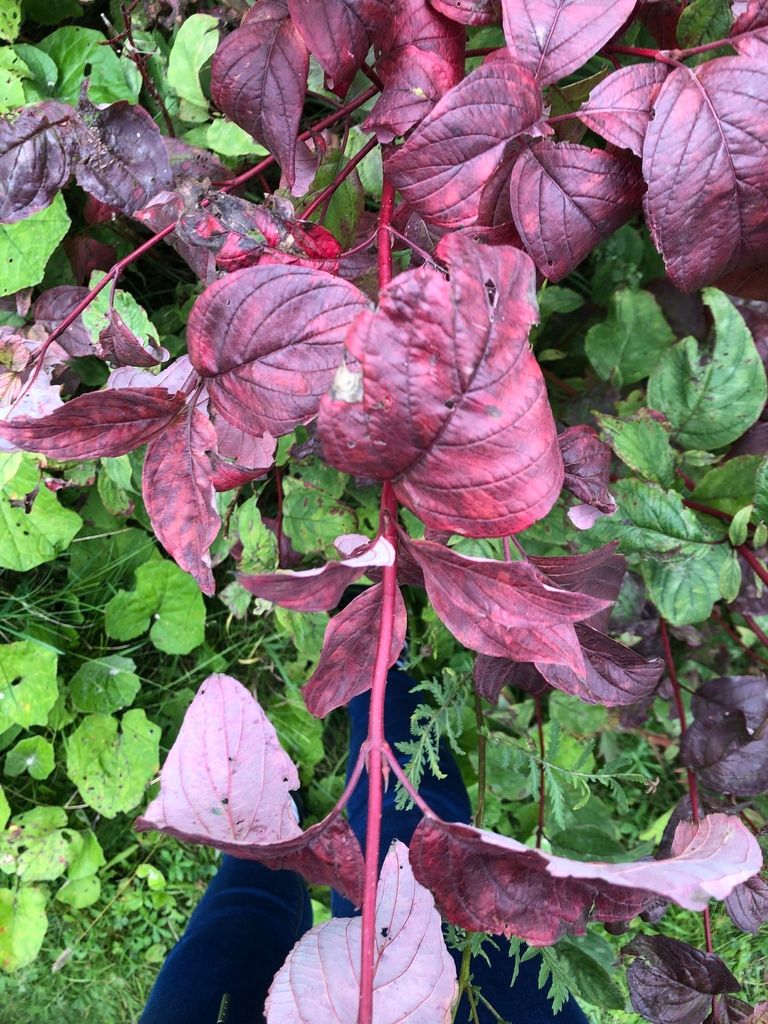
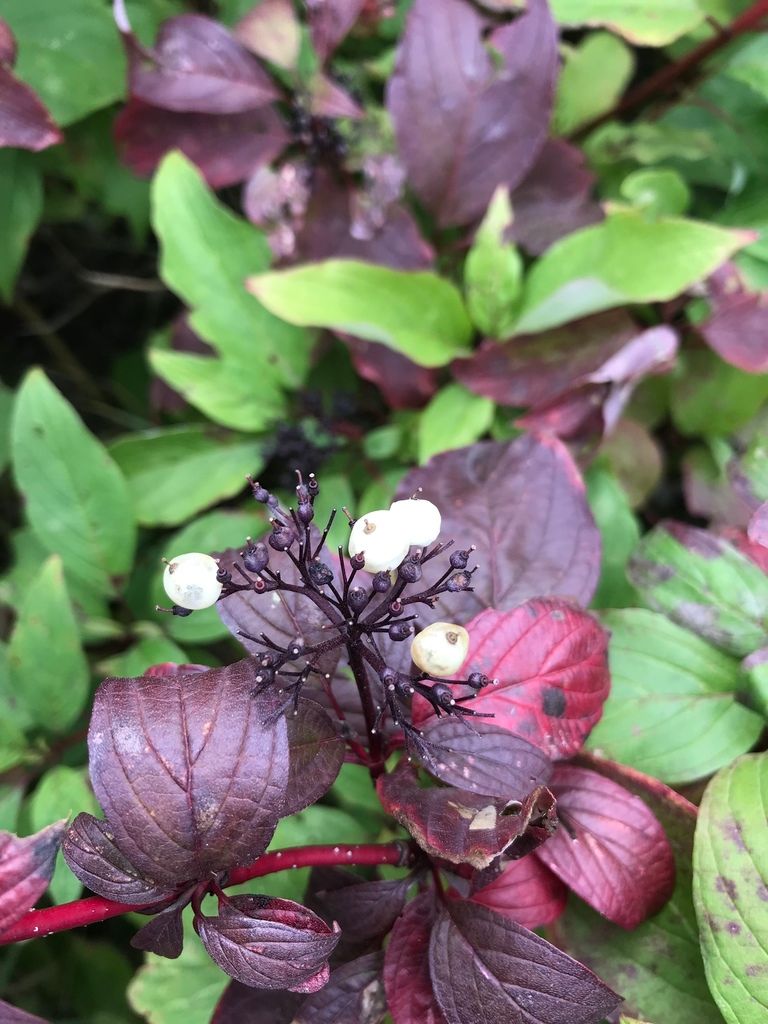
Dogwoods (Cornus spp. (shrub forms))
https://www.inaturalist.org/photos/50880603 Photo: (c) margauxkaz, some rights reserved (CC BY-NC) | CC-BY-NC | iNaturalist

FAST FACTS

Quick Details

Essential stats and requirements for quick reference.

Also known asDogwood
Bloom windowSpring to early summer (varies by species)
Typical heightVaries by species and pruning; often a medium to large shrub
Pollinators supportedBees, Flies, Beetles
Light & moistureSun to part shade; average to moist soil (some tolerate wetter spots)
Best roles for pollinatorsEasy-care hedges, rain-garden edges, mixed shrub borders, and adding winter stem color

SUMMARY

If You Remember Three Things

A quick scan of what they do, what they need, and the best first step.

What they do

Shrubby dogwoods add spring flowers and long-season structure, and many types also offer berries and colorful stems.
What they need

Give them sun to part shade, room to grow, and steady moisture while they establish.

One best action

Plant a dogwood where it can keep an even moisture level, then mulch and water during dry spells in the first year.

IMPACT

Why Plant This?

Shrubby dogwoods are practical, adaptable shrubs that can add early blooms and long-season structure to a pollinator-friendly garden, especially in places where you want a hardy plant that looks good beyond flower season.
Some shrubby dogwoods are famous for winter stem color—an easy way to make a pollinator garden look lively even when flowers are done.

Key Impacts

What it Supports

  • Spring flower clusters can be a helpful stop for a range of pollinators.
  • Shrubby growth provides cover and nesting shelter in a garden.
  • Many dogwoods add multi-season interest, which helps keep gardens cared for year-round.

RECOGNITION

Identification Guide

Dogwoods can look different by species, but shrubby types share a few reliable clues.

Leaves

Often opposite, oval leaves with smooth edges; leaf veins may curve toward the tip.

Flowers

Small, star-like flowers in flat or rounded clusters; usually white or creamy.

Fruits

Berry-like drupes in clusters; color varies by species and season.
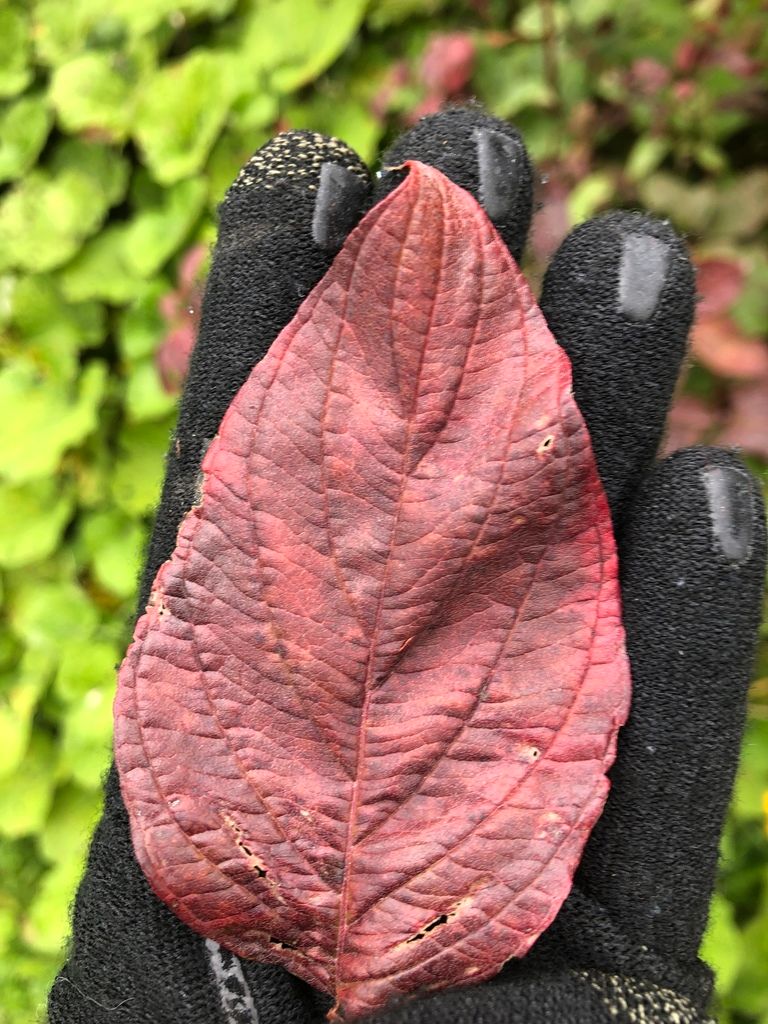
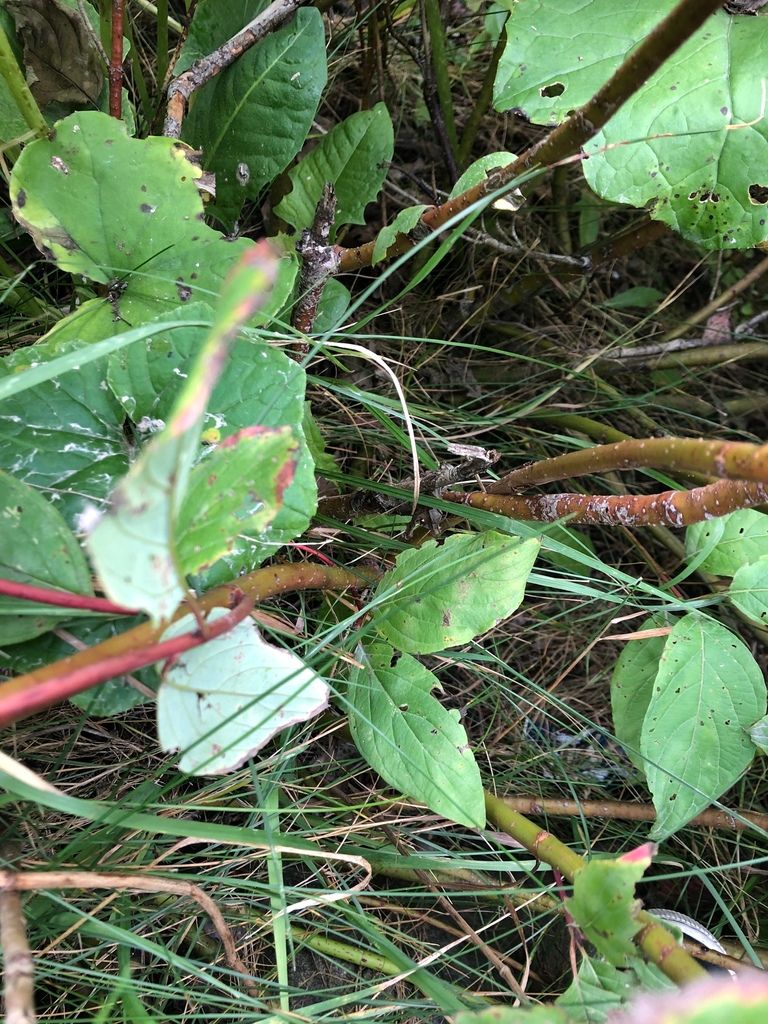
Dogwoods (Cornus spp. (shrub forms))
https://www.inaturalist.org/photos/50880621 Photo: (c) margauxkaz, some rights reserved (CC BY-NC) | CC-BY-NC | iNaturalist
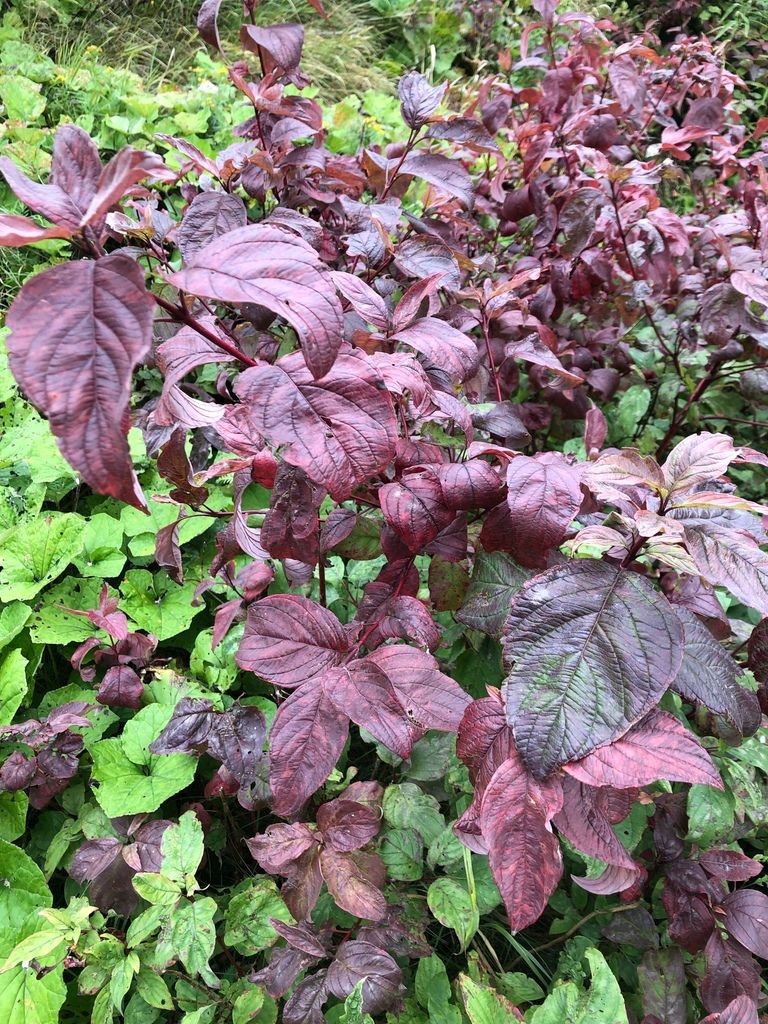
Dogwoods (Cornus spp. (shrub forms))

LOCATION

Where It Grows

Native environments and the best spots to place it in your landscape.

Habitats

  • Woodland edges
  • Streambanks and wet meadows (for moisture-loving species)
  • Thickets and hedgerows

Where it is often used

  • Pollinator-friendly shrub border
  • Hedge or screen (informal)
  • Rain-garden edge or low spot (for moisture-tolerant types)
  • Winter-interest planting (for colorful-stem varieties)
  • Schoolyard habitat plantings and community gardens

SEASONALITY

When It Blooms

Notes on bloom windows and how this plant helps pollinators across the seasons.

Bloom window

Dogwoods typically bloom in the earlier part of the growing season, then shift to berries and foliage interest.

Bloom Season Role: Early-season nectar and pollen from clusters of small flowers

Seasonal benefits

  • Early flowers can help kick-start a pollinator garden’s season.
  • Shrubs keep habitat in place after perennials die back.
  • Berries and twiggy growth add interest that encourages year-round stewardship.

REQUIREMENTS

What It Needs

The right mix of sun, soil, and space for healthy growth.

Sun exposure

Full sun to part shade. More sun often means denser growth and better stem color on colorful-twig types.

Soil type

Adaptable; does best in reasonably fertile soil with organic matter. Many tolerate heavier soils if drainage isn’t extreme.

Moisture needs

Water regularly during the first season; after that, water during long dry spells, especially in sunnier sites.

Planting method

Plant at the same depth as the pot, loosen the surrounding soil, and leave space for mature width.

Mulching tips

Mulch with leaves or wood chips to keep roots cool and soil moisture steadier; keep mulch a little away from the stems.

GARDENING GUIDE

How to Grow It

Simple steps to plant, prune, and maintain healthy trees without pesticides.

Planting tips

  • Pick a spot with sun to part shade and enough room for the shrub’s mature width.
  • Dig a hole about as deep as the root ball and wider than the pot.
  • Set the plant so the top of the root ball is level with the soil surface.
  • Backfill, press gently to remove big air pockets, and water thoroughly.
  • Add a mulch ring to hold moisture, keeping mulch off the base of the stems.

Seasonal care

  • Water during dry spells, especially in the first year or two.
  • Refresh mulch yearly to protect roots and reduce weeds.
  • Prune thoughtfully: remove dead or crossing branches, and if growing for colorful stems, renew older stems over time (timing depends on the type).
  • Watch for stress signs (wilting, leaf scorch) and adjust watering or site conditions rather than reaching for sprays.

What not to do

  • Planting in a hot, dry spot and assuming it will “tough it out.”
  • Shearing like a formal hedge without a plan.
  • Spraying for insects during bloom.
  • Crowding the shrub with other plants right up against the base.

Pairings

Best Pairings for Season-Long Bloom

Pairing ideas to keep pollinators fed throughout the growing season.

Early Bloom

  • Serviceberry (*Amelanchier*)
  • Wild columbine (*Aquilegia canadensis*)
  • Golden alexanders (*Zizia aurea*)

Mid-Season Bloom

  • Bee balm (*Monarda*)
  • Purple coneflower (*Echinacea purpurea*)
  • Blazing star (*Liatris*)

Late-Season Bloom

  • Asters (*Symphyotrichum*)
  • Goldenrods (*Solidago*)
  • Switchgrass (*Panicum virgatum*)
Dogwoods include many species and cultivars; if you’re planting for habitat, ask for a shrubby Cornus suited to your site (sun and moisture) and, when possible, choose locally appropriate native options.

GLOSSARY

Key Terms

A few quick terms you’ll see in plant labels and garden guides:

Glossary terms are being added.

What You Can Do

Make a difference for native habitats.

Turn this knowledge into action. Whether you plant a single pot or a whole garden, you are building a vital bridge for local biodiversity.

Join the movement to restore our shared habitats.

Pollinators supported

Species that benefit from this plant

Pollinator links are being added for this plant.

Regions

Where this plant is native

Regional links are being added for this plant.