
What they do
Elderberries provide clusters of small flowers that many pollinators can use, then add berries and shelter value in a shrub planting.
Genus Sambucus
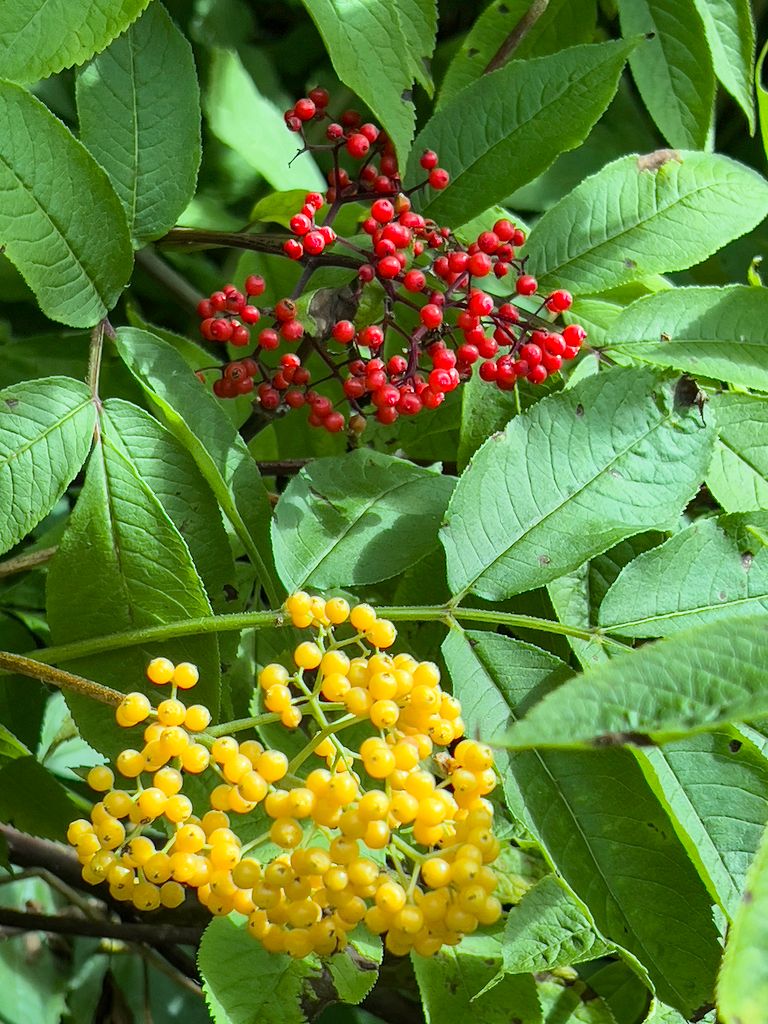
Elderberries (genus Sambucus) are flowering shrubs that offer big clusters of blooms for pollinators and later berries for wildlife. They’re a great choice for naturalized edges, rain-garden style spots, and mixed shrub borders where you want a plant that does a lot without being fussy.
Plant Type
Shrubs > Elderberries
Aliases
Elderberry
Native Range
Varies by species; the genus Sambucus includes species native to parts of North America and other regions.
Bloom window
Late spring to summer (varies by species and local conditions)
OVERVIEW
Elderberries (genus Sambucus) are foundational shrubs, ideal for creating a layered habitat edge or naturalized thicket. They are especially useful in moist soils or rain-garden style spots, providing significant structure and height.
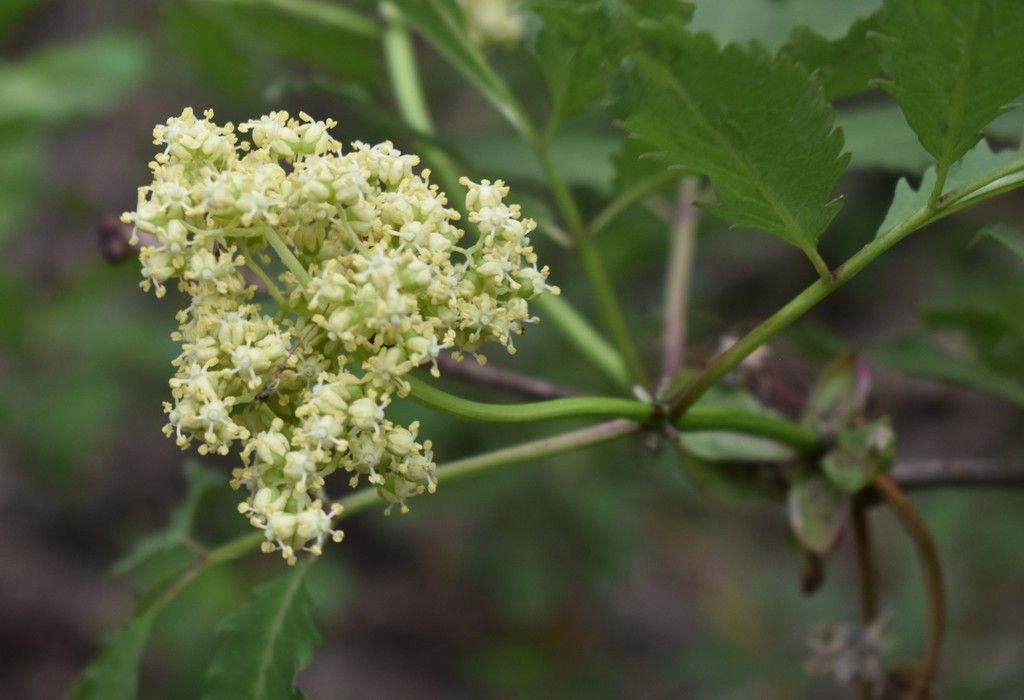
The plant’s ecological value is high: its broad, flat clusters of small flowers provide accessible nectar and pollen for a wide range of native insects in spring/early summer. Following the bloom, the resulting berries become a critical food source for local birds and other wildlife, bridging the seasons. For success, site elderberries where they have room to form a thicket, ensure soil retains moisture, and avoid using systemic pesticides.
FAST FACTS
Essential stats and requirements for quick reference.
| Category | Details |
|---|---|
| Also known as | Elderberry |
| Bloom window | Late spring to summer (varies by species and local conditions) |
| Typical height | Medium to tall shrub (varies by species and pruning) |
| Pollinators supported | Bees, Flies, Beetles, Wasps, Butterflies |
| Light & moisture | Sun to part shade; average to moist soil |
| Best roles for pollinators | Pollinator-friendly shrub borders, naturalized edges, and gardens with average to moist soil |
SUMMARY
A quick scan of what they do, what they need, and the best first step.
Elderberries provide clusters of small flowers that many pollinators can use, then add berries and shelter value in a shrub planting.
Give them sun to part shade and soil that doesn’t stay bone-dry; water while establishing and mulch to keep roots cool.
Plant elderberries where they can get consistent moisture, especially in their first year.
IMPACT
Key Impacts
RECOGNITION
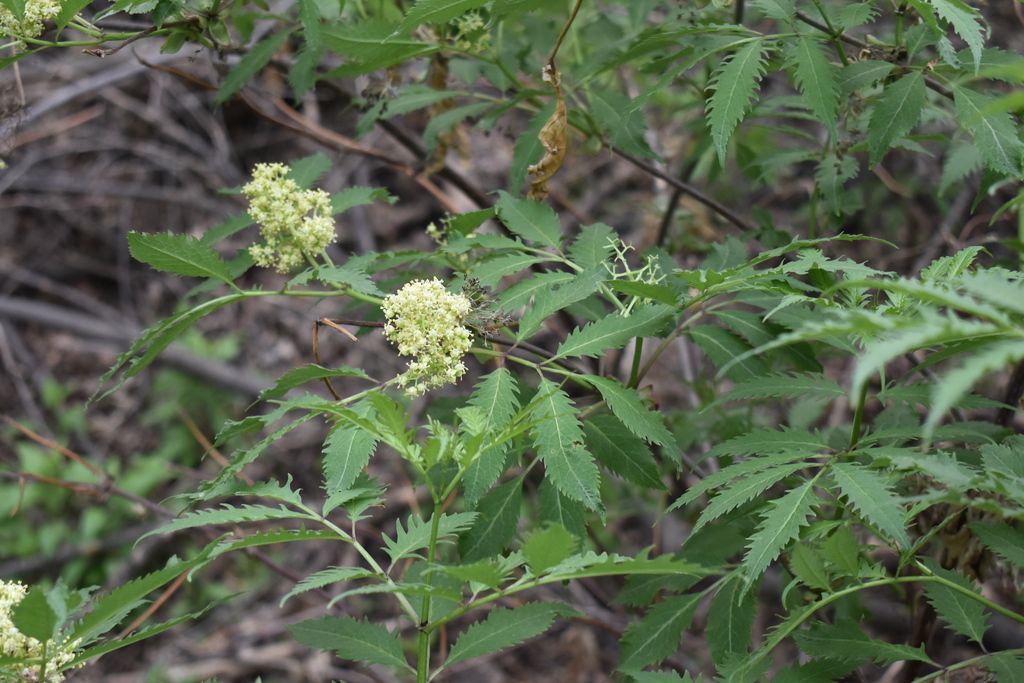
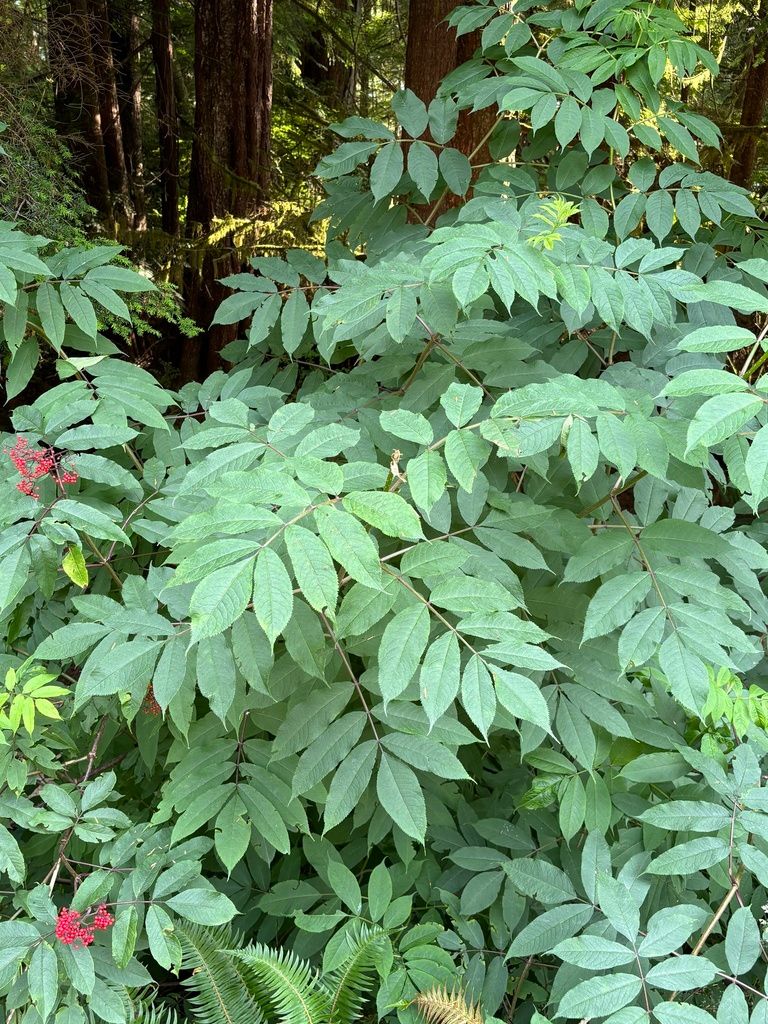
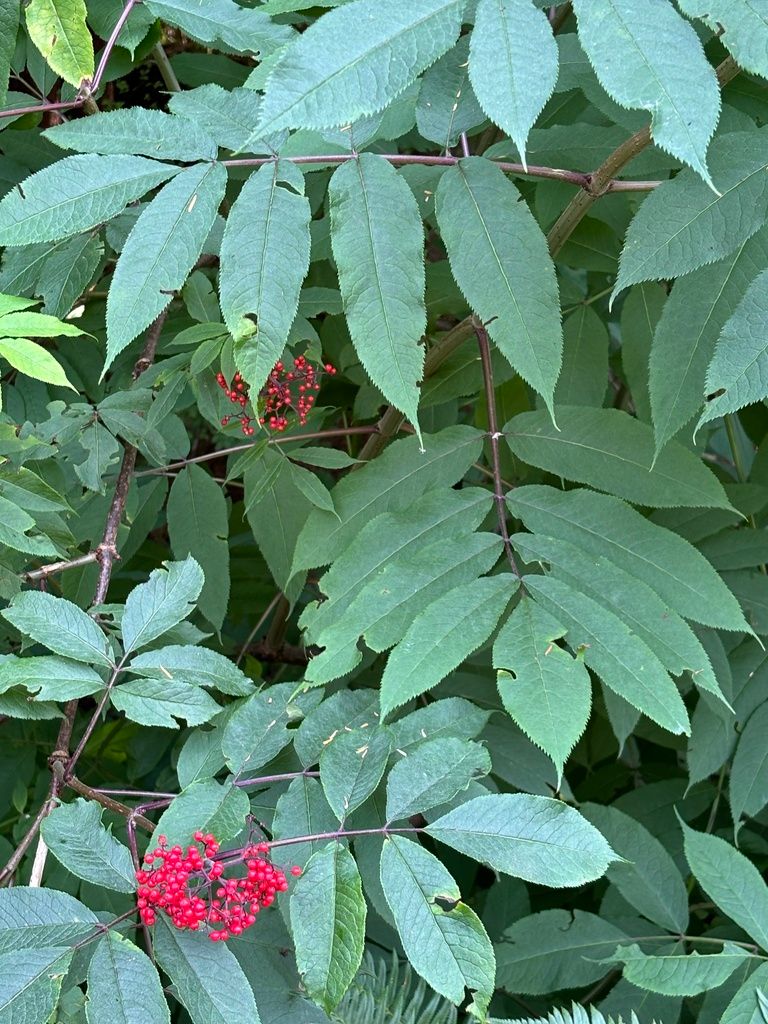
Opposite leaves with multiple leaflets (varies by species); overall a bold, compound-leaf look.
Many tiny flowers packed into broad, flat-topped clusters, usually pale or creamy.
Clusters of small berries that form after flowering; leave for wildlife where appropriate.
LOCATION
Native environments and the best spots to place it in your landscape.
SEASONALITY
Notes on bloom windows and how this plant helps pollinators across the seasons.
Elderberries typically bloom from late spring into summer, depending on the species and your local conditions.
Bloom Season Role: A broad, easy-to-access bloom that can support many small pollinators at once
REQUIREMENTS
The right mix of sun, soil, and space for healthy growth.
Sun to part shade. More sun often means fuller growth and more flowering.
Adaptable, but happiest in soil with some organic matter that holds moisture without staying waterlogged.
Water regularly during the first growing season; after that, water during long dry spells, especially in sandy soils.
Plant at the same depth as the nursery pot. Give it room to spread and to allow airflow through the stems.
Mulch with leaves or wood chips to help keep soil evenly moist; keep mulch a little back from the stems.
GARDENING GUIDE
Simple steps to plant, prune, and maintain healthy trees without pesticides.
Pairings
Pairing ideas to keep pollinators fed throughout the growing season.
GLOSSARY
Glossary terms are being added.
What You Can Do
Turn this knowledge into action. Whether you plant a single pot or a whole garden, you are building a vital bridge for local biodiversity.
Join the movement to restore our shared habitats.