

What they do
Provide showy, nectar- and pollen-rich-looking blooms that can attract a variety of pollinators to your garden.
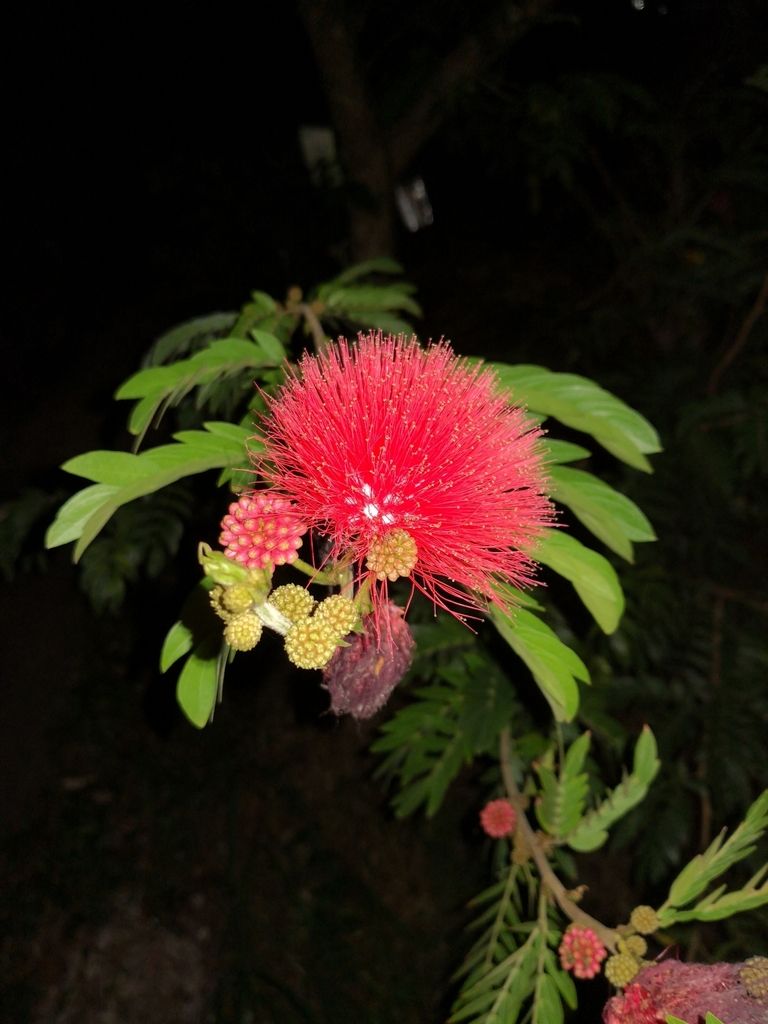
Genus Calliandra
Wild lilacs (genus Calliandra) are warm-climate shrubs known for fluffy “powderpuff” blooms that can add color and pollinator activity to sunny gardens and patios.
Plant Type
Shrubs > Wild lilacs
Aliases
Powderpuff
Native Range
Mexico and the southwestern United States (varies by species within the genus)
Bloom window
Warm-season blooms; timing varies by species and local conditions
OVERVIEW
Wild lilacs (Genus Calliandra) are warm-climate shrubs that function as structural mid-layer plants, adding height and steady seasonal color to sunny gardens and large patio containers. Their brush-like “powderpuff” flowers are a dependable source of nectar for local insects, supporting pollinators during their main bloom window.
To ensure the best ecological benefit, site Calliandra where it receives bright sun and has well-drained soil. When planted correctly, these low-fuss shrubs require minimal maintenance. To maximize pollinator activity, pair them with other flowers that bloom earlier and later in the season, ensuring a continuous food supply. Always avoid systemic pesticides that could harm visiting wildlife.

FAST FACTS
Essential stats and requirements for quick reference.
| Category | Details |
|---|---|
| Also known as | Powderpuff |
| Bloom window | Warm-season blooms; timing varies by species and local conditions |
| Typical height | Varies by species; generally a medium-sized shrub |
| Pollinators supported | Bees, Butterflies, Hummingbirds |
| Light & moisture | Sun to bright light; water needs depend on species—aim for well-drained soil and steady moisture while establishing |
| Best roles for pollinators | Sunny spots where you want a flowering shrub that can support visiting pollinators |
SUMMARY
A quick scan of what they do, what they need, and the best first step.
Provide showy, nectar- and pollen-rich-looking blooms that can attract a variety of pollinators to your garden.
Plenty of light, well-drained soil, and a watering routine that supports establishment without keeping roots constantly wet.
Give it sun and good drainage first—most problems start with soil that stays too wet.
IMPACT
Key Impacts
RECOGNITION
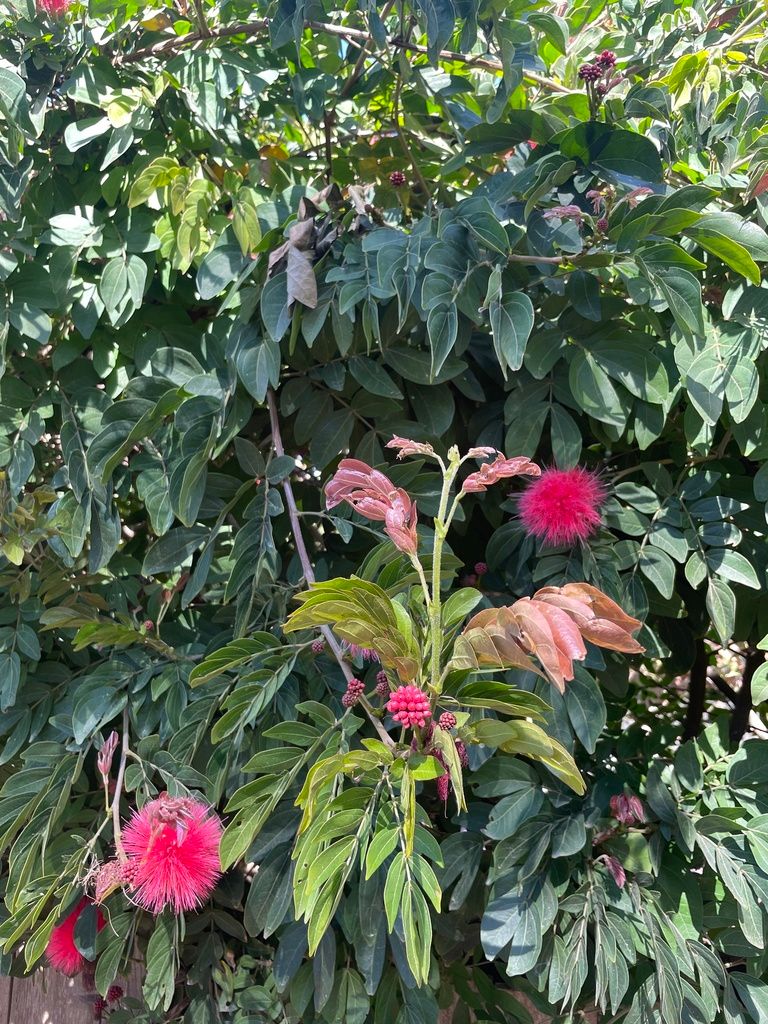
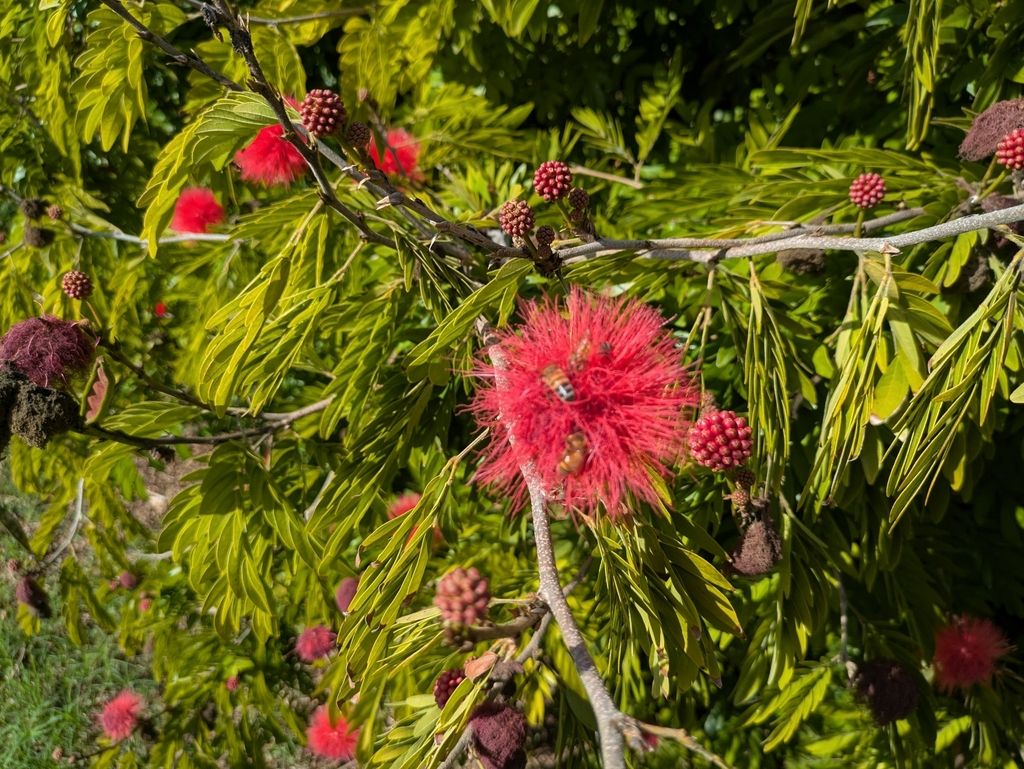
Often fine-textured and divided, giving a light, airy look.
Distinctive fluffy “powderpuff” blooms made of many long stamens; color varies by species.
Typically forms pods after flowering (appearance varies by species).
LOCATION
Native environments and the best spots to place it in your landscape.
SEASONALITY
Notes on bloom windows and how this plant helps pollinators across the seasons.
Bloom timing depends on the species and local conditions, but many Calliandra shrubs flower during warmer parts of the year.
Bloom Season Role: Adds warm-season color and repeat bloom potential in the right conditions
REQUIREMENTS
The right mix of sun, soil, and space for healthy growth.
Choose the sunniest spot you have for best flowering.
Well-drained soil is key. If your soil stays wet, improve drainage or use a raised bed or large container.
Water consistently during the first growing season to help roots establish. After that, water when the top layer of soil dries, adjusting for heat and container growth.
Plant at the same depth as the nursery pot. Give space for airflow and the shrub’s mature width.
Use a light layer of mulch to reduce weeds and even out moisture, keeping mulch a little away from the stems.
GARDENING GUIDE
Simple steps to plant, prune, and maintain healthy trees without pesticides.
Pairings
Pairing ideas to keep pollinators fed throughout the growing season.
GLOSSARY
Glossary terms are being added.
What You Can Do
Turn this knowledge into action. Whether you plant a single pot or a whole garden, you are building a vital bridge for local biodiversity.
Join the movement to restore our shared habitats.
Pollinators supported
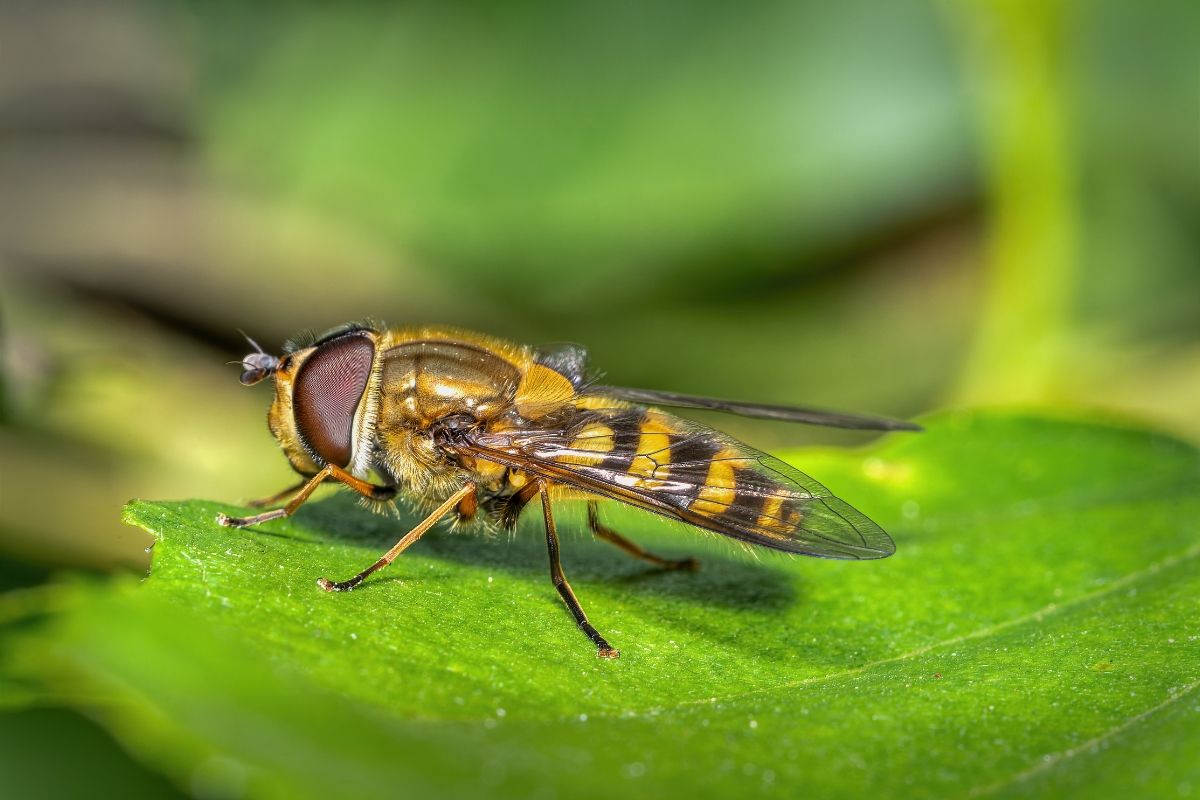
Adults visit flowers for nectar and pollen, and many species’ larvae help keep plant-eating pests in check.
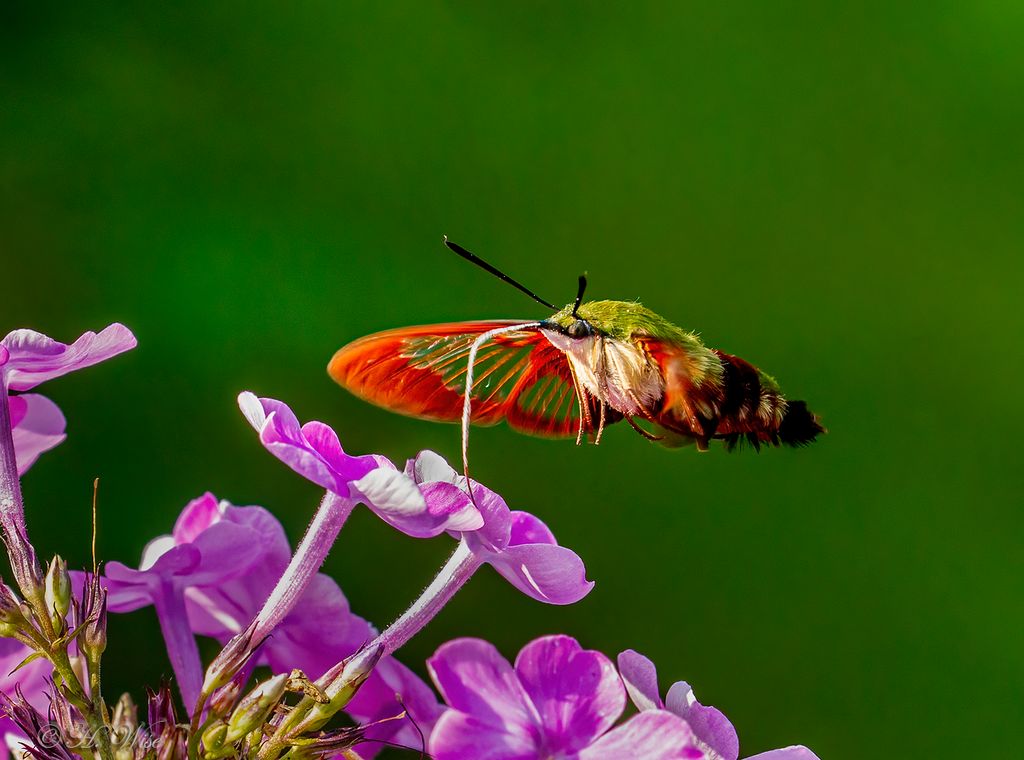
They can move pollen between flowers while feeding on nectar, especially for blooms that open or scent up in the evening.
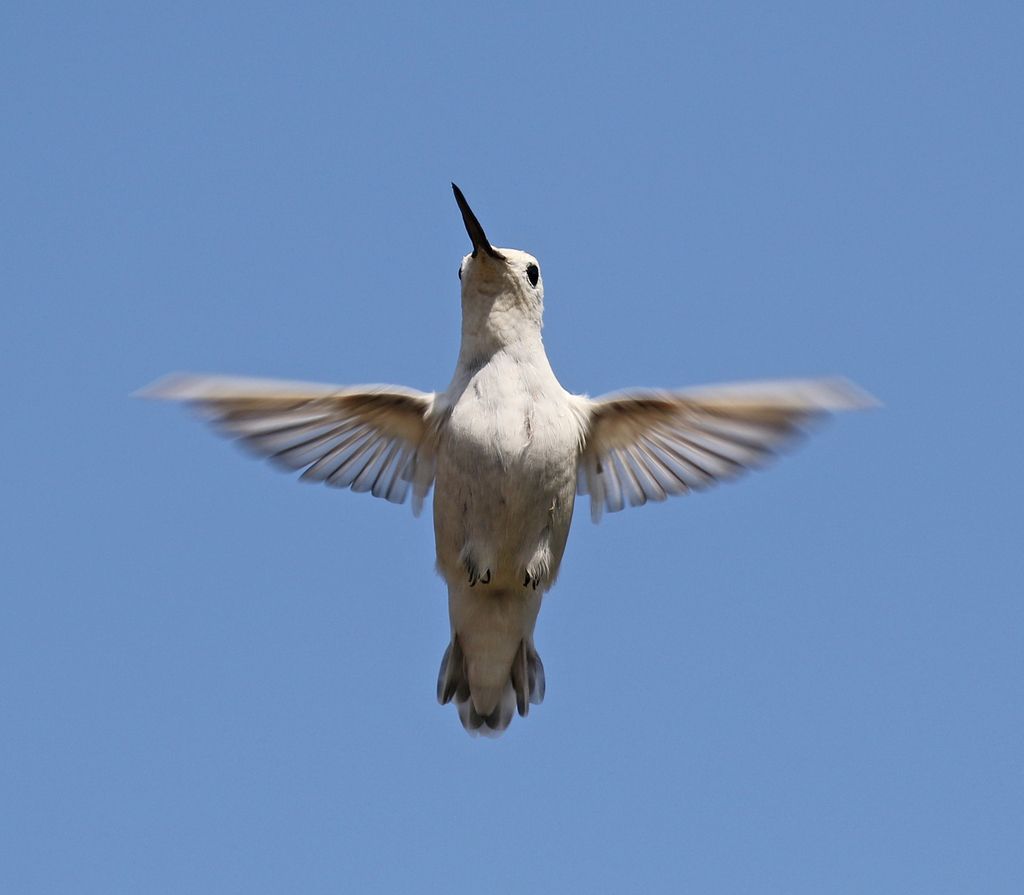
They move pollen between flowers while feeding, helping many plants reproduce.
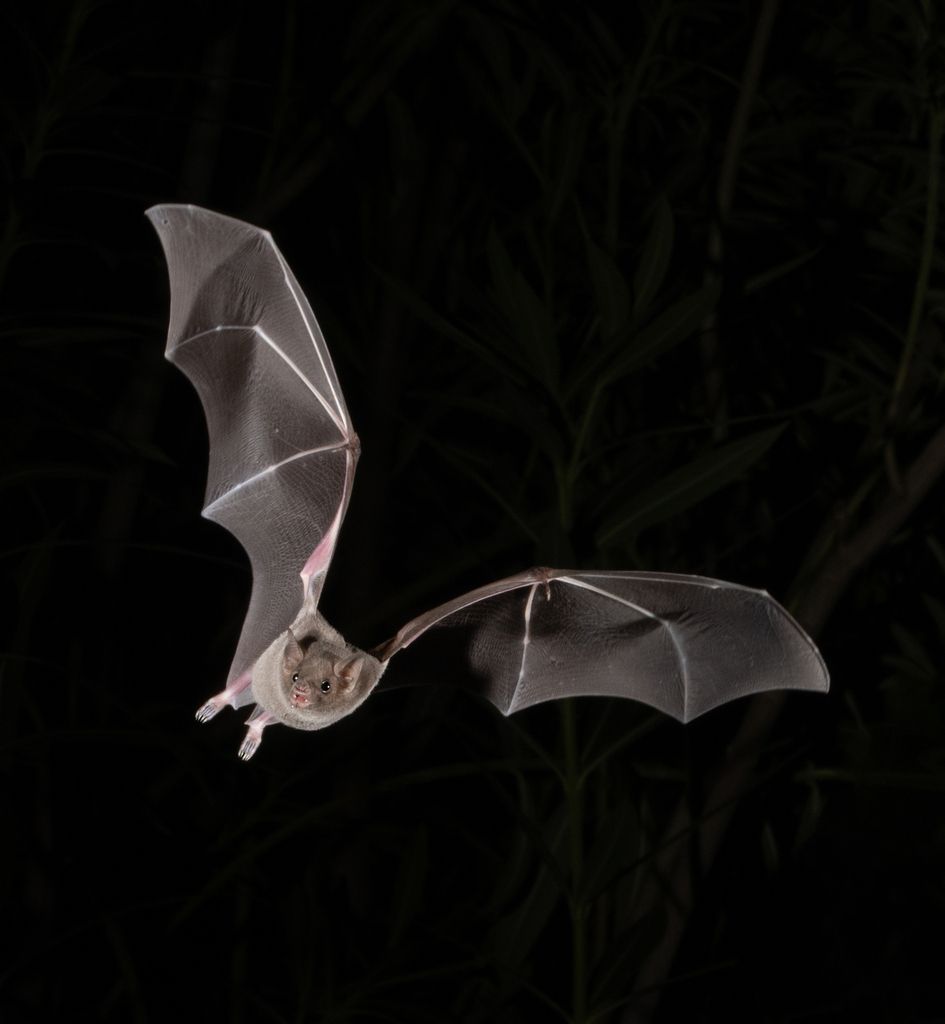
They move pollen between flowers over long distances, helping some plants set fruit and seed.
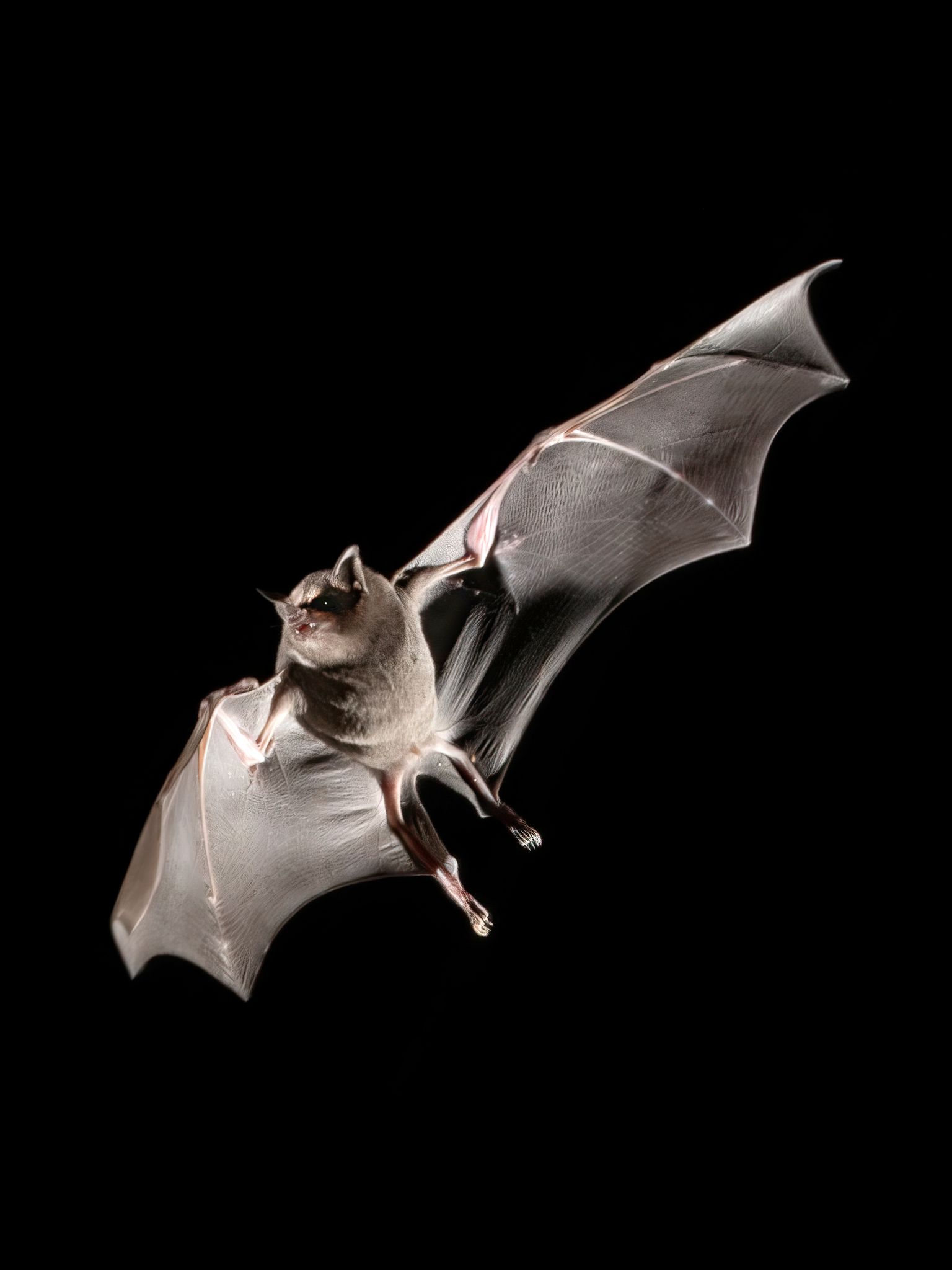
They move pollen between flowers over long distances and help many plants set fruit and seed.
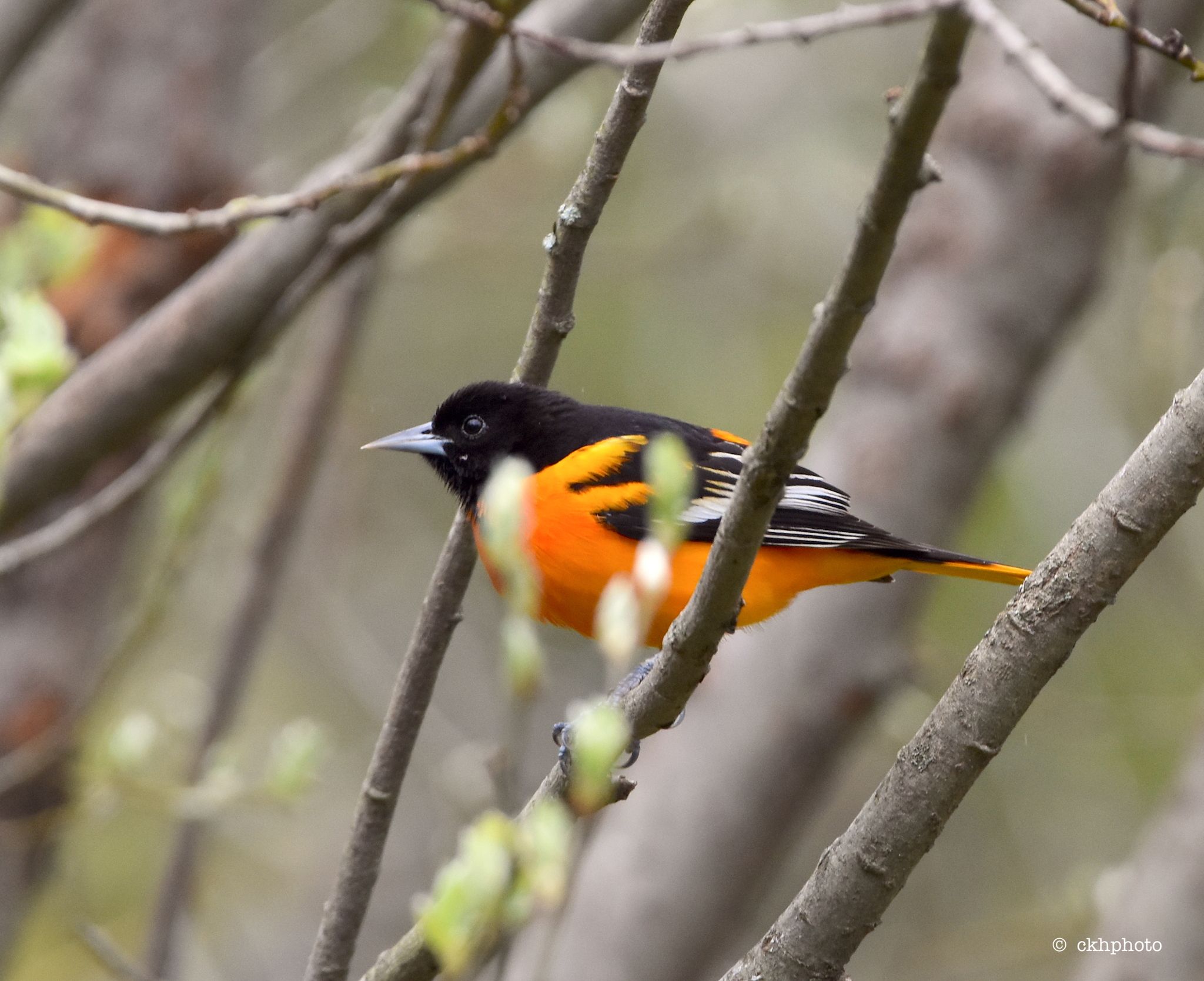
They move pollen between flowers while feeding on nectar, supporting seed and fruit production in many plants.
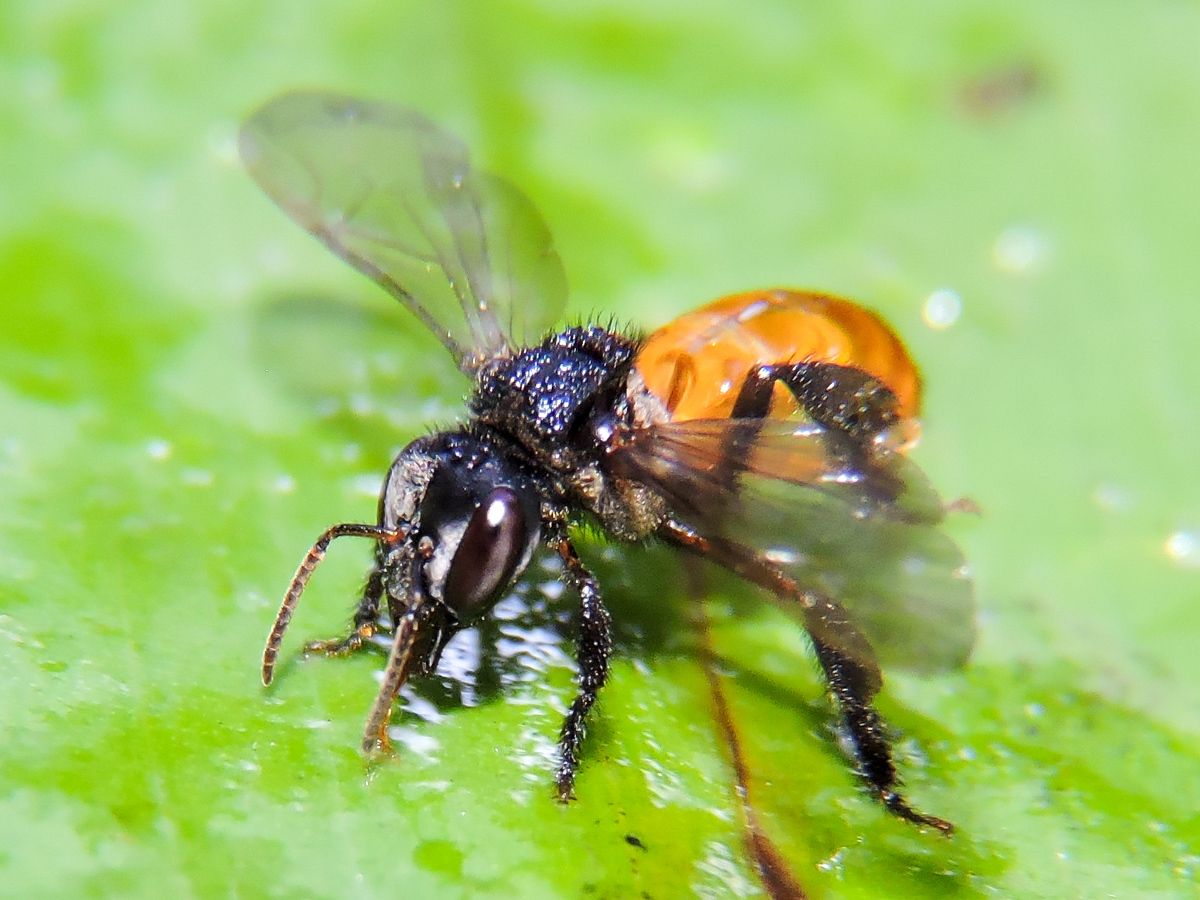
They help pollinate many wild and cultivated plants in tropical and subtropical regions, supporting food webs and biodiversity.