
What they do
New World acacias can add tree-level flowers that many insects can visit, plus light shade and structure in a landscape.
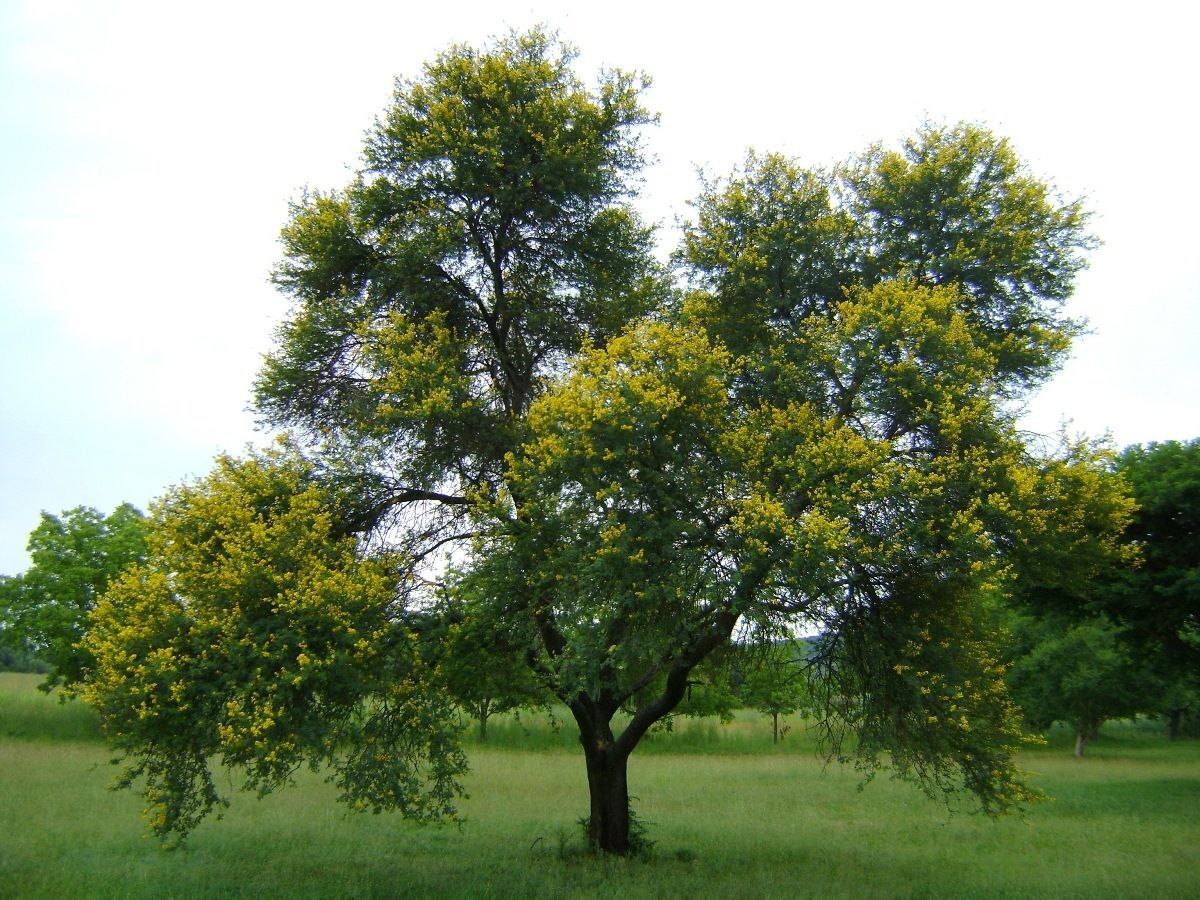
Genera Vachellia & Senegalia
New World acacias—now commonly grouped in the genera Vachellia and Senegalia—are sun-loving trees and large shrubs known for their fluffy, pollen-rich blooms and tough, drought-tolerant nature once established.
Plant Type
Trees > Acacias
Aliases
Acacia
Native Range
The Americas (species-dependent)
Bloom window
Varies by species; often in warm seasons
OVERVIEW
Acacias (Acacia spp.) can serve as dramatic focal points with their vibrant yellow blooms, yet they are not “plant anywhere” trees. If you pair the species with the right conditions—prioritizing full sun, fast-draining soil, and protection from severe frost—you will minimize issues with root rot and ensure vigorous displays.
When designing a pollinator haven, consider the Acacia a significant source of pollen. Supplement it with nectar-producing plants that bloom later in the year to bridge gaps in food availability. Because these trees attract a high volume of foraging insects, avoid pesticides completely to protect the biodiversity they support.
FAST FACTS
Essential stats and requirements for quick reference.
| Category | Details |
|---|---|
| Also known as | Acacia |
| Bloom window | Varies by species; often in warm seasons |
| Typical height | Varies by species; from large shrubs to medium-sized trees |
| Pollinators supported | Bees, Butterflies, Flies, Beetles, Wasps |
| Light & moisture | Full sun is usually best; moisture needs depend on the species, but many handle dry spells once established. |
| Best roles for pollinators | Sunny yards, school grounds, and community spaces where a tough, flowering tree is needed and there’s room to place it safely away from high-traffic areas. |
SUMMARY
A quick scan of what they do, what they need, and the best first step.
New World acacias can add tree-level flowers that many insects can visit, plus light shade and structure in a landscape.
Bright light, well-drained soil, and enough space—plus the right species choice for your region and site.
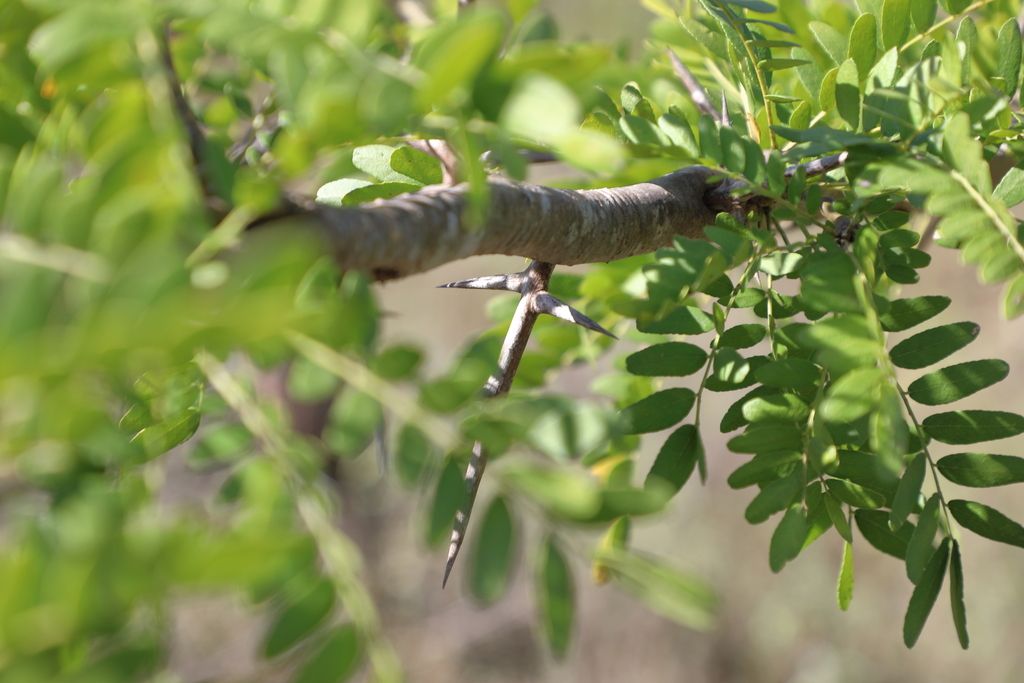
Before you buy, confirm the exact species (and whether it has thorns) so you can place it safely and match it to your conditions.
IMPACT
Key Impacts
RECOGNITION
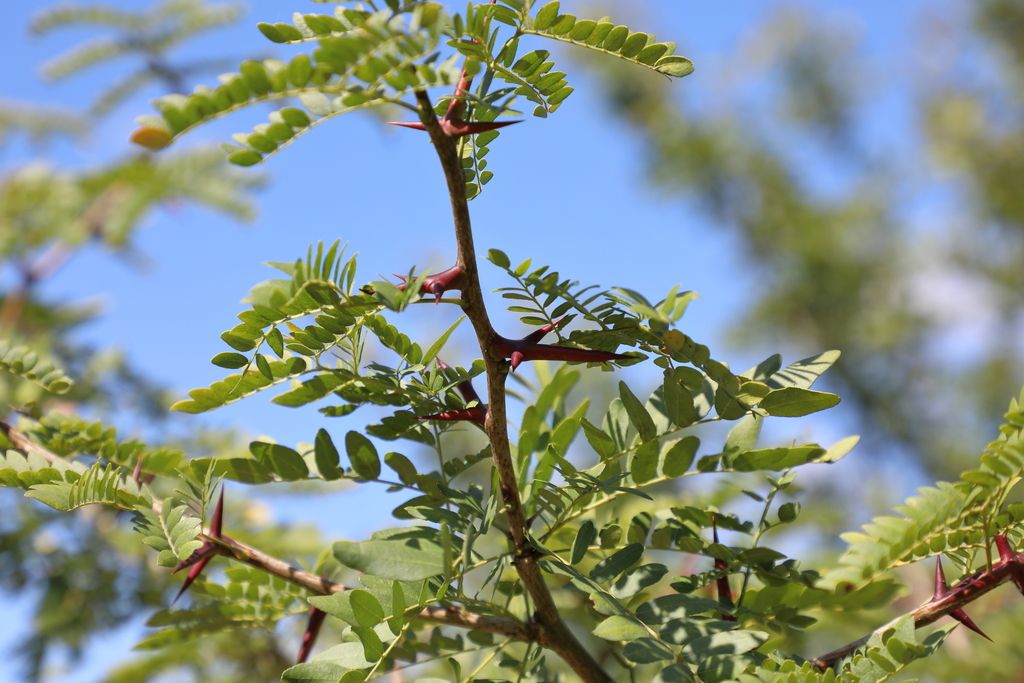
Usually compound and finely divided, giving a feathery look; leaf shape and size vary by species.
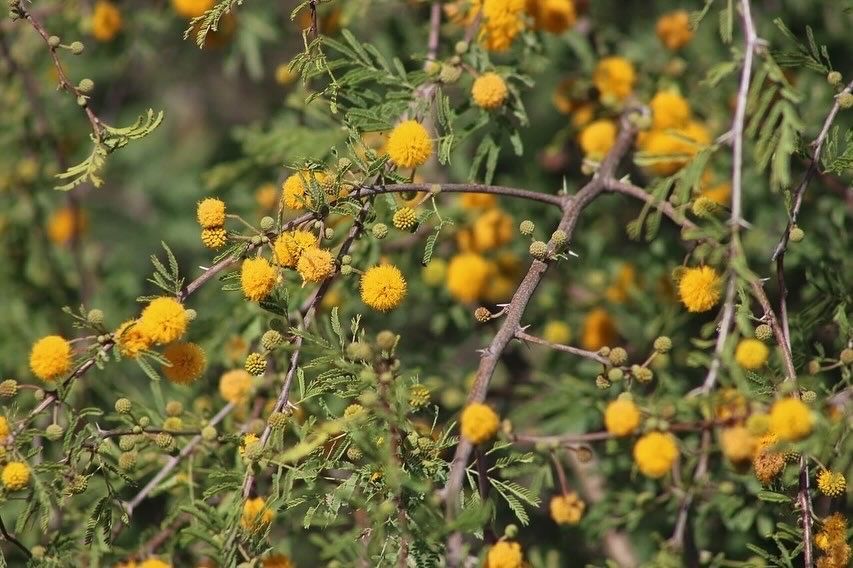
Many tiny flowers packed into round, fluffy clusters or short spikes; often pale to bright yellow or cream, depending on species.
Legume pods that mature after flowering; pod size and shape vary.
LOCATION
Native environments and the best spots to place it in your landscape.
SEASONALITY
Notes on bloom windows and how this plant helps pollinators across the seasons.
Bloom timing varies widely across Vachellia and Senegalia species and depends on local conditions.
Bloom Season Role: A flowering tree that can add a burst of nectar and pollen when in bloom.
REQUIREMENTS
The right mix of sun, soil, and space for healthy growth.
Full sun is typically best for strong growth and flowering.
Well-drained soil; many species tolerate lean soils. Avoid sites that stay wet.
Water regularly during establishment; once established, many species handle dry periods better than constantly wet soil.
Give plenty of space for the mature canopy and keep thorny species away from paths, doors, and play areas.
Use a thin mulch layer to reduce weeds and protect soil, keeping mulch pulled back from the trunk.
GARDENING GUIDE
Simple steps to plant, prune, and maintain healthy trees without pesticides.
Pairings
Pairing ideas to keep pollinators fed throughout the growing season.
GLOSSARY
Glossary terms are being added.
What You Can Do
Turn this knowledge into action. Whether you plant a single pot or a whole garden, you are building a vital bridge for local biodiversity.
Join the movement to restore our shared habitats.