
What they do
Provide a concentrated spring bloom that can help feed early-season pollinators.
Genus Malus
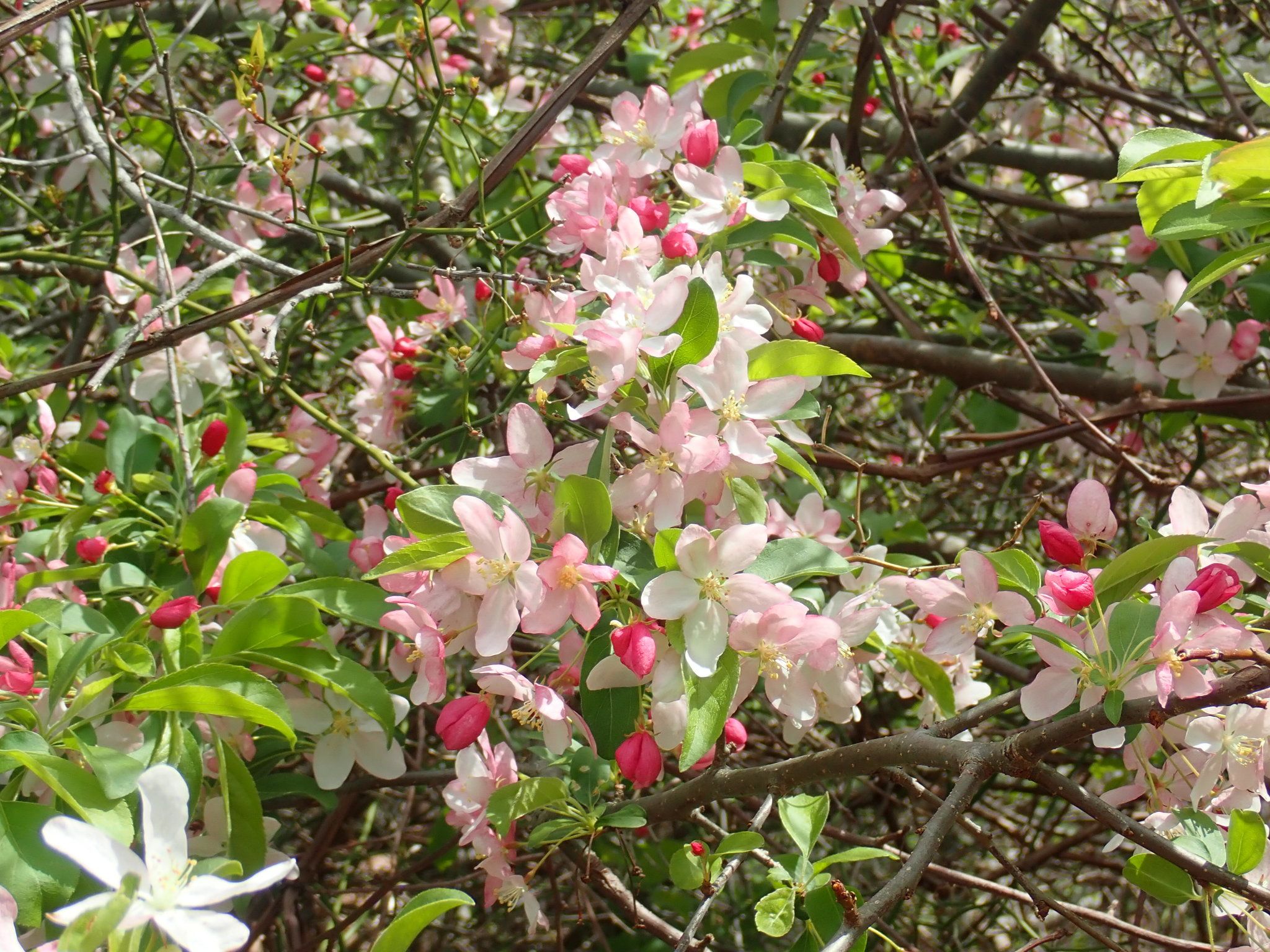
Apples and crabapples are flowering trees in the genus Malus that can add a big burst of spring blossoms for pollinators, followed by small fruits that many birds and other wildlife may use.
Plant Type
Trees > Apples & crabapples
Aliases
Crabapple
Native Range
Apples and crabapples include species native to parts of North America as well as many cultivated and regional selections; what’s “native” depends on the species and local planting choices.
Bloom window
Spring
OVERVIEW
Apples and crabapples (genus Malus) are classic spring-flowering trees that can fit into many landscapes, from small yards to larger school grounds. During bloom, their many blossoms can draw a variety of pollinators. After flowering, trees set fruit—sometimes large and edible, sometimes small and ornamental—adding another season of interest.
When planning a planting, focus on the basics: a sunny site, decent drainage, and enough space for the tree to grow without constant heavy pruning. Good airflow and simple, timely pruning can also help reduce common issues and keep the tree vigorous.
If your goal is pollinator support, the most important choice is how you manage the area around the tree: avoid pesticides, especially during bloom, and build a longer flowering season by adding perennials and shrubs that bloom before and after the tree’s spring show.
FAST FACTS
Essential stats and requirements for quick reference.
| Category | Details |
|---|---|
| Also known as | Crabapple |
| Bloom window | Spring |
| Typical height | Varies widely by species and cultivar; from small ornamental trees to larger shade trees |
| Pollinators supported | Bees, Flies, Beetles |
| Light & moisture | Generally best in sun with average moisture (varies by species and cultivar) |
| Best roles for pollinators | Spring pollinator support, small yards (dwarf forms), schoolyards and parks, and anyone who wants a flowering tree with seasonal interest. |
SUMMARY
A quick scan of what they do, what they need, and the best first step.
Provide a concentrated spring bloom that can help feed early-season pollinators.
A sunny, well-chosen site with room to grow and basic care in the first few years.
Pick a planting spot with enough sun and space so the tree can stay healthy with minimal intervention.
IMPACT
Key Impacts
RECOGNITION
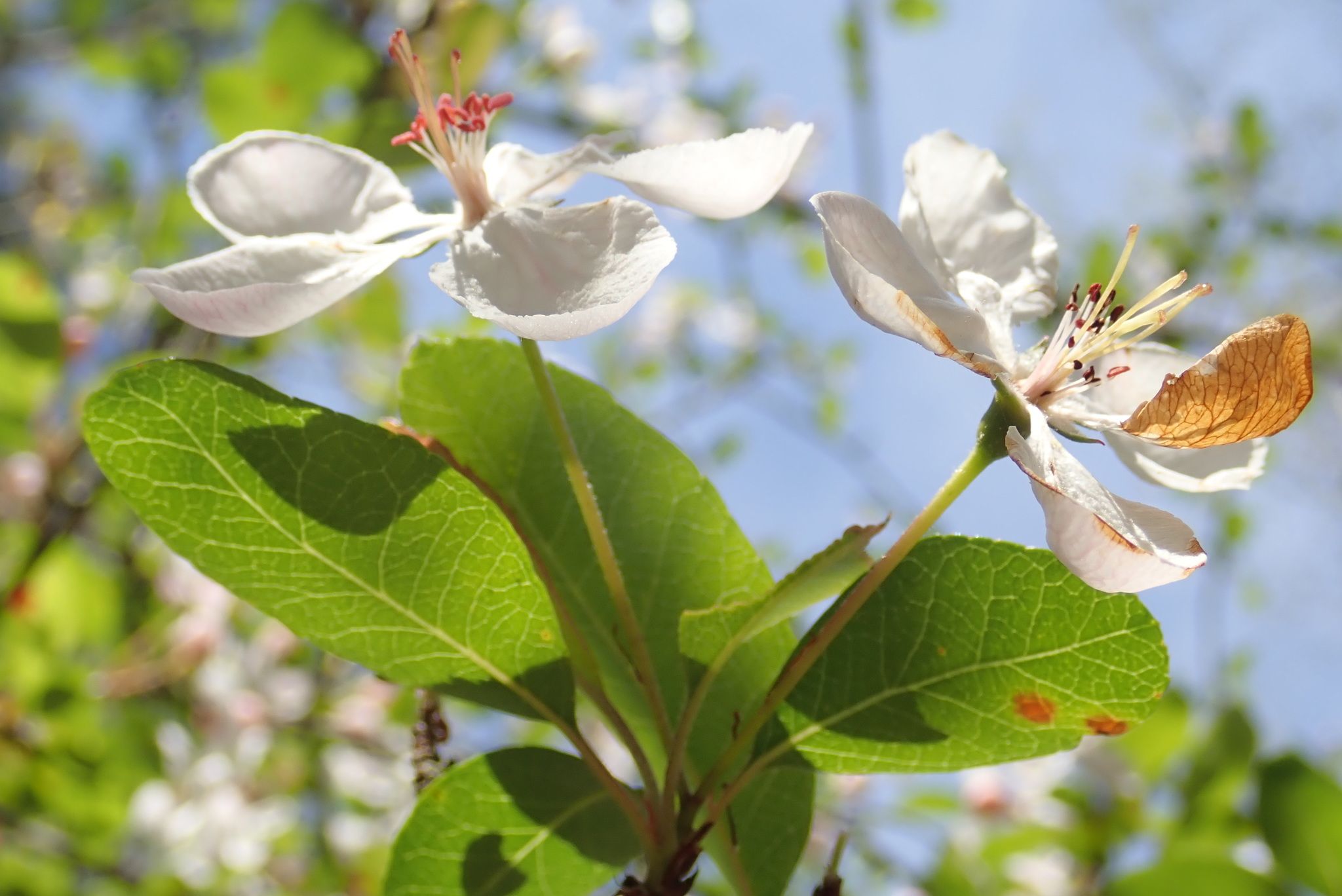
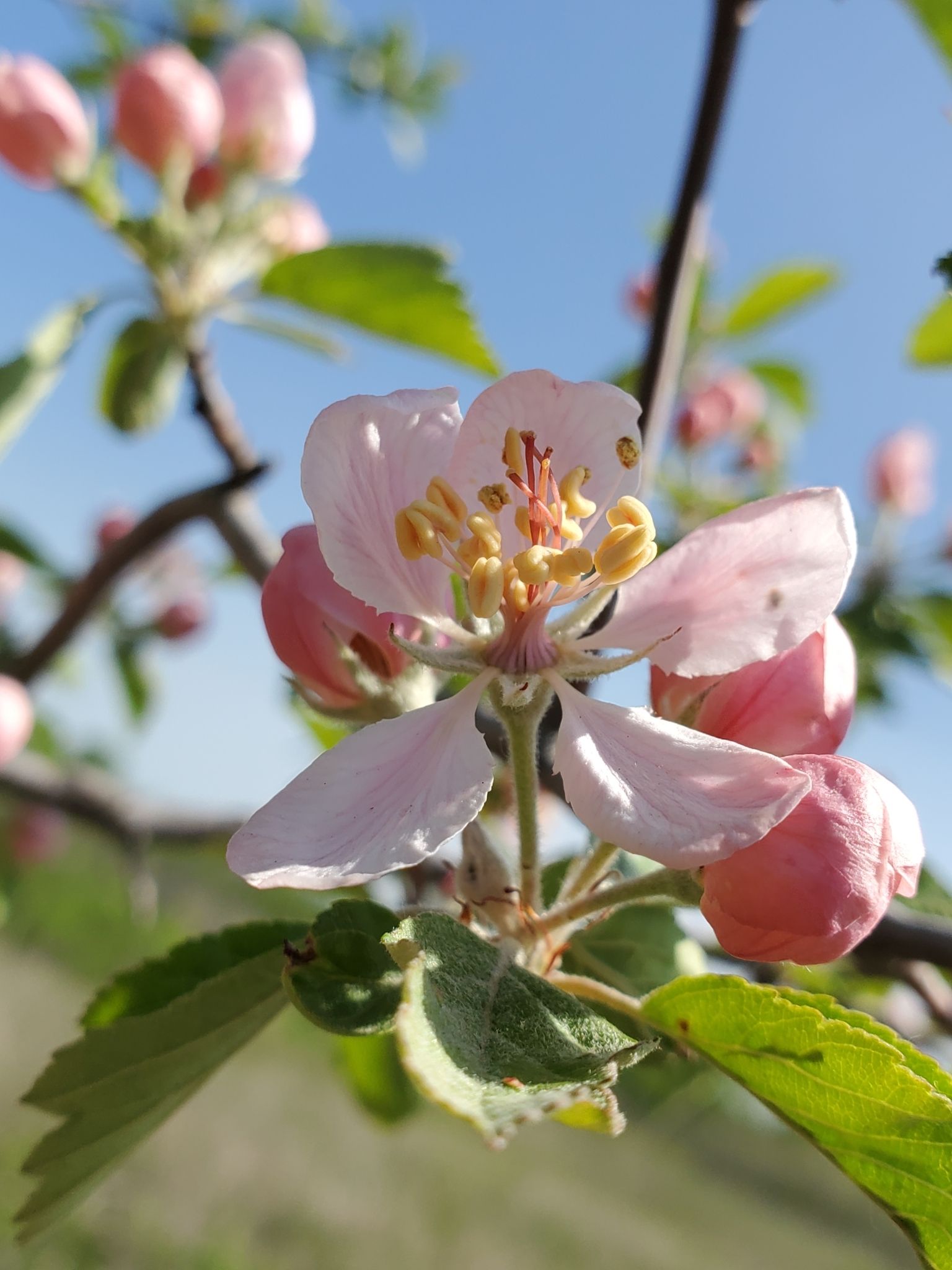
Simple, oval leaves with toothed edges; leaf size and texture vary by type.
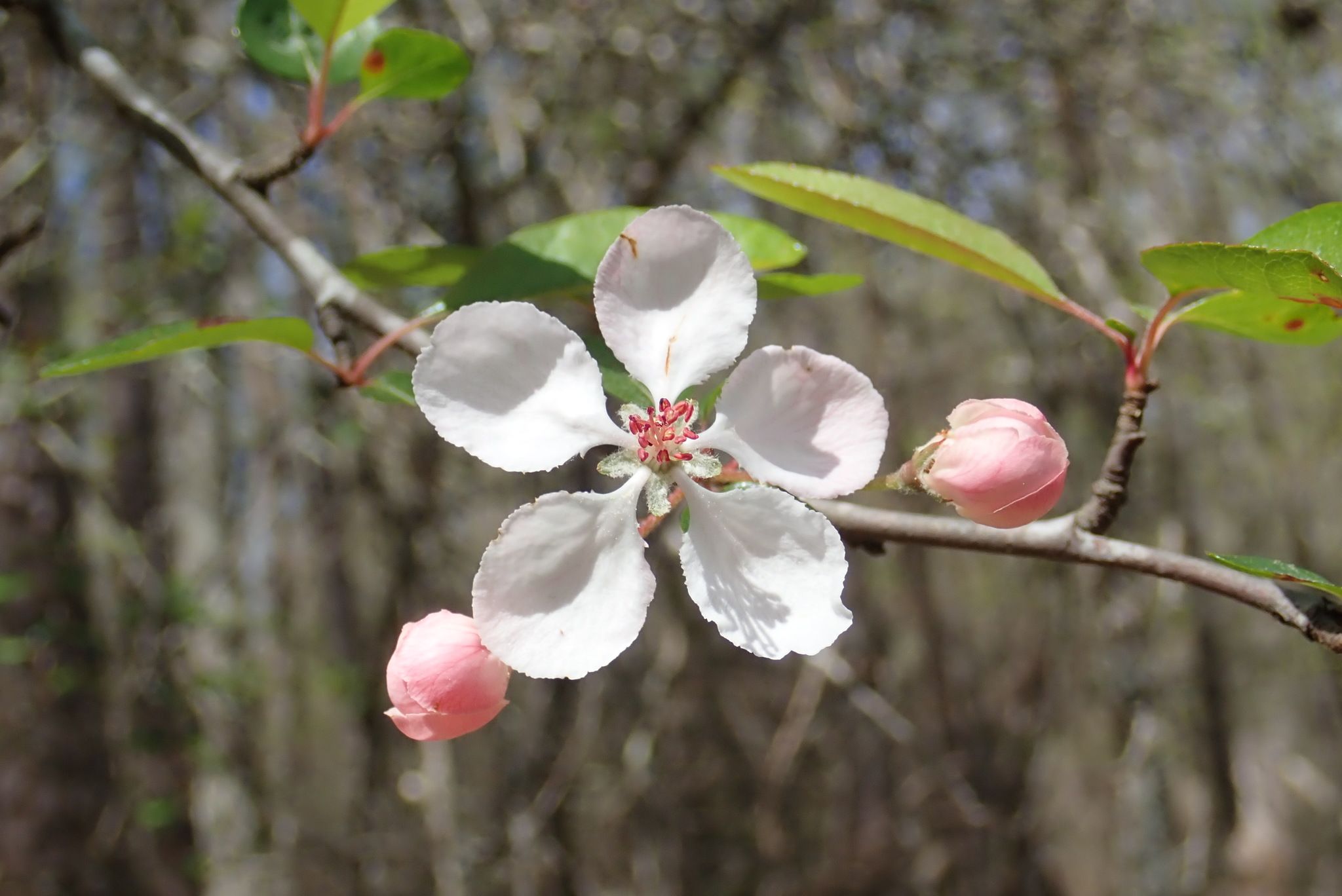
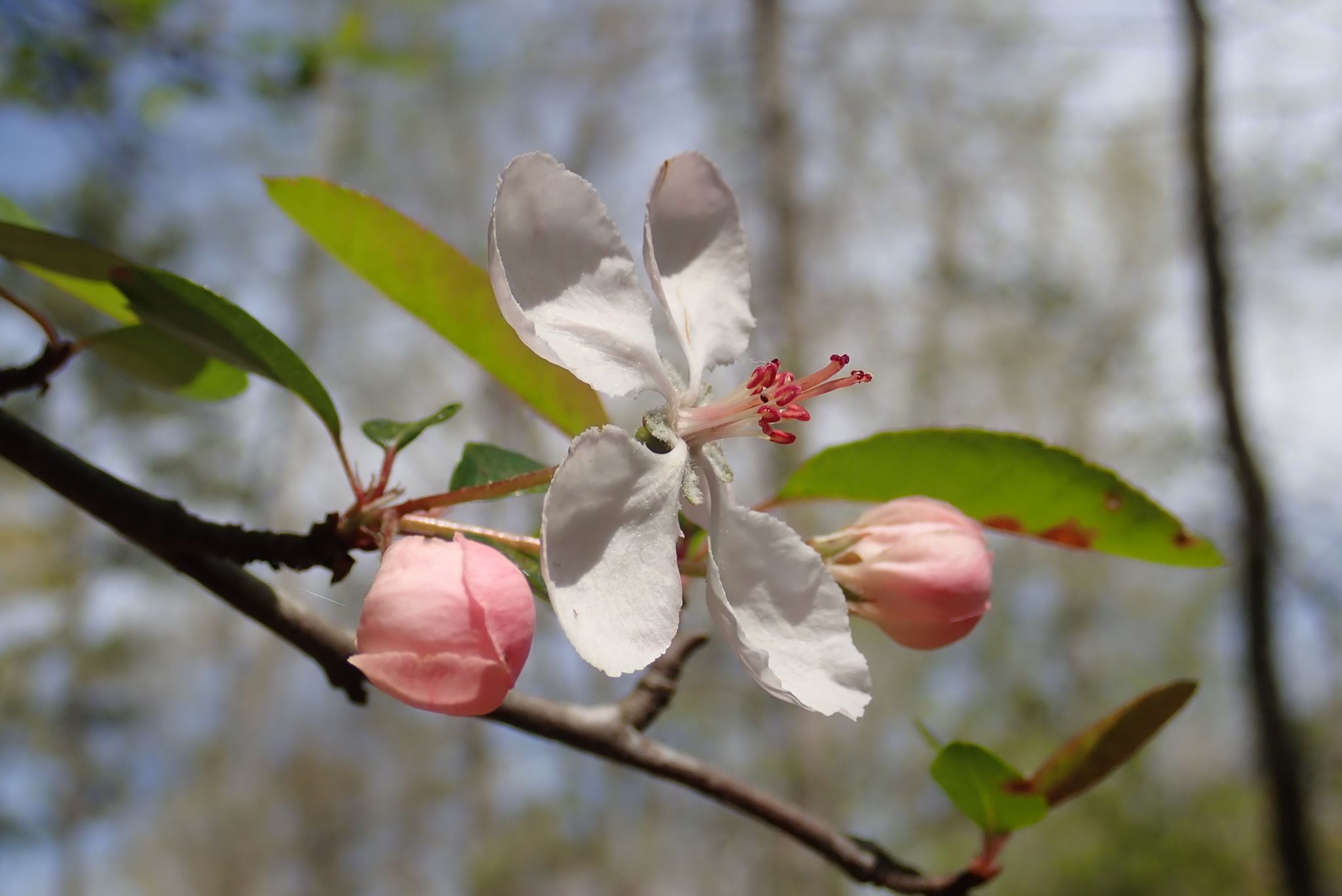
Clusters of five-petaled blossoms, often white to pink, opening in spring.
Round pome fruits that range from small crabapples to larger apples, depending on the type.
LOCATION
Native environments and the best spots to place it in your landscape.
SEASONALITY
Notes on bloom windows and how this plant helps pollinators across the seasons.
Apple and crabapple bloom is usually a short, showy event in spring.
Bloom Season Role: Spring burst of blossoms
REQUIREMENTS
The right mix of sun, soil, and space for healthy growth.
Plant in a bright spot; more sun usually means better flowering and stronger growth.
Most do best in reasonably fertile, well-drained soil; avoid compacted or waterlogged areas when possible.
Water regularly during establishment; once established, many handle typical garden conditions, but prolonged drought can stress trees.
Give the tree enough room for its mature size and airflow; keep the trunk flare visible and avoid planting too deep.
Mulch in a wide ring to protect roots and hold moisture, but keep mulch pulled back from the trunk.
GARDENING GUIDE
Simple steps to plant, prune, and maintain healthy trees without pesticides.
Pairings
Pairing ideas to keep pollinators fed throughout the growing season.
GLOSSARY
Glossary terms are being added.
What You Can Do
Turn this knowledge into action. Whether you plant a single pot or a whole garden, you are building a vital bridge for local biodiversity.
Join the movement to restore our shared habitats.