

What they do
Ash trees add long-term structure and shade, and their spring flowers can offer early-season resources for some insects.
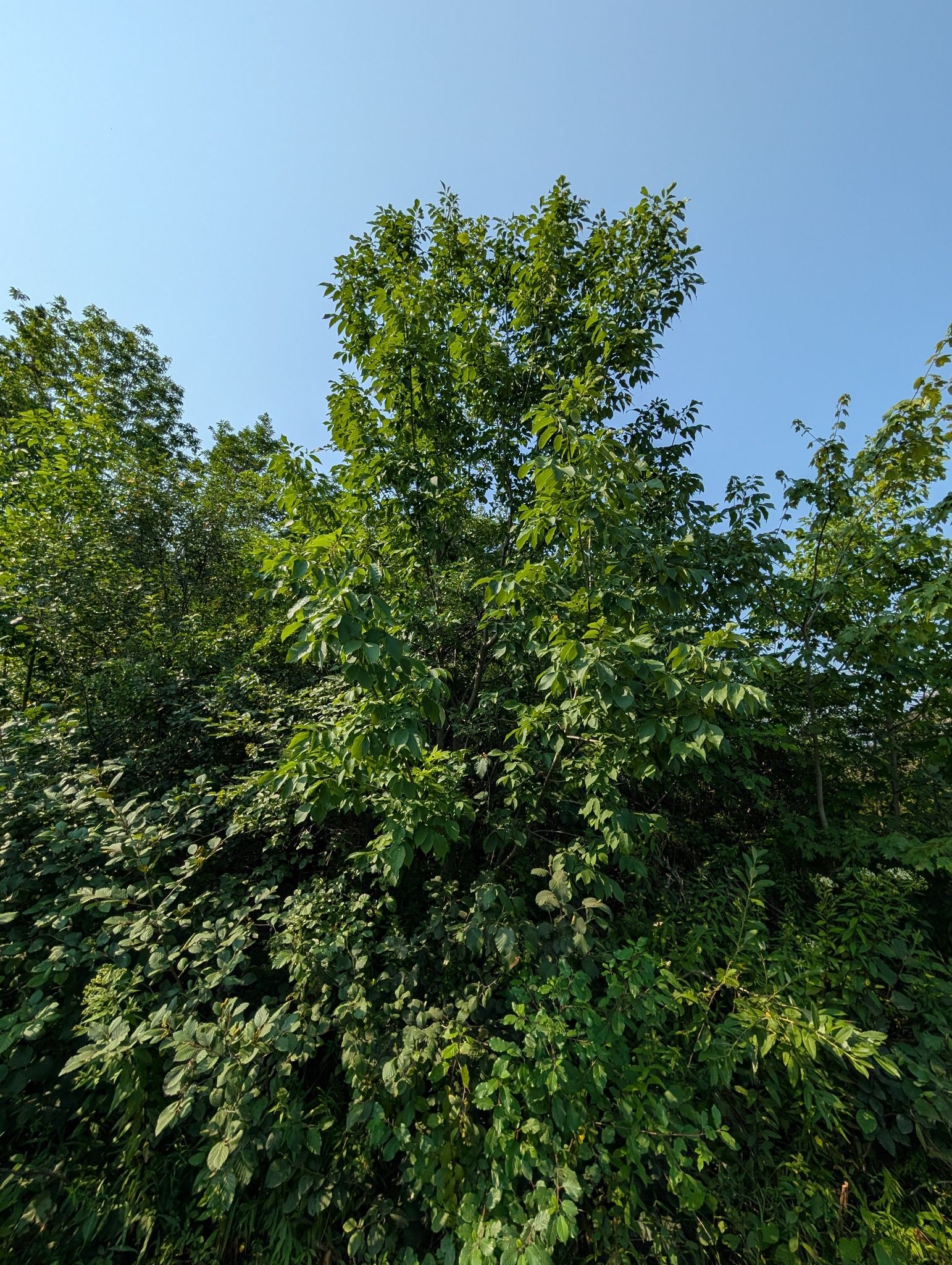
Genus Fraxinus
Ash trees (genus Fraxinus) are familiar shade trees with airy canopies and clusters of winged seeds. While they’re not known for showy flowers, they can still play a role in a pollinator-friendly yard by offering spring pollen and a tree canopy that supports a healthier garden below.
Plant Type
Trees > Ashes
Aliases
Ash
Native Range
Varies by species; ashes occur across parts of North America, Europe, and Asia.
Bloom window
Spring (flowers are small and not showy)
OVERVIEW
Ash trees (genus Fraxinus) are foundational habitat builders that provide essential canopy shade and structure, enabling diverse understory ecosystems to thrive. Their early-season flowers, though small, offer a vital “spring kickoff” source of nectar and pollen for emerging native insects, making them a key component of layered, resilient habitat, particularly in North America.
To maximize their ecological value, site Ash trees where they have room to mature, favoring deep, well-drained soil. Maintenance should focus on establishing the young tree with consistent water and giving it ample space. Crucially, avoid all systemic pesticides to protect pollinators, as these chemicals are absorbed by the plant and can harm foraging insects. Frame the Ash tree as a working part of a resilient, layered habitat.
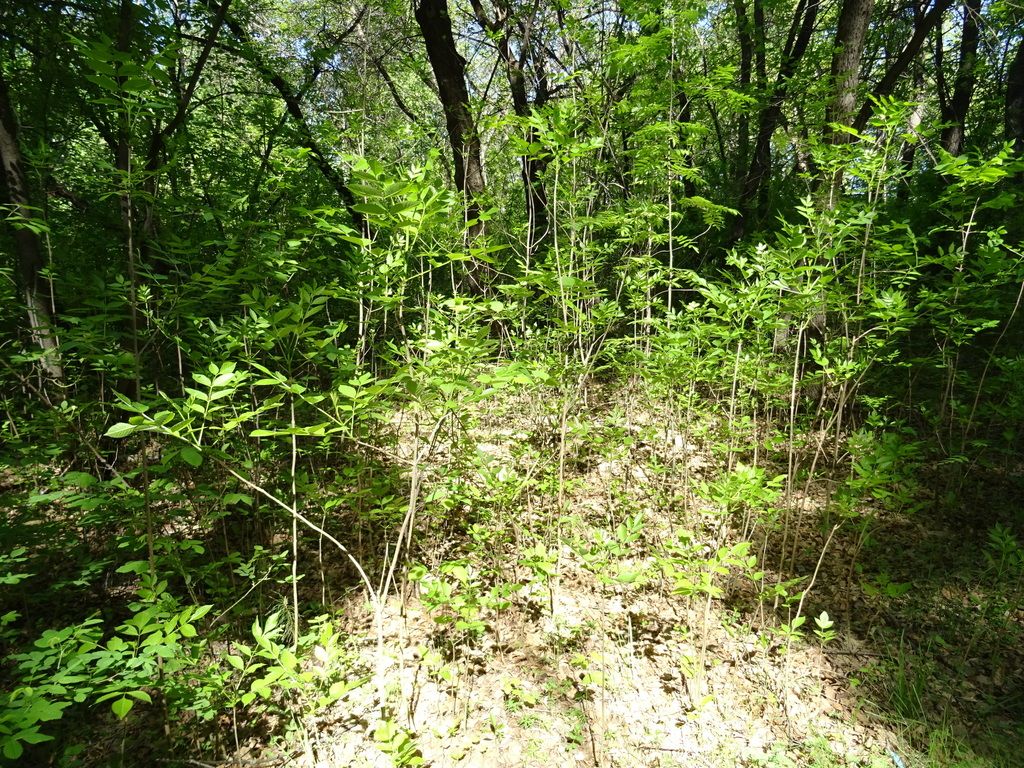
FAST FACTS
Essential stats and requirements for quick reference.
| Category | Details |
|---|---|
| Also known as | Ash |
| Bloom window | Spring (flowers are small and not showy) |
| Typical height | Medium to large tree (varies by species and growing conditions) |
| Pollinators supported | Bees, Flies |
| Light & moisture | Full sun to part shade; adaptable once established (varies by species and site) |
| Best roles for pollinators | Adding shade and structure while supporting a layered garden with pollinator-friendly plants below |
SUMMARY
A quick scan of what they do, what they need, and the best first step.
Ash trees add long-term structure and shade, and their spring flowers can offer early-season resources for some insects.
Space to grow, steady watering while establishing, and protection from trunk and root damage.
Create a mulch ring and plant pollinator-friendly flowers in the sunny edges and nearby beds to make the whole area more useful for pollinators.
IMPACT
Key Impacts
RECOGNITION
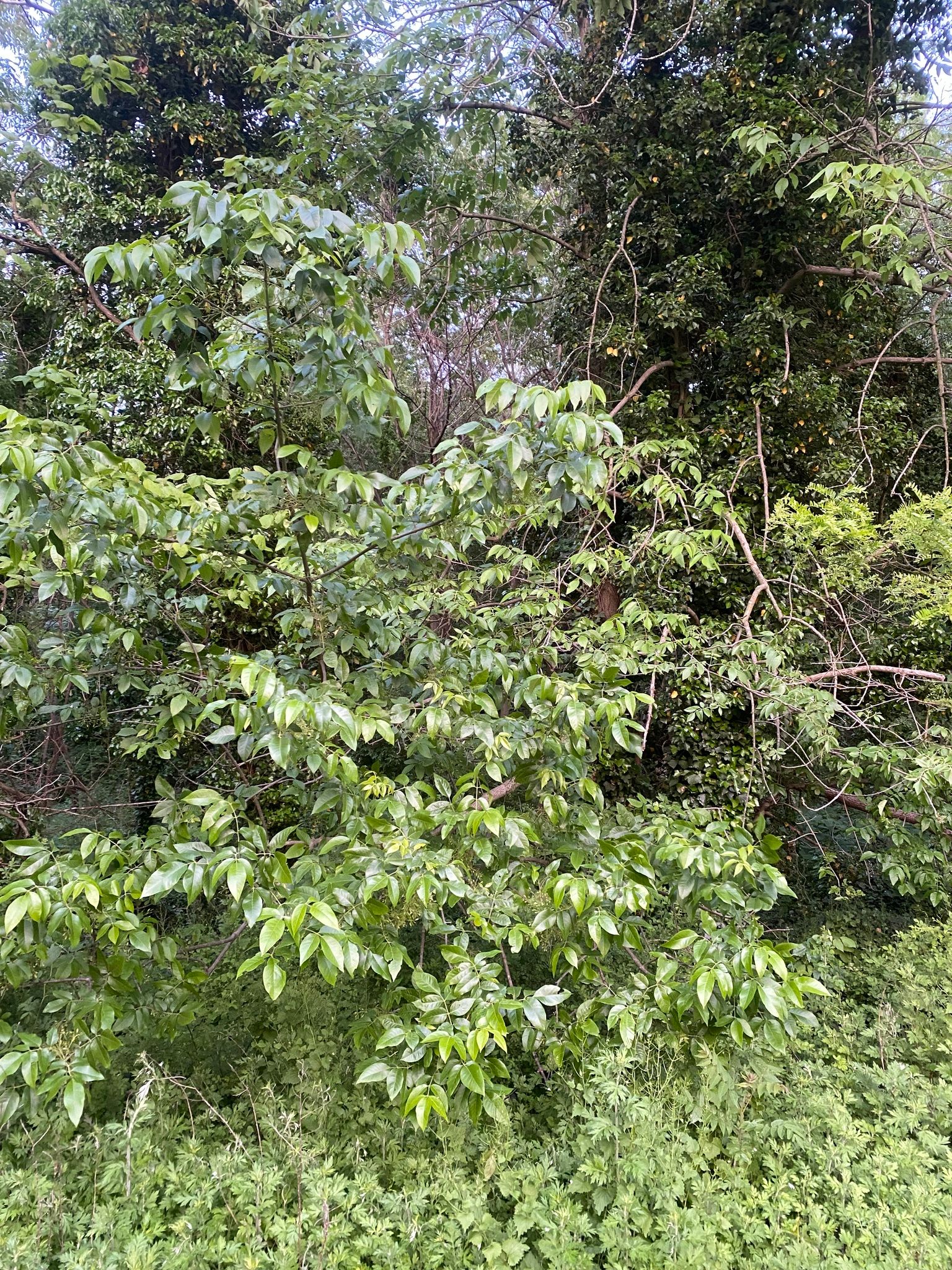
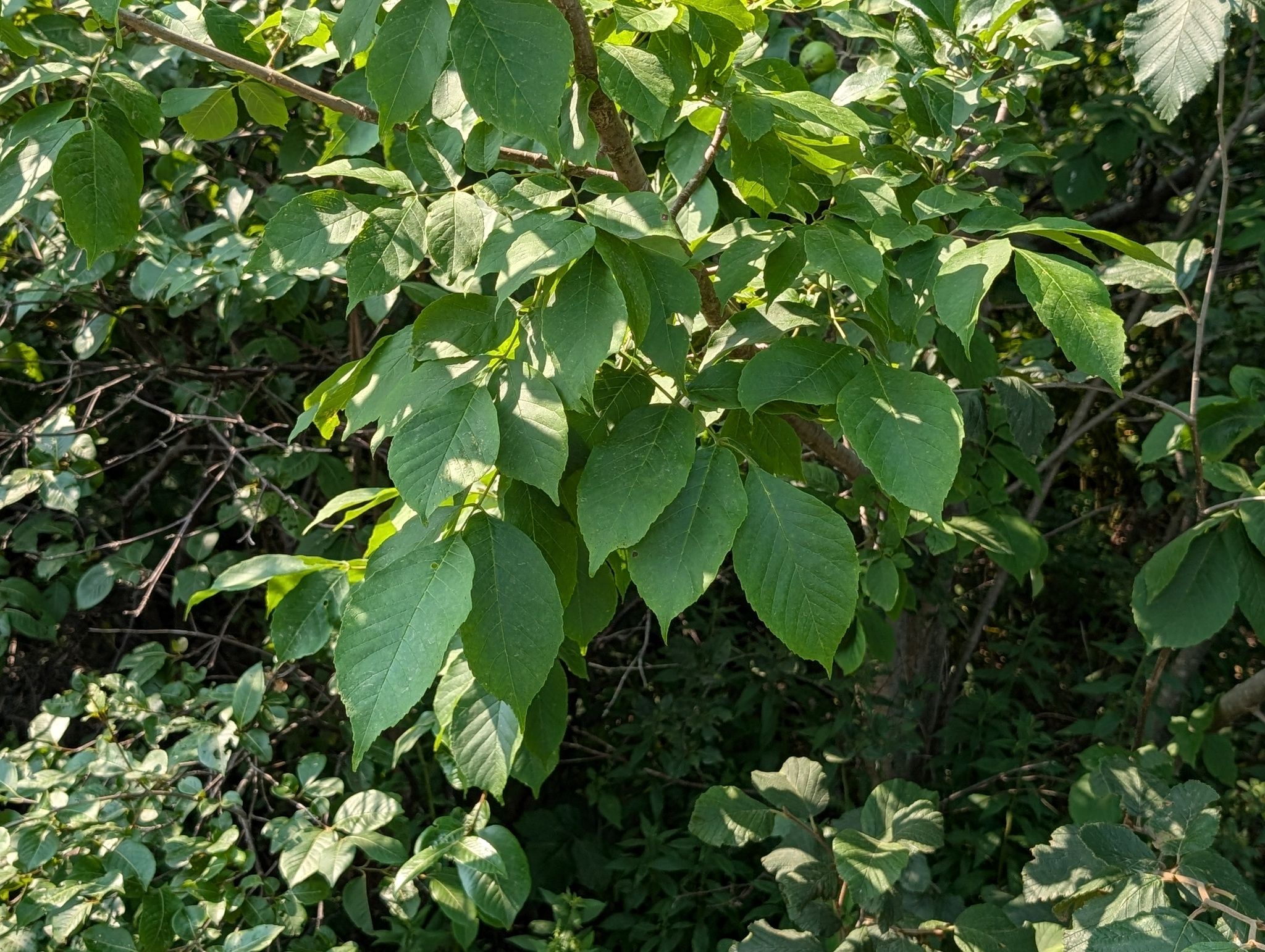
Usually compound leaves with multiple leaflets; leaflets are often oval to lance-shaped with a pointed tip.
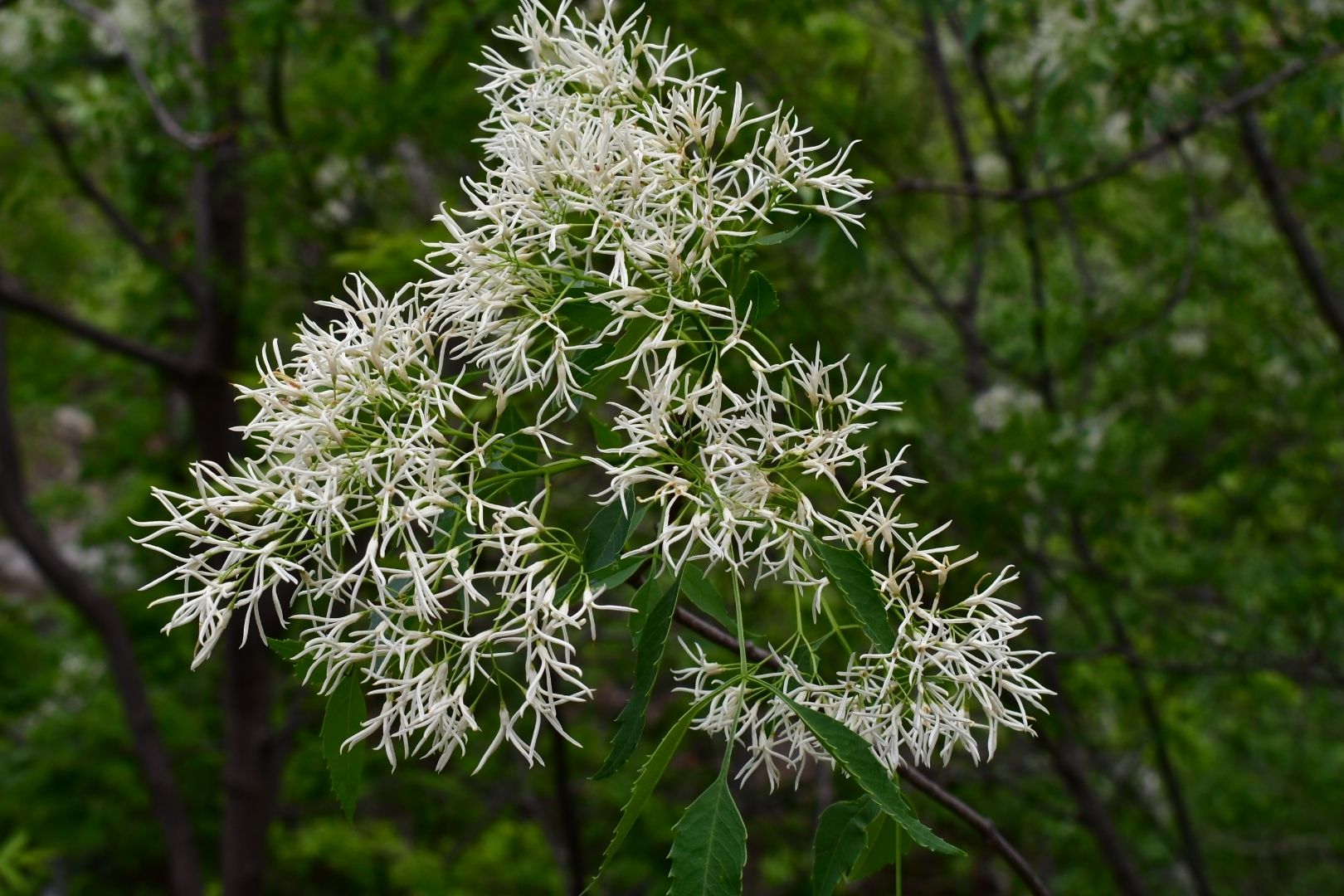
Small, clustered spring flowers; not showy and may appear before or with leaves depending on the species.
Winged seeds (samaras) often hanging in clusters.
LOCATION
Native environments and the best spots to place it in your landscape.
SEASONALITY
Notes on bloom windows and how this plant helps pollinators across the seasons.
Ash flowers are small and easy to overlook, but they can appear early in the growing season.
Bloom Season Role: Early-season pollen from small spring flowers (varies by species)
REQUIREMENTS
The right mix of sun, soil, and space for healthy growth.
Full sun is best for strong growth; many ashes tolerate part shade.
Prefers well-drained soil but can be adaptable; avoid sites that stay soggy for long periods.
Water regularly during the first seasons after planting; once established, water during long dry spells.
Plant with the root flare at soil level and give plenty of space for canopy and roots.
Add a wide mulch ring (not touching the trunk) to protect roots and reduce competition from grass.
GARDENING GUIDE
Simple steps to plant, prune, and maintain healthy trees without pesticides.
Pairings
Pairing ideas to keep pollinators fed throughout the growing season.
GLOSSARY
Glossary terms are being added.
What You Can Do
Turn this knowledge into action. Whether you plant a single pot or a whole garden, you are building a vital bridge for local biodiversity.
Join the movement to restore our shared habitats.