

What they do
Provide shade and a short, fragrant bloom period that can attract many pollinators.
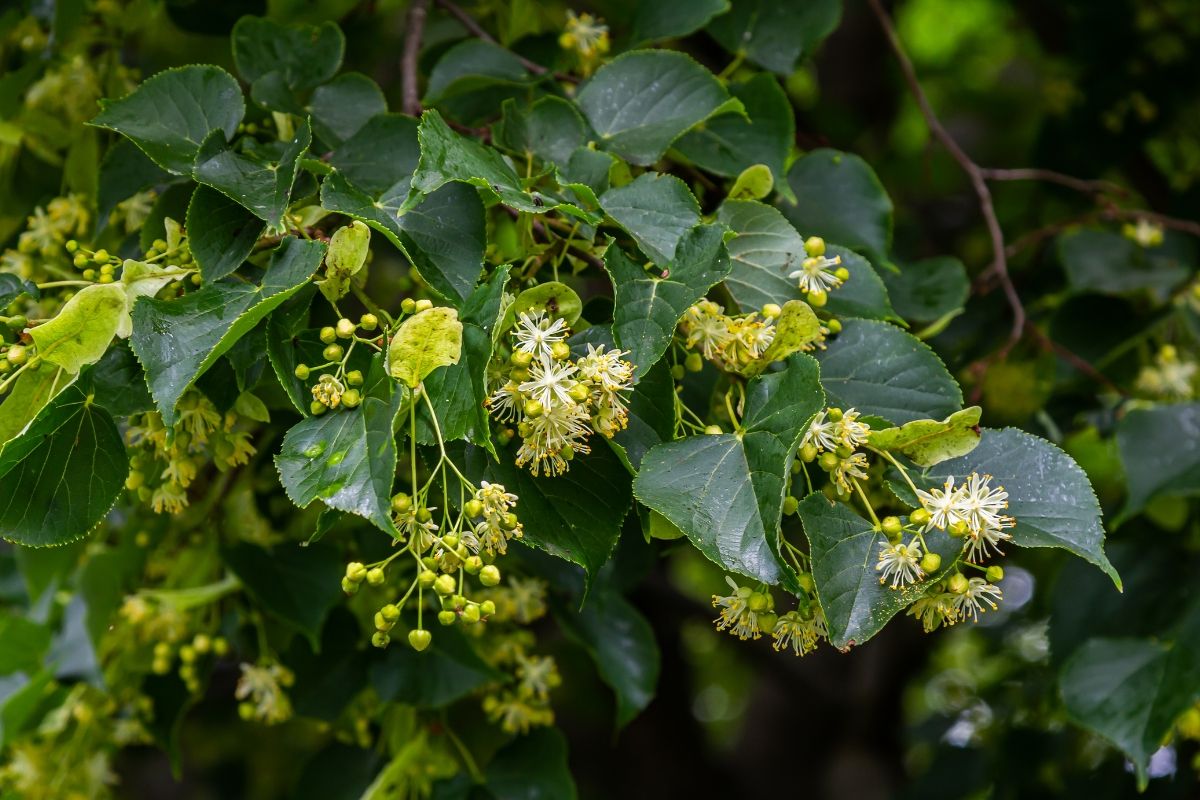
Genus Tilia
Basswoods and lindens (genus Tilia) are shade-giving trees known for their sweet-smelling summer flowers that can be a busy stop for many pollinators.
Plant Type
Trees > Basswoods & lindens
Aliases
Basswood, linden
Native Range
Varies by species within the genus Tilia; commonly planted in cities and gardens.
Bloom window
Summer
OVERVIEW
Basswoods and lindens (Genus Tilia) are foundational canopy trees known for providing substantial shade and structure. Their greatest value to local wildlife is the short, intense bloom window in summer when the sweet-smelling flowers offer a significant source of nectar and pollen for a wide range of emerging insects, including many native bees.
If you plant a Tilia, the key to success is choosing a location that allows for its eventual large size—it is a big-picture tree built for long-term canopy contribution in yards, parks, or school grounds. To maximize pollinator benefit, keep the area pesticide-free, especially when the tree is flowering. To ensure year-round resources, supplement the brief summer bloom by planting early- and late-season flowers beneath the canopy.
FAST FACTS
Essential stats and requirements for quick reference.
| Category | Details |
|---|---|
| Also known as | Basswood, linden |
| Bloom window | Summer |
| Typical height | Medium to tall tree |
| Pollinators supported | Bees, Butterflies, Flies |
| Light & moisture | Sun to part shade; average moisture once established. |
| Best roles for pollinators | People who want a long-lived shade tree that also offers a seasonal burst of pollinator-friendly flowers. |
SUMMARY
A quick scan of what they do, what they need, and the best first step.
Provide shade and a short, fragrant bloom period that can attract many pollinators.
Room to grow, steady watering while establishing, and a pesticide-free approach—especially during bloom.
Choose a planting spot with plenty of space for the mature canopy and keep the area pesticide-free.
IMPACT
Key Impacts
RECOGNITION
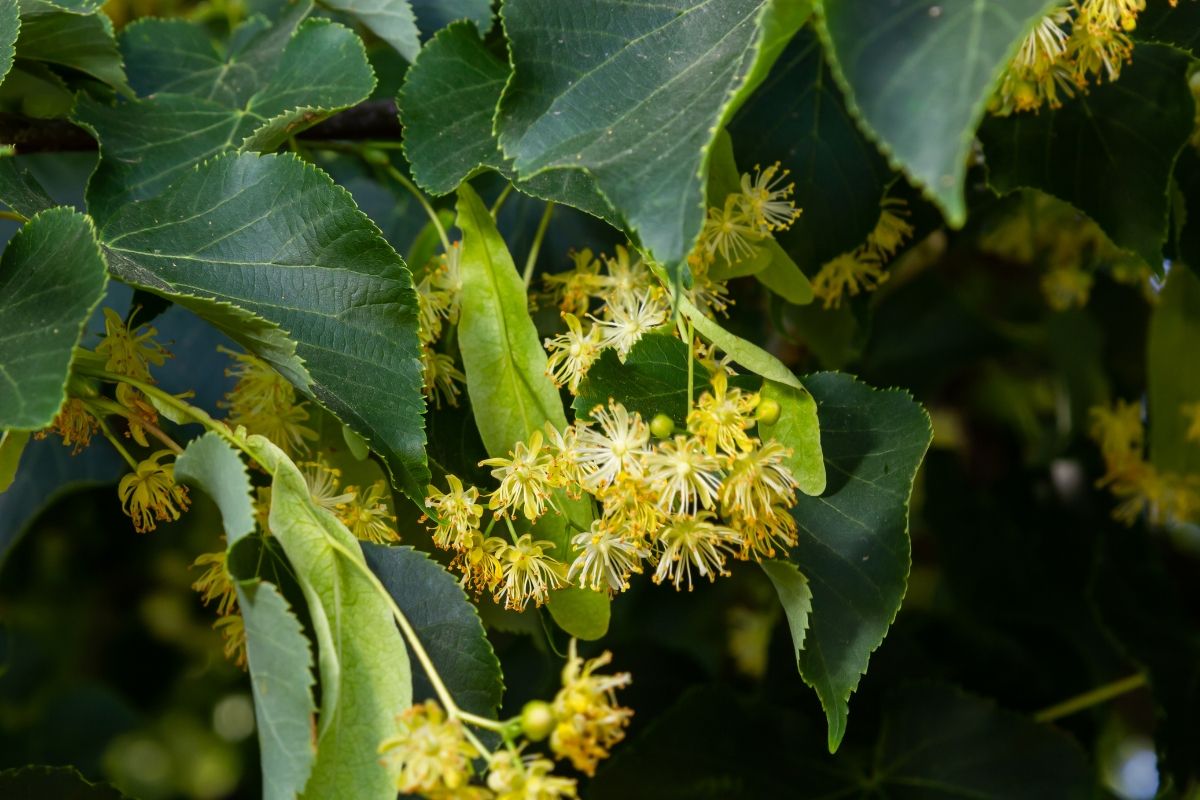
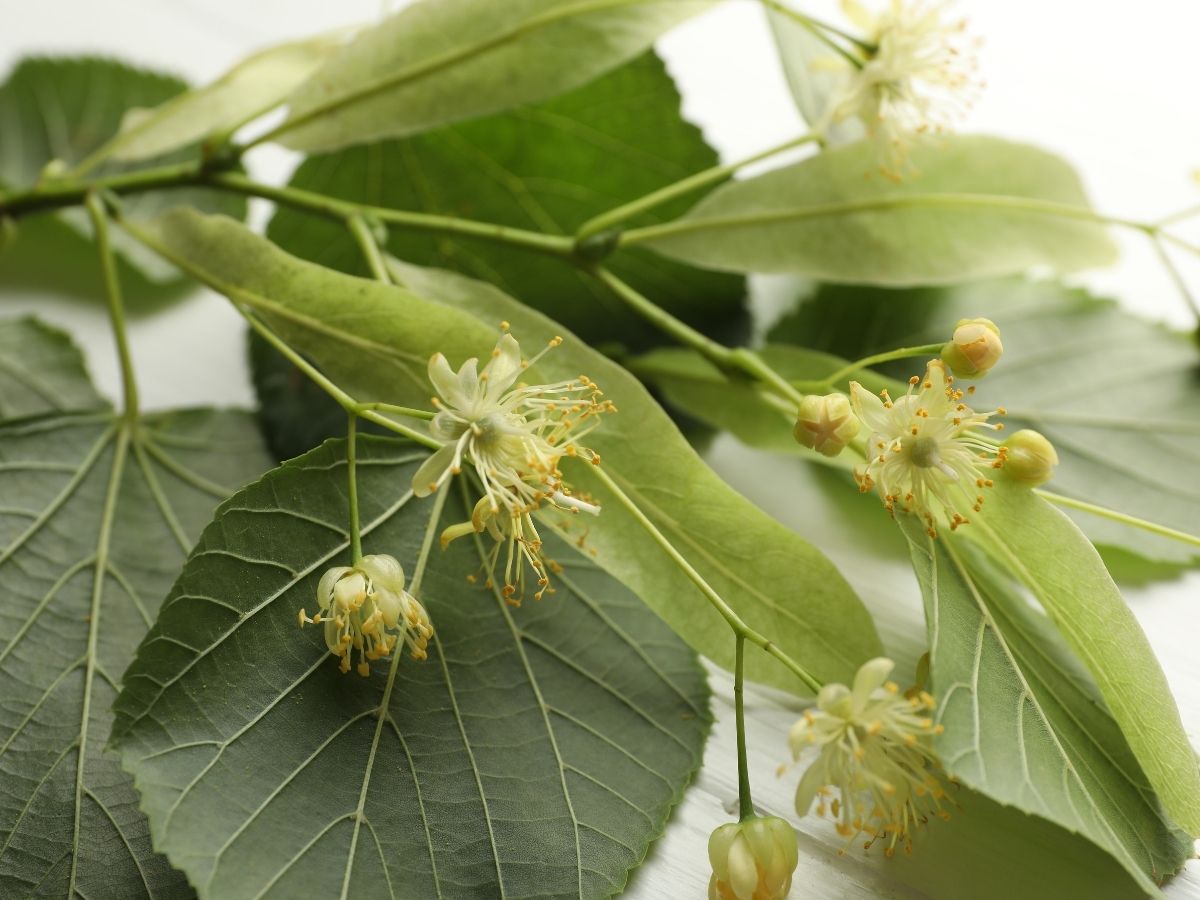
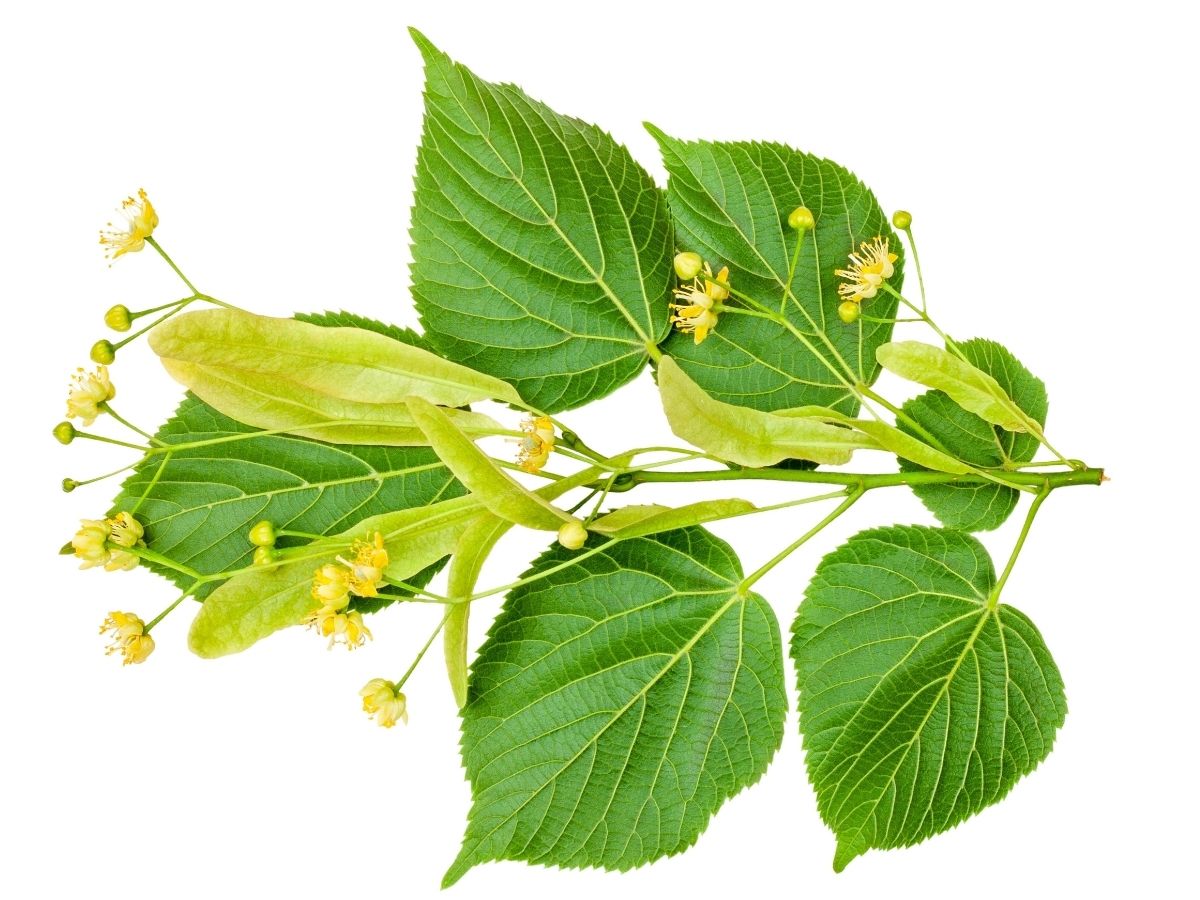
Broad leaves that often appear heart-shaped; dense foliage creates deep shade as the tree matures.
Small, pale, fragrant flowers in hanging clusters; the tree can be noticeably scented during bloom.
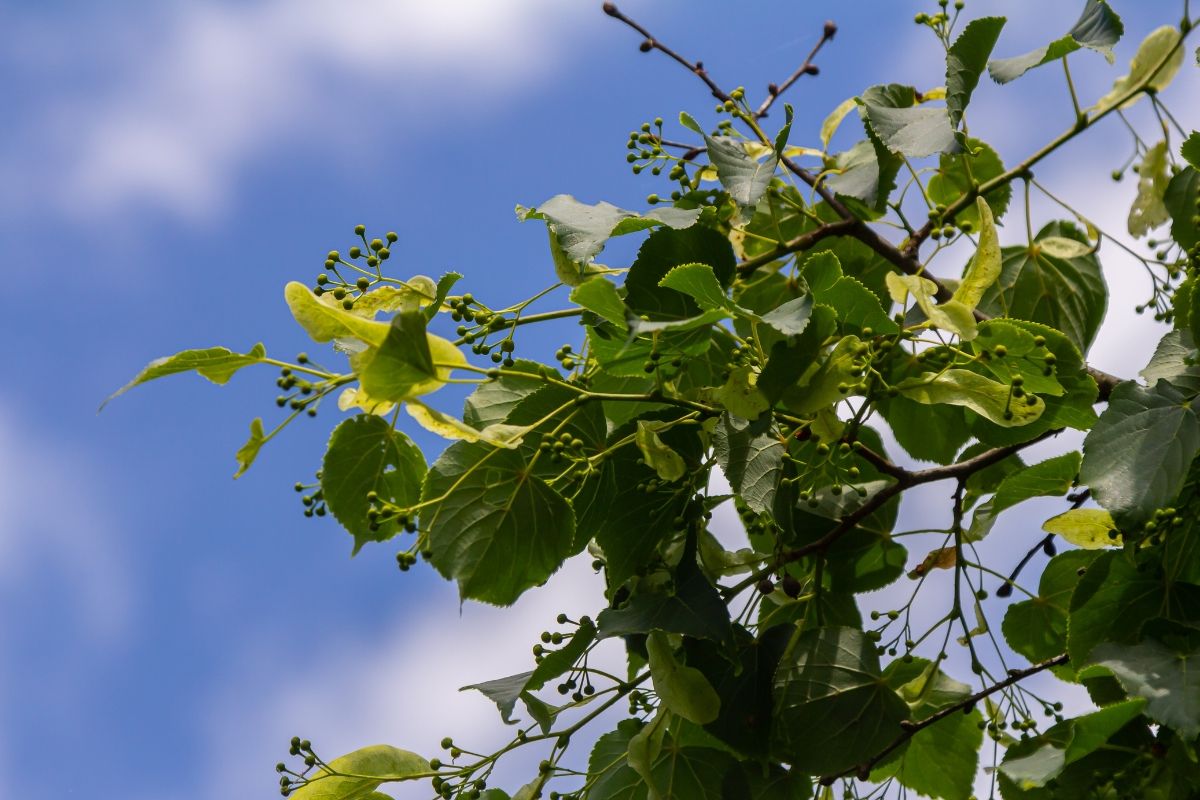
After flowering, small nut-like fruits may form and persist for a while.
LOCATION
Native environments and the best spots to place it in your landscape.
SEASONALITY
Notes on bloom windows and how this plant helps pollinators across the seasons.
Basswoods and lindens typically bloom in summer, and the flowering window can feel brief but busy.
Bloom Season Role: A mid-season “nectar moment” when the tree is in flower.
REQUIREMENTS
The right mix of sun, soil, and space for healthy growth.
Full sun to part shade. More sun often means stronger flowering, but part shade can still work.
Adaptable garden soil is usually fine. Aim for soil that drains reasonably well and isn’t constantly soggy.
Water regularly during the first year. After that, water during long dry stretches, especially for young trees.
Plant where the mature canopy won’t crowd buildings, power lines, or narrow sidewalks. Keep the root flare at soil level and avoid burying the trunk.
Mulch in a wide ring under the tree (not touching the trunk) to protect roots and hold moisture.
GARDENING GUIDE
Simple steps to plant, prune, and maintain healthy trees without pesticides.
Pairings
Pairing ideas to keep pollinators fed throughout the growing season.
GLOSSARY
Glossary terms are being added.
What You Can Do
Turn this knowledge into action. Whether you plant a single pot or a whole garden, you are building a vital bridge for local biodiversity.
Join the movement to restore our shared habitats.