

What they do
Birches can help kick-start the season by offering early pollen and by supporting a web of insects that birds and other wildlife rely on.
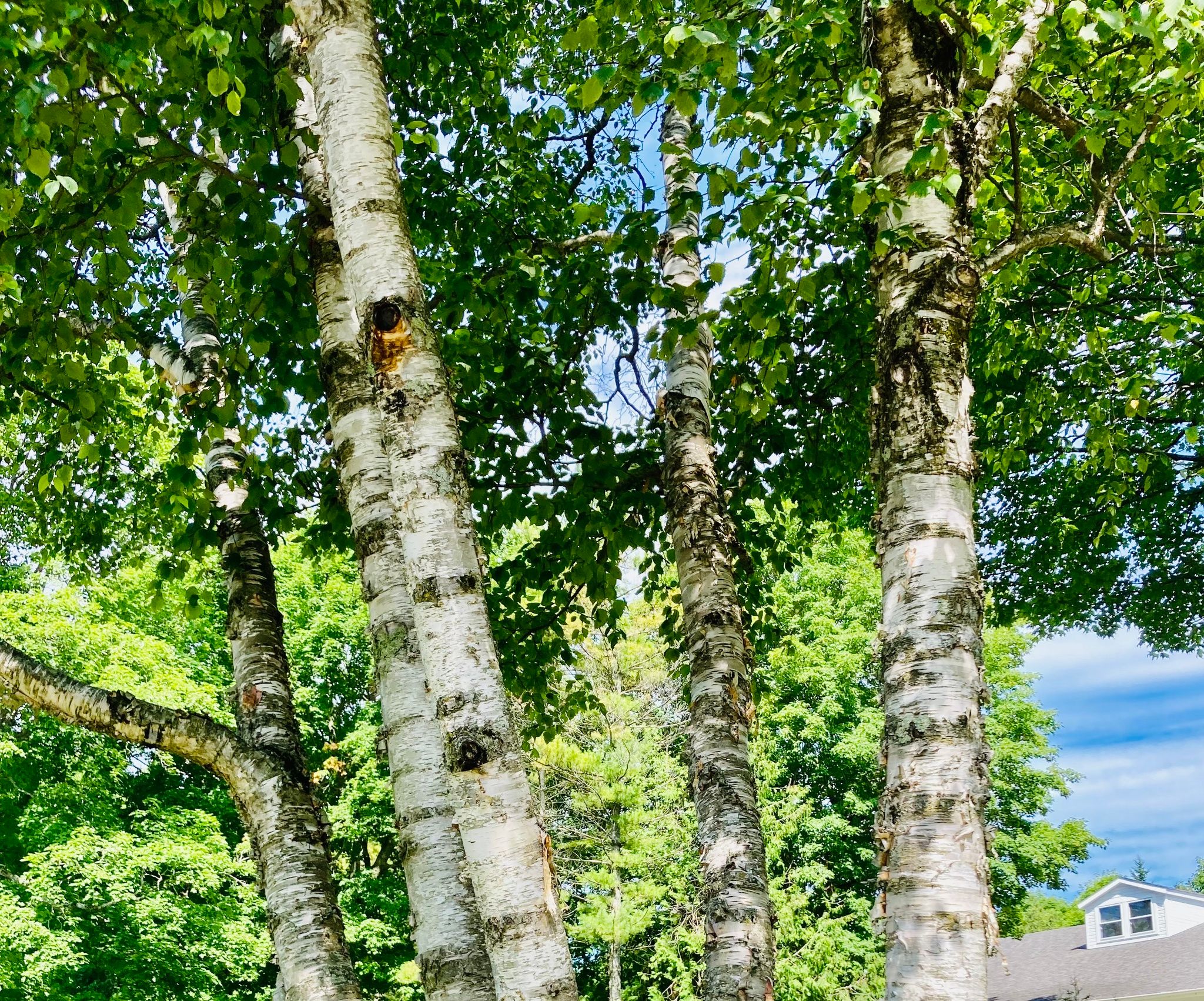
Genus Betula
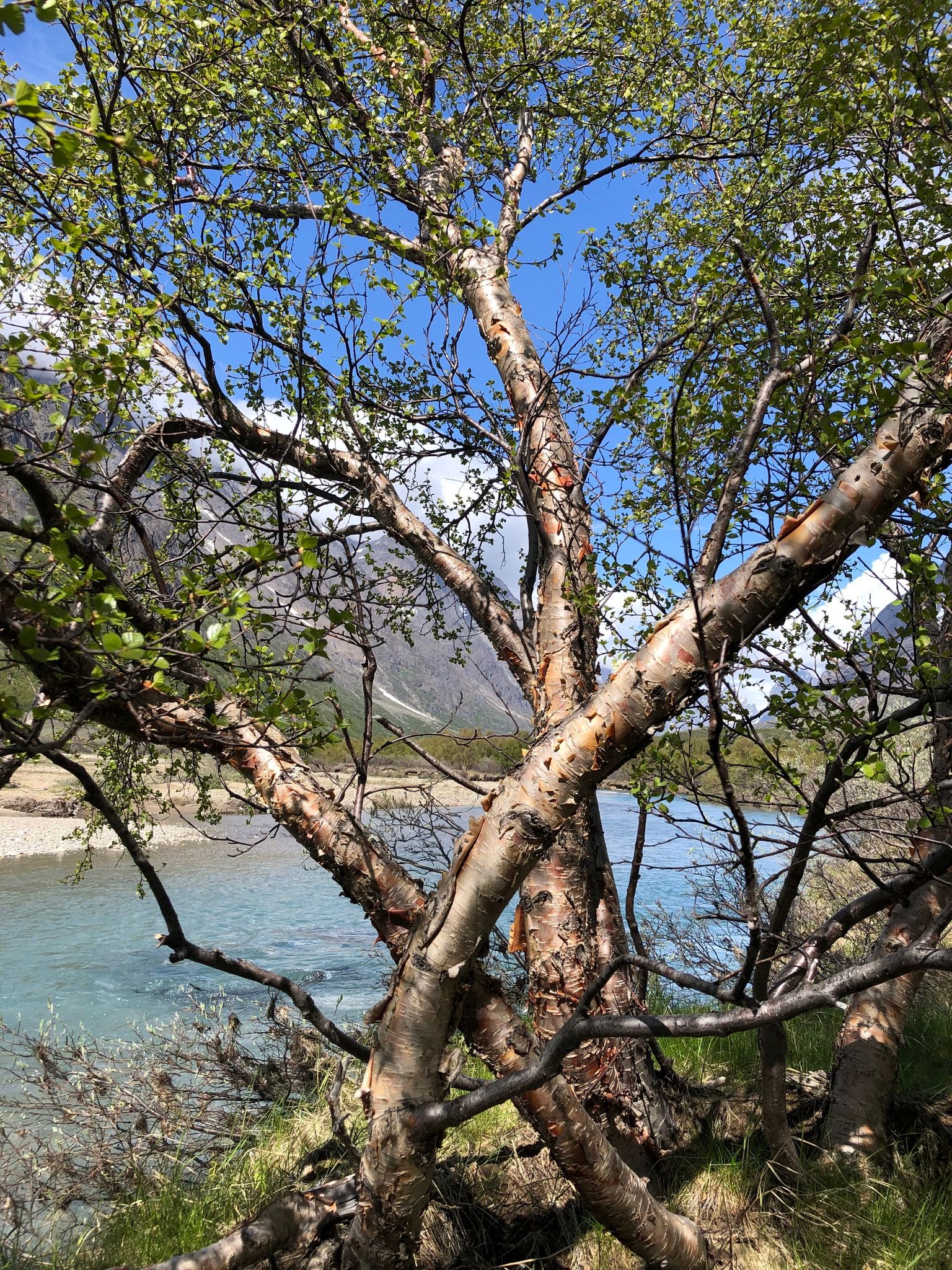
Birches are graceful trees in the genus Betula, known for their often light-colored bark and early-season pollen and catkins that support springtime insects.
Plant Type
Trees > Birches
Aliases
Birch
Native Range
Genus with many species across northern regions; some species are native to parts of Canada, including areas around Toronto, while others are not.
Bloom window
Early spring
OVERVIEW
Birches (genus Betula) are graceful canopy trees that provide structure, light shade, and vital early-season resources. Their main ecological value comes from catkins, which offer a significant “spring kickoff” source of pollen for emerging native insects when little other forage is available.
If you plant a birch, proper siting is key: choose a location that allows for its eventual size and ensures the root zone stays cool and moist. Avoid soil compaction, which can stress the tree. To maximize its pollinator value, keep the surrounding area pesticide-free and add flowers beneath the canopy that bloom later in the season.
FAST FACTS
Essential stats and requirements for quick reference.
| Category | Details |
|---|---|
| Also known as | Birch |
| Bloom window | Early spring |
| Typical height | Small to large tree, depending on species |
| Pollinators supported | Bees, Flies |
| Light & moisture | Often best in sun to part sun with evenly moist soil (varies by species) |
| Best roles for pollinators | Adding a light-canopy tree that can contribute early-season pollen and habitat value in a pollinator-friendly landscape. |
SUMMARY
A quick scan of what they do, what they need, and the best first step.
Birches can help kick-start the season by offering early pollen and by supporting a web of insects that birds and other wildlife rely on.
A site with enough light and soil that doesn’t swing from soggy to bone-dry, plus room for roots and canopy.
Choose a birch suited to your site and keep the root zone cool and evenly watered, especially while it’s getting established.
IMPACT
Key Impacts
RECOGNITION
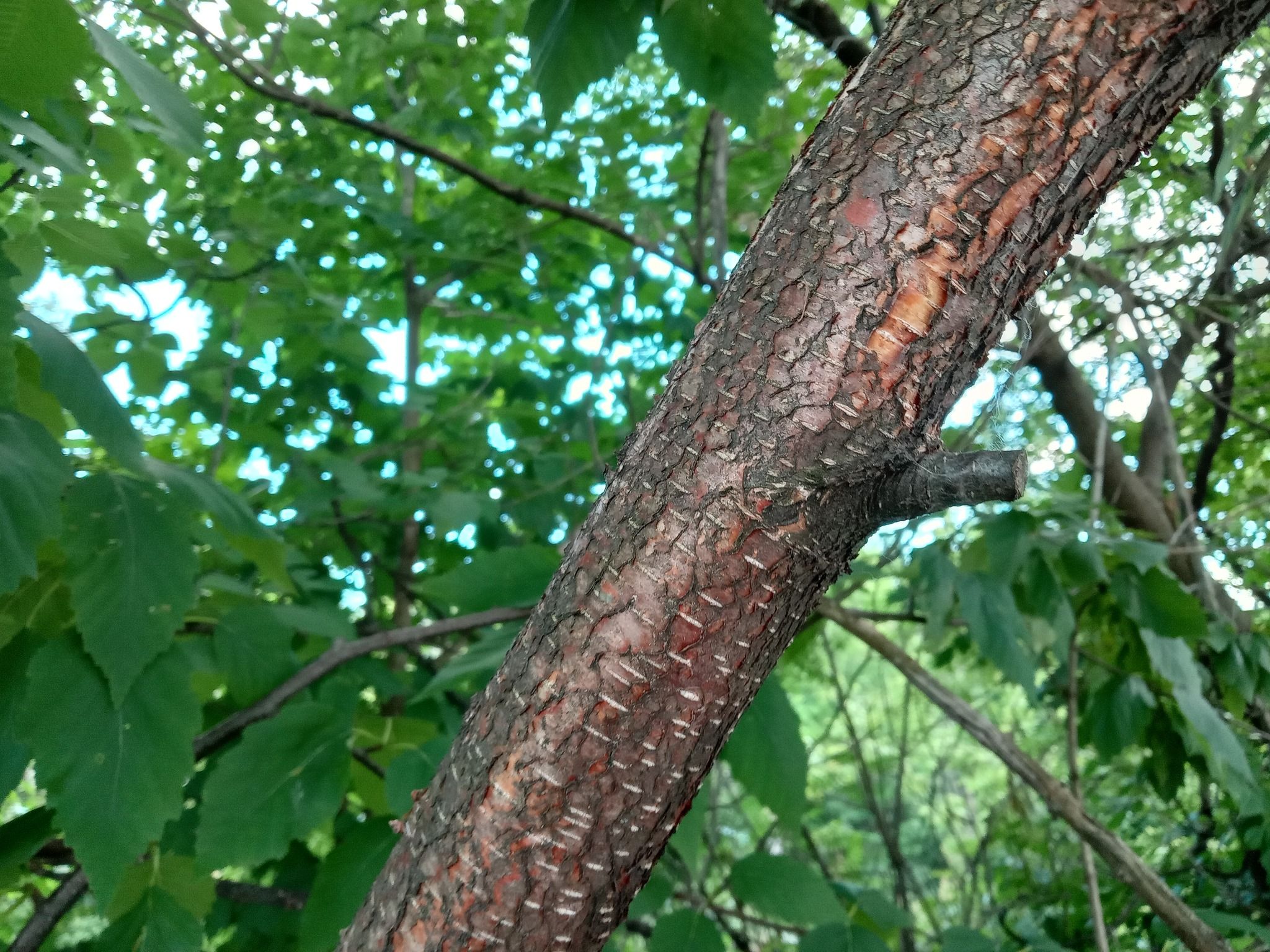
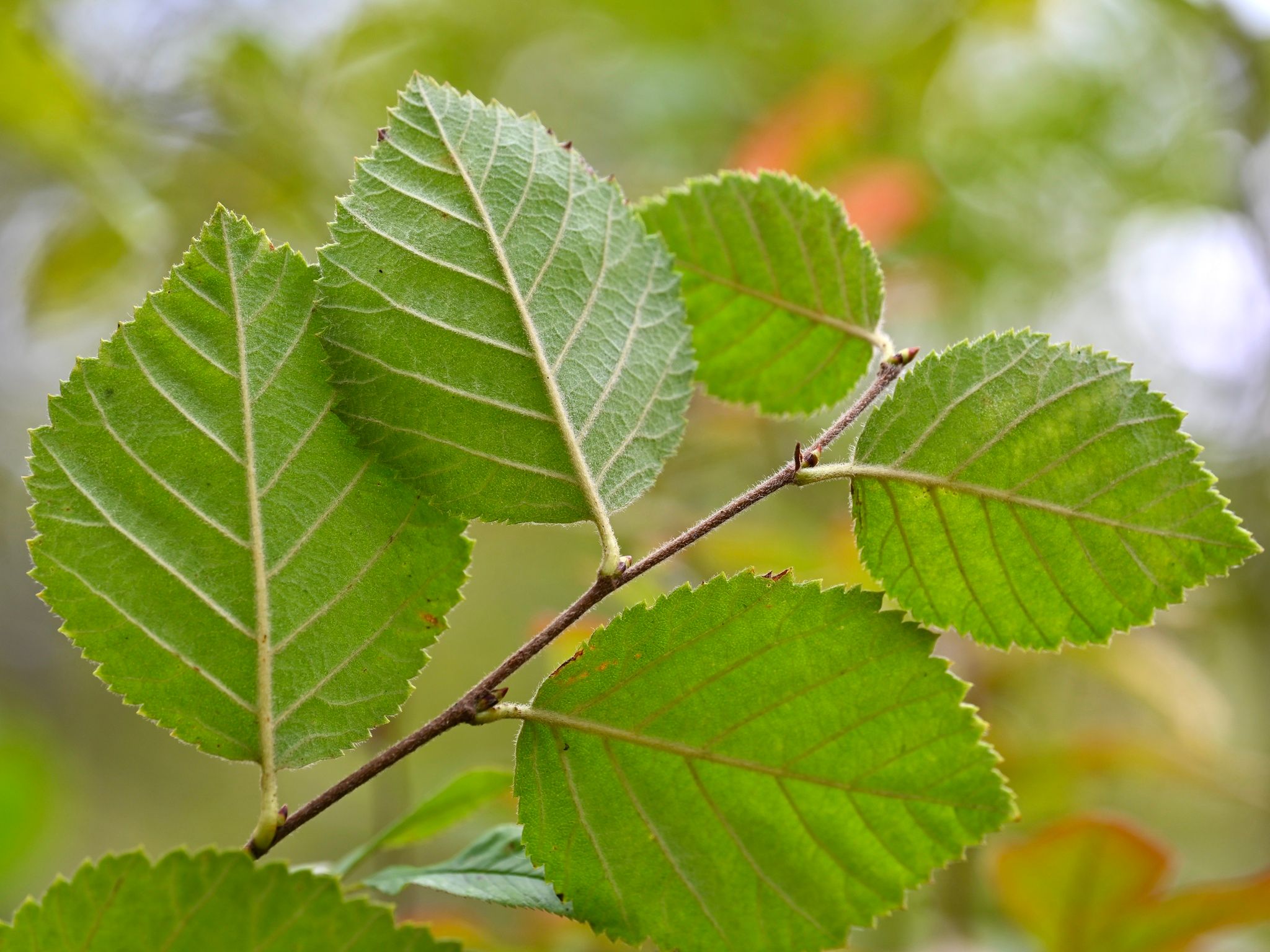
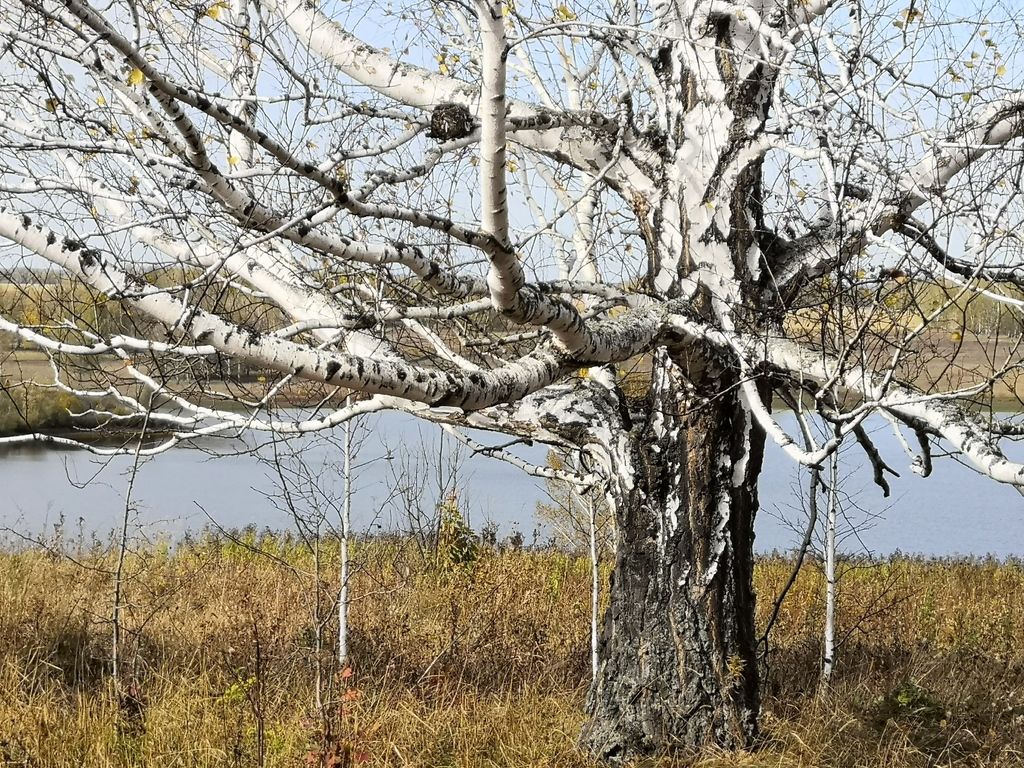
Leaves are typically small to medium, often triangular to oval with toothed edges; they may look delicate and flutter in the wind.
Flowers appear as catkins in early spring; you may see them hanging from twigs before leaves fully expand.
Small, dry seeds produced in clusters; they can be released and carried by wind.
LOCATION
Native environments and the best spots to place it in your landscape.
SEASONALITY
Notes on bloom windows and how this plant helps pollinators across the seasons.
Birches typically flower early, often before the canopy is fully leafed out.
Bloom Season Role: Early-season support (mainly pollen)
REQUIREMENTS
The right mix of sun, soil, and space for healthy growth.
Most birches do best with plenty of light; some tolerate part shade.
Prefers well-drained soil that holds some moisture; avoid compacted, heavily disturbed soil when possible.
Water deeply during dry spells, especially for young trees; aim for steady moisture rather than frequent shallow watering.
Plant with the root flare at ground level and give the tree room away from pavement and heavy foot traffic.
Mulch in a wide ring to keep roots cooler and reduce weeds, but keep mulch pulled back from the trunk.
GARDENING GUIDE
Simple steps to plant, prune, and maintain healthy trees without pesticides.
Pairings
Pairing ideas to keep pollinators fed throughout the growing season.
GLOSSARY
Glossary terms are being added.
What You Can Do
Turn this knowledge into action. Whether you plant a single pot or a whole garden, you are building a vital bridge for local biodiversity.
Join the movement to restore our shared habitats.
Pollinators supported
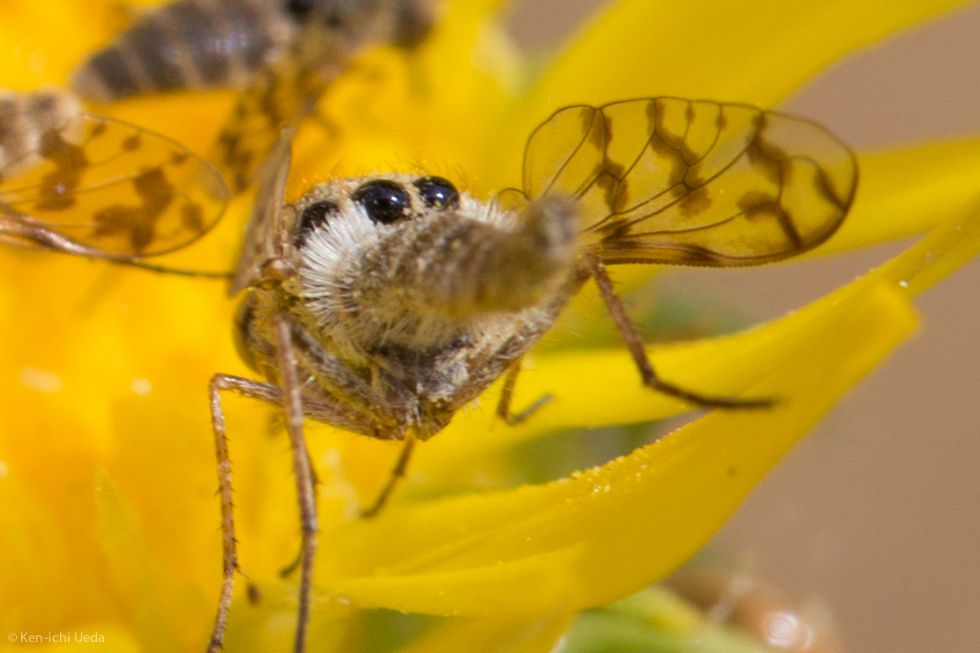
Adults visit flowers for nectar and can move pollen between blooms; their presence is a sign of diverse, functioning habitats.
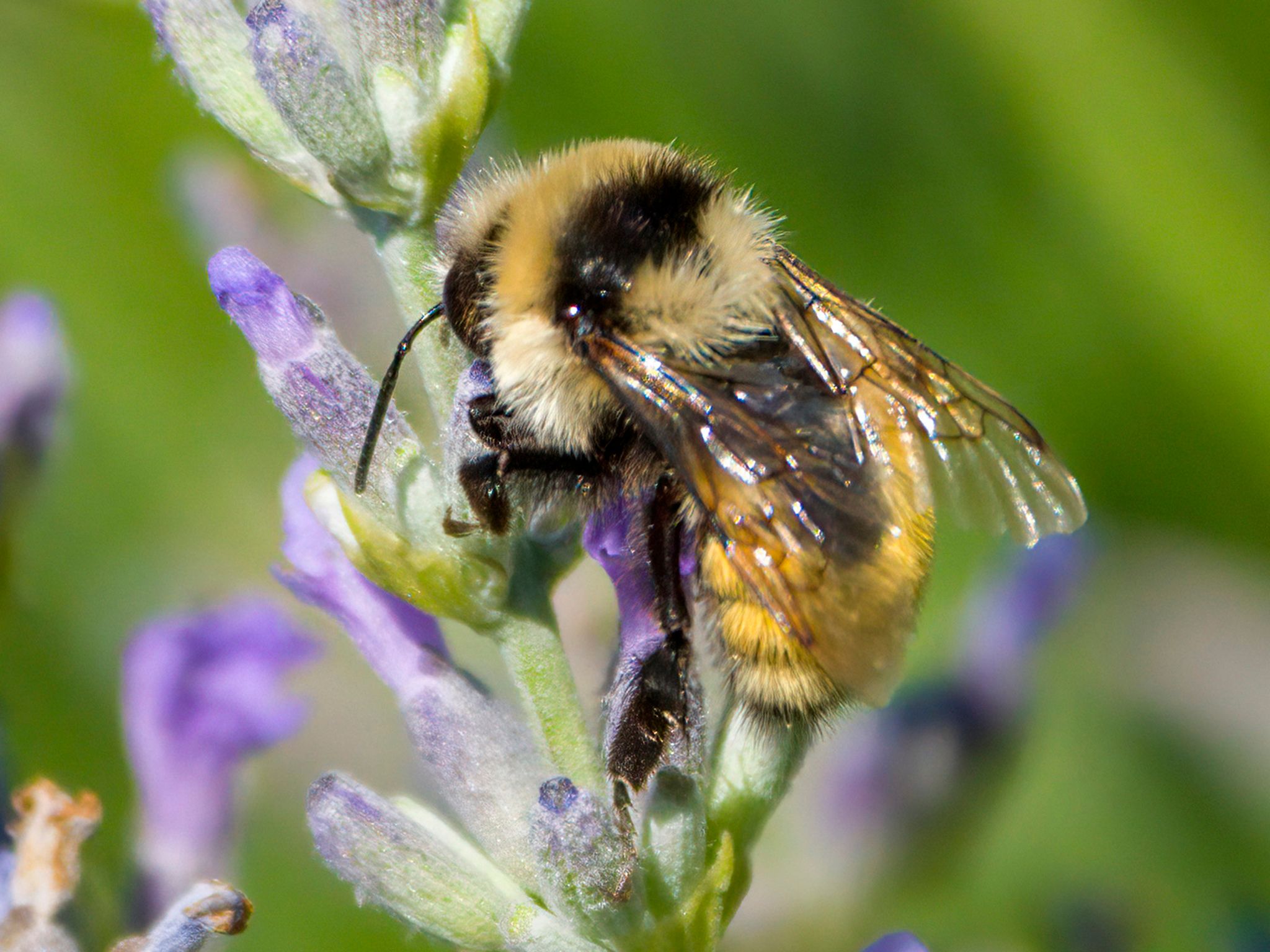
Bumble bees are important pollinators of many wildflowers and garden plants, helping ecosystems and food crops reproduce.
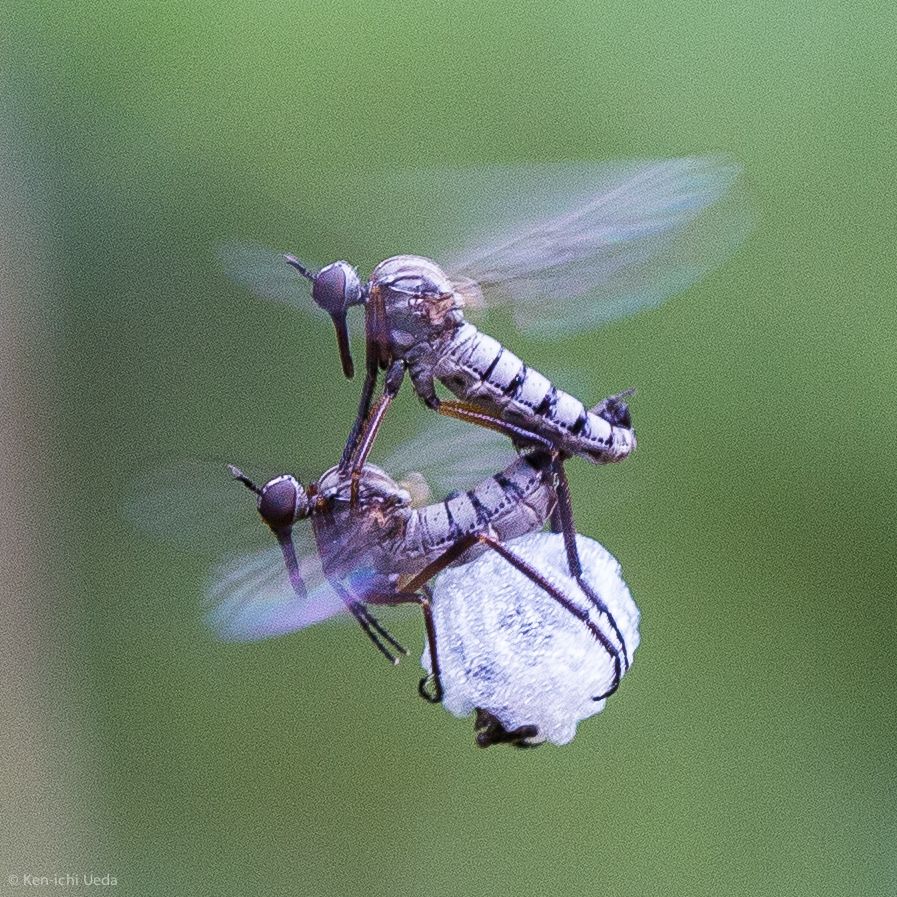
Many visit flowers for nectar and can move pollen between blooms while also playing important roles in local food webs.
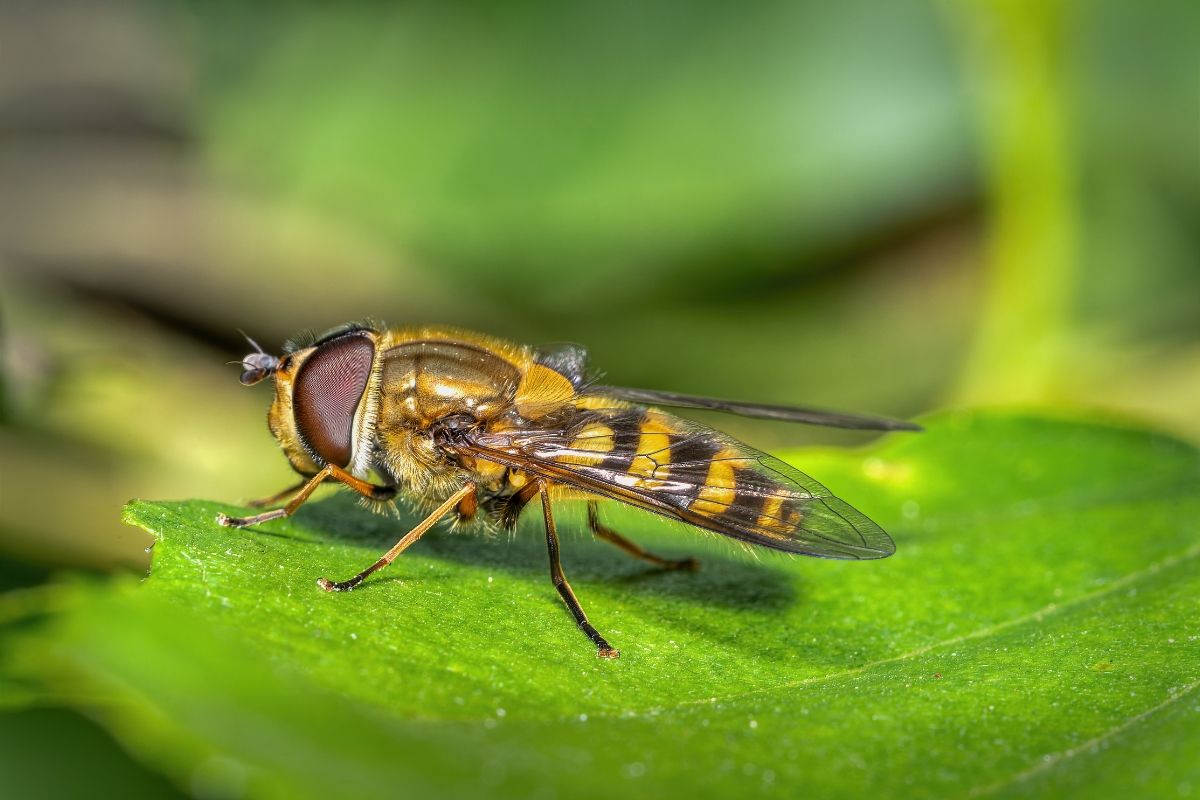
Adults visit flowers for nectar and pollen, and many species’ larvae help keep plant-eating pests in check.
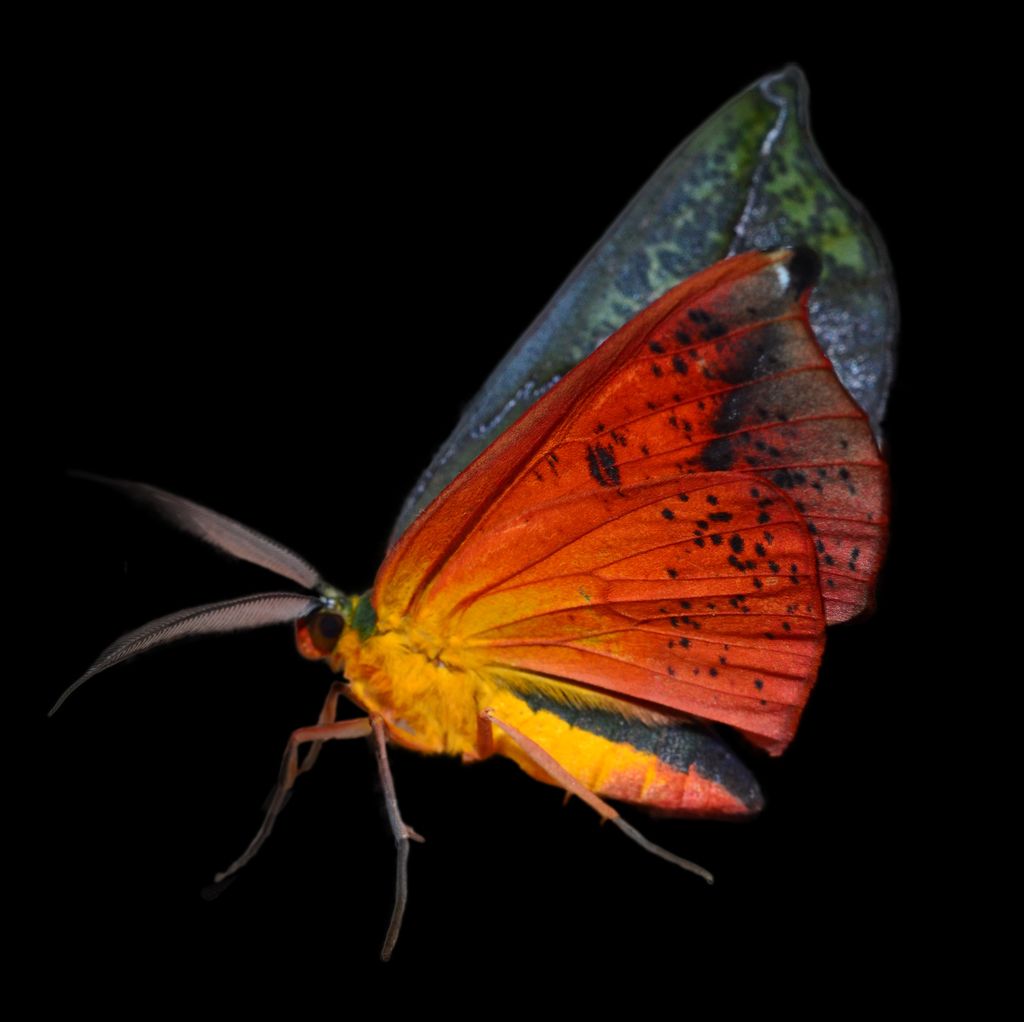
Adults can help move pollen as they nectar at flowers, and their caterpillars are an important part of local food webs.
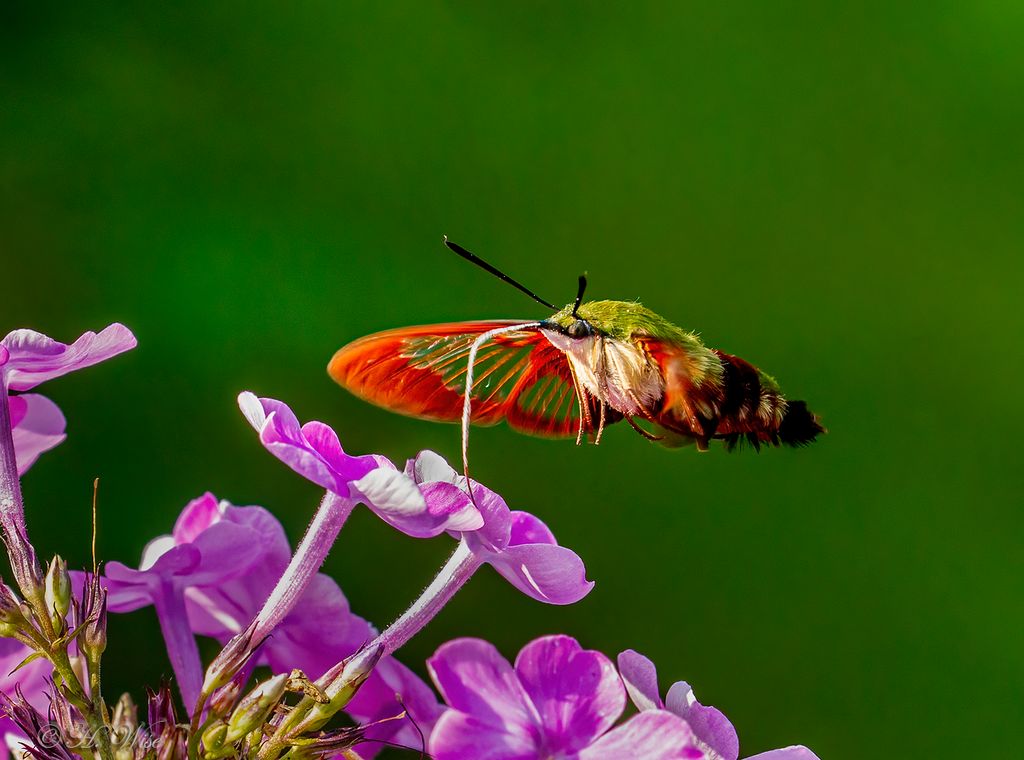
They can move pollen between flowers while feeding on nectar, especially for blooms that open or scent up in the evening.
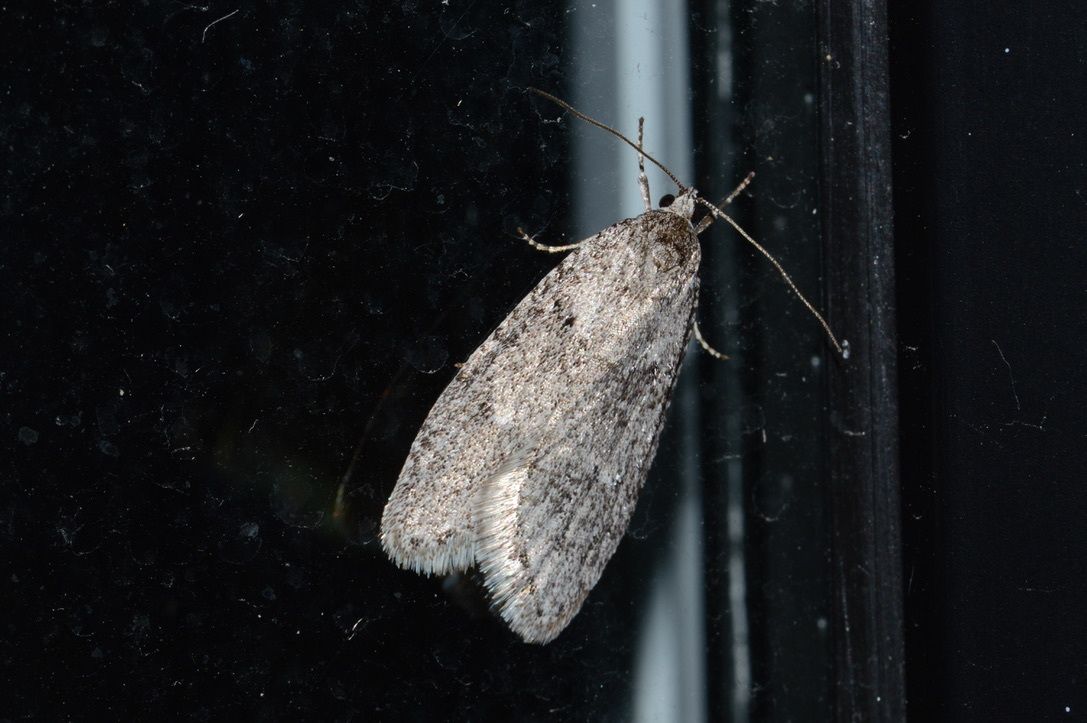
Many small moths move pollen while feeding on nectar, supporting wild plants and garden blooms—especially in the evening and at night.
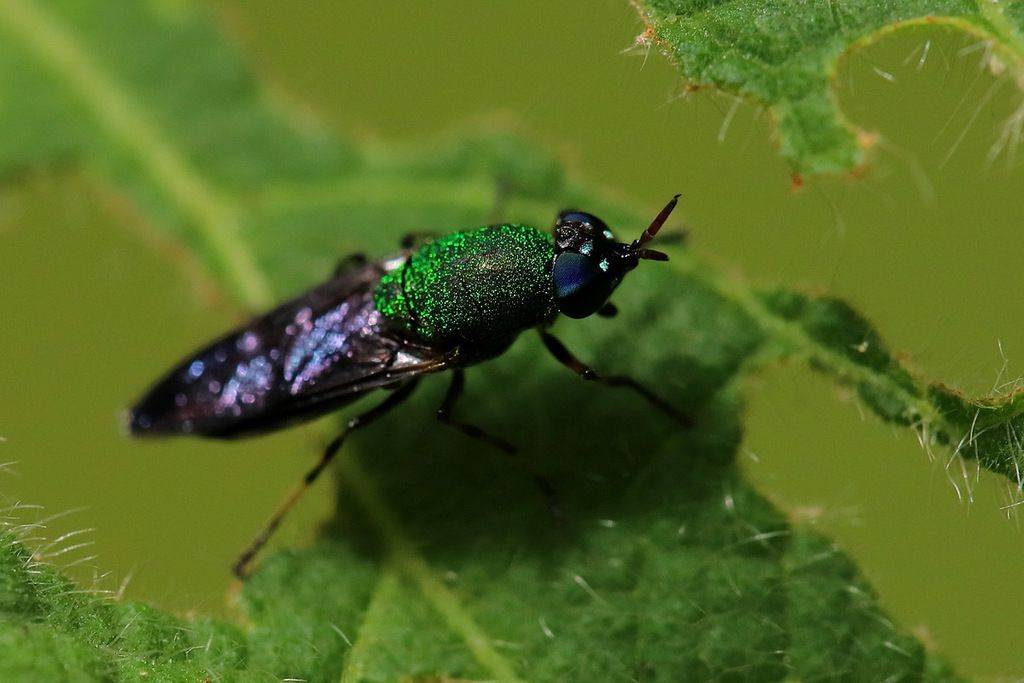
Many adults visit flowers for nectar and can move pollen between blooms while feeding.
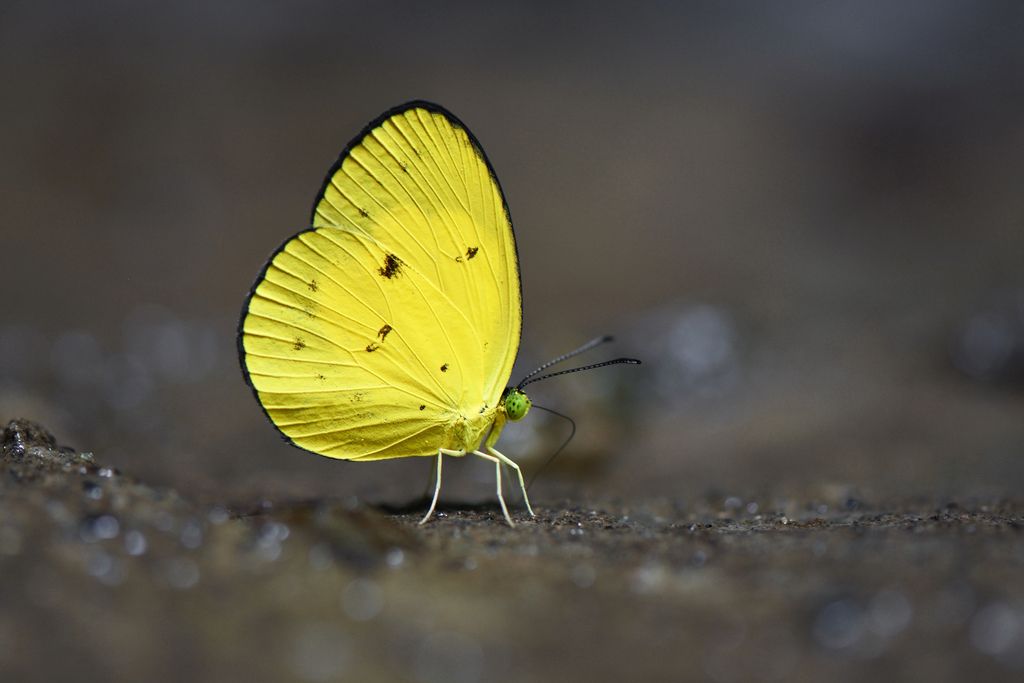
They visit a wide range of flowers for nectar and can help move pollen between blooms as they feed.