Skip to content
Cherries & plums (*Prunus* spp.)
Plant profile

Cherries & plums

Genus Prunus

Native cherries and plums (genus Prunus) are flowering trees that bring early-season blossoms and help support a wide range of pollinators in yards, school grounds, and parks.

Plant Type

Trees > Cherries & plums

Aliases

Wild cherry, plum

Native Range

Native species occur across parts of Canada, including southern Ontario; choose locally appropriate native species when possible.

Bloom window

Spring

OVERVIEW

About This Plant

Native cherries and plums (genus Prunus) are a strong choice when you want spring flowers plus the long-term benefits of a tree. They can work as a single feature tree or as part of a layered habitat planting with native flowers and grasses underneath.

To get the most pollinator value, focus on two simple things: (1) choose a site the tree can thrive in (especially good drainage and enough space), and (2) keep it pesticide-free—particularly while it’s blooming. A healthy, well-sited tree is more resilient and needs fewer interventions.

If you’re planting on school grounds or in a small yard, consider how people will move around the tree. Leave room for paths, keep mulch away from the trunk, and add a low, pollinator-friendly underplanting so the area stays attractive after the spring bloom is done.

Best role for pollinators
Early-season flowers, small shade, and a pollinator-friendly tree that can anchor a native planting.
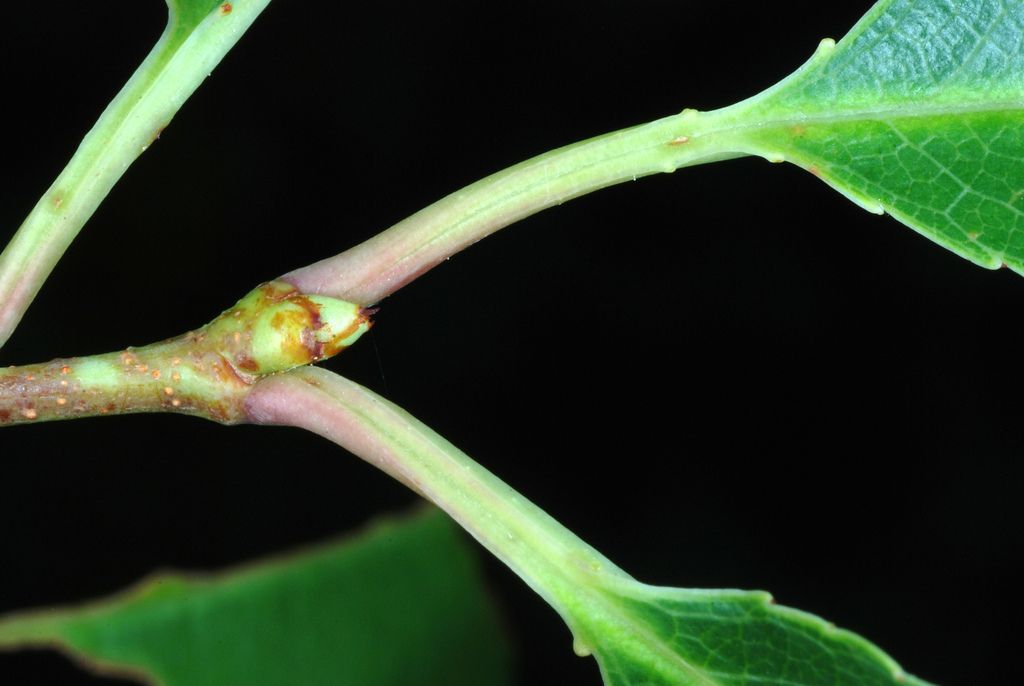
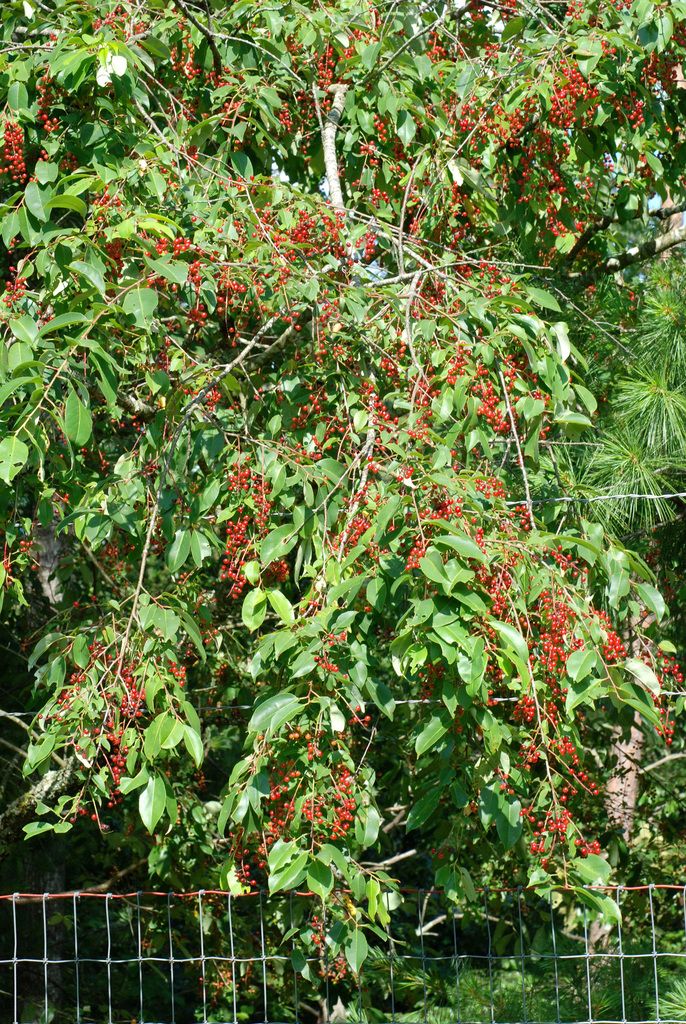
Cherries & plums (Prunus spp.)
https://www.inaturalist.org/photos/257275453 Photo: (c) Douglas Goldman, some rights reserved (CC BY-SA) | CC-BY-SA | iNaturalist

FAST FACTS

Quick Details

Essential stats and requirements for quick reference.

Also known asWild cherry, plum
Bloom windowSpring
Typical heightVaries by species; ranges from small trees to medium-sized trees.
Pollinators supportedBees, Flies, Beetles, Butterflies
Light & moistureAdaptable; choose a site with good drainage and match the species to your yard conditions.
Best roles for pollinatorsEarly-season flowers, small shade, and a pollinator-friendly tree that can anchor a native planting.

SUMMARY

If You Remember Three Things

A quick scan of what they do, what they need, and the best first step.

What they do

Native cherries and plums provide spring blossoms that many pollinators visit, and they can add structure and seasonal interest to a landscape.
What they need

A suitable site with room to grow, decent drainage, and gentle care while the tree establishes.

One best action

Keep the area pesticide-free—especially while the tree is blooming.

IMPACT

Why Plant This?

Native Prunus trees offer a reliable spring bloom and long-term habitat value, making them a practical choice for pollinator-friendly landscapes in and around Toronto.
Many cherries and plums bloom before they fully leaf out, making the flowers extra visible—and easy for pollinators to find.

Key Impacts

What it Supports

  • Early blossoms can be an important food stop for pollinators when not much else is flowering yet.
  • Trees add long-term habitat value by creating layers (canopy, shade, leaf litter) that support a healthier yard ecosystem.
  • Native *Prunus* can be a “backbone plant” that makes it easier to add more pollinator-friendly flowers underneath.

RECOGNITION

Identification Guide

Native cherries and plums share a few easy-to-spot traits, but exact details vary by species.

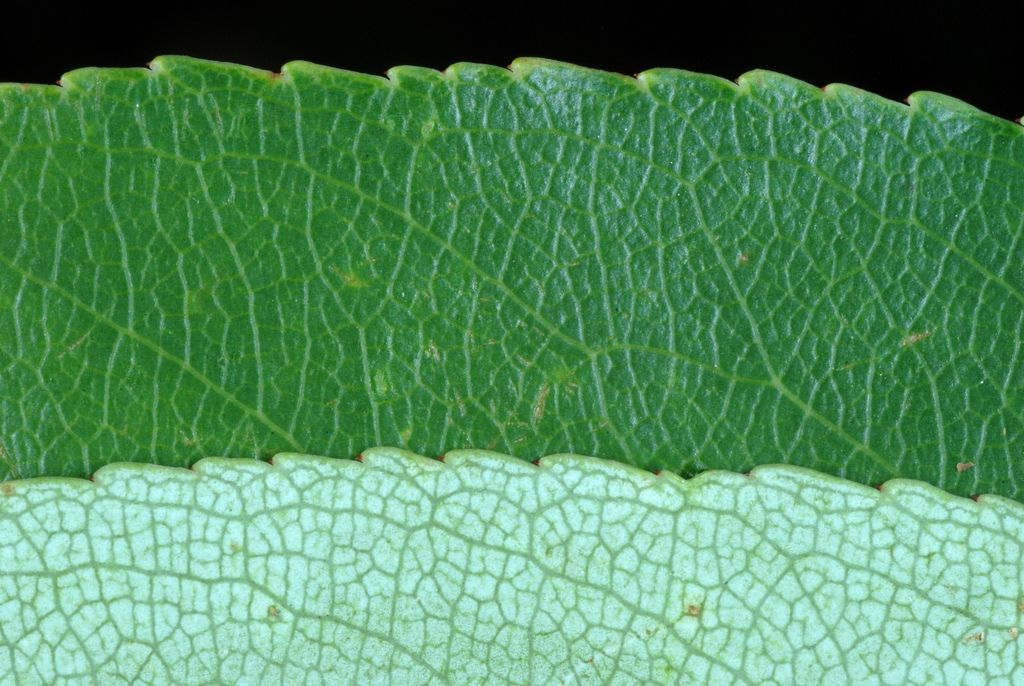
Leaves

Simple, oval leaves with fine-toothed edges; leaf size and shape vary by species.

Flowers

Five-petaled blossoms in spring, often white or pale pink; may be in clusters.

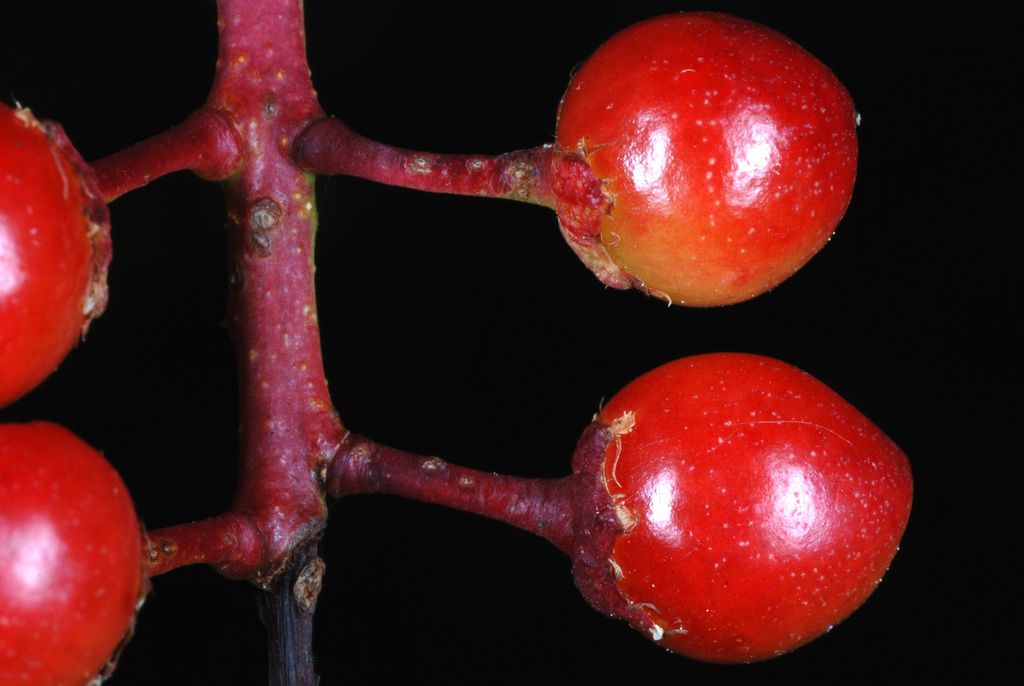
Fruits

Small stone fruits (a pit inside) that develop after flowering; size and color vary by species.
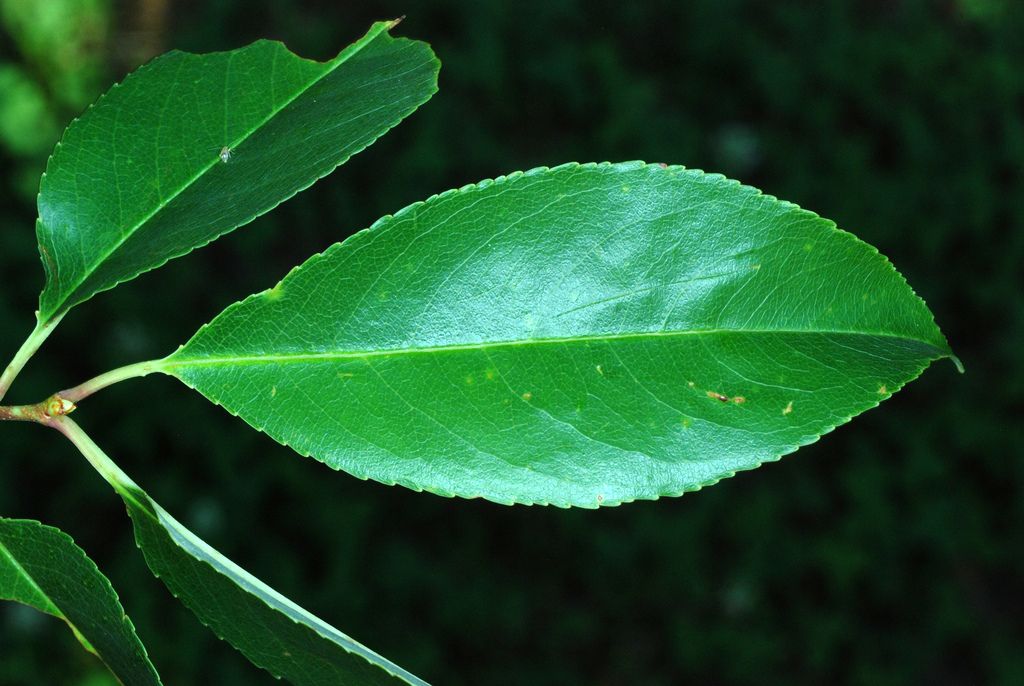
Cherries & plums (Prunus spp.)
https://www.inaturalist.org/photos/257275823 Photo: (c) Douglas Goldman, some rights reserved (CC BY-SA) | CC-BY-SA | iNaturalist
Cherries & plums (Prunus spp.)

LOCATION

Where It Grows

Native environments and the best spots to place it in your landscape.

Habitats

  • Woodland edges
  • Open woods
  • Hedgerows
  • Meadows and thickets
  • Urban parks and naturalized areas

Where it is often used

  • Specimen tree for spring flowers
  • Edge planting along fences or property lines
  • Schoolyard habitat tree with an underplanting of native flowers
  • Small grove or mixed native thicket (where space allows)

SEASONALITY

When It Blooms

Notes on bloom windows and how this plant helps pollinators across the seasons.

Bloom window

Cherries and plums are known for their spring bloom, which can arrive early in the season.

Bloom Season Role: Early-season bloom that helps kick-start the garden year.

Seasonal benefits

  • Adds a strong spring “burst” of flowers
  • Pairs well with later-blooming perennials to keep food available across the season

REQUIREMENTS

What It Needs

The right mix of sun, soil, and space for healthy growth.

Sun exposure

Most native cherries and plums do best with plenty of light; some tolerate part shade.

Soil type

Well-drained soil is a good starting point; avoid sites that stay soggy.

Moisture needs

Water regularly during establishment; once established, water during long dry spells.

Planting method

Plant at the same depth as in the pot; keep the root flare at or slightly above the soil line and give the tree room to grow.

Mulching tips

Mulch in a wide ring to protect roots and hold moisture, but keep mulch pulled back from the trunk.

GARDENING GUIDE

How to Grow It

Simple steps to plant, prune, and maintain healthy trees without pesticides.

Planting tips

  • Pick a spot with enough space for the tree’s mature size and away from areas that stay wet.
  • Dig a hole wider than the root ball and set the tree so the root flare is not buried.
  • Backfill with the original soil, gently firming to remove large air pockets.
  • Water deeply after planting and keep soil evenly moist (not soggy) during the first season.
  • Add a mulch ring and keep it a hand’s width away from the trunk.

Seasonal care

  • Water during the first growing season and during long dry spells after establishment.
  • Refresh mulch as it breaks down, keeping it off the trunk.
  • Prune lightly to remove dead or crossing branches; avoid heavy pruning during bloom.
  • Watch for stress signs (wilting, dieback) and improve watering or site conditions rather than reaching for sprays.
  • Keep the area pesticide-free, especially when flowers are open.

What not to do

  • Spraying pesticides or “bug killers,” especially during bloom.
  • Volcano mulching (piling mulch against the trunk).
  • Planting too deep.
  • Choosing a site with poor drainage.

Pairings

Best Pairings for Season-Long Bloom

Pairing ideas to keep pollinators fed throughout the growing season.

Early Bloom

  • Serviceberry (*Amelanchier*)
  • Wild strawberry (*Fragaria virginiana*)
  • Spring ephemerals (locally native woodland wildflowers)

Mid-Season Bloom

  • Bee balm (*Monarda*)
  • Black-eyed Susan (*Rudbeckia*)
  • Milkweeds (*Asclepias*)

Late-Season Bloom

  • Goldenrods (*Solidago*)
  • Asters (*Symphyotrichum*)
  • Native grasses for structure and shelter
“Cherries & plums (native)” covers several local species within Prunus. If you’re buying a tree, ask for a native species suited to your site and space.

GLOSSARY

Key Terms

A few quick terms you might see when shopping for or planting trees:

Glossary terms are being added.

What You Can Do

Make a difference for native habitats.

Turn this knowledge into action. Whether you plant a single pot or a whole garden, you are building a vital bridge for local biodiversity.

Join the movement to restore our shared habitats.

Pollinators supported

Species that benefit from this plant

Pollinator links are being added for this plant.

Regions

Where this plant is native

Regional links are being added for this plant.