
What they do
Coral trees provide showy flowers that can offer nectar and draw pollinator attention to your garden.
Genus Erythrina
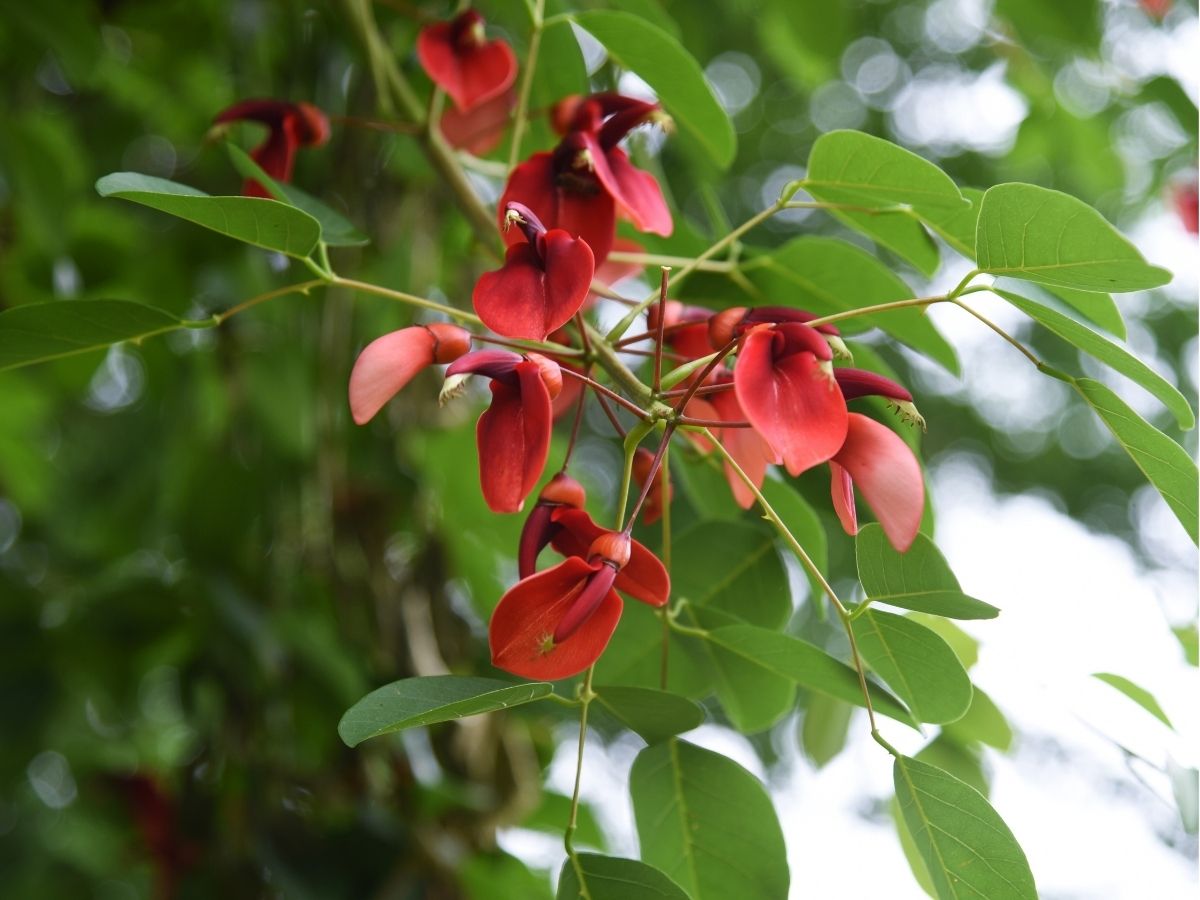
Erythrinas (coral trees) are showy flowering trees in the genus Erythrina, known for bold, nectar-rich blooms that can be a seasonal food stop for pollinators in warm gardens.
Plant Type
Trees > Erythrinas
Aliases
Coral tree
Native Range
Mexico (genus includes species native to the Americas and other warm regions; exact range depends on species)
Bloom window
Seasonal blooms (varies by species and local conditions)
OVERVIEW
Erythrinas (coral trees) can be a striking way to add pollinator-friendly blooms at tree height. Start by choosing the right plant for your situation: the genus Erythrina includes many species, and their size and cold tolerance can differ a lot. If you’re gardening in a place with cold winters, a large container can be a practical option so the plant can be protected when needed.
For best results, prioritize sun and drainage. A bright, open spot usually supports better flowering, and well-drained soil helps prevent root problems. During the first season, water regularly to help the roots settle in; after that, adjust watering to your soil and weather rather than keeping the ground constantly wet.
When the tree blooms, it can become a “stop here” sign for nectar-seeking visitors. Keep the area around the tree simple and safe for pollinators by avoiding pesticides, especially while flowers are open. If pests show up, try non-chemical steps first—like rinsing with water, removing affected parts, or improving plant health with better placement and watering.
To make your garden more helpful overall, pair a coral tree with a mix of flowering plants below it so something is blooming across the seasons. That layered approach—flowers at ground level and blossoms above—can make even a small yard feel more like a welcoming habitat.
FAST FACTS
Essential stats and requirements for quick reference.
| Category | Details |
|---|---|
| Also known as | Coral tree |
| Bloom window | Seasonal blooms (varies by species and local conditions) |
| Typical height | Varies widely by species; can range from small ornamental trees to larger shade trees |
| Pollinators supported | Bees, Hummingbirds, Butterflies |
| Light & moisture | Generally prefers bright light; water needs vary by species—aim for well-drained soil and avoid soggy roots. |
| Best roles for pollinators | Warm-climate gardens, courtyards, and large containers where a small tree can be protected if needed |
SUMMARY
A quick scan of what they do, what they need, and the best first step.
Coral trees provide showy flowers that can offer nectar and draw pollinator attention to your garden.
Sun and good drainage are common needs; choose a species that matches your space and winter conditions.
Pick a locally suitable Erythrina species (or grow in a container) and place it in a sunny, well-drained spot.
IMPACT
Key Impacts
RECOGNITION
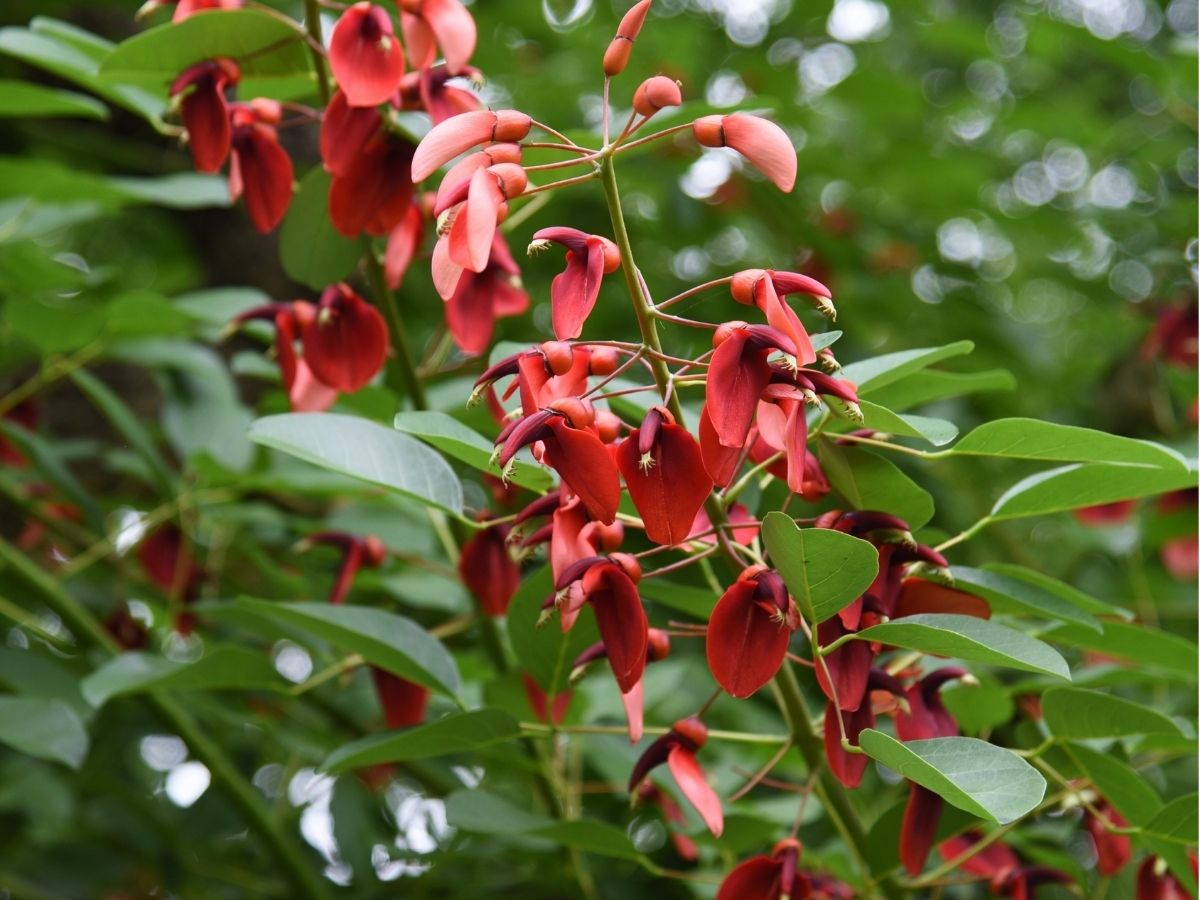
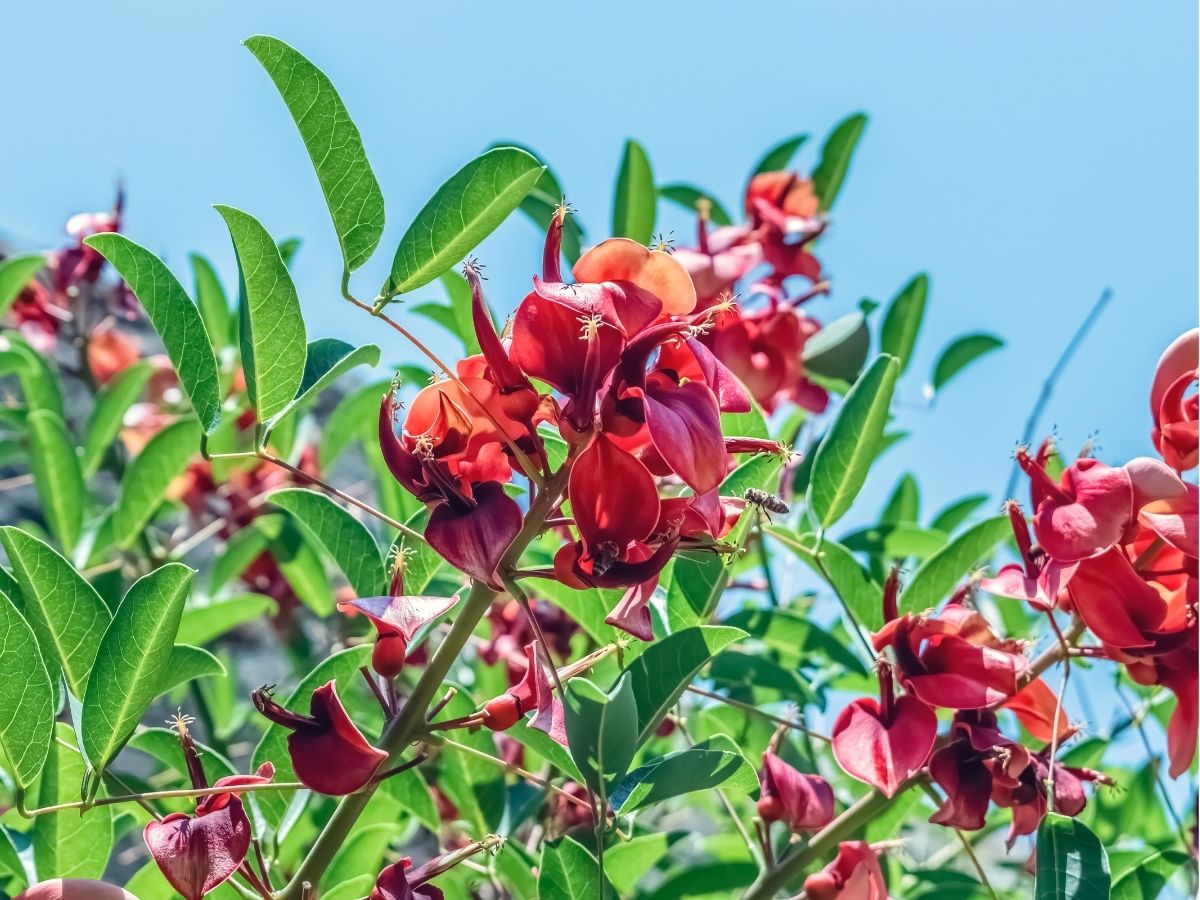
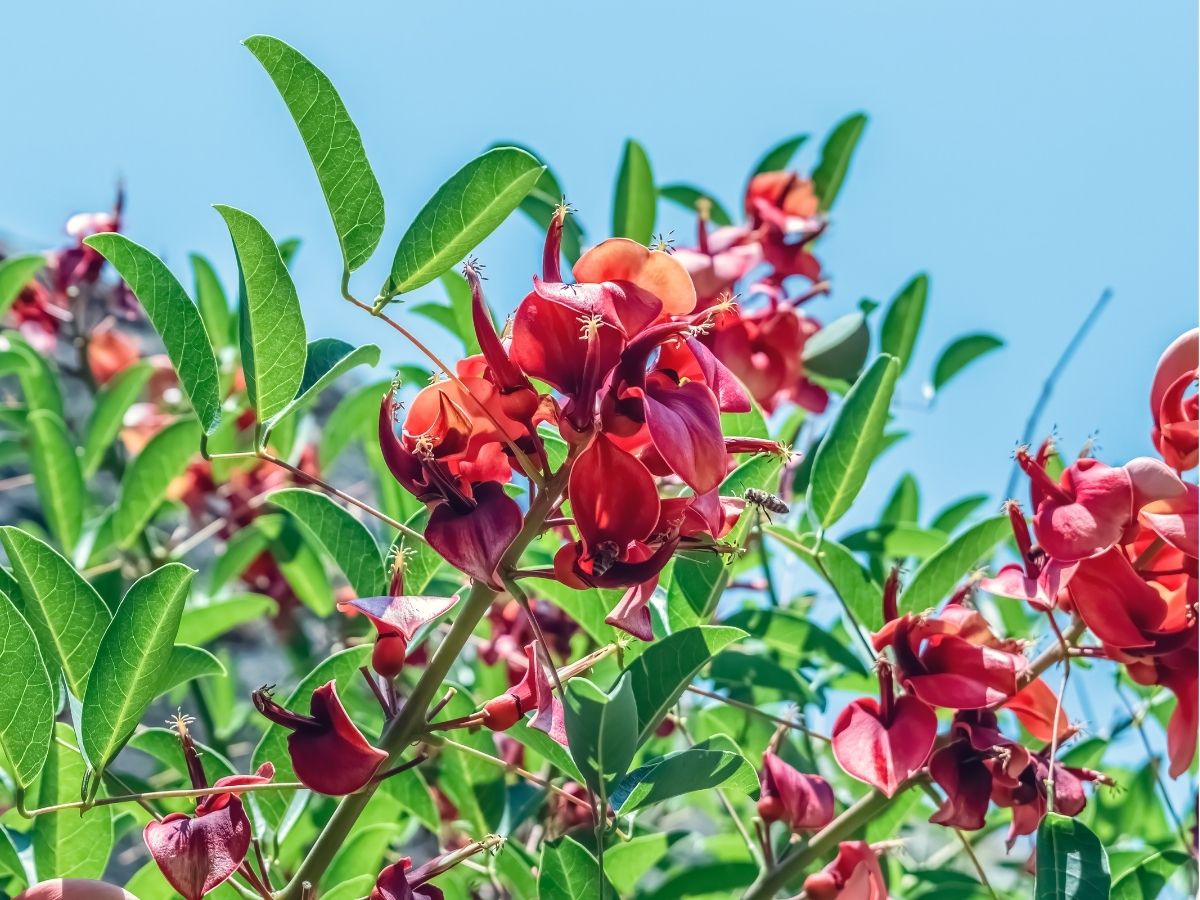
Often compound leaves with three leaflets; leaf size and texture vary by species.
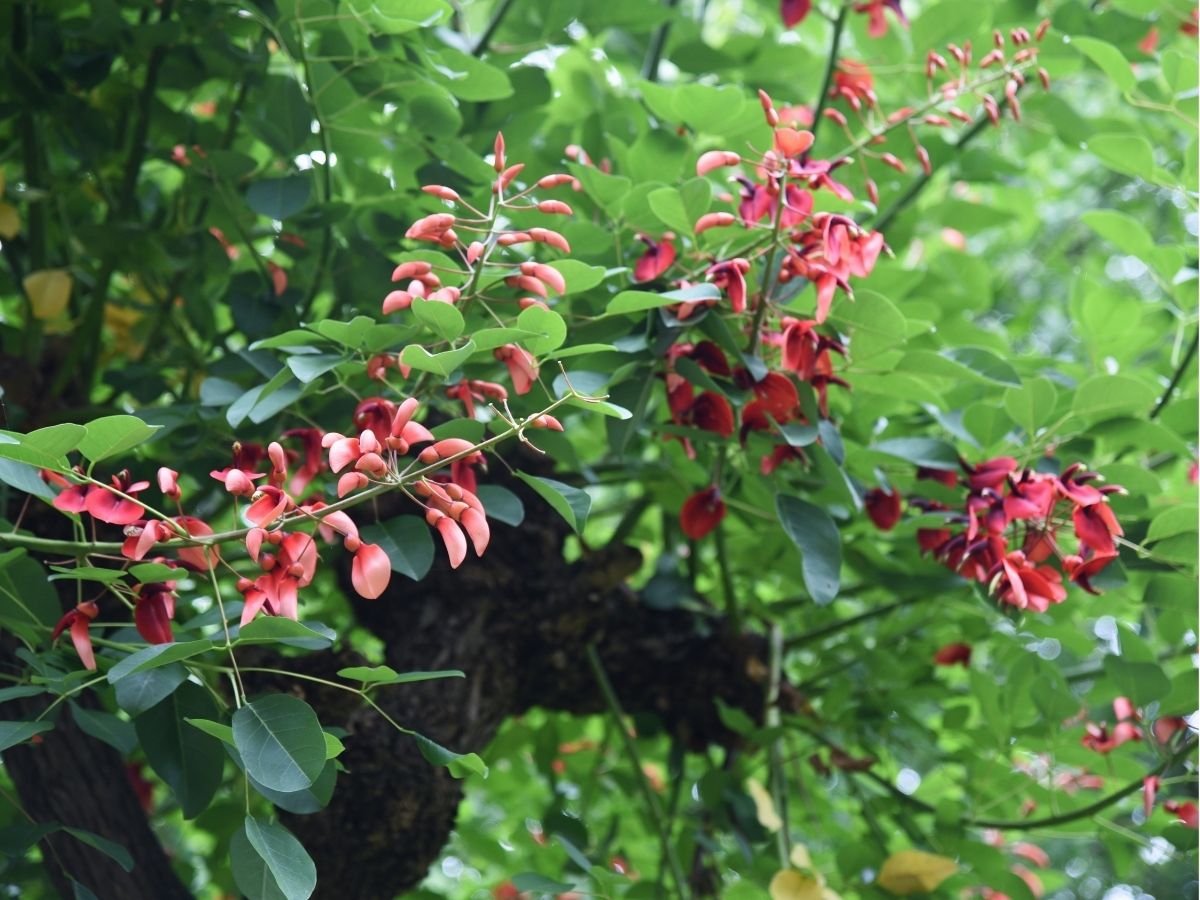
Showy clusters of tubular or pea-like flowers, commonly red to orange; bloom size and shape vary by species.
Pods may form after flowering; seeds can be noticeable and bead-like in some species.
LOCATION
Native environments and the best spots to place it in your landscape.
SEASONALITY
Notes on bloom windows and how this plant helps pollinators across the seasons.
Bloom timing depends on the Erythrina species and your local conditions.
Bloom Season Role: A bold, high-nectar bloom that can act as a seasonal “beacon” plant.
REQUIREMENTS
The right mix of sun, soil, and space for healthy growth.
Give as much sun as you can for best flowering, with some afternoon shade in very hot, exposed sites.
Well-drained soil is key. If your soil stays wet, improve drainage or use a raised bed/container.
Water regularly while establishing, then adjust based on your soil and weather. Let the top layer of soil dry slightly between waterings rather than keeping it constantly wet.
Plant where it has room to grow and where falling flowers/pods won’t be a problem on walkways. In cooler regions, consider a container so it can be moved to protection when needed.
Use a light mulch layer to reduce weeds and help soil stay evenly moist, keeping mulch away from the trunk.
GARDENING GUIDE
Simple steps to plant, prune, and maintain healthy trees without pesticides.
Pairings
Pairing ideas to keep pollinators fed throughout the growing season.
GLOSSARY
Glossary terms are being added.
What You Can Do
Turn this knowledge into action. Whether you plant a single pot or a whole garden, you are building a vital bridge for local biodiversity.
Join the movement to restore our shared habitats.
Pollinators supported
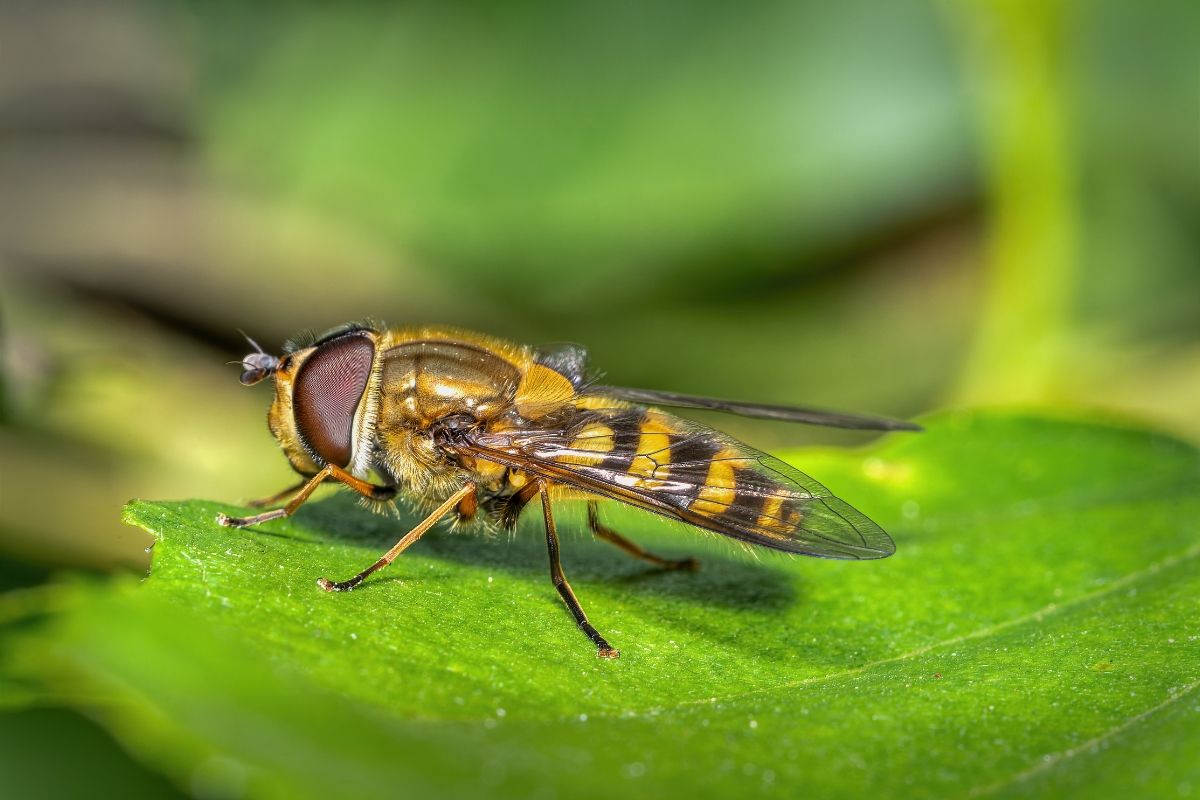
Adults visit flowers for nectar and pollen, and many species’ larvae help keep plant-eating pests in check.
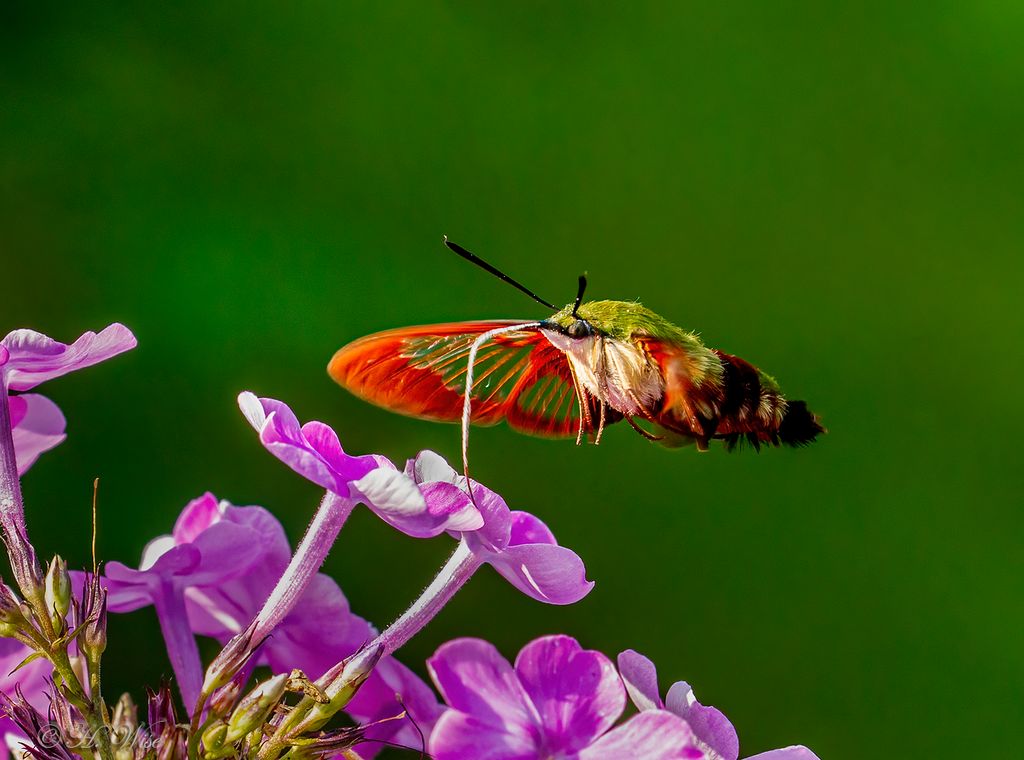
They can move pollen between flowers while feeding on nectar, especially for blooms that open or scent up in the evening.
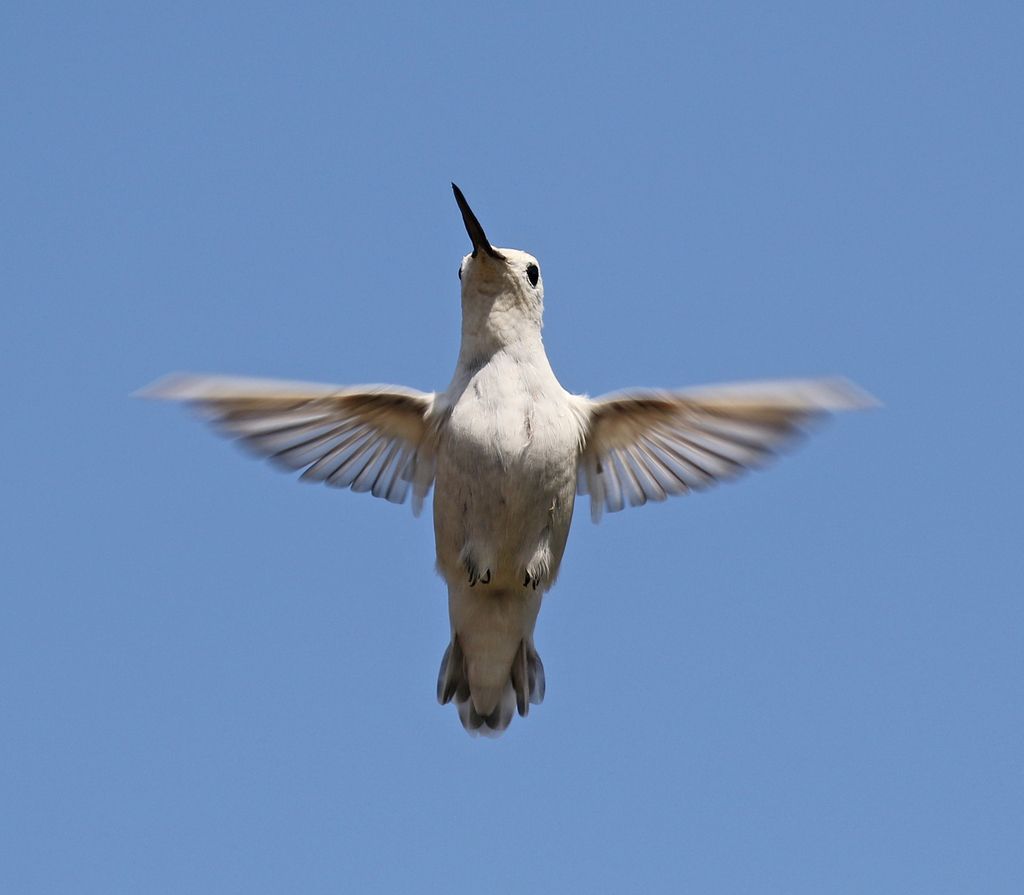
They move pollen between flowers while feeding, helping many plants reproduce.
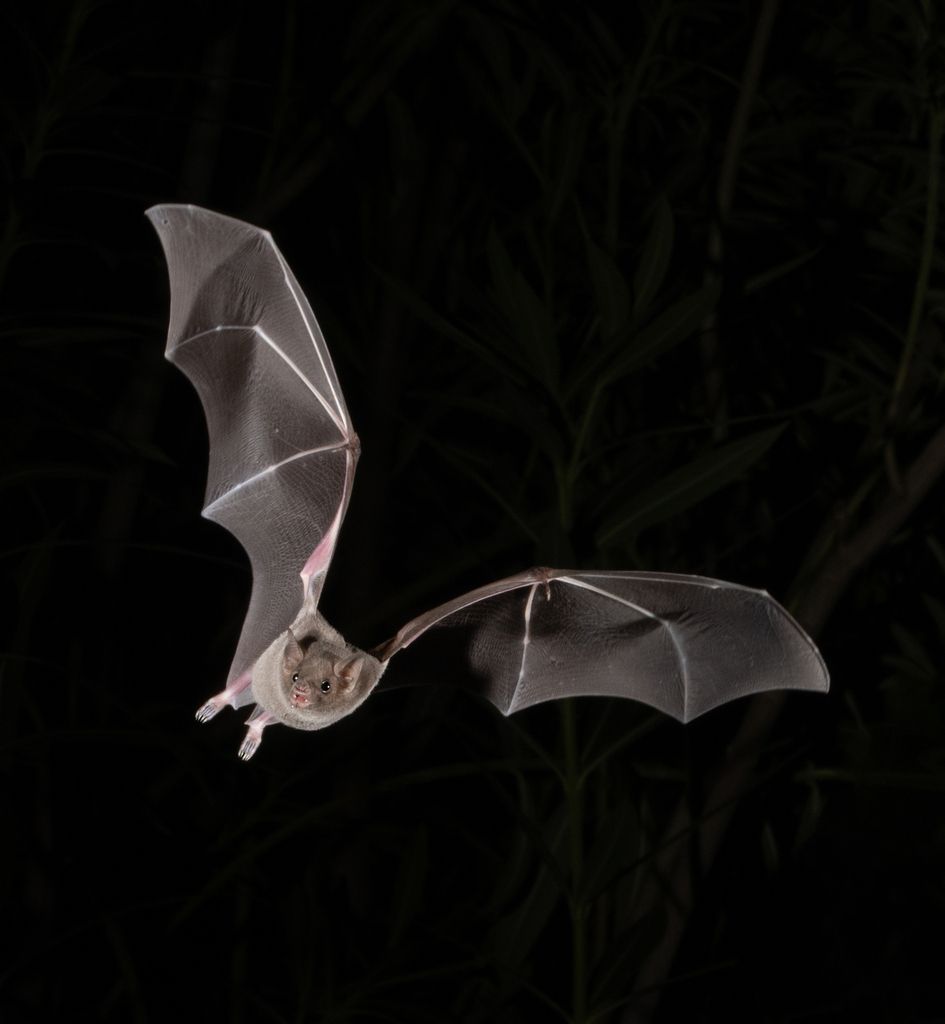
They move pollen between flowers over long distances, helping some plants set fruit and seed.
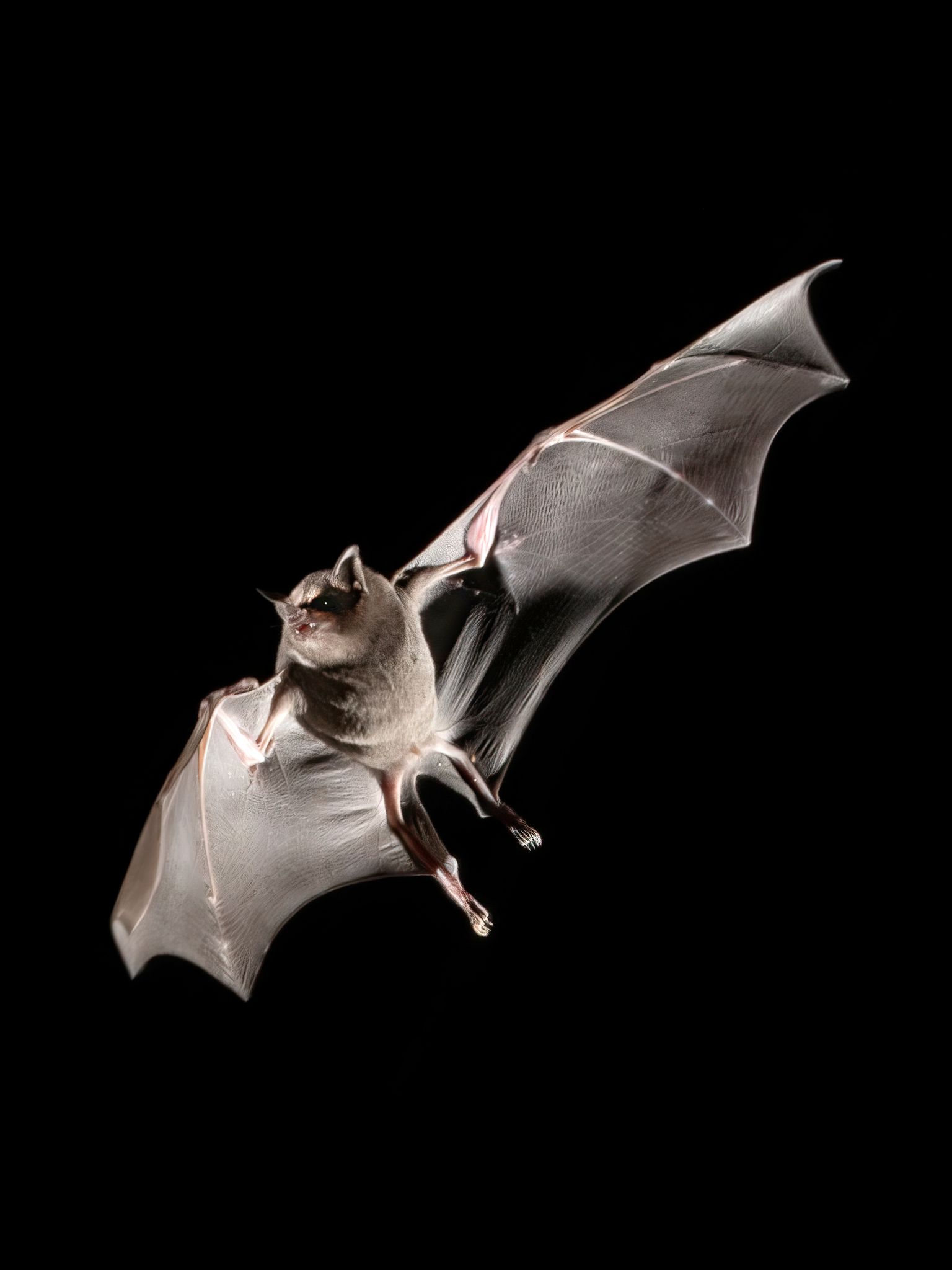
They move pollen between flowers over long distances and help many plants set fruit and seed.
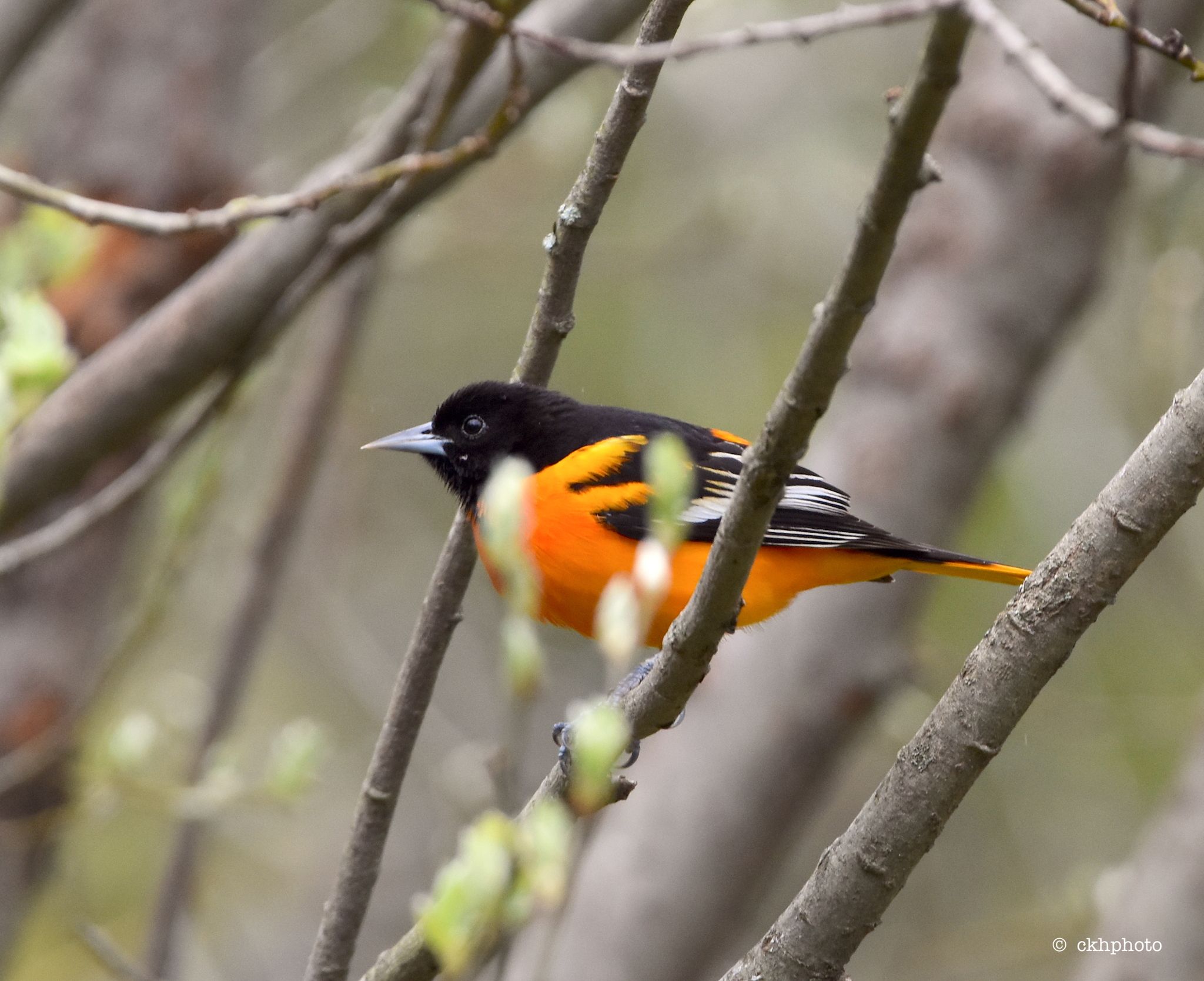
They move pollen between flowers while feeding on nectar, supporting seed and fruit production in many plants.
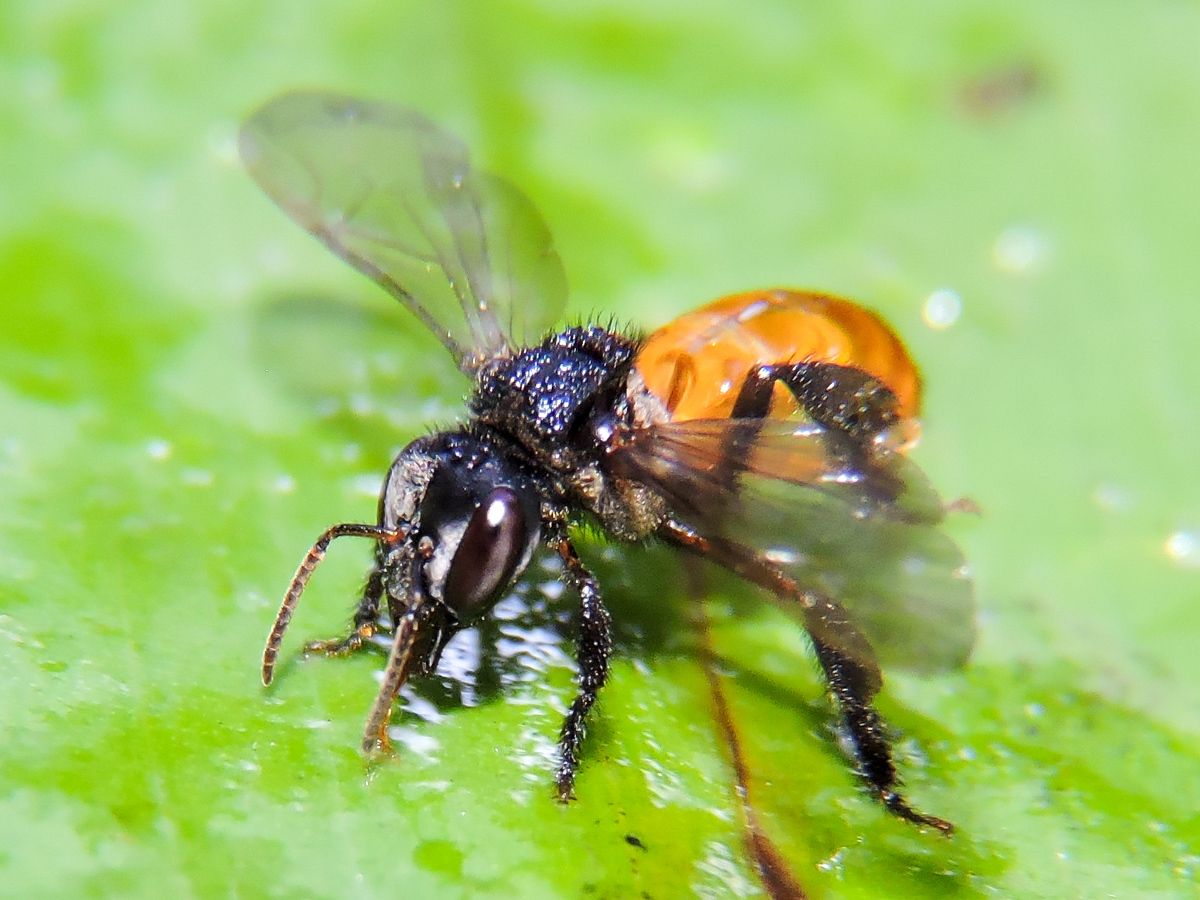
They help pollinate many wild and cultivated plants in tropical and subtropical regions, supporting food webs and biodiversity.