Skip to content
Honey locusts (*Gleditsia* spp.)
Plant profile

Honey locusts

Genus Gleditsia

Honey locusts (genus Gleditsia) are airy-canopied trees that can add light shade and seasonal flowers to yards and streetscapes while fitting into pollinator-friendly planting.

Plant Type

Trees > Honey locusts

Aliases

Honey locust

Native Range

Native to parts of North America; some honey locusts are planted widely beyond their original range.

Bloom window

Late spring to early summer (varies by species and local conditions)

OVERVIEW

About This Plant

Honey locusts (Genus Gleditsia) are valuable canopy trees prized for the light, airy shade they provide. This open canopy is a key functional benefit, as it allows essential sunlight to filter through, enabling a diverse understory of flowering perennials and shrubs to thrive beneath them.

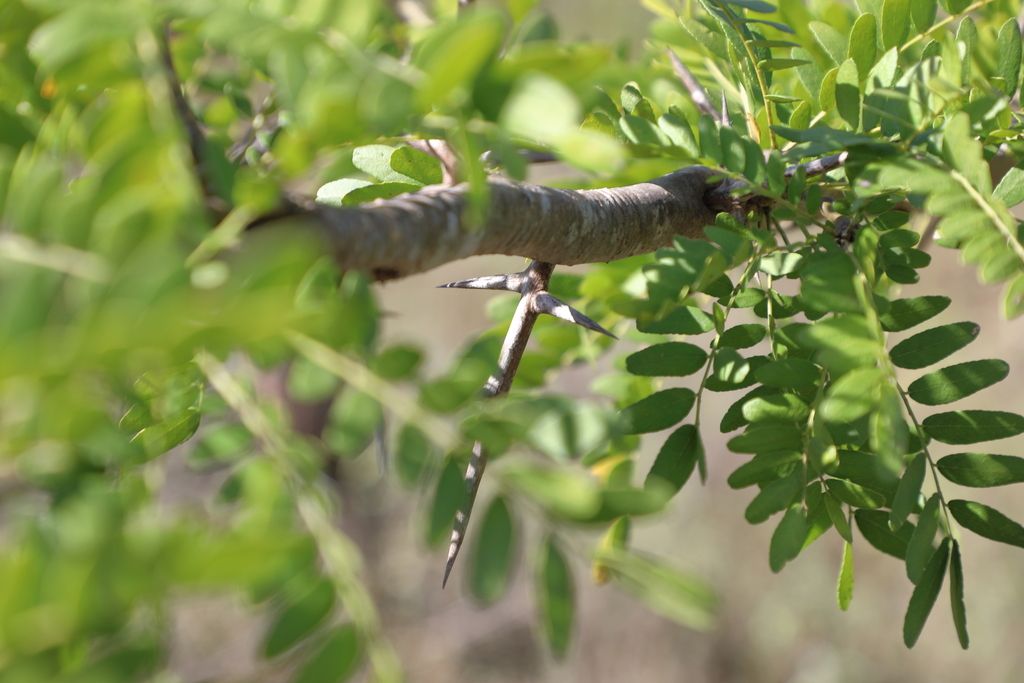
Their small, seasonal flowers offer nectar and pollen for visiting native insects. To maximize their ecological value, use the tree to anchor a layered habitat, planting a variety of flowers around its base that bloom across the spring and summer to ensure continuous resources for pollinators. If planting near high-traffic areas, select a thornless, low-pod cultivar.

Best role for pollinators
Adding a tree canopy that still allows light for a pollinator garden underneath
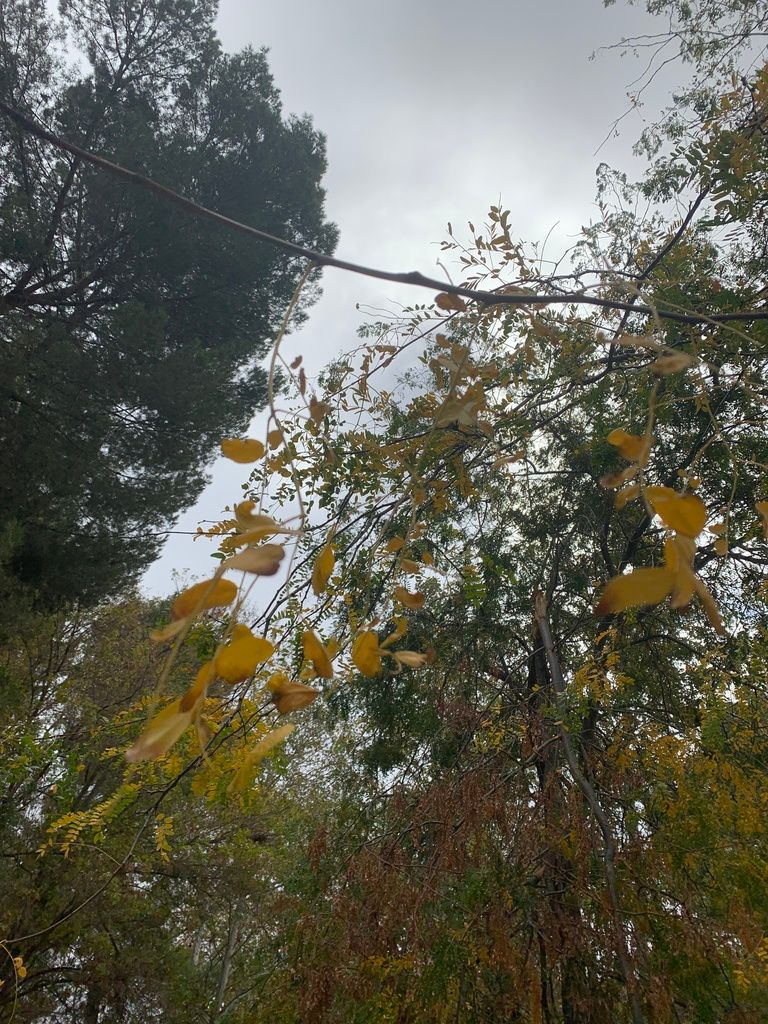
Honey locusts (native/regional) (Gleditsia spp.)
https://www.inaturalist.org/photos/165160977 Photo: (c) mariosalguero24132, some rights reserved (CC BY-NC) | CC-BY-NC | iNaturalist

FAST FACTS

Quick Details

Essential stats and requirements for quick reference.

Also known asHoney locust
Bloom windowLate spring to early summer (varies by species and local conditions)
Typical heightMedium to large tree (varies by species and selection)
Pollinators supportedBees, Flies
Light & moistureSun to partial shade; adaptable once established
Best roles for pollinatorsAdding a tree canopy that still allows light for a pollinator garden underneath

SUMMARY

If You Remember Three Things

A quick scan of what they do, what they need, and the best first step.

What they do

Provide tree structure and dappled shade that can help you build a layered, pollinator-friendly yard.
What they need

A suitable planting spot with room for roots and canopy, plus steady care while establishing.

One best action

Pair a honey locust with a simple underplanting of pollinator-friendly flowers to make the space do more.

IMPACT

Why Plant This?

Honey locusts can be a practical tree choice for creating a layered, pollinator-friendly space—especially when you add flowering plants around and beneath them.
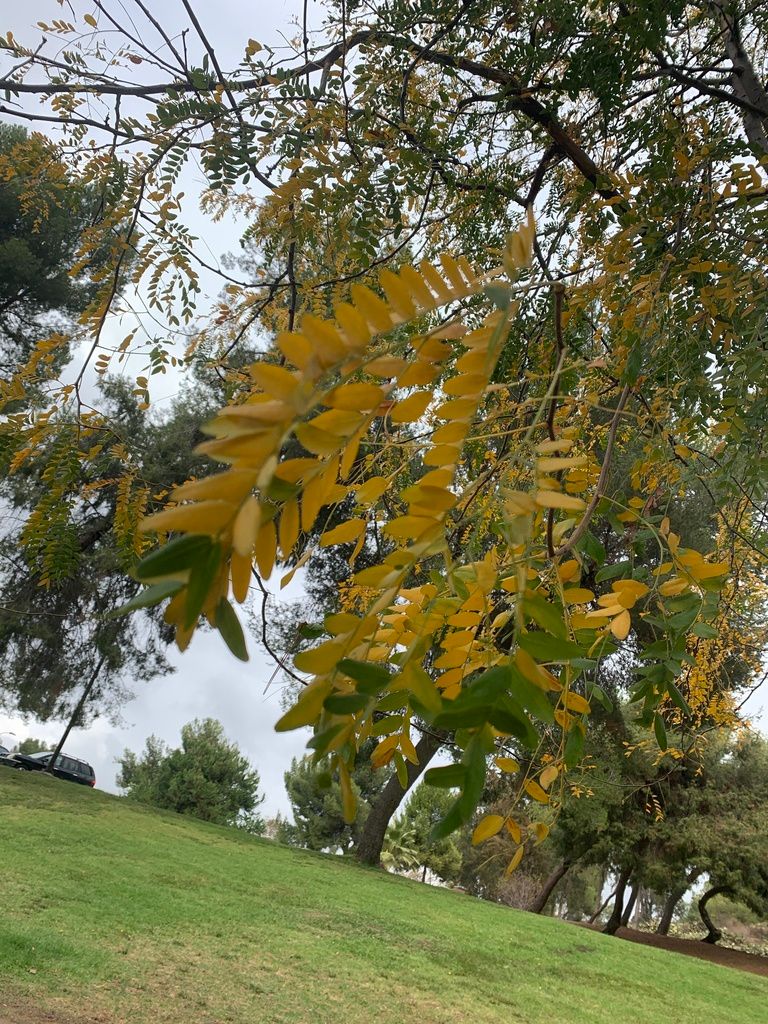
Honey locust leaves are fine-textured, which is why the shade beneath often feels brighter than under many other trees.

Key Impacts

What it Supports

  • Trees add structure and shelter that can make gardens more welcoming for insects and birds.
  • A light canopy can help you grow a wider variety of flowering plants underneath.
  • Planting a tree is a long-term step that can support a healthier, greener neighborhood.

RECOGNITION

Identification Guide

Honey locusts can look delicate from a distance, but they’re sturdy trees. Use these clues to recognize them:

Leaves

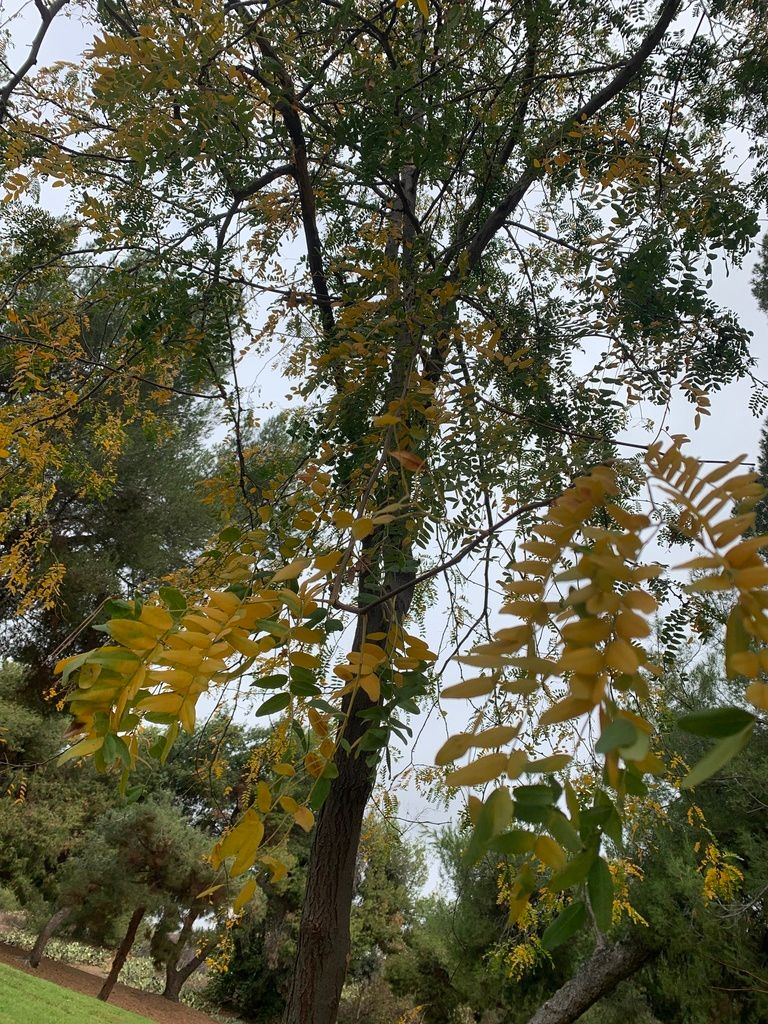
Leaves are made of many small leaflets, giving the tree a fine, feathery look.

Flowers

Flowers are small and greenish, often in short clusters; they’re easy to overlook.

Fruits

Some honey locusts form long pods; others may have few or none depending on the plant.
Honey locusts (Gleditsia spp.)
https://www.inaturalist.org/photos/165160785 Photo: (c) mariosalguero24132, some rights reserved (CC BY-NC) | CC-BY-NC | iNaturalist
Honey locusts (Gleditsia spp.)

LOCATION

Where It Grows

Native environments and the best spots to place it in your landscape.

Habitats

  • Open woods and edges
  • River and stream corridors
  • Urban and suburban plantings

Where it is often used

  • Street or yard tree where you want light shade
  • Canopy layer for a pollinator garden with sun-loving flowers nearby
  • Shade that still allows spring bulbs and many perennials to grow
  • Windbreak or boundary planting when given enough space

SEASONALITY

When It Blooms

Notes on bloom windows and how this plant helps pollinators across the seasons.

Bloom window

Honey locust flowers are usually subtle, so think of them as a background helper rather than the main show.

Bloom Season Role: Supportive—small flowers that can complement showier blooms nearby

Seasonal benefits

  • Adds seasonal variety to your garden’s bloom calendar
  • Can complement nearby flowering shrubs and perennials
  • Encourages you to build a layered habitat: tree + flowers + groundcover

REQUIREMENTS

What It Needs

The right mix of sun, soil, and space for healthy growth.

Sun exposure

Best in sun, but can handle partial shade.

Soil type

Adaptable to many soils; aim for well-drained ground when possible.

Moisture needs

Water regularly during the first growing season; after that, water during long dry spells.

Planting method

Plant with enough room for the mature canopy and roots; keep the root flare at ground level.

Mulching tips

Mulch in a wide ring to protect roots and hold moisture, but keep mulch off the trunk.

GARDENING GUIDE

How to Grow It

Simple steps to plant, prune, and maintain healthy trees without pesticides.

Planting tips

  • Choose a spot with room for the tree to grow without crowding buildings, fences, or overhead wires.
  • Dig a hole as deep as the root ball and wider than it.
  • Set the tree so the root flare sits at ground level.
  • Backfill with the original soil, firm gently, and water well.
  • Add a mulch ring and keep it a hand’s width away from the trunk.

Seasonal care

  • Water during dry spells, especially for young trees.
  • Refresh mulch yearly, keeping it off the trunk.
  • Prune lightly to remove dead or crossing branches; avoid heavy pruning all at once.
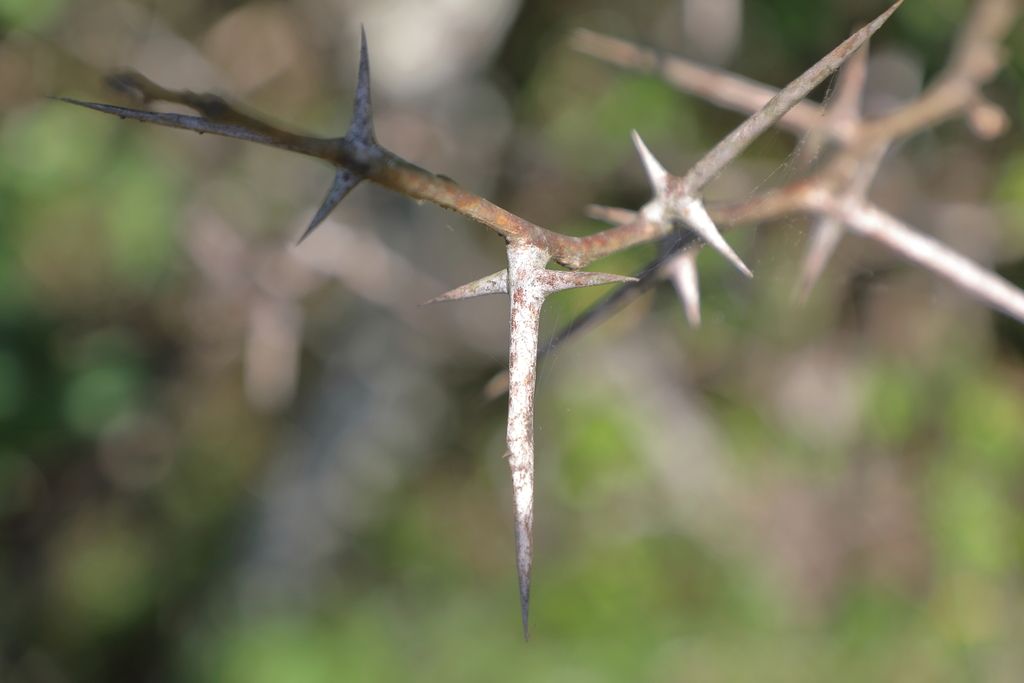
  • Watch for thorns or pods if your tree has them, especially in high-traffic areas.
  • Keep the area under the tree planted (or mulched) to reduce weeds and protect soil.

What not to do

  • Planting a thorny type where kids play or where people walk often.
  • Overwatering or planting in a spot that stays wet.
  • Leaving bare soil under the tree.
  • Using pesticides to “solve” minor insect issues.

Pairings

Best Pairings for Season-Long Bloom

Pairing ideas to keep pollinators fed throughout the growing season.

Early Bloom

  • Spring bulbs (in sunny openings)
  • Early-blooming native/regional woodland-edge flowers

Mid-Season Bloom

  • Bee-friendly perennials that handle sun to part shade
  • Flowering shrubs nearby for added bloom

Late-Season Bloom

  • Late-summer and fall bloomers to extend the season
  • Native/regional grasses or groundcovers for soil cover
Because honey locusts vary by species and selection, ask your local nursery about thornless and low-pod options if those features matter for your space.

GLOSSARY

Key Terms

A few quick terms you might see when shopping for or caring for trees:

Glossary terms are being added.

What You Can Do

Make a difference for native habitats.

Turn this knowledge into action. Whether you plant a single pot or a whole garden, you are building a vital bridge for local biodiversity.

Join the movement to restore our shared habitats.

Pollinators supported

Species that benefit from this plant

Pollinator links are being added for this plant.

Regions

Where this plant is native

Regional links are being added for this plant.