
What they do
Provides filtered shade and spring flowers that can be visited by pollinators.
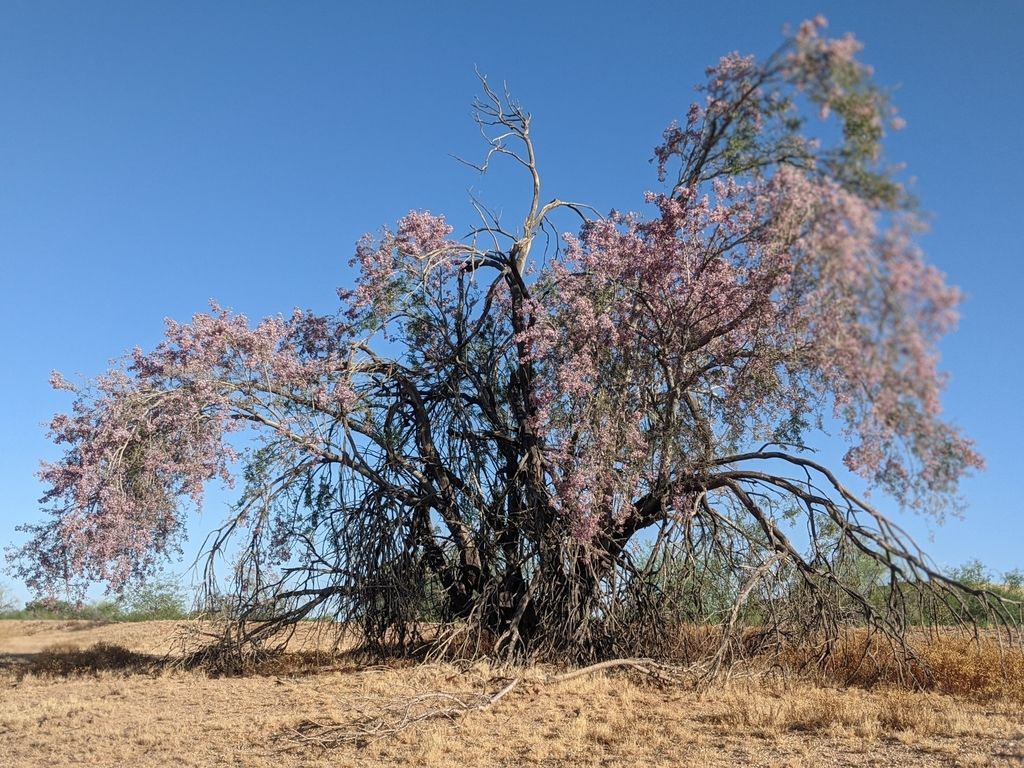
Species Olneya tesota
Sonoran desert ironwood is a long-lived desert tree that offers shade and seasonal flowers that can support pollinators when conditions are right.
Plant Type
Trees > Ironwood
Aliases
Desert ironwood
Native Range
Sonoran Desert region (broadly, the desert Southwest and nearby areas)
Bloom window
Spring (timing varies with local conditions)
OVERVIEW
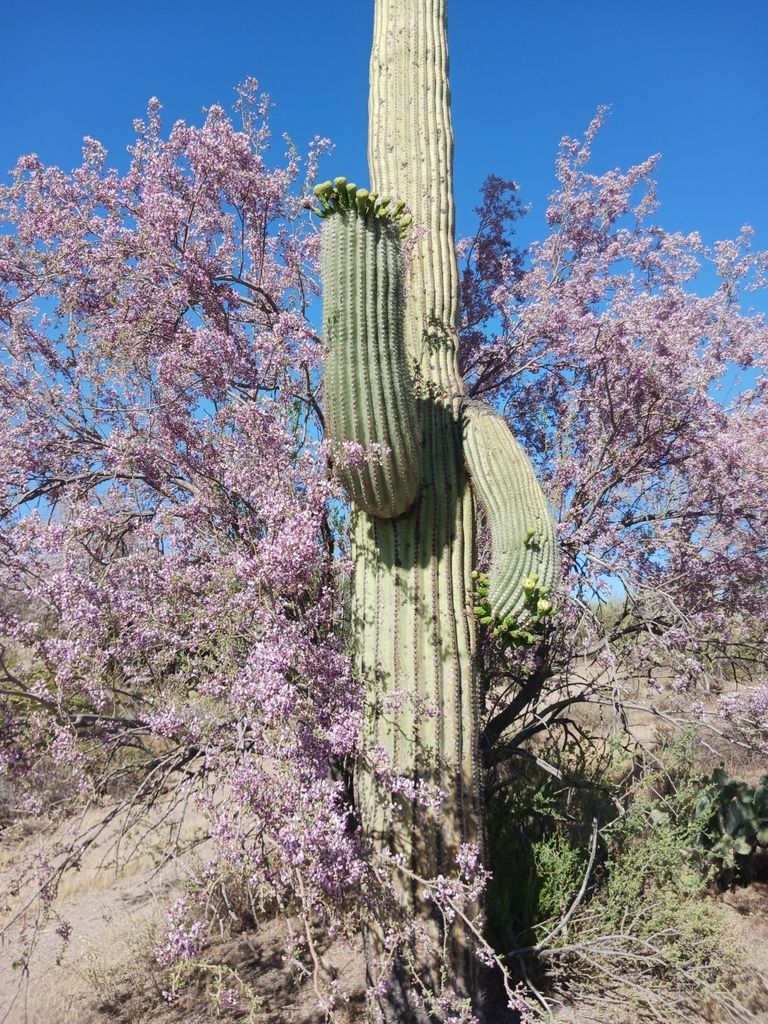
Sonoran desert ironwood (Olneya tesota) is a critical, long-lived habitat anchor, providing essential structure and filtered shade in arid landscapes. This shade is vital, as it allows less heat-tolerant understory plants to thrive, creating a resilient, layered habitat garden even in full sun. When it flowers, typically in spring, ironwood offers a pulse of seasonal nectar and pollen, making it a meaningful stop for various emerging native insects in the region.
Ironwood is best sited like the desert plant it is: prioritize full sun, fast-draining soil, and minimal watering once established. To maximize its value to local wildlife, ensure the planting area remains pesticide-free, allowing the tree to serve as a healthy, functional part of the ecosystem. Pair it with a variety of flowering plants so something is blooming before and after the tree’s spring show.
FAST FACTS
Essential stats and requirements for quick reference.
| Category | Details |
|---|---|
| Also known as | Desert ironwood |
| Bloom window | Spring (timing varies with local conditions) |
| Typical height | Small to medium tree (size varies with age and site) |
| Pollinators supported | Bees, Butterflies |
| Light & moisture | Full sun; dry to low moisture once established |
| Best roles for pollinators | Hot, sunny sites where you want a desert-adapted shade tree and seasonal pollinator-friendly blooms. |
SUMMARY
A quick scan of what they do, what they need, and the best first step.
Provides filtered shade and spring flowers that can be visited by pollinators.
Sun, well-drained soil, and a light hand with watering once established.
Plant it in a sunny spot with fast-draining soil and avoid frequent watering after the first establishment period.
IMPACT
Key Impacts
RECOGNITION
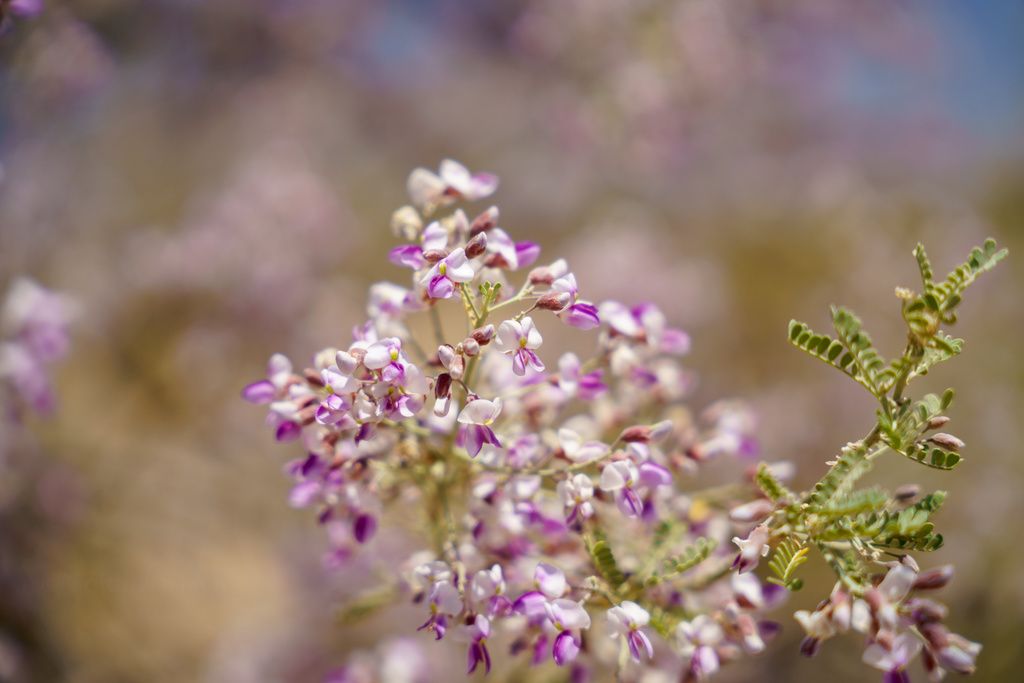
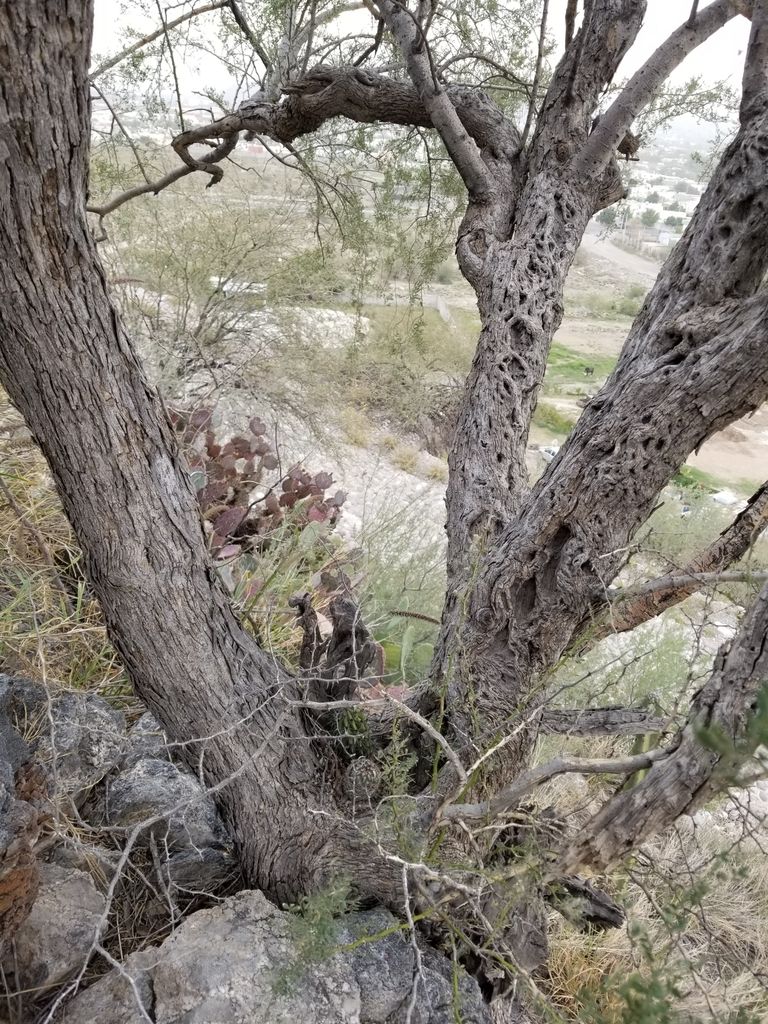
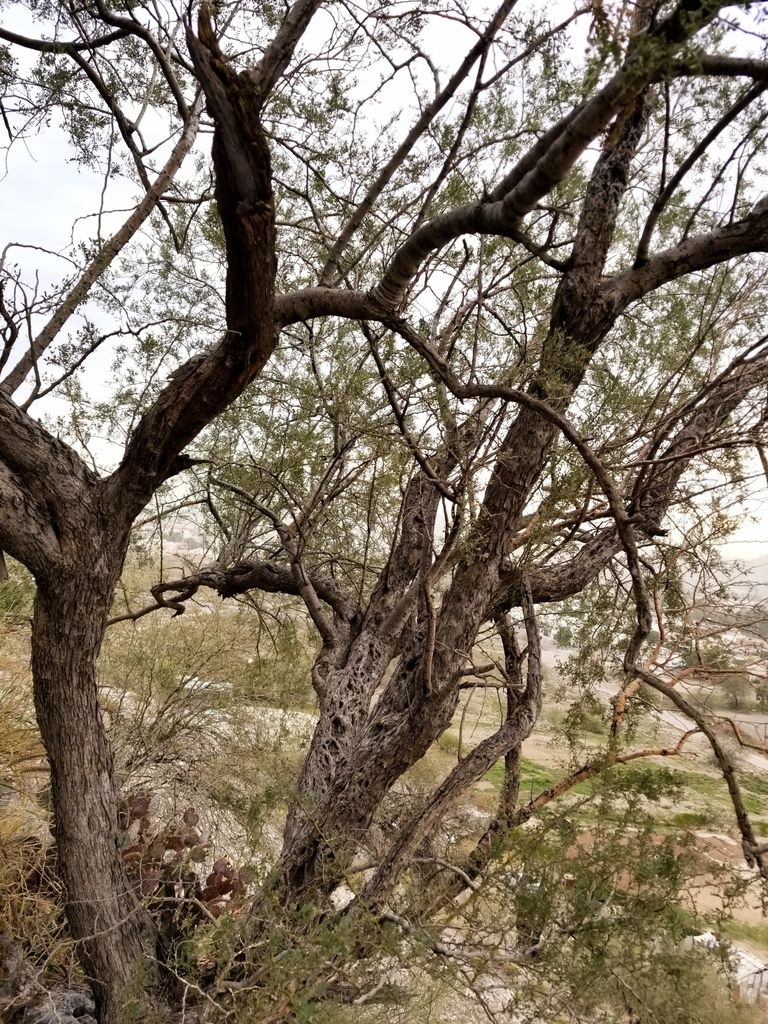
Fine-textured foliage that creates filtered shade; leaves are small and give the canopy a soft look.
Small, pea-like blossoms, often in purple to lavender shades, appearing in spring.
Pod-like fruit typical of pea-family trees; pods may persist for a time after flowering.
LOCATION
Native environments and the best spots to place it in your landscape.
SEASONALITY
Notes on bloom windows and how this plant helps pollinators across the seasons.
Ironwood typically blooms in spring, though timing can shift depending on local weather and growing conditions.
Bloom Season Role: Seasonal nectar and pollen
REQUIREMENTS
The right mix of sun, soil, and space for healthy growth.
Full sun is best for strong growth and flowering.
Well-drained soil is important; avoid heavy clay that stays wet.
Water regularly while establishing, then reduce to occasional deep watering as needed; do not keep the root zone constantly moist.
Choose a spot with room for the canopy and away from areas that are frequently irrigated.
Use a thin layer of mulch to reduce weeds and protect soil, but keep mulch pulled back from the trunk.
GARDENING GUIDE
Simple steps to plant, prune, and maintain healthy trees without pesticides.
Pairings
Pairing ideas to keep pollinators fed throughout the growing season.
GLOSSARY
Glossary terms are being added.
What You Can Do
Turn this knowledge into action. Whether you plant a single pot or a whole garden, you are building a vital bridge for local biodiversity.
Join the movement to restore our shared habitats.