
What they do
Locusts provide a big flush of spring flowers that many pollinators visit, plus shade and structure in the landscape.
Genus Robinia
Locusts (Robinia) are tough, fast-growing trees best known for their fragrant spring flower clusters that can be a busy stop for pollinators. They’re useful where you need a hardy tree, but they can also spread and send up shoots, so choose the right spot and manage them early.
Plant Type
Trees > Locusts
Aliases
Black locust
Native Range
Some species in the genus Robinia are native to parts of North America; others are widely planted and may be naturalized in many regions.
Bloom window
Spring to early summer (varies by species and site)
OVERVIEW
Locusts (genus Robinia) are flowering trees that can bring a noticeable wave of spring blooms to a yard. When they’re in flower, the hanging clusters can be full of activity from visiting insects.
Because locusts can be vigorous, they’re best treated as a “right tree, right place” choice. Give them space, expect fast growth, and plan for routine check-ins so shoots and seedlings don’t end up where you don’t want them.
If you’re building a pollinator-friendly garden, think of locusts as a canopy layer: they can add flowers above your perennials and shrubs. Pair them with a long season of blooms below—spring wildflowers, summer nectar plants, and fall asters and goldenrods—so pollinators can find food across the growing season.
FAST FACTS
Essential stats and requirements for quick reference.
| Category | Details |
|---|---|
| Also known as | Black locust |
| Bloom window | Spring to early summer (varies by species and site) |
| Typical height | Medium to tall tree (varies by species and site) |
| Pollinators supported | Bees, Butterflies |
| Light & moisture | Best in sun; tolerates a range of soils once established. |
| Best roles for pollinators | Hardy shade and spring bloom in larger spaces where you can manage spreading shoots |
SUMMARY
A quick scan of what they do, what they need, and the best first step.
Locusts provide a big flush of spring flowers that many pollinators visit, plus shade and structure in the landscape.
A sunny spot with room to grow and a plan to manage shoots and volunteers.
Choose a planting location where spreading shoots won’t be a problem, and remove unwanted shoots early.
IMPACT
Key Impacts
RECOGNITION
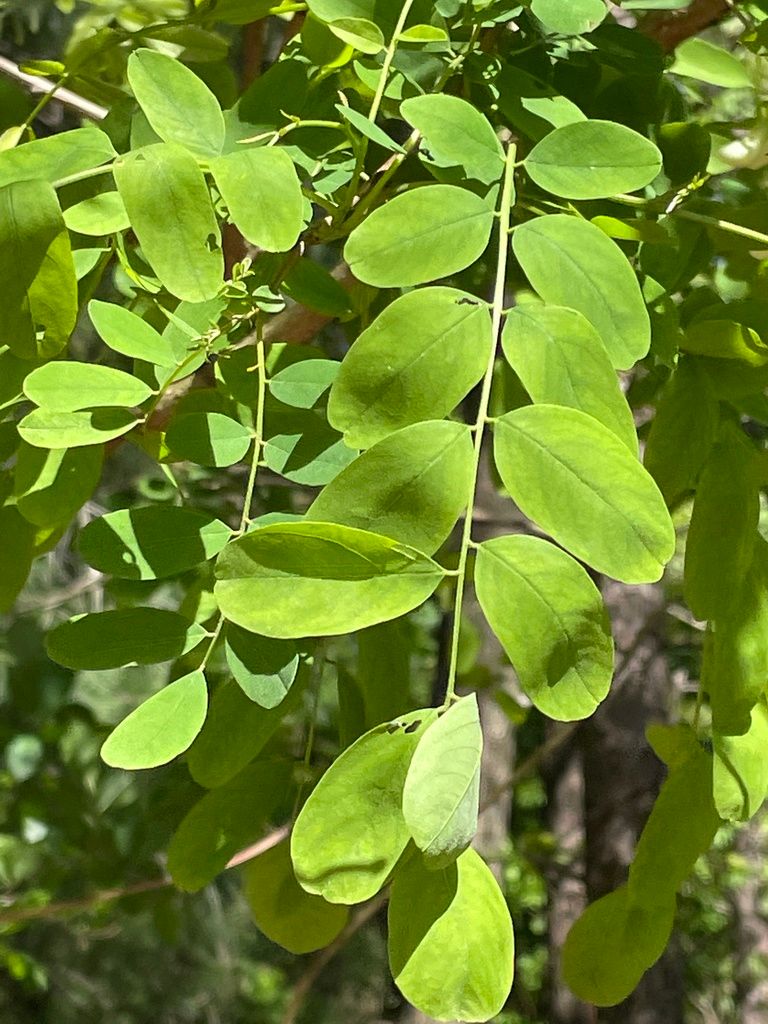
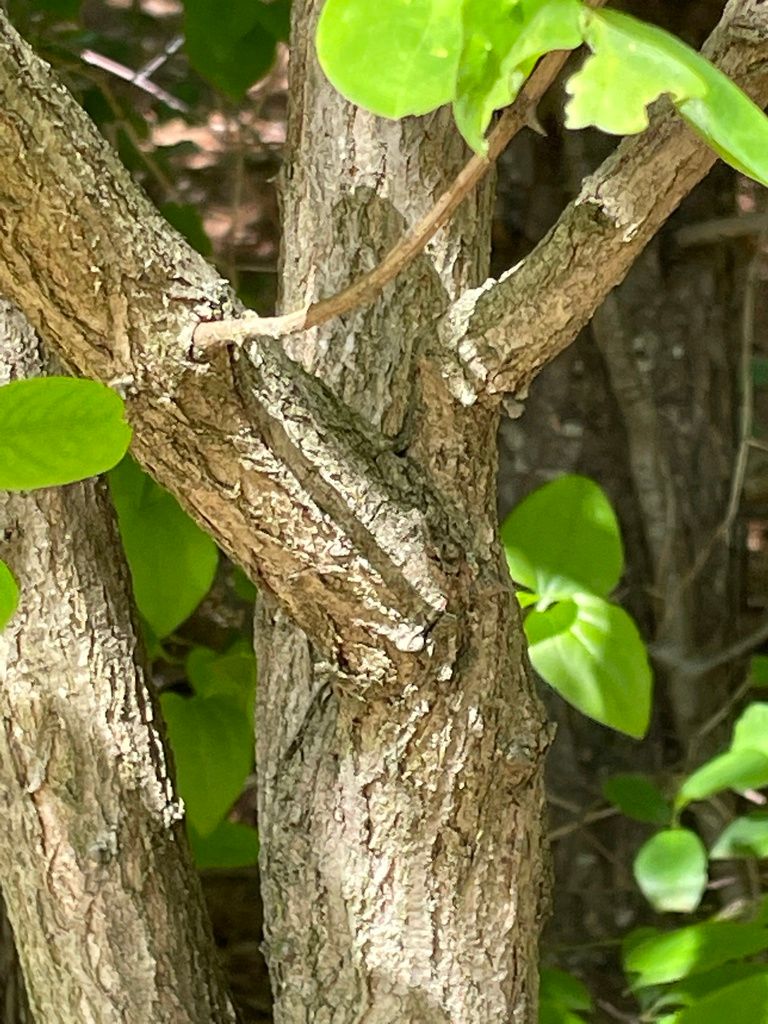
Compound leaves with multiple small, oval leaflets arranged along a central stem.
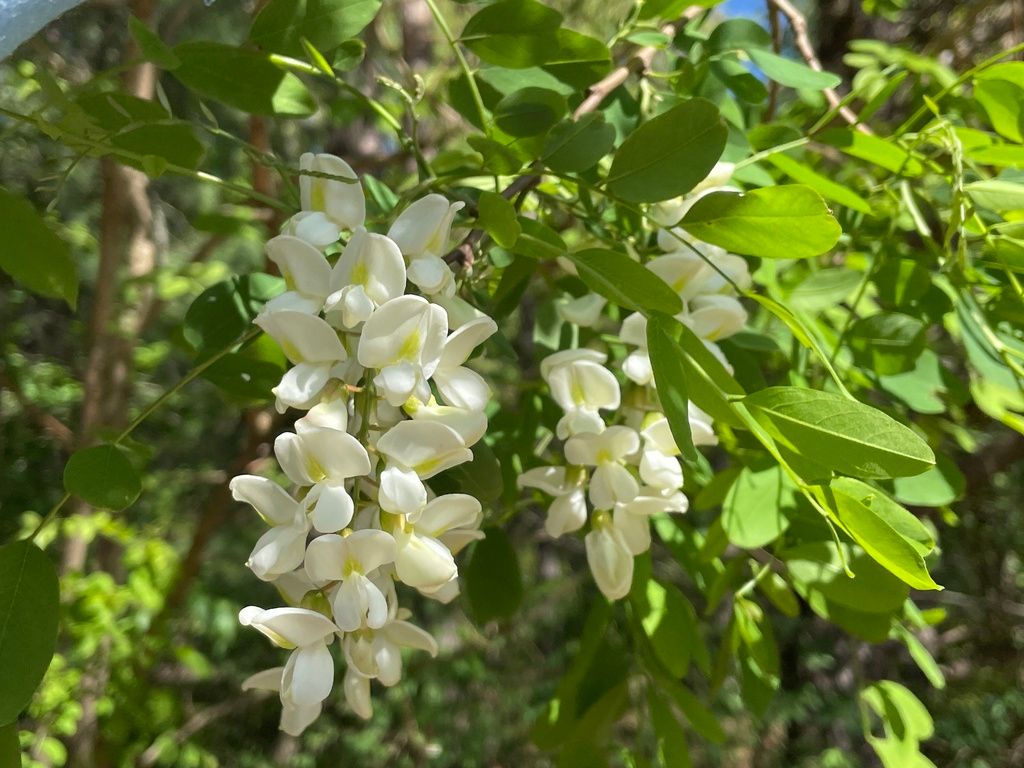
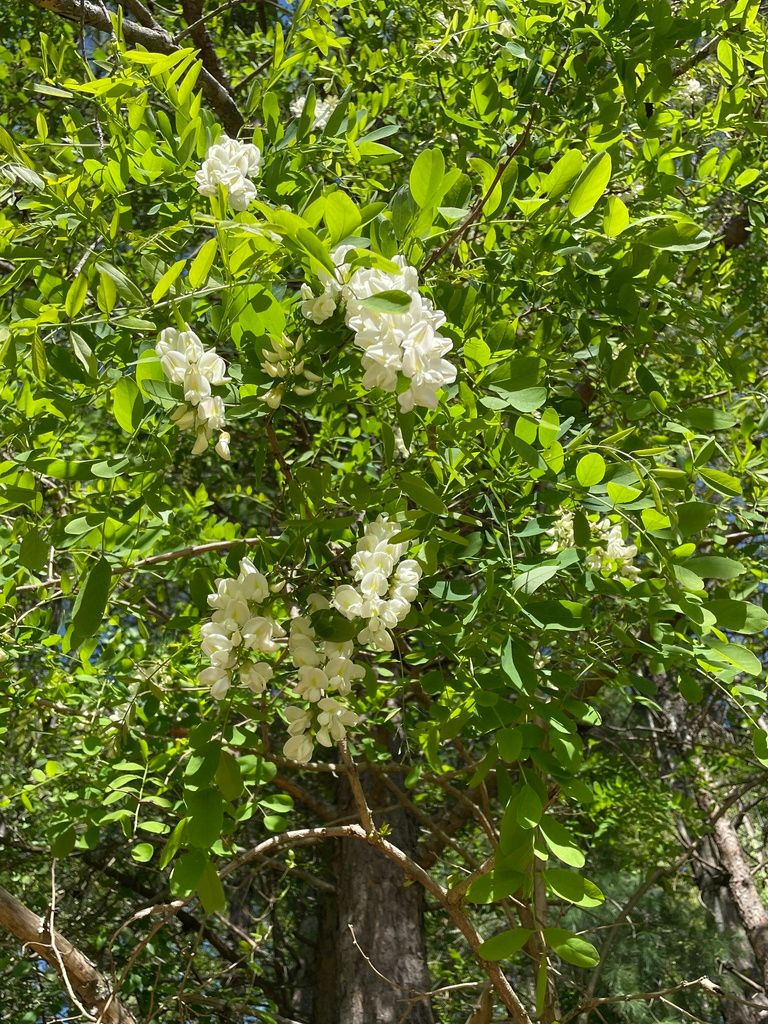
Hanging clusters of pea-like flowers, often white or pale pink, usually fragrant.
Flat, bean-like pods that develop after flowering.
LOCATION
Native environments and the best spots to place it in your landscape.
SEASONALITY
Notes on bloom windows and how this plant helps pollinators across the seasons.
Locusts typically bloom in late spring into early summer, depending on the species and local conditions.
Bloom Season Role: A spring-to-early-summer burst of nectar and pollen when many gardens are ramping up.
REQUIREMENTS
The right mix of sun, soil, and space for healthy growth.
Plant in a sunny spot for best flowering; some types tolerate light shade.
Adaptable to many soils; avoid constantly soggy ground.
Water regularly during establishment; after that, water during long dry spells.
Give it room away from small garden beds and hardscapes, and plan for future size and root shoots.
Mulch lightly around the base (not against the trunk) to reduce weeds and help soil hold moisture.
GARDENING GUIDE
Simple steps to plant, prune, and maintain healthy trees without pesticides.
Pairings
Pairing ideas to keep pollinators fed throughout the growing season.
GLOSSARY
Glossary terms are being added.
What You Can Do
Turn this knowledge into action. Whether you plant a single pot or a whole garden, you are building a vital bridge for local biodiversity.
Join the movement to restore our shared habitats.