
What they do
Pear trees provide spring blossoms that pollinators can visit, and they can add shade and structure to a garden.
Genus Pyrus (native/regional)
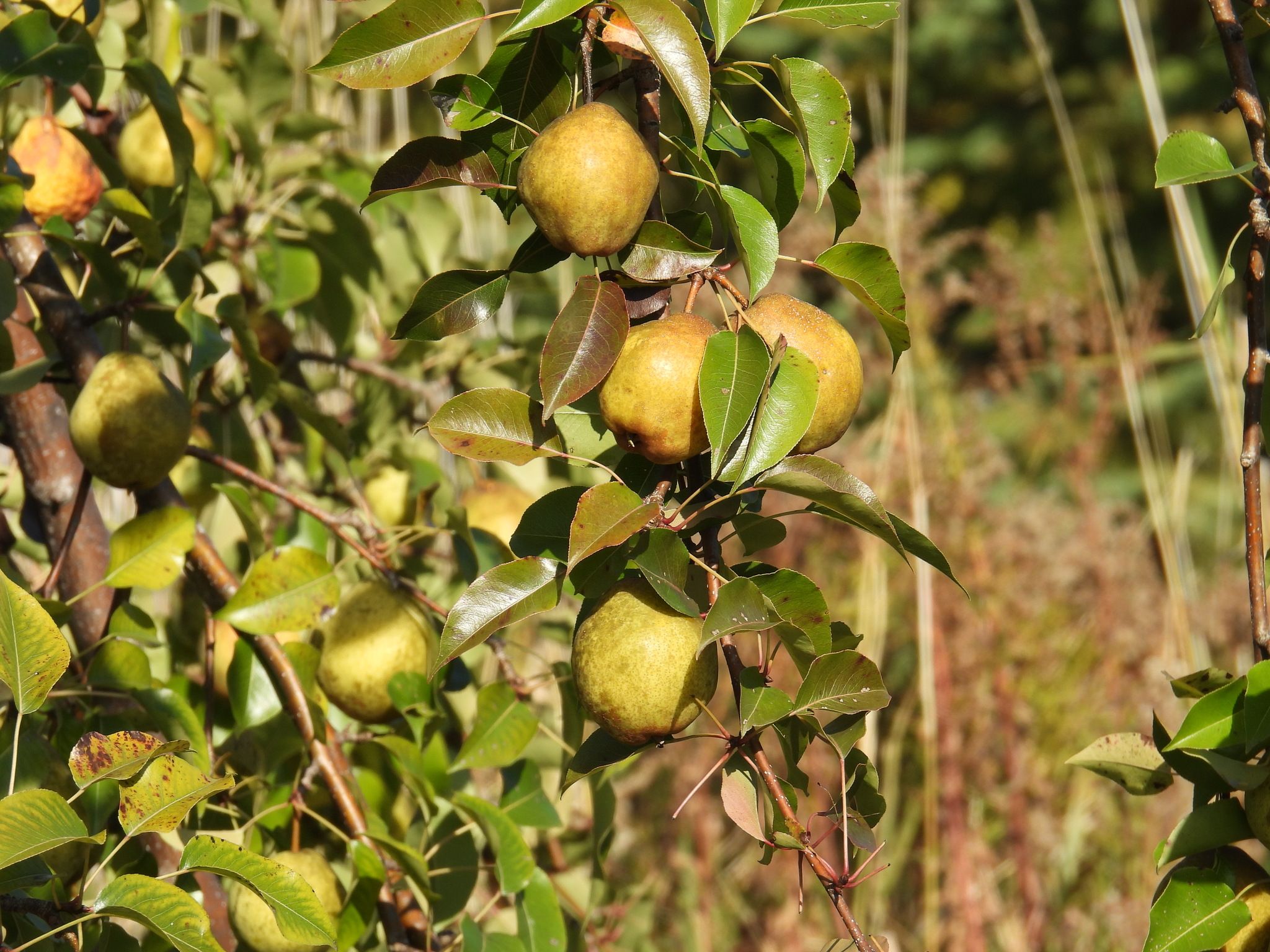
Pears are small to medium trees in the genus Pyrus that can offer spring blossoms for pollinators and later fruit for people and wildlife—when you choose regionally appropriate types and give them sun, space, and good airflow.
Plant Type
Trees > Pears
Aliases
Pear
Native Range
Regional/native types occur in parts of North America; choose regionally appropriate pears for the Toronto area when possible.
Bloom window
Spring
OVERVIEW
Pears (Genus Pyrus, native/regional species) are small to medium trees that serve an important function in habitat as an early-season structure and a vital “spring kickoff” food source. Their extensive spring blossoms offer abundant nectar and pollen for emerging native insects when other forage is scarce, supporting the beginning of the local food web.
To maximize their ecological value, Pears require full sun, space for mature growth, and good airflow. The key to maintaining a pollinator-friendly tree is avoiding the use of pesticides, especially during the spring bloom window. A well-sited tree, maintained with simple steps like targeted pruning, is generally healthier and remains a reliable resource for insects and, later in the season, fruit for wildlife.
FAST FACTS
Essential stats and requirements for quick reference.
| Category | Details |
|---|---|
| Also known as | Pear |
| Bloom window | Spring |
| Typical height | Small to medium tree |
| Pollinators supported | Bees, Flies |
| Light & moisture | Sun with evenly moist, well-drained soil |
| Best roles for pollinators | Yards and school grounds with room for a small-to-medium tree; gardeners who want spring flowers plus edible fruit potential. |
SUMMARY
A quick scan of what they do, what they need, and the best first step.
Pear trees provide spring blossoms that pollinators can visit, and they can add shade and structure to a garden.
A sunny spot, decent drainage, and enough space for the canopy to mature with good airflow.
Plant pears in full sun with room to grow, and avoid spraying anything on the tree while it’s flowering.
IMPACT
Key Impacts
RECOGNITION
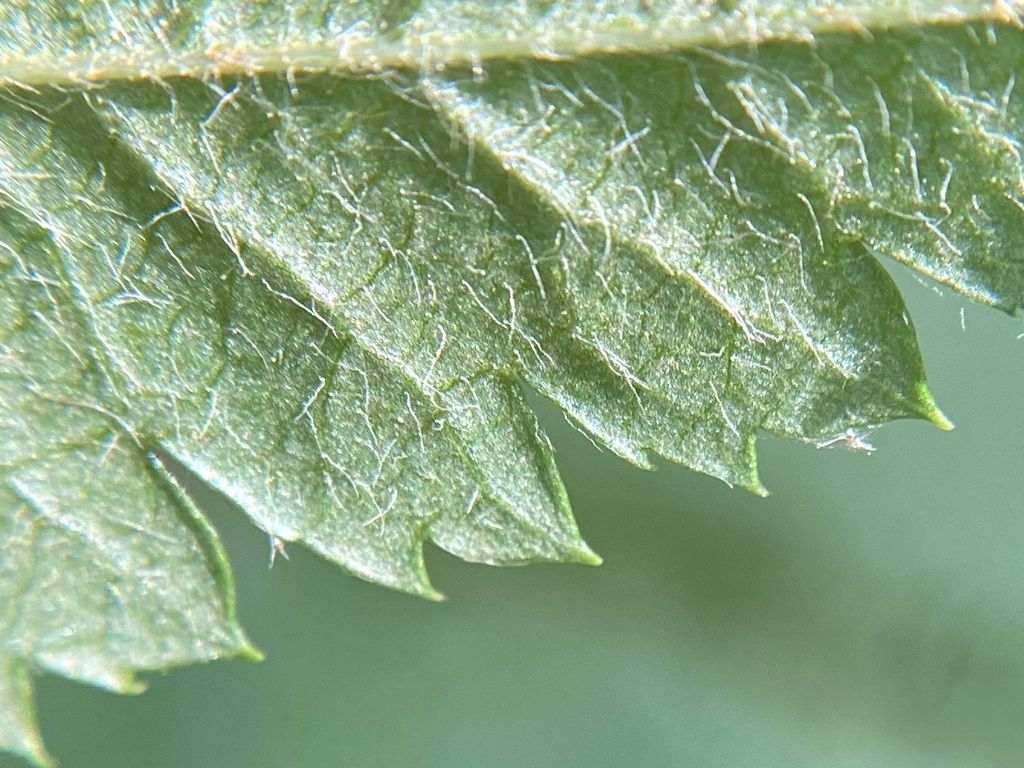
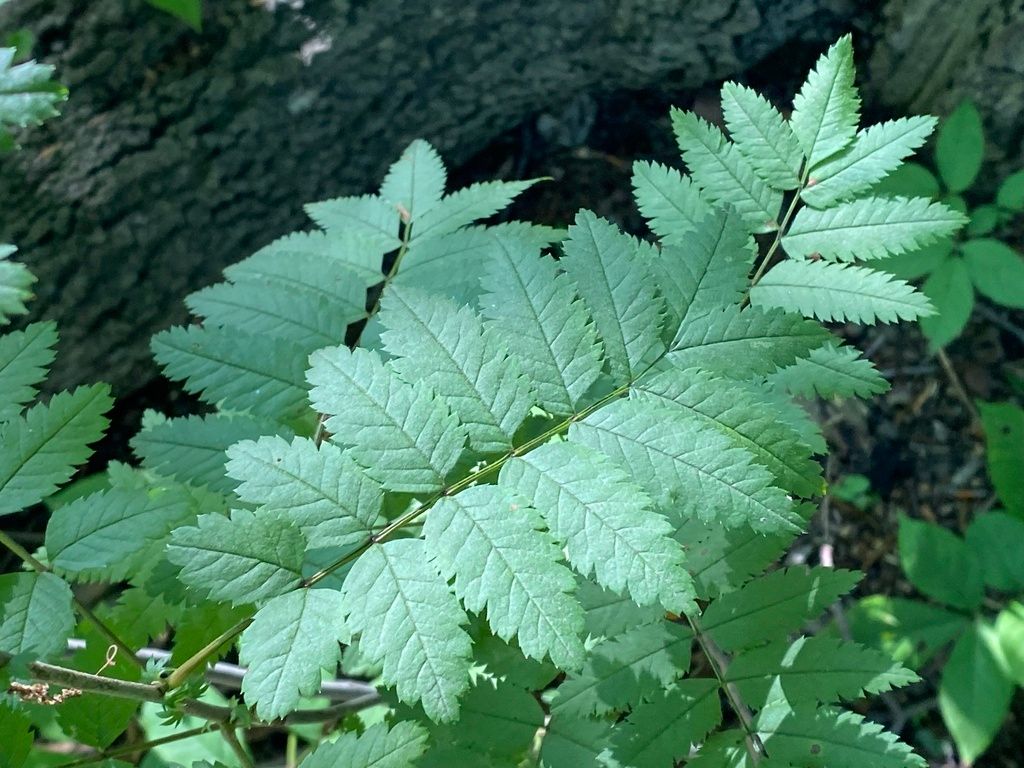
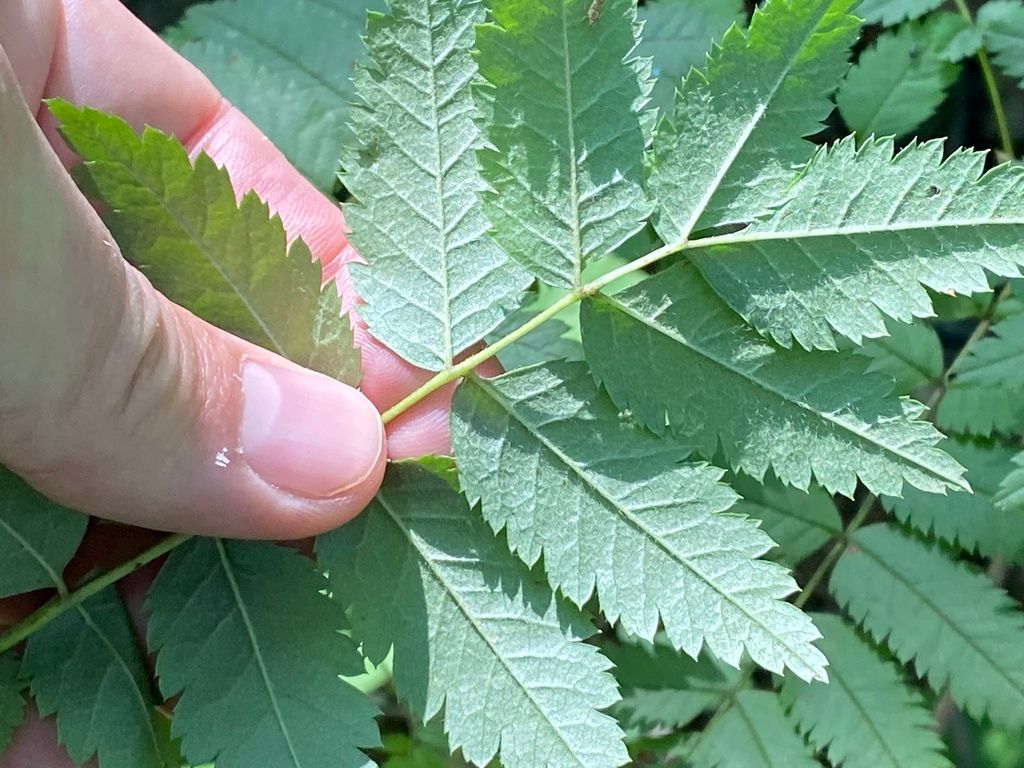
Simple, oval leaves with a smooth to lightly toothed edge; leaves are arranged alternately along twigs.
White, five-petaled blossoms in clusters in spring.
Fleshy fruit that develops after flowering; size and shape vary by type.
LOCATION
Native environments and the best spots to place it in your landscape.
SEASONALITY
Notes on bloom windows and how this plant helps pollinators across the seasons.
Pears typically bloom in spring, often around the time many early trees and shrubs are flowering.
Bloom Season Role: Early-season blossoms
REQUIREMENTS
The right mix of sun, soil, and space for healthy growth.
Best flowering and fruiting in full sun; part sun is workable but may reduce bloom and fruit.
Prefers well-drained soil; tolerates a range of soils if drainage is decent.
Water regularly during establishment; once established, water during long dry spells.
Plant with the root flare at soil level, give the tree room for its mature canopy, and keep grass and weeds back from the trunk area.
Mulch in a wide ring (not touching the trunk) to hold moisture and reduce competition.
GARDENING GUIDE
Simple steps to plant, prune, and maintain healthy trees without pesticides.
Pairings
Pairing ideas to keep pollinators fed throughout the growing season.
GLOSSARY
Glossary terms are being added.
What You Can Do
Turn this knowledge into action. Whether you plant a single pot or a whole garden, you are building a vital bridge for local biodiversity.
Join the movement to restore our shared habitats.