
What they do
Provide early-season catkins that can help some pollinators when few other flowers are available, and add canopy habitat in larger spaces.
Genus Populus
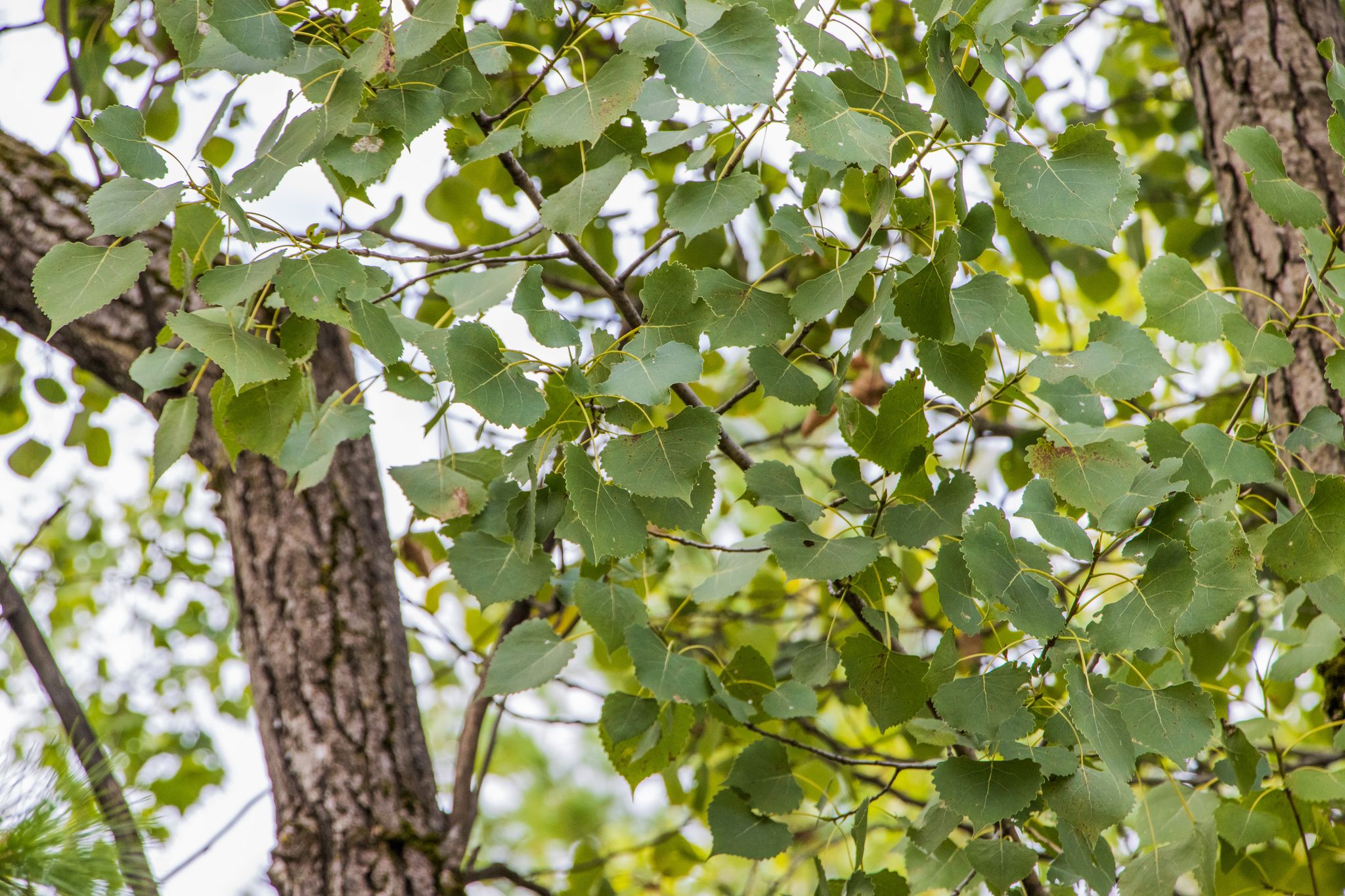
Poplars, aspens, and cottonwoods (genus Populus) are fast-growing trees best known for their fluttering leaves and soft “cottony” seeds. They can support early-season pollinators with spring catkins, but they’re also big, thirsty, and often short-lived in small yards—so they’re best chosen with space and roots in mind.
Plant Type
Trees > Poplars, aspens & cottonwoods
Aliases
Poplar, aspen, cottonwood
Native Range
Widespread across much of North America (species-dependent).
Bloom window
Spring (catkins)
OVERVIEW
Poplars, aspens, and cottonwoods (genus Populus) are fast-growing trees that can be a strong choice for large, open spaces—especially where soil stays fairly moist. They bloom in spring with catkins, which can provide early-season food for some insects.
Because these trees can get large and develop wide-reaching roots, they’re not always a good match for small urban yards. If you’re planting on school grounds or a big property, they can be useful for adding canopy and creating a more layered habitat when paired with a diverse mix of flowering plants below.
If you’re working with a small space, consider supporting pollinators with sun-loving perennials, shrubs, or even container plantings instead—those options can be easier to manage while still making a real difference.
FAST FACTS
Essential stats and requirements for quick reference.
| Category | Details |
|---|---|
| Also known as | Poplar, aspen, cottonwood |
| Bloom window | Spring (catkins) |
| Typical height | Varies widely by species; often medium to very tall trees |
| Pollinators supported | Bees, Flies |
| Light & moisture | Generally best in sun with consistent moisture; many do well near waterways or in moist soils. |
| Best roles for pollinators | Large yards, parks, school grounds, and naturalized areas where a fast-growing tree and spreading roots won’t cause problems. |
SUMMARY
A quick scan of what they do, what they need, and the best first step.
Provide early-season catkins that can help some pollinators when few other flowers are available, and add canopy habitat in larger spaces.
Room to grow, plenty of light, and soil that doesn’t stay bone-dry for long stretches.
If you plant one, give it lots of space away from pavement and underground utilities.
IMPACT
Key Impacts
RECOGNITION
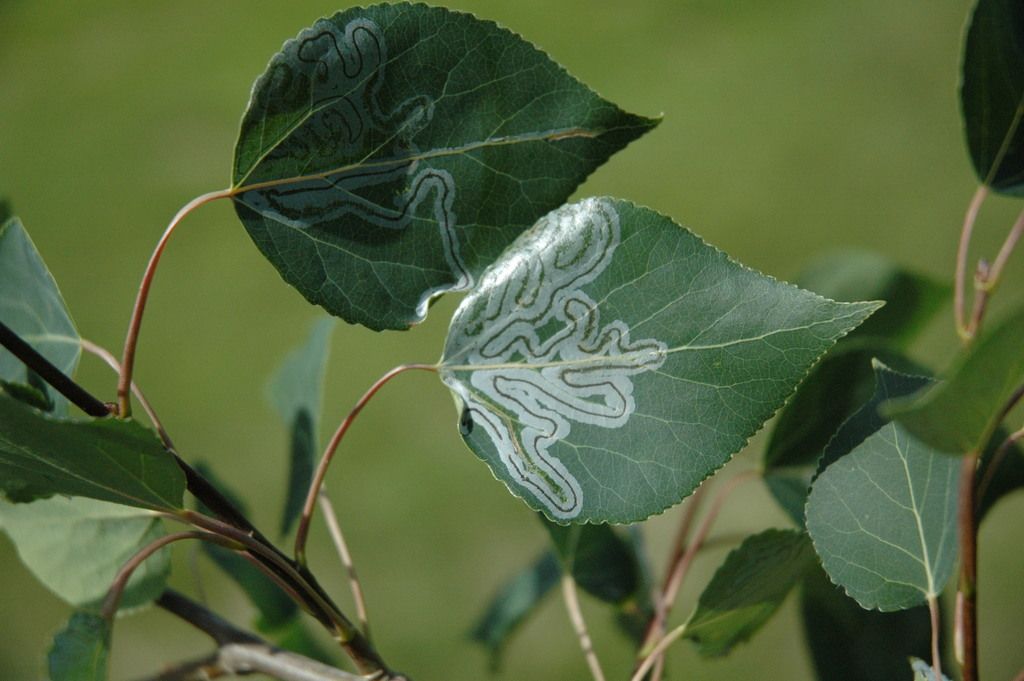
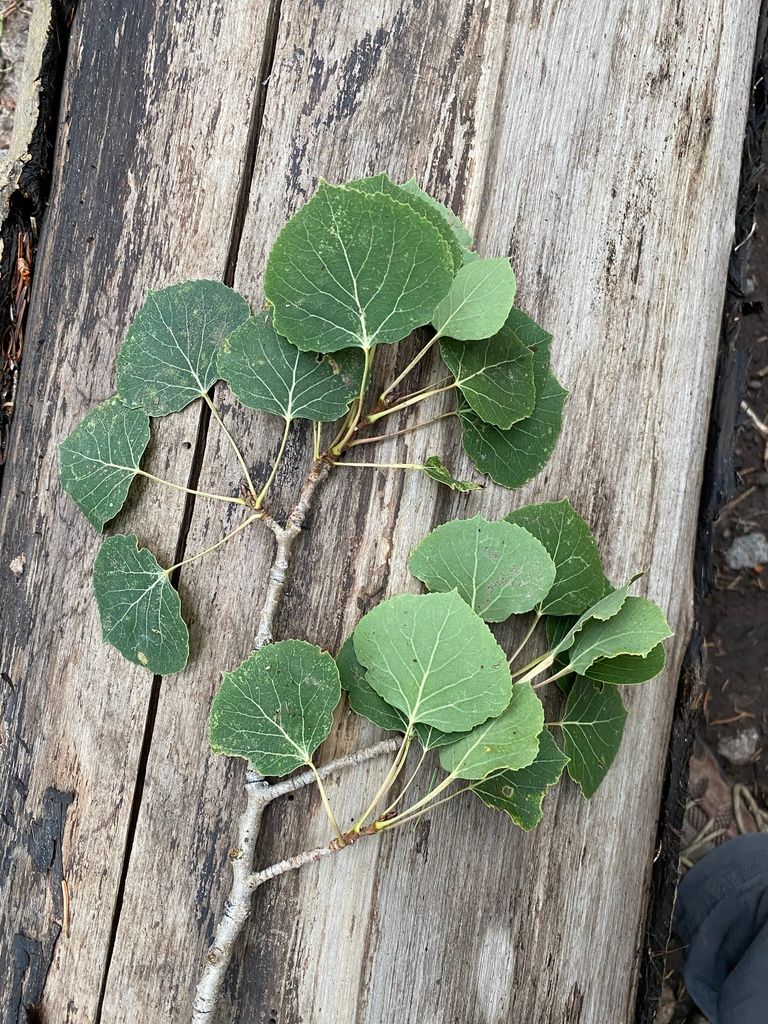
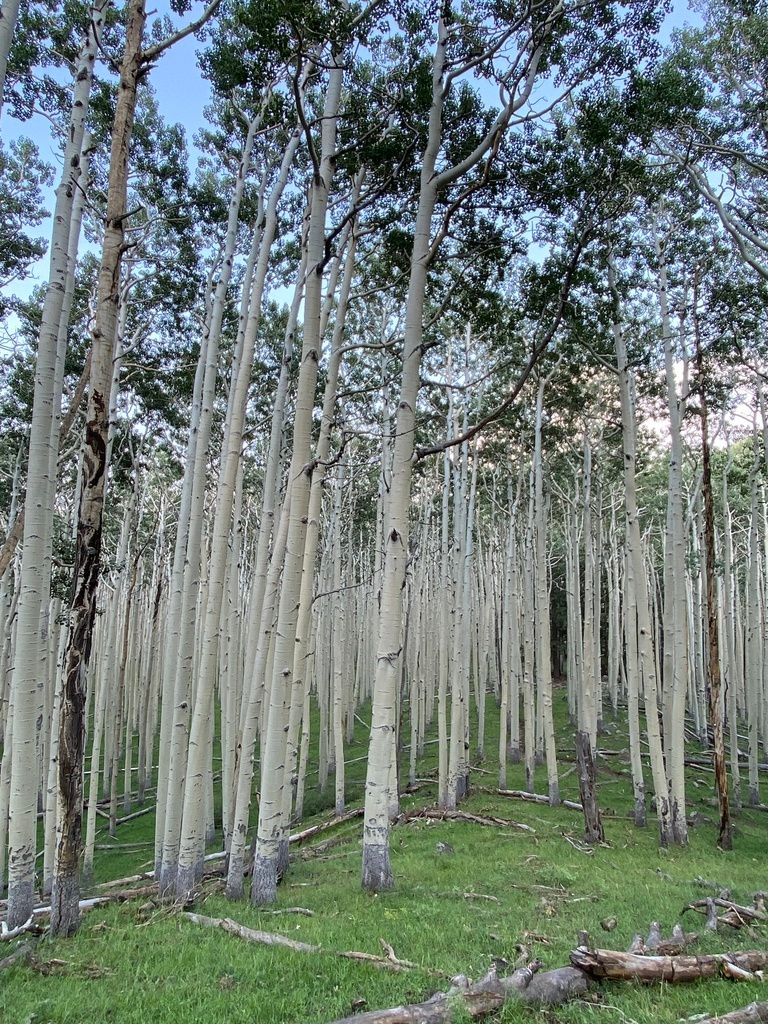
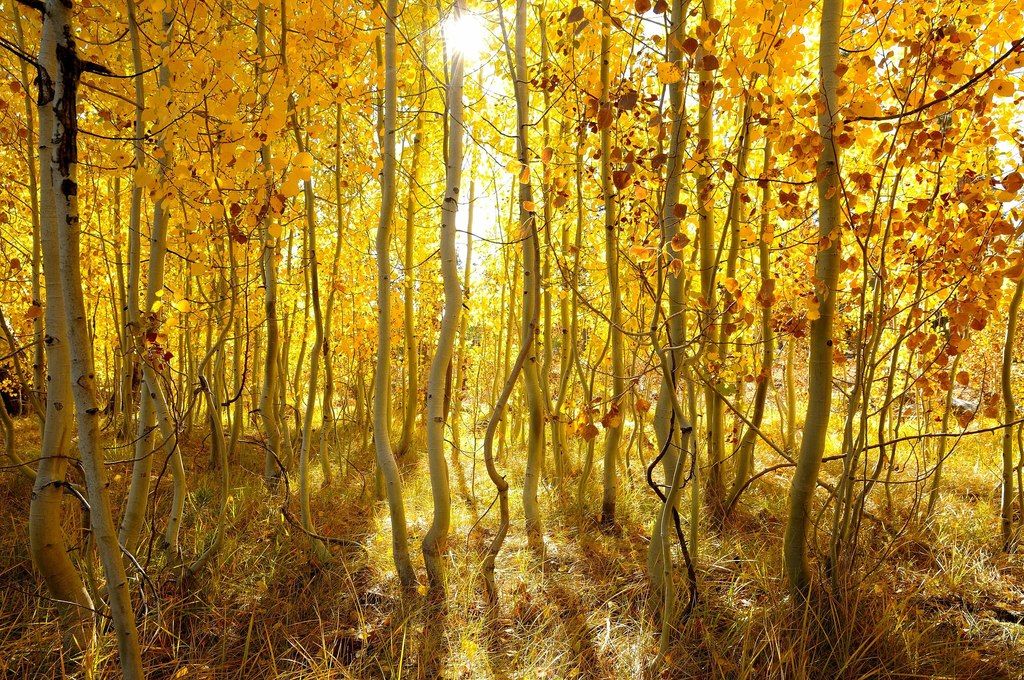
Simple leaves that may be triangular, oval, or round depending on the type; many have a flattened leaf stem that makes the leaf flutter.
Catkins in spring; individual flowers are small and not showy.
Seeds in capsules; cottonwoods release fluffy seed tufts that can drift and collect.
LOCATION
Native environments and the best spots to place it in your landscape.
SEASONALITY
Notes on bloom windows and how this plant helps pollinators across the seasons.
Populus trees bloom with catkins in spring, often before many garden flowers open.
Bloom Season Role: Early-season pollen and nectar from catkins (varies by species and tree sex).
REQUIREMENTS
The right mix of sun, soil, and space for healthy growth.
Best in sun; many tolerate part sun.
Often happiest in soils that hold some moisture; many tolerate a range of soils if not extremely dry.
Water young trees during dry spells until established; avoid letting the root zone dry out repeatedly.
Choose a site with lots of overhead and underground space; keep well away from foundations, sidewalks, and buried lines.
Mulch in a wide ring to protect roots and hold moisture; keep mulch off the trunk.
GARDENING GUIDE
Simple steps to plant, prune, and maintain healthy trees without pesticides.
Pairings
Pairing ideas to keep pollinators fed throughout the growing season.
GLOSSARY
Glossary terms are being added.
What You Can Do
Turn this knowledge into action. Whether you plant a single pot or a whole garden, you are building a vital bridge for local biodiversity.
Join the movement to restore our shared habitats.
Pollinators supported
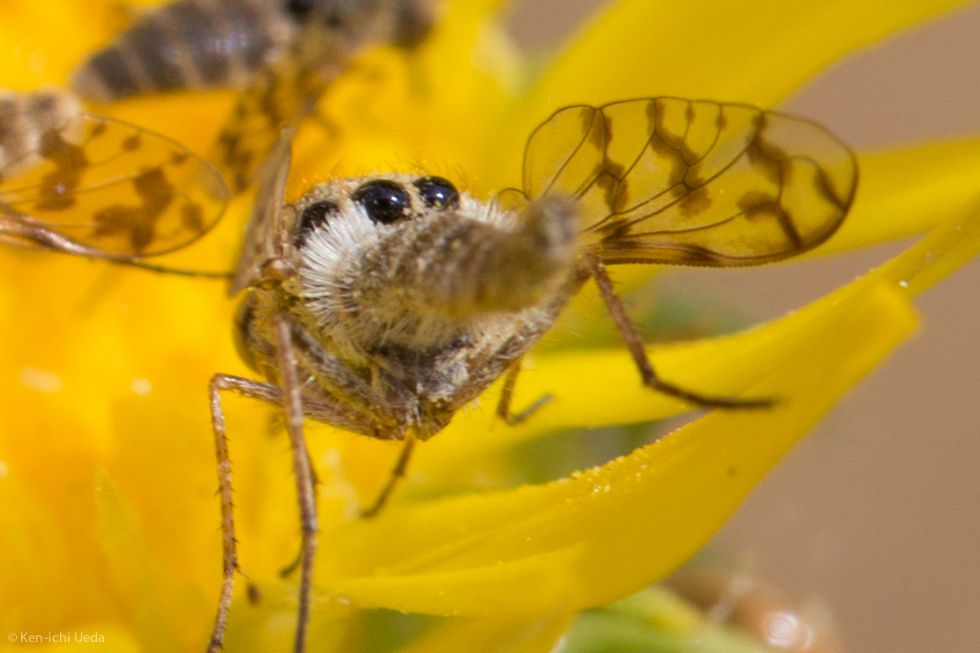
Adults visit flowers for nectar and can move pollen between blooms; their presence is a sign of diverse, functioning habitats.
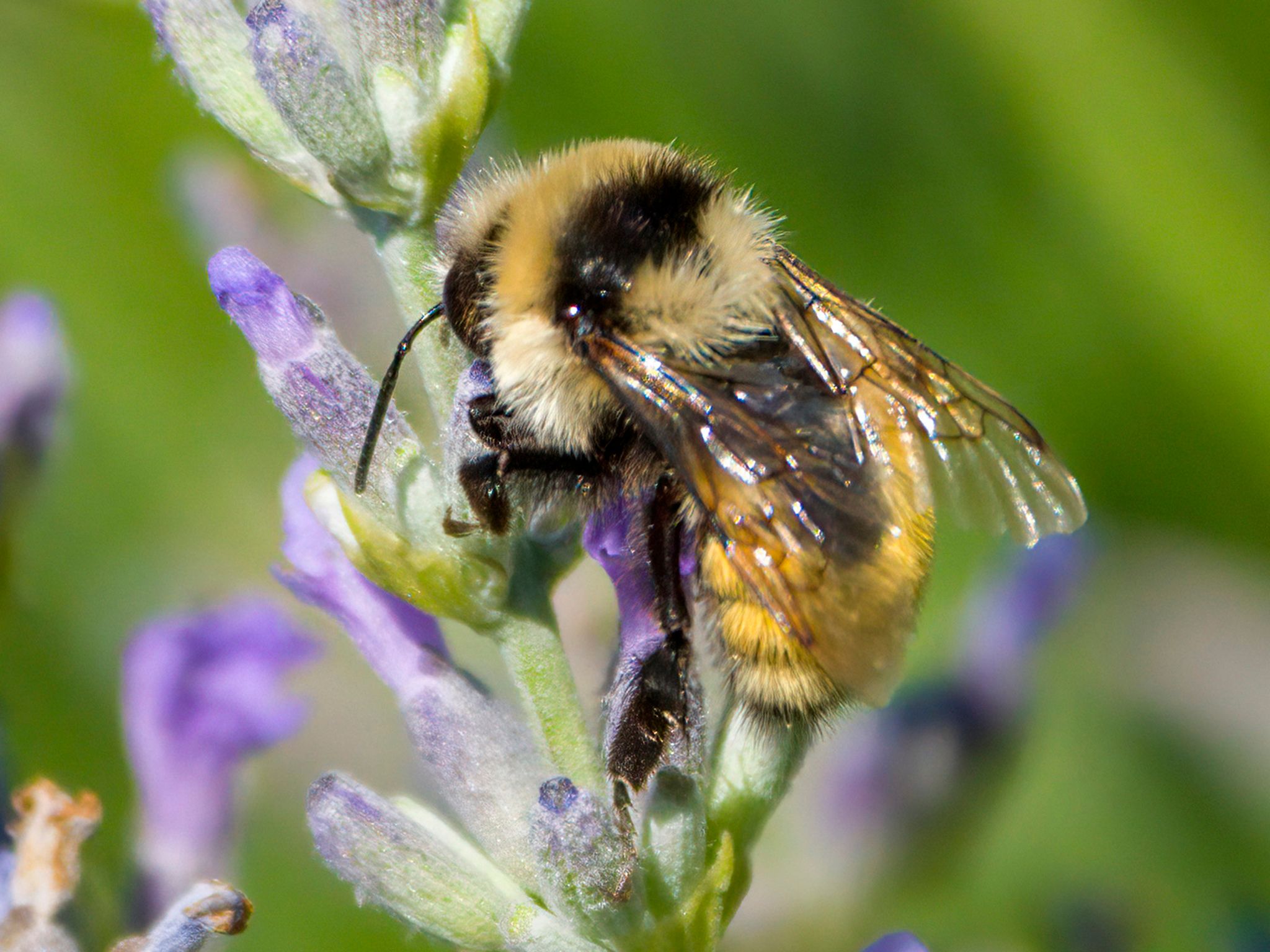
Bumble bees are important pollinators of many wildflowers and garden plants, helping ecosystems and food crops reproduce.
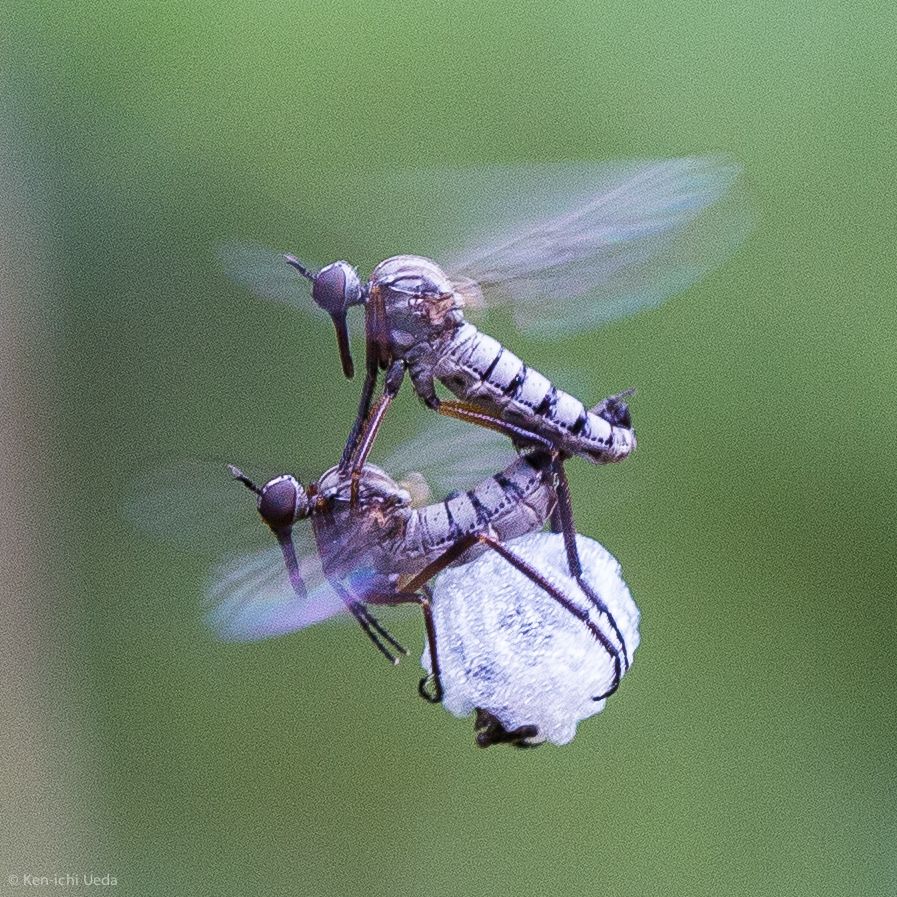
Many visit flowers for nectar and can move pollen between blooms while also playing important roles in local food webs.
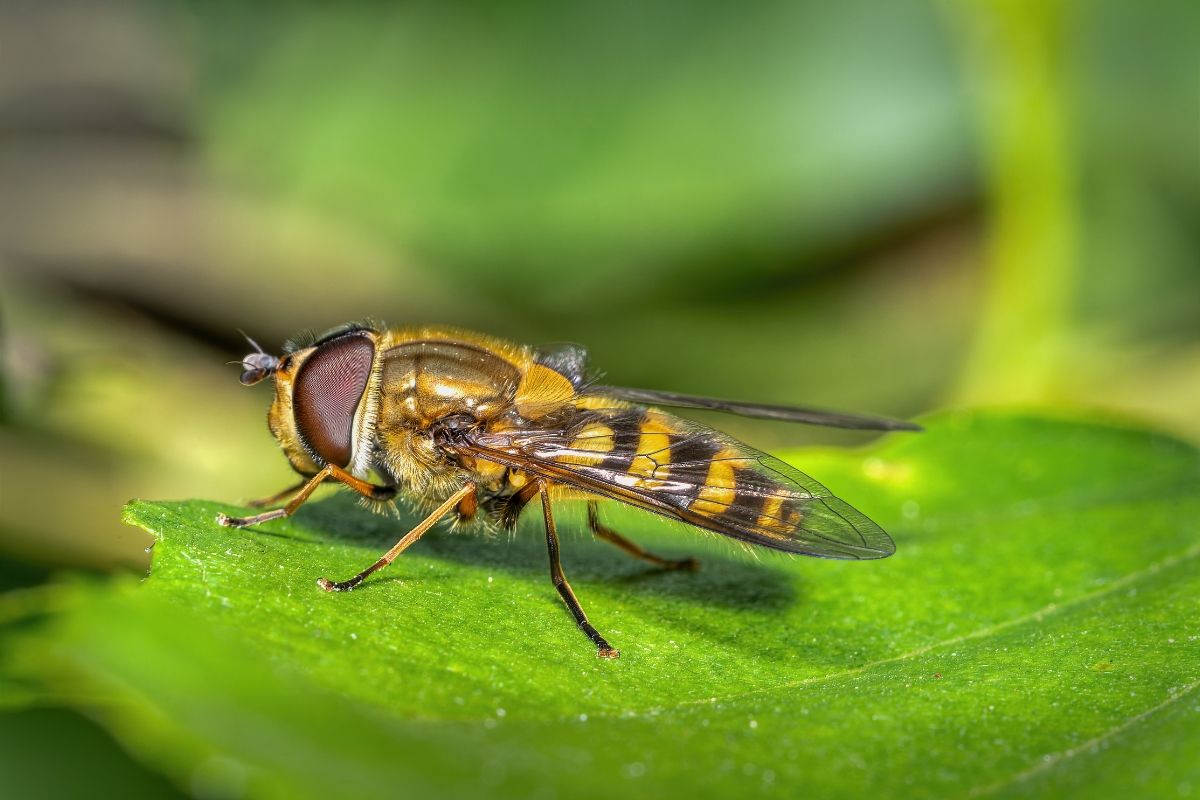
Adults visit flowers for nectar and pollen, and many species’ larvae help keep plant-eating pests in check.
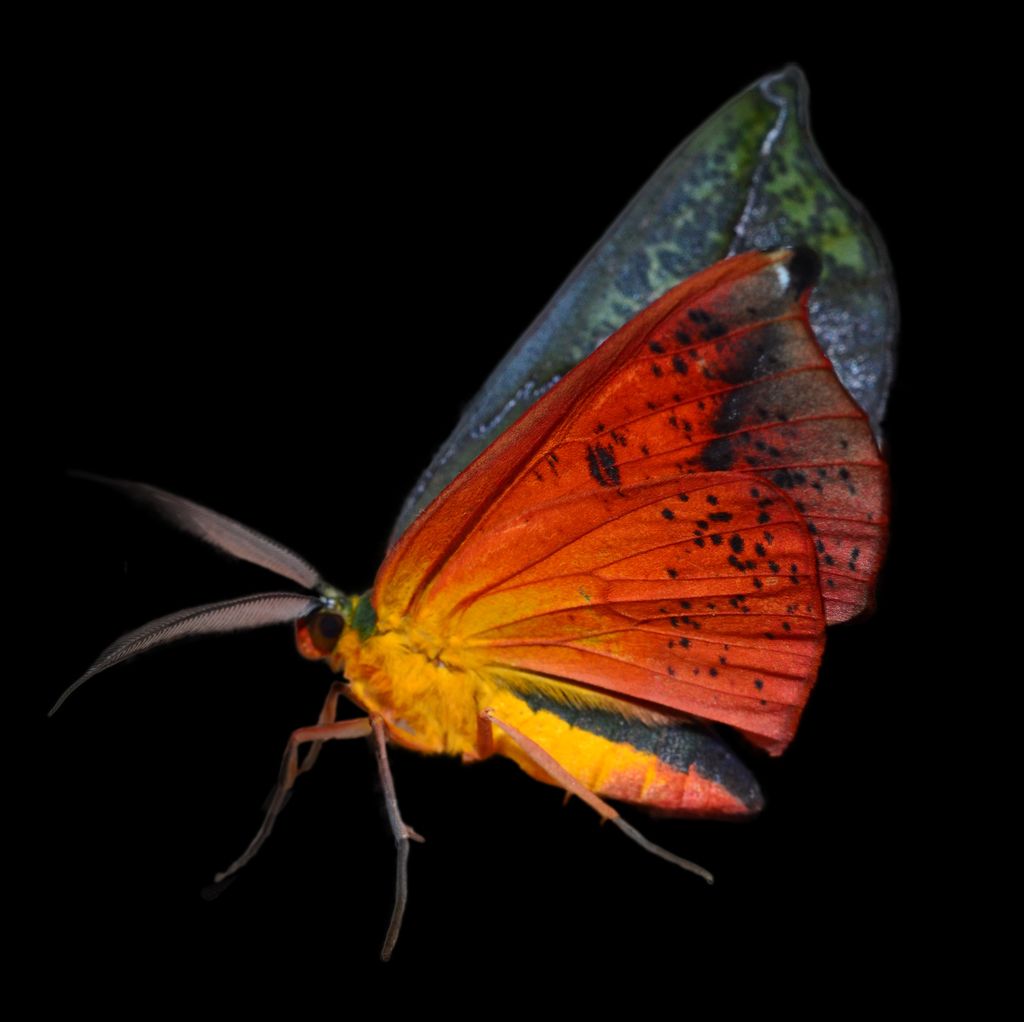
Adults can help move pollen as they nectar at flowers, and their caterpillars are an important part of local food webs.
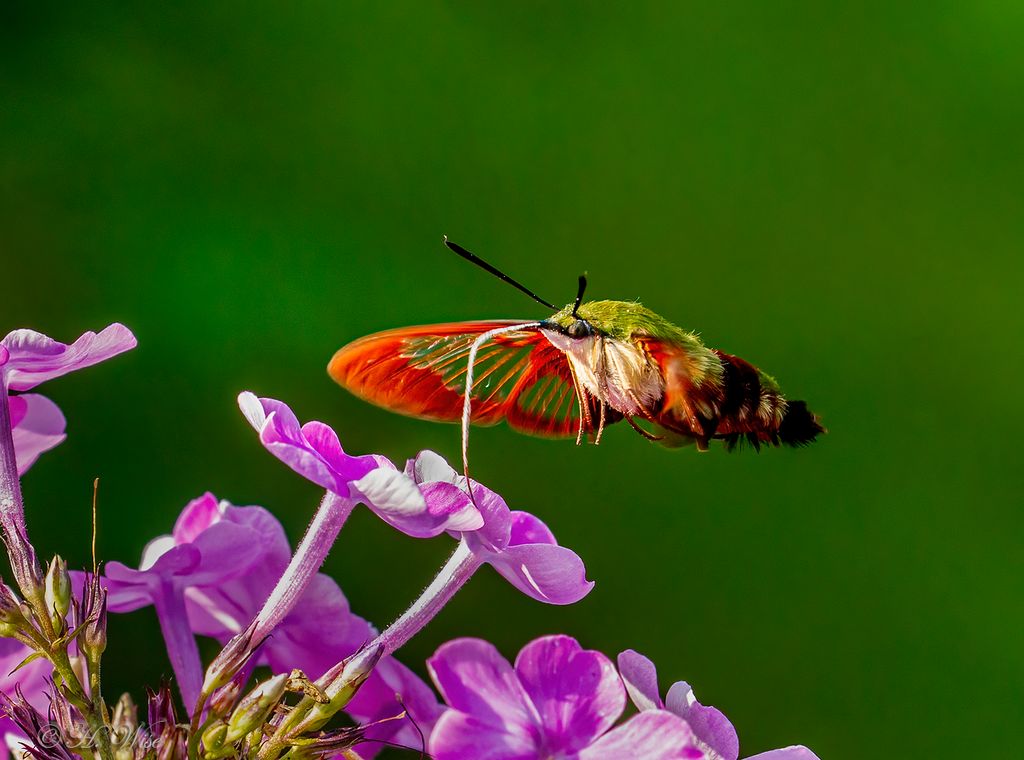
They can move pollen between flowers while feeding on nectar, especially for blooms that open or scent up in the evening.
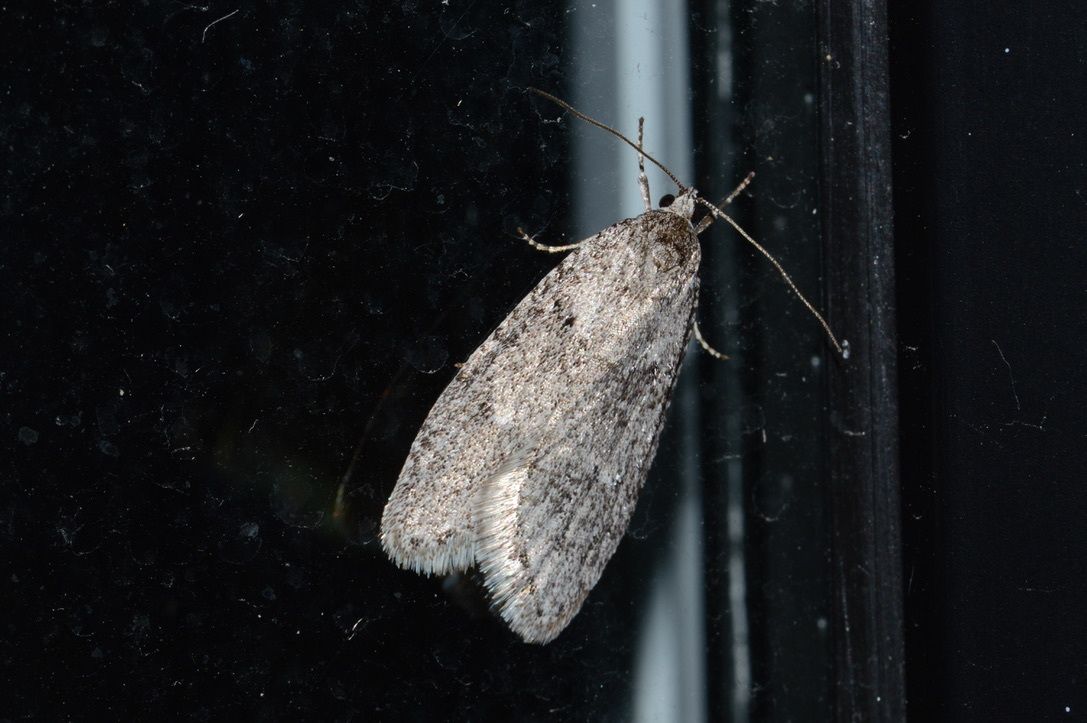
Many small moths move pollen while feeding on nectar, supporting wild plants and garden blooms—especially in the evening and at night.
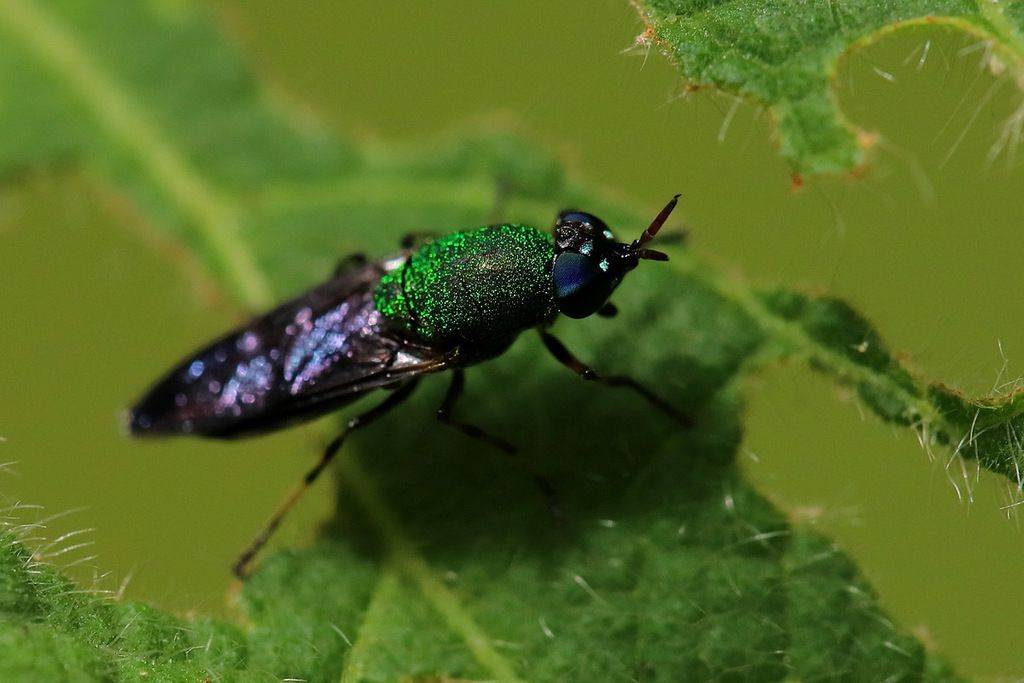
Many adults visit flowers for nectar and can move pollen between blooms while feeding.
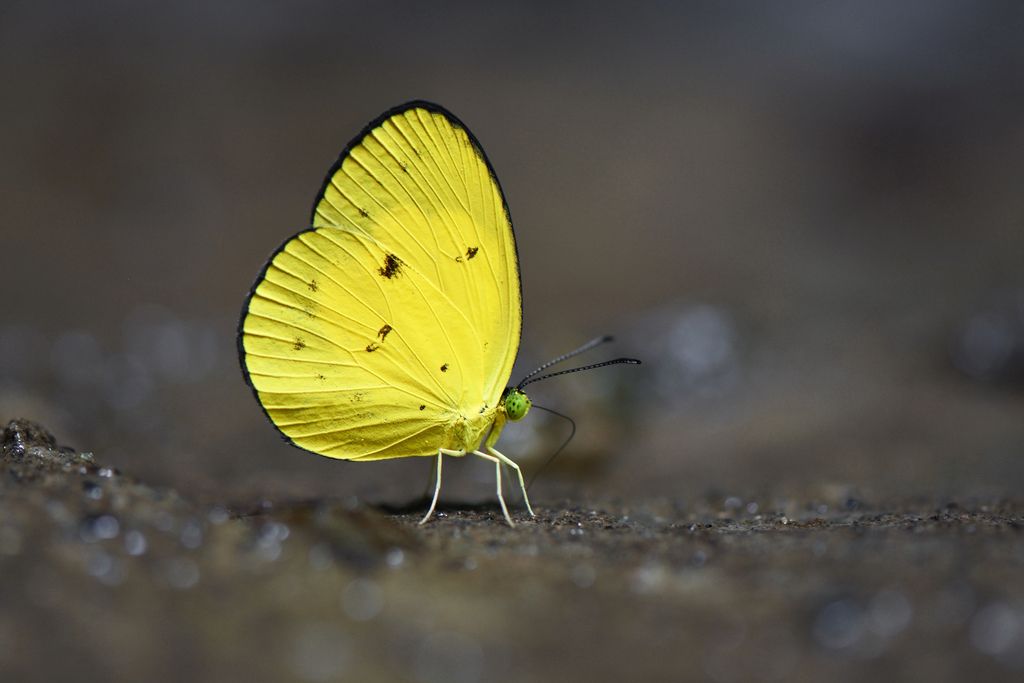
They visit a wide range of flowers for nectar and can help move pollen between blooms as they feed.