

What they do
Sassafras can add early-season flowers for insects and later-season berries for wildlife, while bringing strong texture and fall color to a yard.
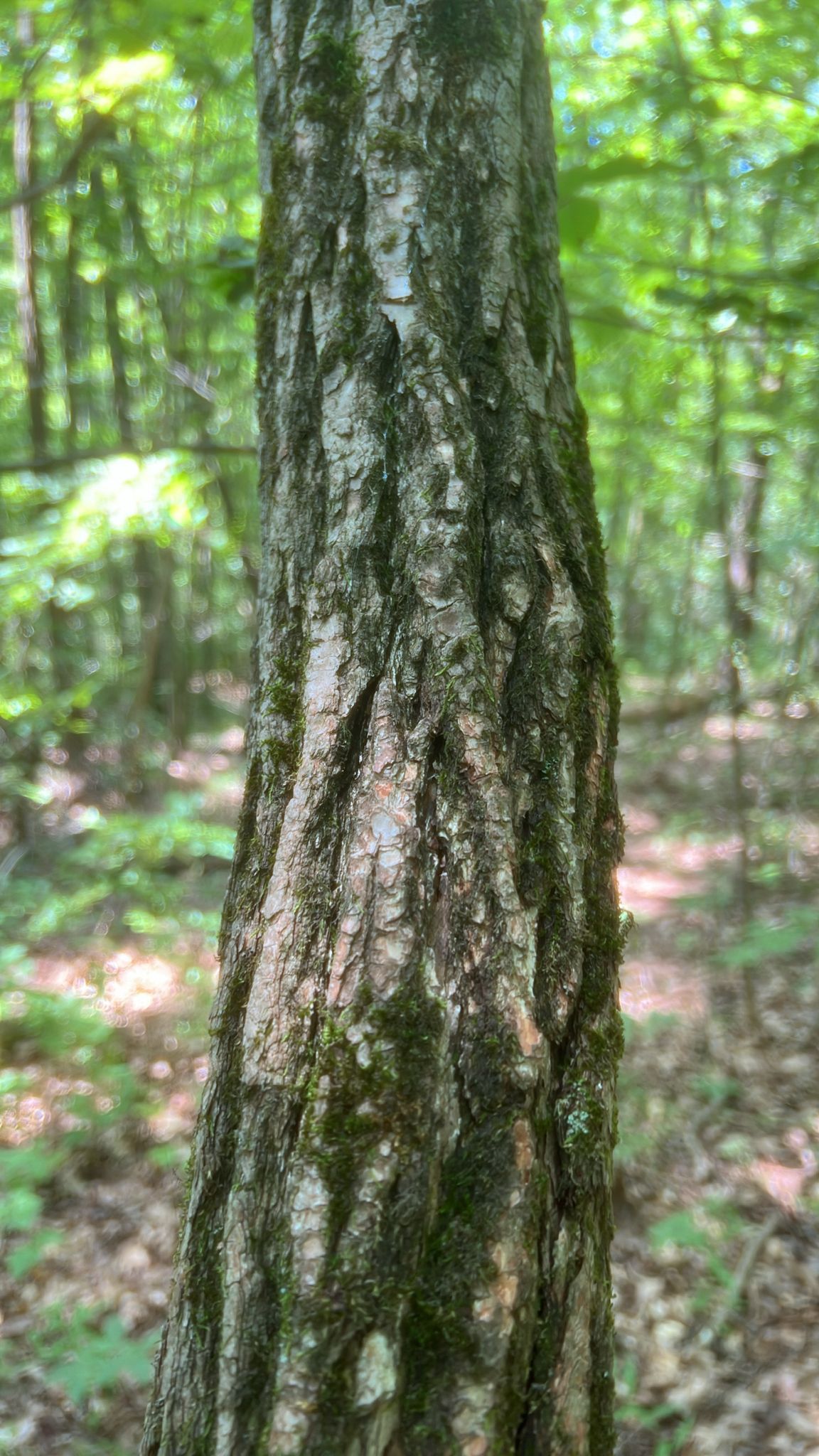
Genus Sassafras
Sassafras is a distinctive North American tree known for its aromatic leaves and twigs and its mix of leaf shapes on the same plant. When it flowers, it can offer early-season nectar and pollen for a range of insects, and its berries can be useful to wildlife later on.
Plant Type
Trees > Sassafras
Aliases
Sassafras
Native Range
Eastern North America (including parts of Canada and the United States)
Bloom window
Spring
OVERVIEW
Sassafras (Genus Sassafras) serves as a foundational structure tree, providing essential canopy and habitat, often at the edge of naturalized areas. Its early bloom window offers a vital source of nectar and pollen for emerging native insects in spring, followed by berries that support various wildlife later in the season.
If you plant Sassafras, the best success factor is location: it thrives in spots where it has room to grow and is comfortable settling in, preferring well-drained soil. To maximize its value to insects, allow it to grow in a mixed habitat with diverse understory plants, and always avoid pesticides, especially when the tree is flowering in spring.
FAST FACTS
Essential stats and requirements for quick reference.
| Category | Details |
|---|---|
| Also known as | Sassafras |
| Bloom window | Spring |
| Typical height | Small to medium-sized tree (varies by species and site) |
| Pollinators supported | Bees, Flies |
| Light & moisture | Sun to part shade; average moisture (avoid constantly soggy spots) |
| Best roles for pollinators | Naturalized yards, woodland edges, and gardeners who want a unique native-style tree with early-season flowers and standout foliage. |
SUMMARY
A quick scan of what they do, what they need, and the best first step.
Sassafras can add early-season flowers for insects and later-season berries for wildlife, while bringing strong texture and fall color to a yard.
Give it room, decent drainage, and a spot that feels more like a woodland edge than a tiny foundation bed.
Choose a planting location with space to grow and plan ahead for how you’ll handle any root suckers.
IMPACT
Key Impacts
RECOGNITION
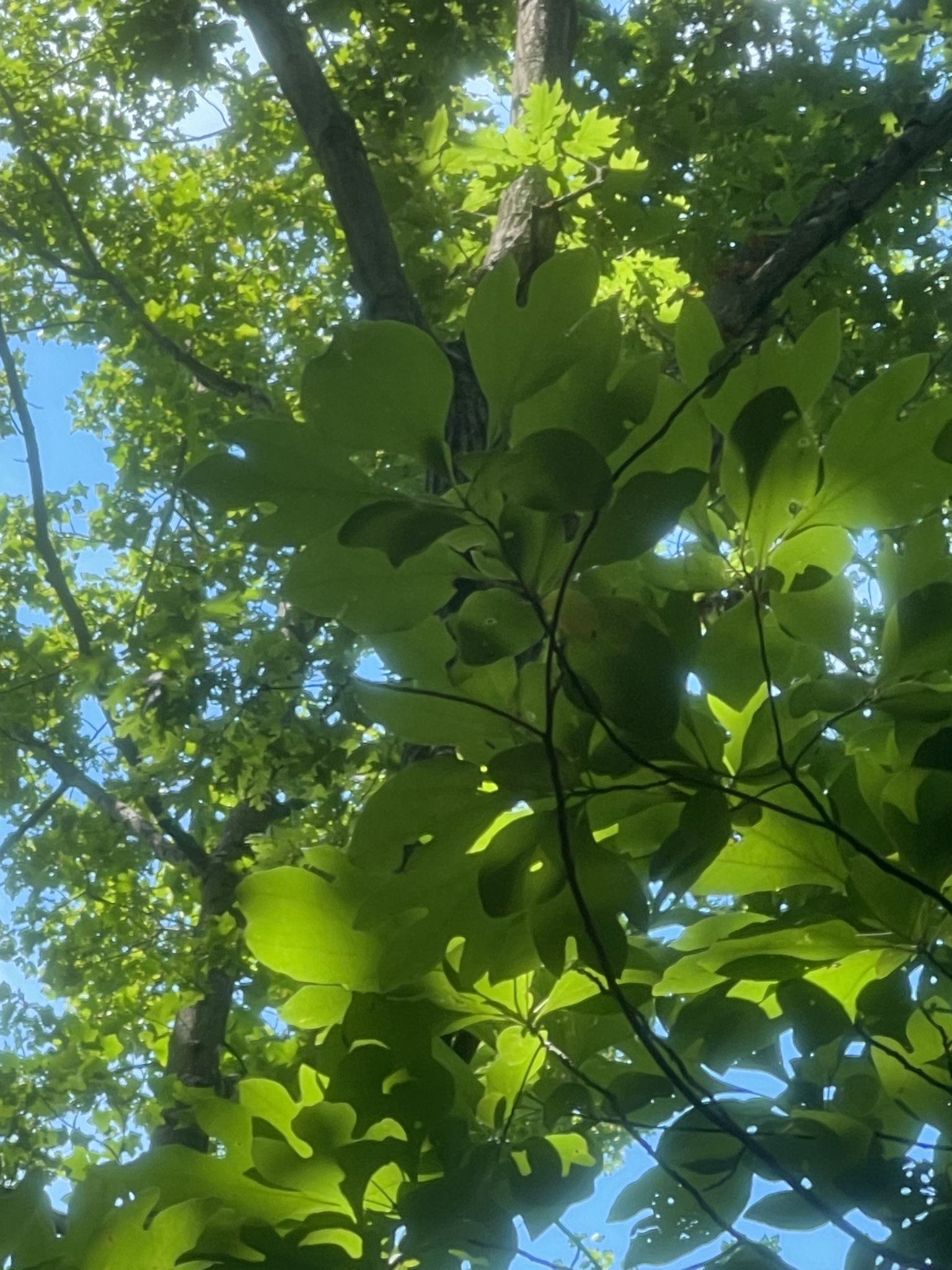
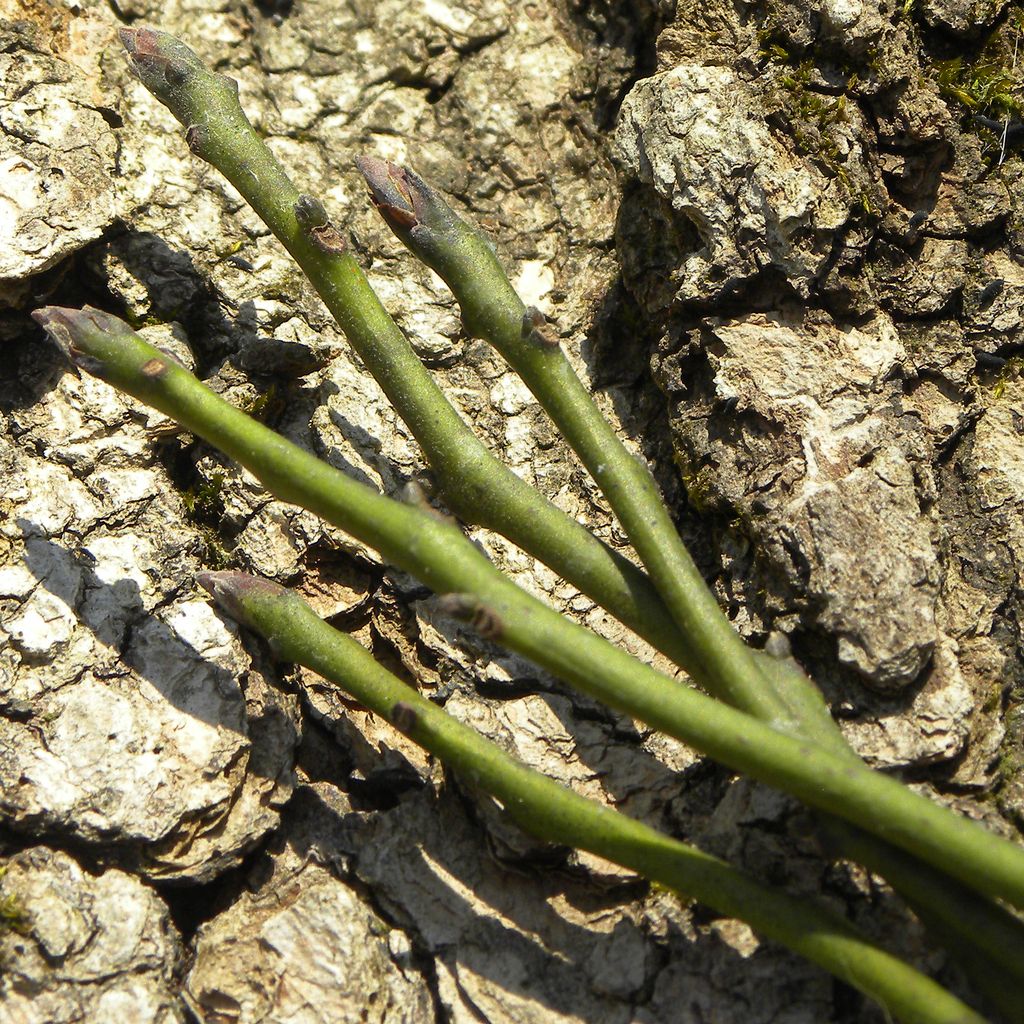
Often three leaf shapes on the same plant: unlobed, mitten-shaped, and three-lobed; aromatic when crushed.
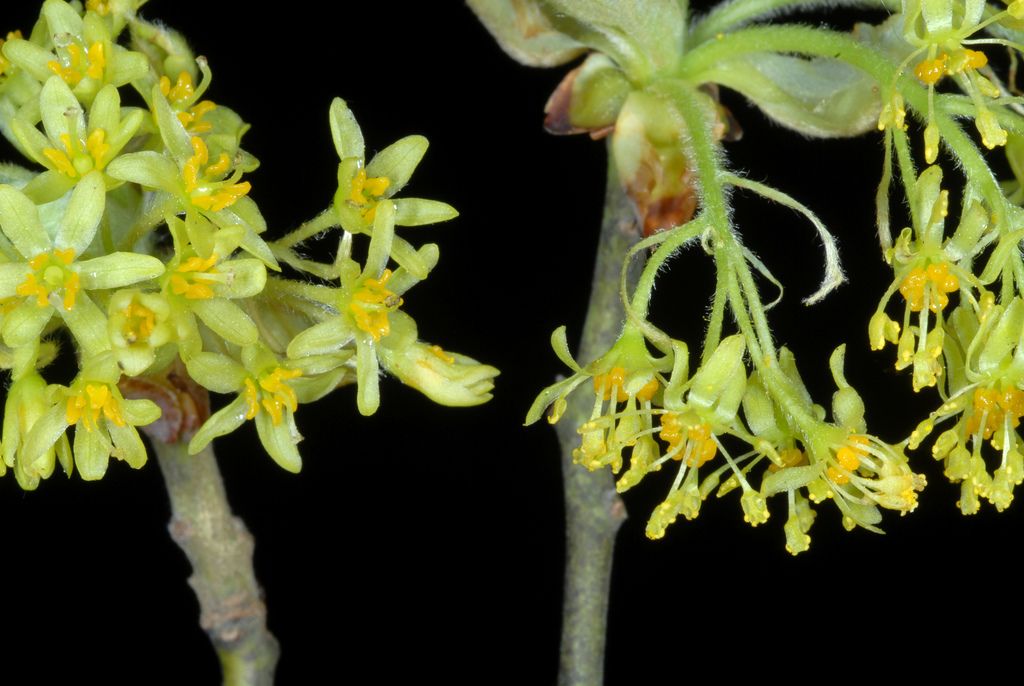
Small spring flowers, often noticed more by timing than by showiness.
Small dark berries later in the season (on some plants), often taken by birds.
LOCATION
Native environments and the best spots to place it in your landscape.
SEASONALITY
Notes on bloom windows and how this plant helps pollinators across the seasons.
Sassafras typically flowers in spring, before or as leaves expand.
Bloom Season Role: Early-season support
REQUIREMENTS
The right mix of sun, soil, and space for healthy growth.
Sun to part shade; a woodland-edge setting is often a good fit.
Prefers well-drained soil; avoid heavy, constantly wet spots.
Water regularly during establishment; once settled, aim for steady moisture without sogginess.
Plant in a spot with room for roots and canopy; keep away from tight corners and hardscapes if you want less maintenance.
Mulch with leaves or wood chips, keeping mulch pulled back from the trunk.
GARDENING GUIDE
Simple steps to plant, prune, and maintain healthy trees without pesticides.
Pairings
Pairing ideas to keep pollinators fed throughout the growing season.
GLOSSARY
Glossary terms are being added.
What You Can Do
Turn this knowledge into action. Whether you plant a single pot or a whole garden, you are building a vital bridge for local biodiversity.
Join the movement to restore our shared habitats.