

What they do
Serviceberries provide early flowers for pollinators and later berries that many birds enjoy.
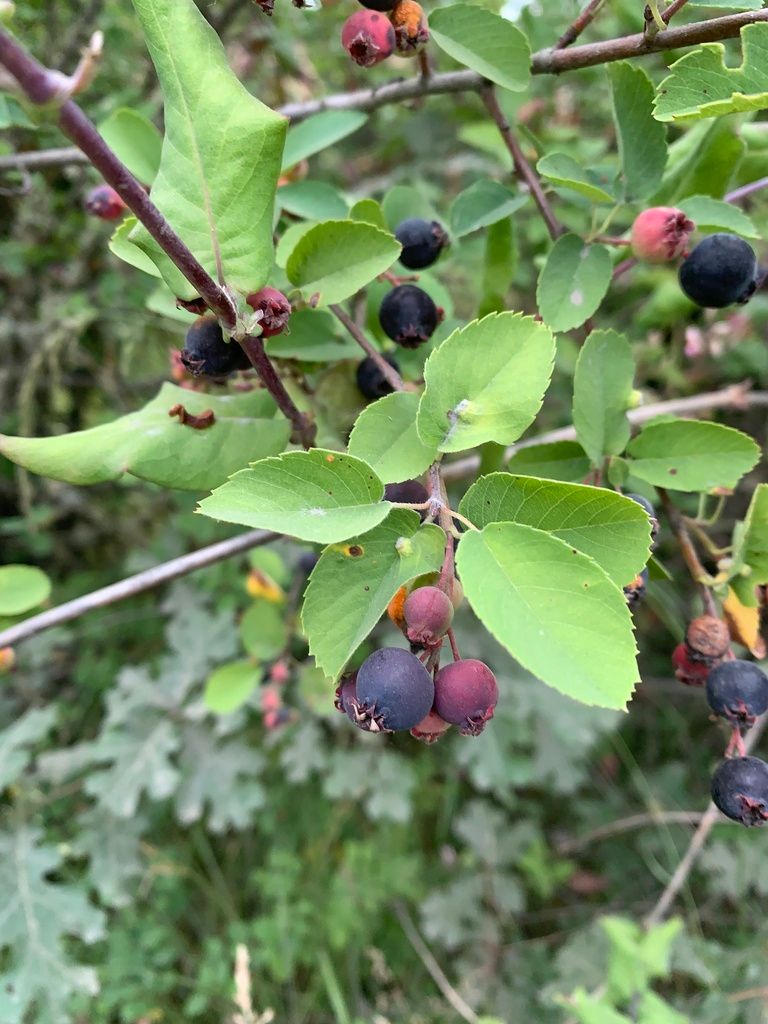
Genus Amelanchier
Serviceberries (genus Amelanchier) are small trees with early-season blossoms, edible berries, and strong wildlife value—an easy way to add beauty and pollinator support to a yard, school garden, or even a large container.
Plant Type
Trees > Serviceberries
Aliases
Serviceberry, saskatoon
Native Range
Many Amelanchier species are native to parts of North America; local species may occur in and around Ontario.
Bloom window
Early spring
OVERVIEW
Serviceberries (genus Amelanchier) are a smart pick when you want a plant that looks great and does real work in a pollinator-friendly garden. In spring, the branches fill with small white flowers that are easy to notice even from a distance. Later, the berries ripen and are often quickly found by birds.
In a schoolyard or urban garden, serviceberries are especially useful because they can act like a “starter tree”: big enough to add shade and structure, but not so large that they overwhelm a small space. They also fit nicely into a layered planting with flowers and grasses underneath.
To get the best results, focus on the basics: choose a spot with decent drainage, water well while the tree is getting established, and avoid spraying pesticides—especially when the tree is in bloom and pollinators are visiting. With those simple steps, serviceberries can be a long-lasting, low-fuss part of a garden that supports nature and looks beautiful through the seasons.
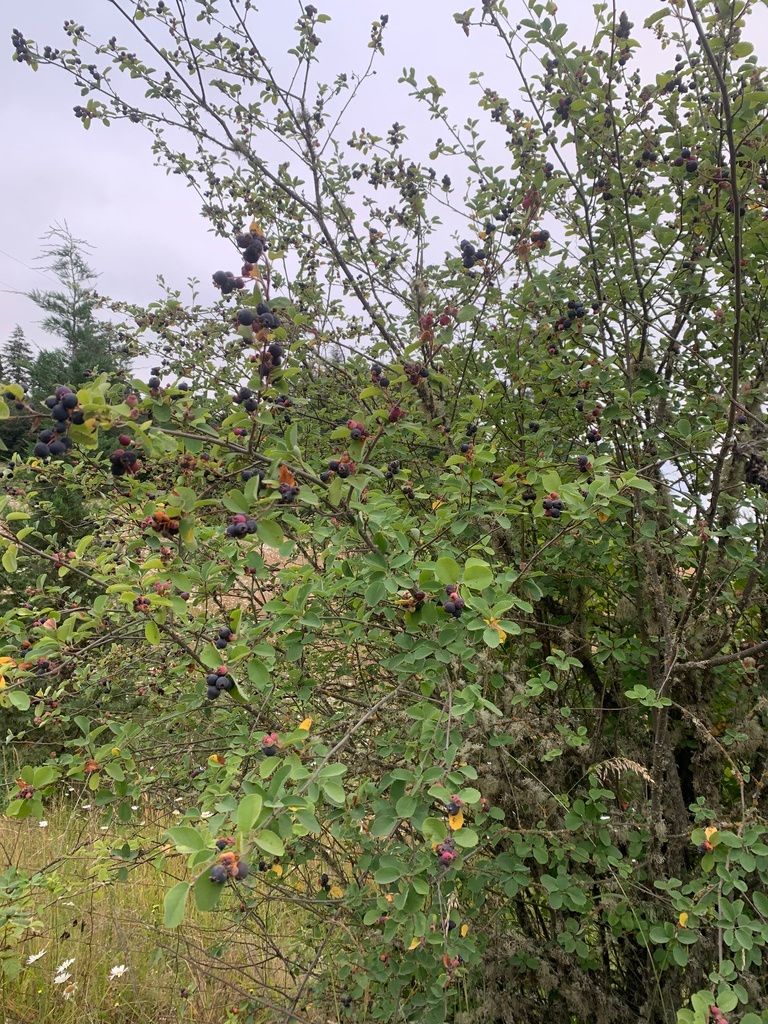
FAST FACTS
Essential stats and requirements for quick reference.
| Category | Details |
|---|---|
| Also known as | Serviceberry, saskatoon |
| Bloom window | Early spring |
| Typical height | Small tree (often multi-stem); size varies by species and cultivar |
| Pollinators supported | Bees, Flies |
| Light & moisture | Sun to part shade; average moisture (avoid extremes) |
| Best roles for pollinators | Early-season flowers, edible berries, small-space trees, schoolyards, and pollinator-friendly gardens |
SUMMARY
A quick scan of what they do, what they need, and the best first step.
Serviceberries provide early flowers for pollinators and later berries that many birds enjoy.
A bright spot (sun or part shade), well-drained soil, and steady watering while they establish.
Choose a well-drained planting spot and water consistently in the first growing season.
IMPACT
Key Impacts
RECOGNITION
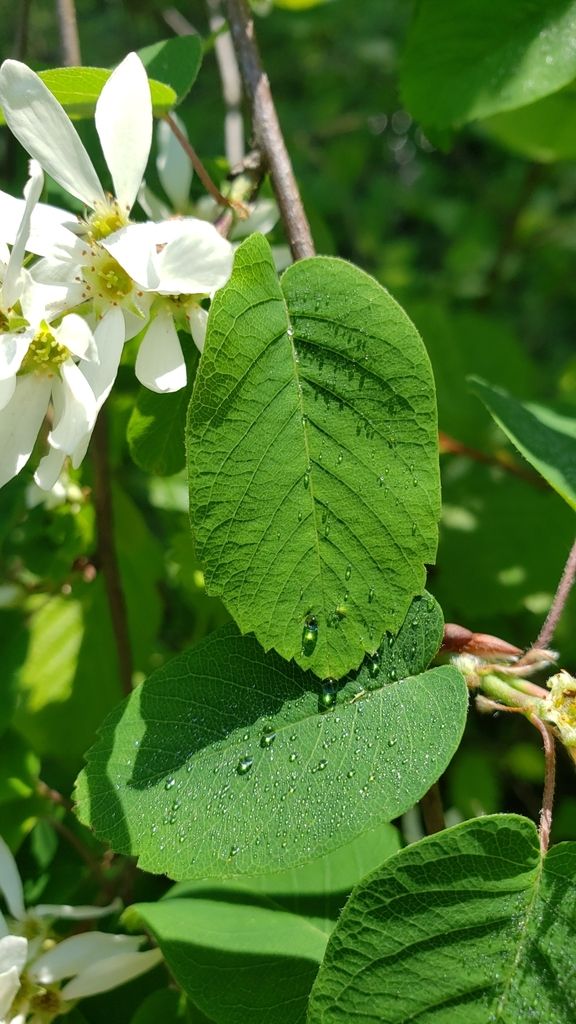
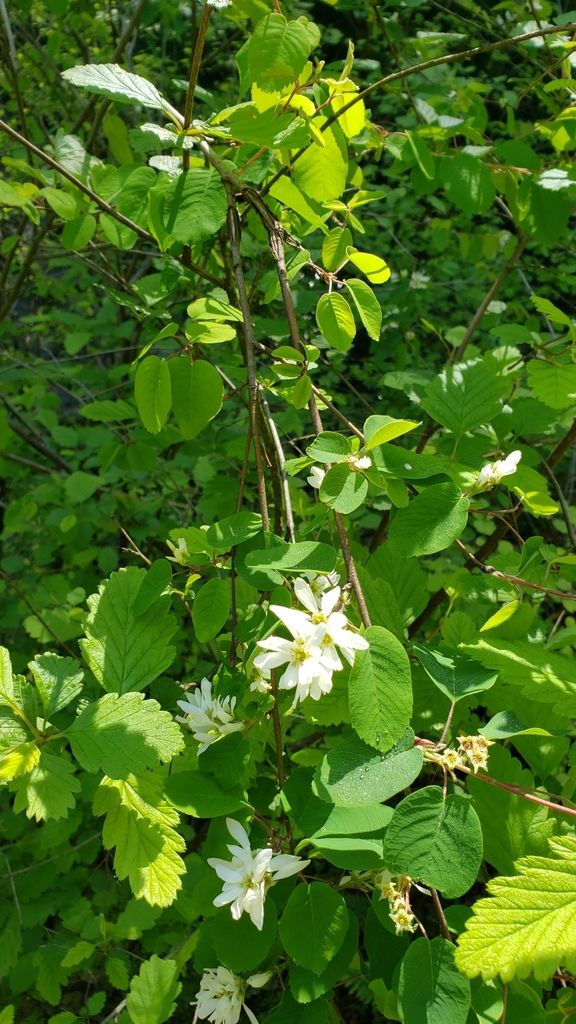
Oval to slightly elongated leaves with fine teeth; new growth may look slightly bronzy before turning green.
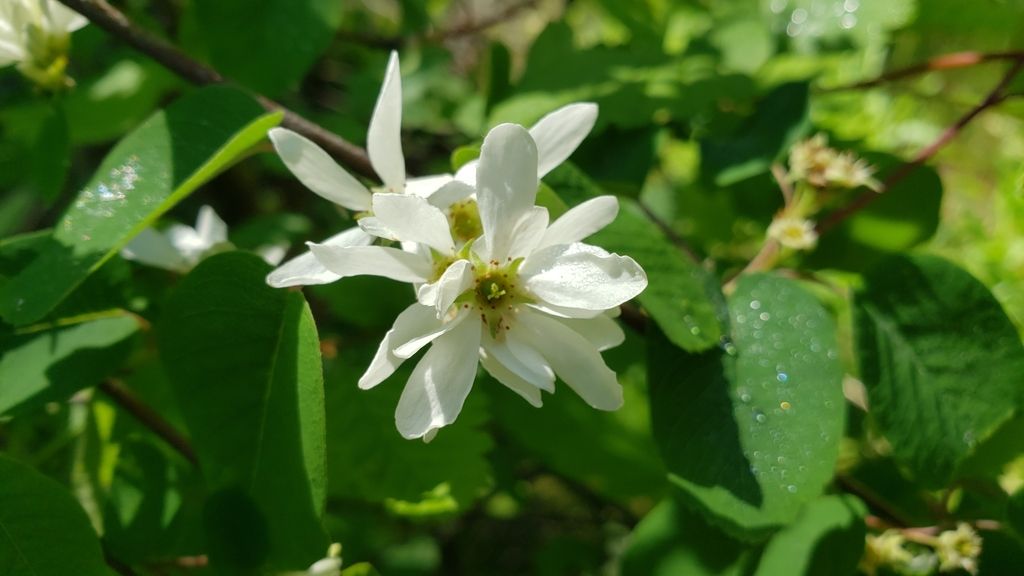
White, star-like flowers in clusters, often appearing before or with the leaves in spring.
Small round berries in clusters; typically ripen from red to deep purple-blue.
LOCATION
Native environments and the best spots to place it in your landscape.
SEASONALITY
Notes on bloom windows and how this plant helps pollinators across the seasons.
Serviceberries are valued for their early bloom, which can help kick off the season in a pollinator-friendly garden.
Bloom Season Role: Early-season nectar and pollen
REQUIREMENTS
The right mix of sun, soil, and space for healthy growth.
Full sun gives the best flowering and fruiting, but part shade is usually fine.
Prefers well-drained soil; tolerates a range of garden soils if not waterlogged.
Water regularly during the first year; once established, water during long dry spells.
Plant in a spot with room for the canopy and good air flow. Keep the root flare at soil level and water in well.
Add a ring of mulch to hold moisture and protect roots, keeping mulch pulled back from the trunk.
GARDENING GUIDE
Simple steps to plant, prune, and maintain healthy trees without pesticides.
Pairings
Pairing ideas to keep pollinators fed throughout the growing season.
GLOSSARY
Glossary terms are being added.
What You Can Do
Turn this knowledge into action. Whether you plant a single pot or a whole garden, you are building a vital bridge for local biodiversity.
Join the movement to restore our shared habitats.
Pollinators supported
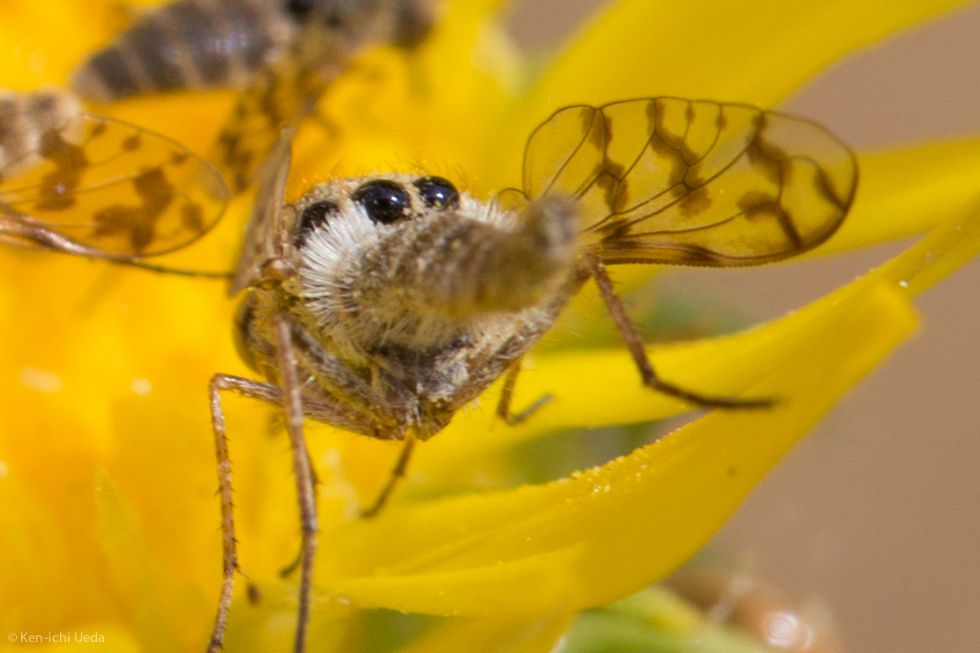
Adults visit flowers for nectar and can move pollen between blooms; their presence is a sign of diverse, functioning habitats.
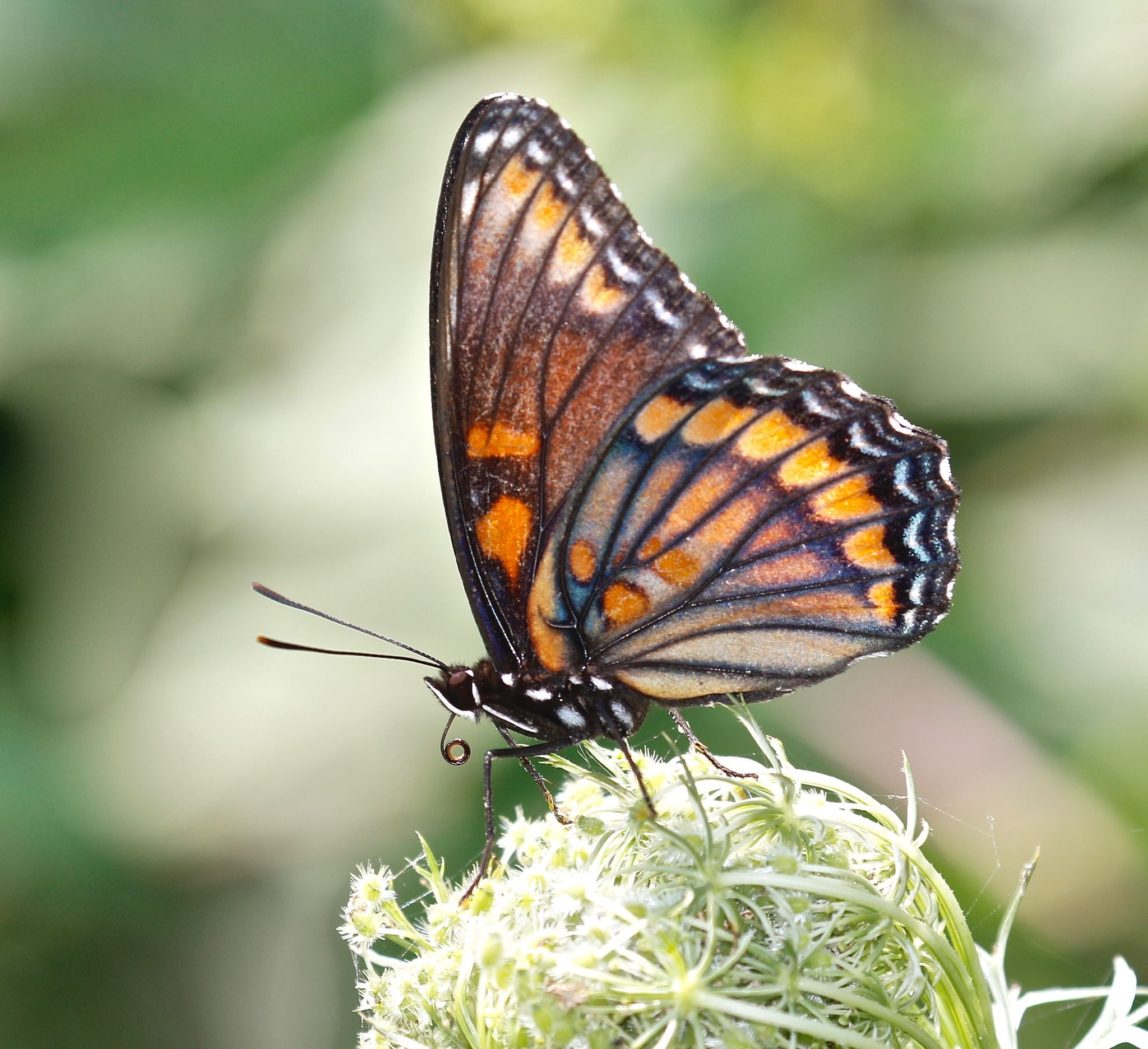
Many brushfoots move pollen between flowers as they feed, and their caterpillars are part of healthy food webs.
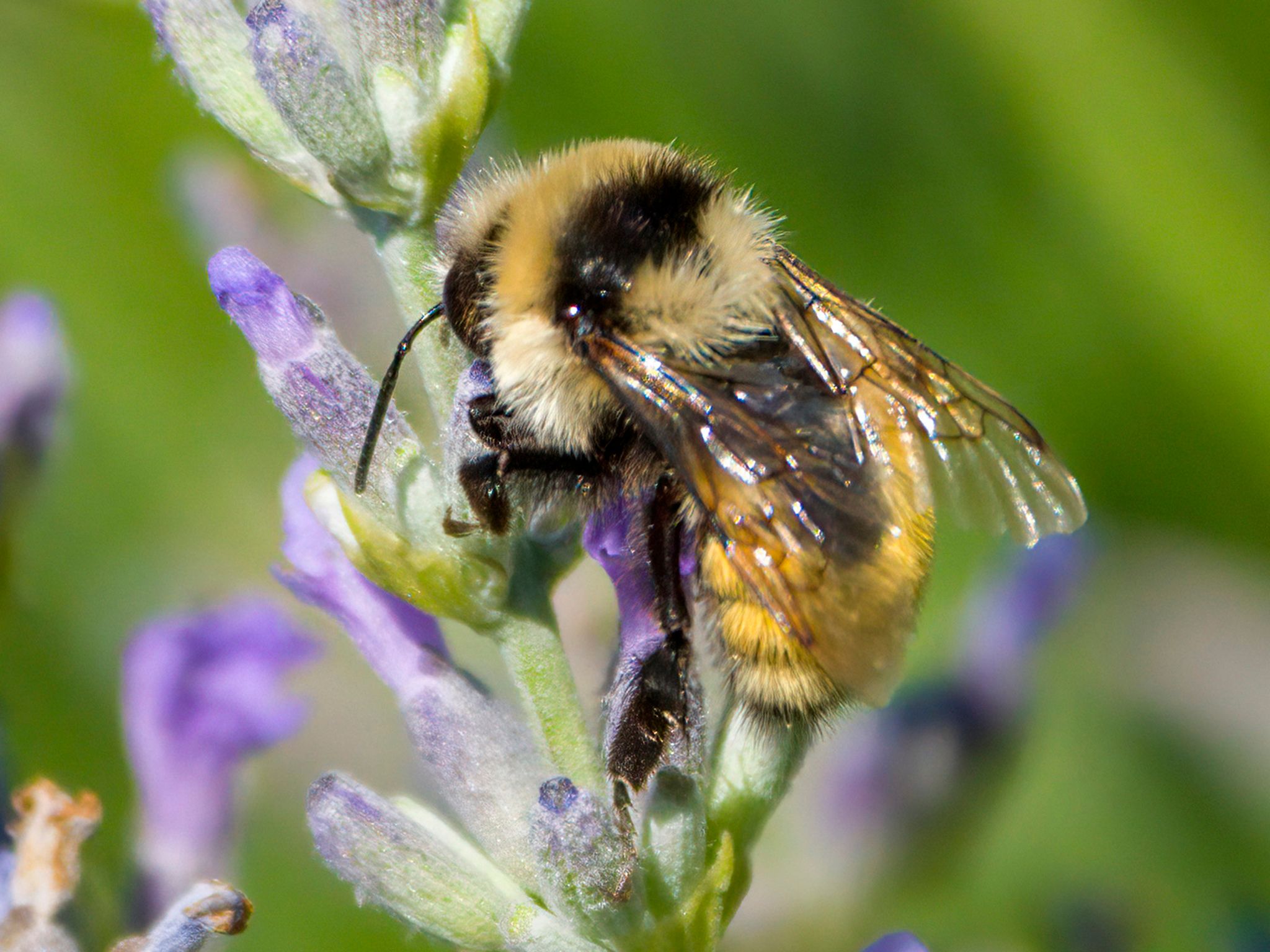
Bumble bees are important pollinators of many wildflowers and garden plants, helping ecosystems and food crops reproduce.
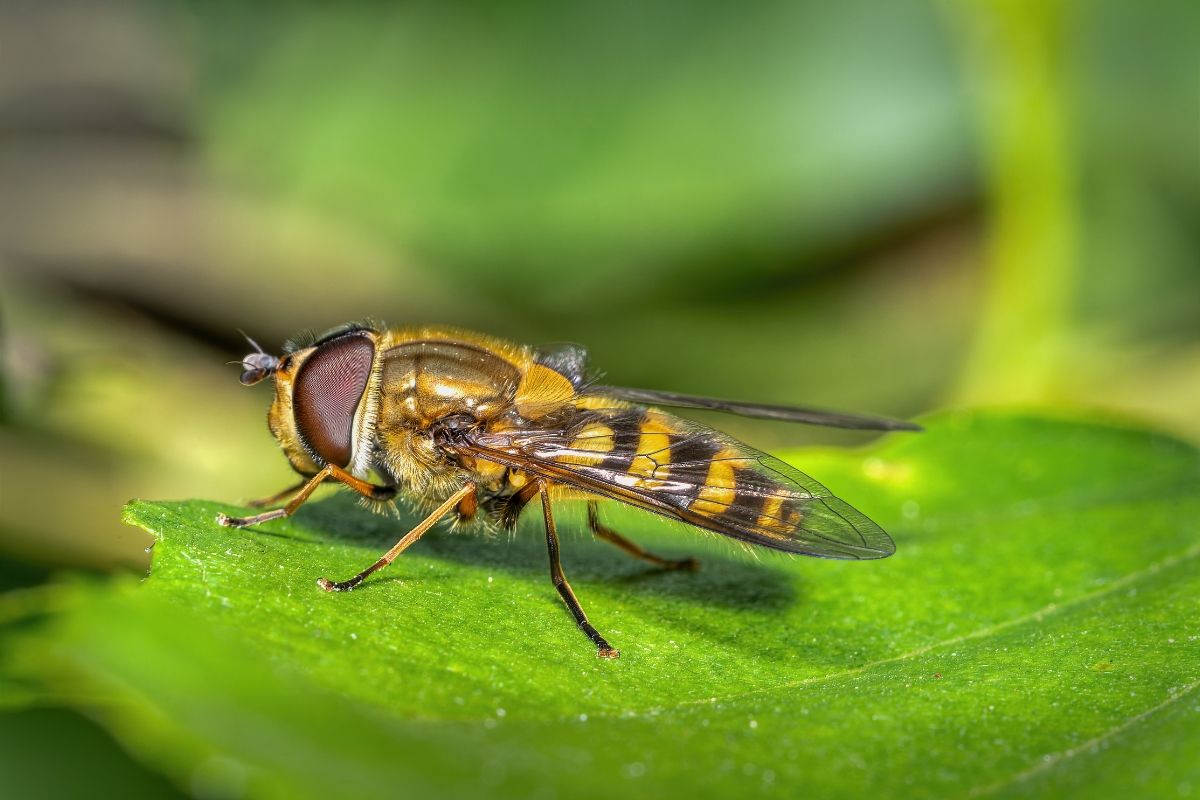
Adults visit flowers for nectar and pollen, and many species’ larvae help keep plant-eating pests in check.
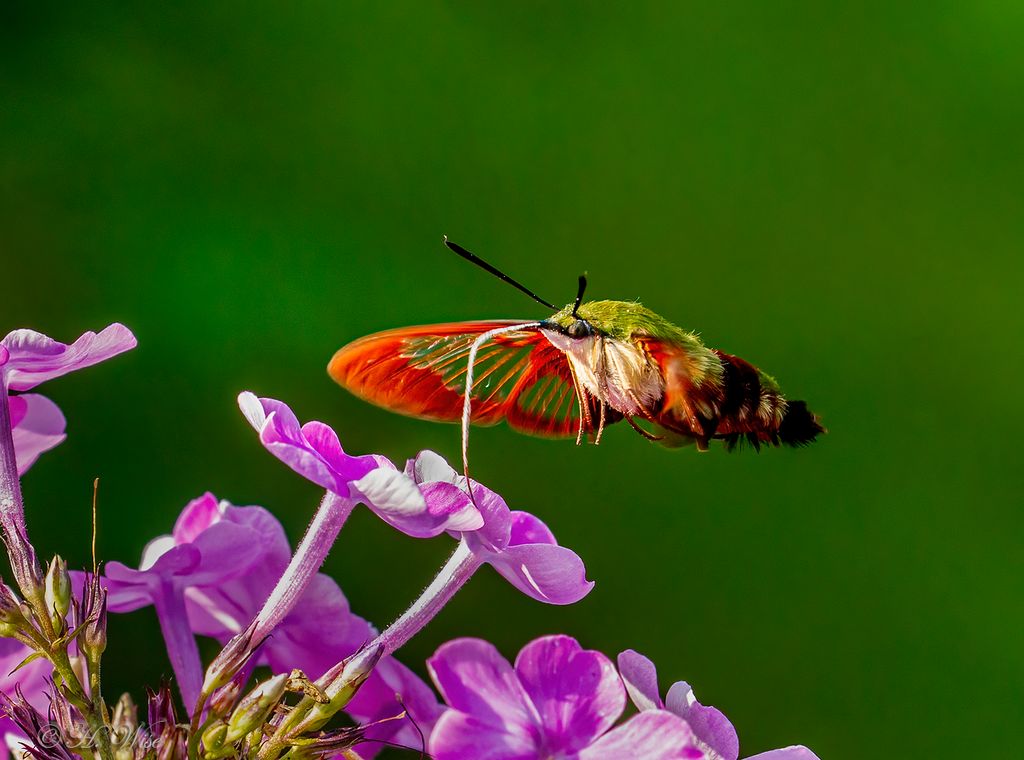
They can move pollen between flowers while feeding on nectar, especially for blooms that open or scent up in the evening.
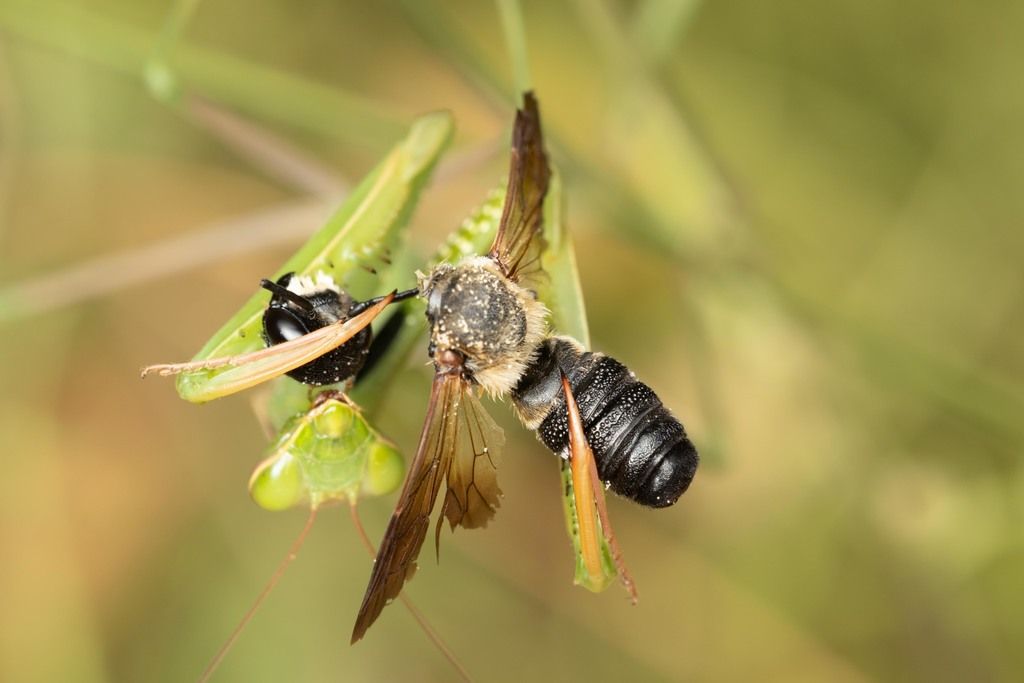
They move pollen between flowers while foraging, helping many wild plants and garden plants set seed and fruit.
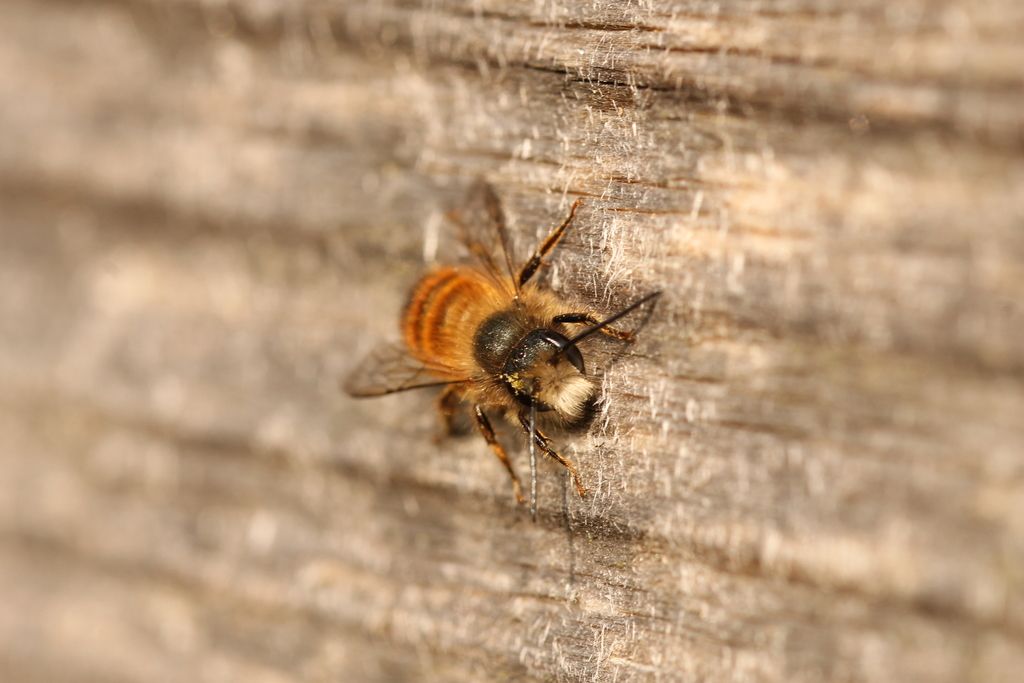
They move pollen between flowers while foraging, helping many wild plants and garden crops set seed and fruit.
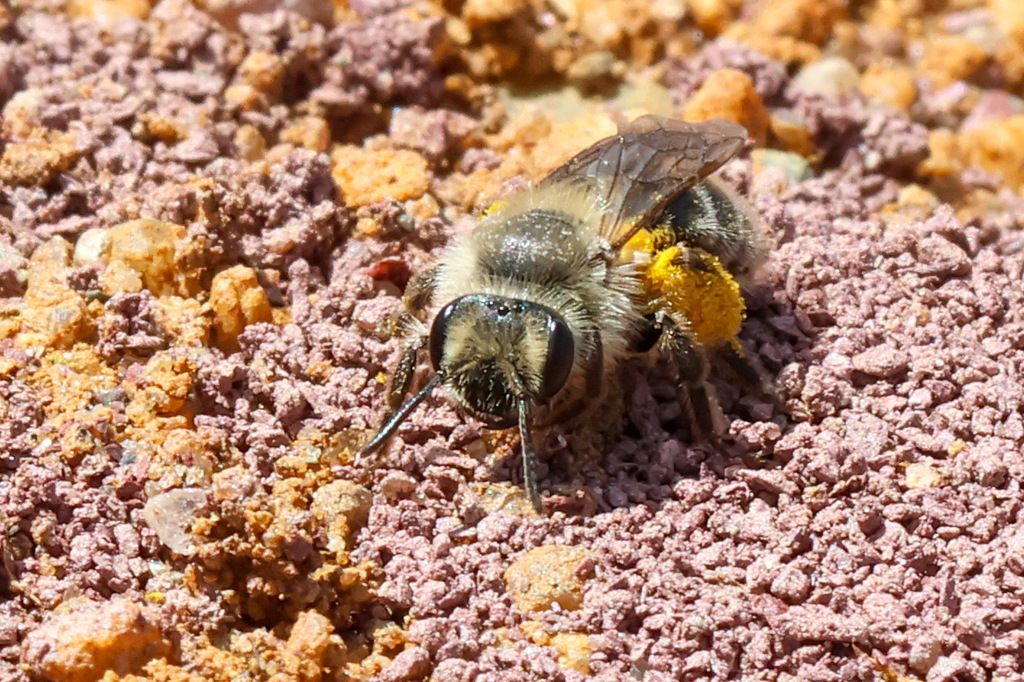
They move pollen between flowers while foraging, helping many wild plants and garden plants set seed and fruit.
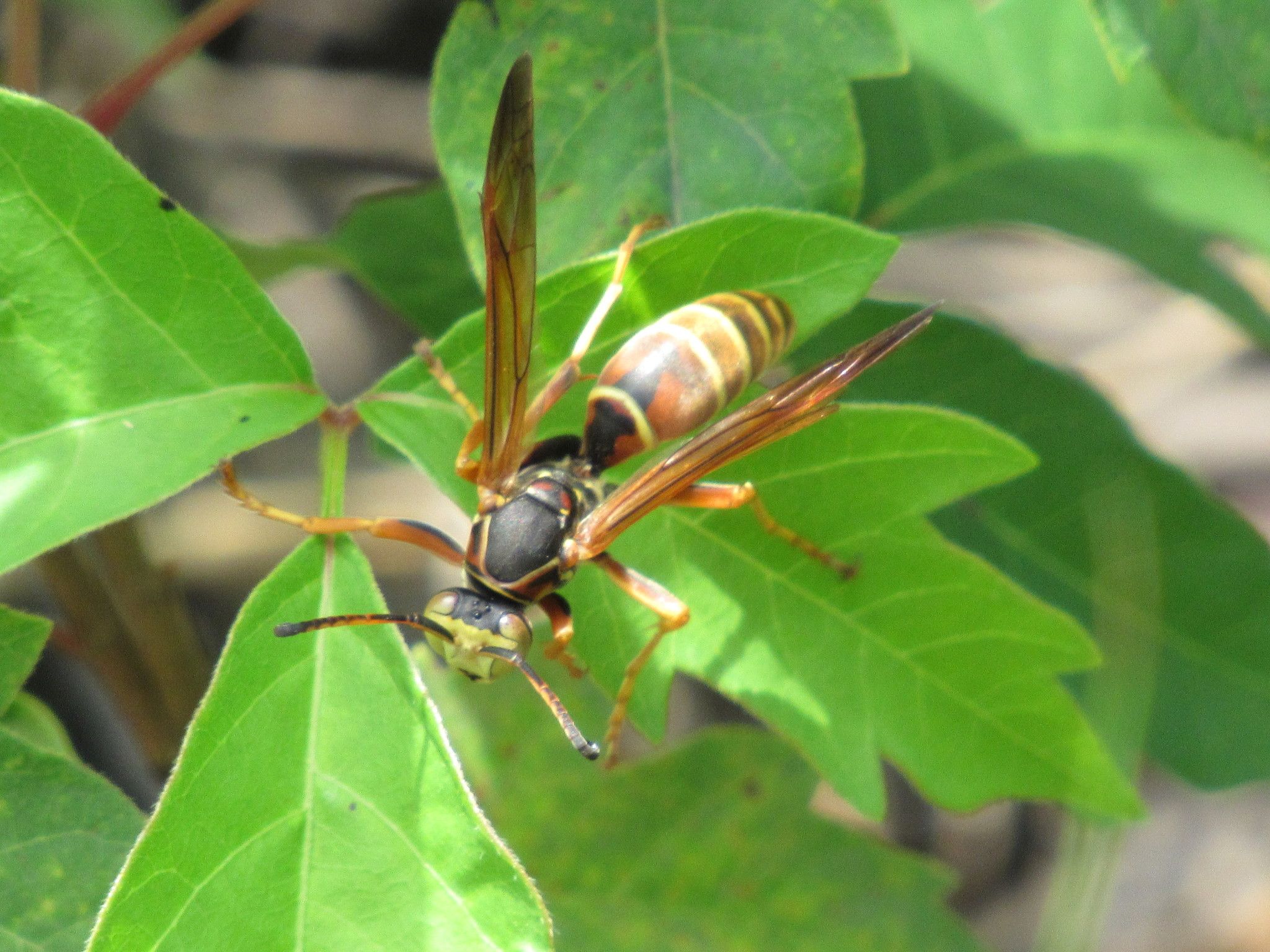
They can move pollen while drinking nectar, and they also help control many plant-eating insects.
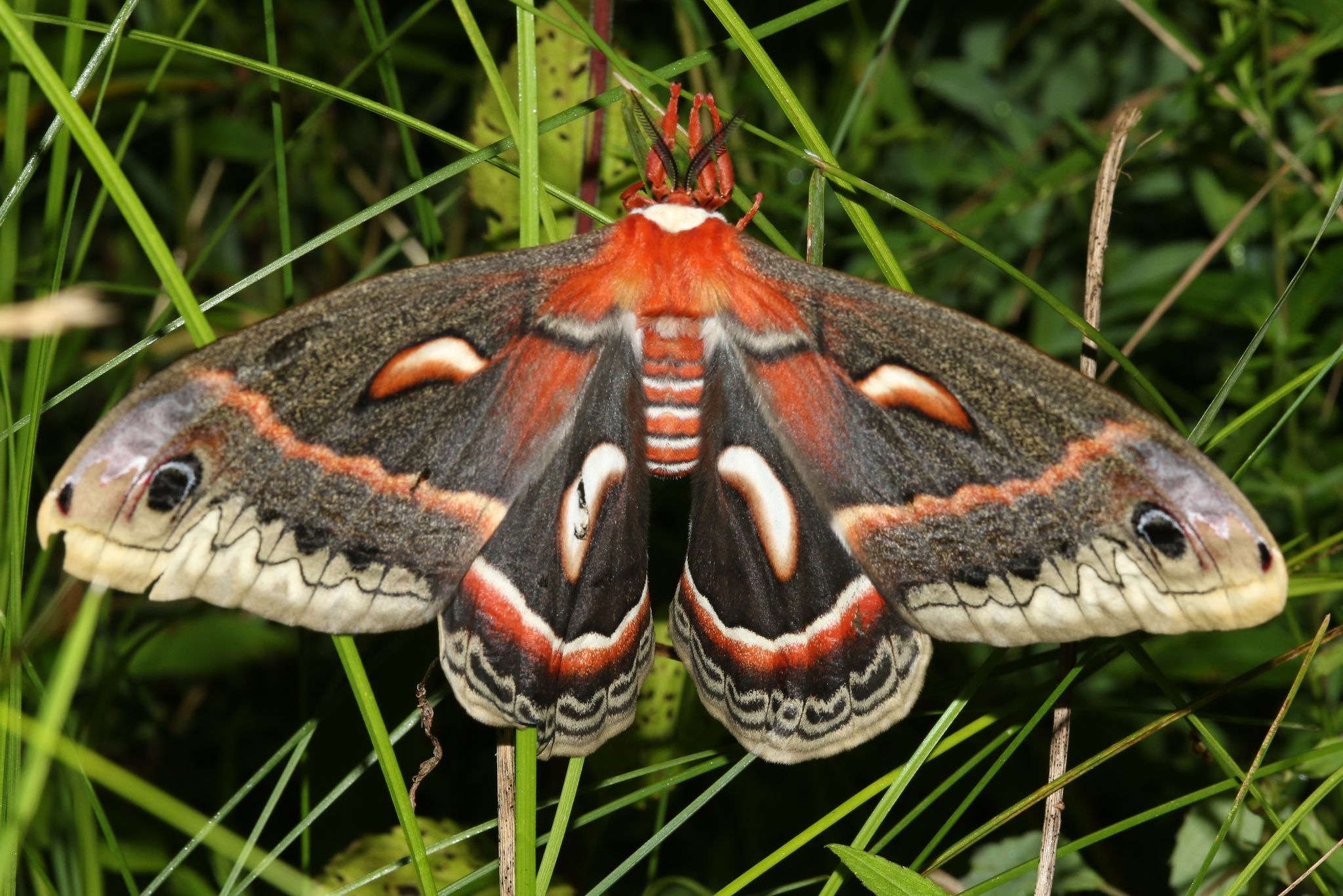
They’re part of healthy food webs and plant communities, and their caterpillars depend on a wide range of native trees and shrubs.
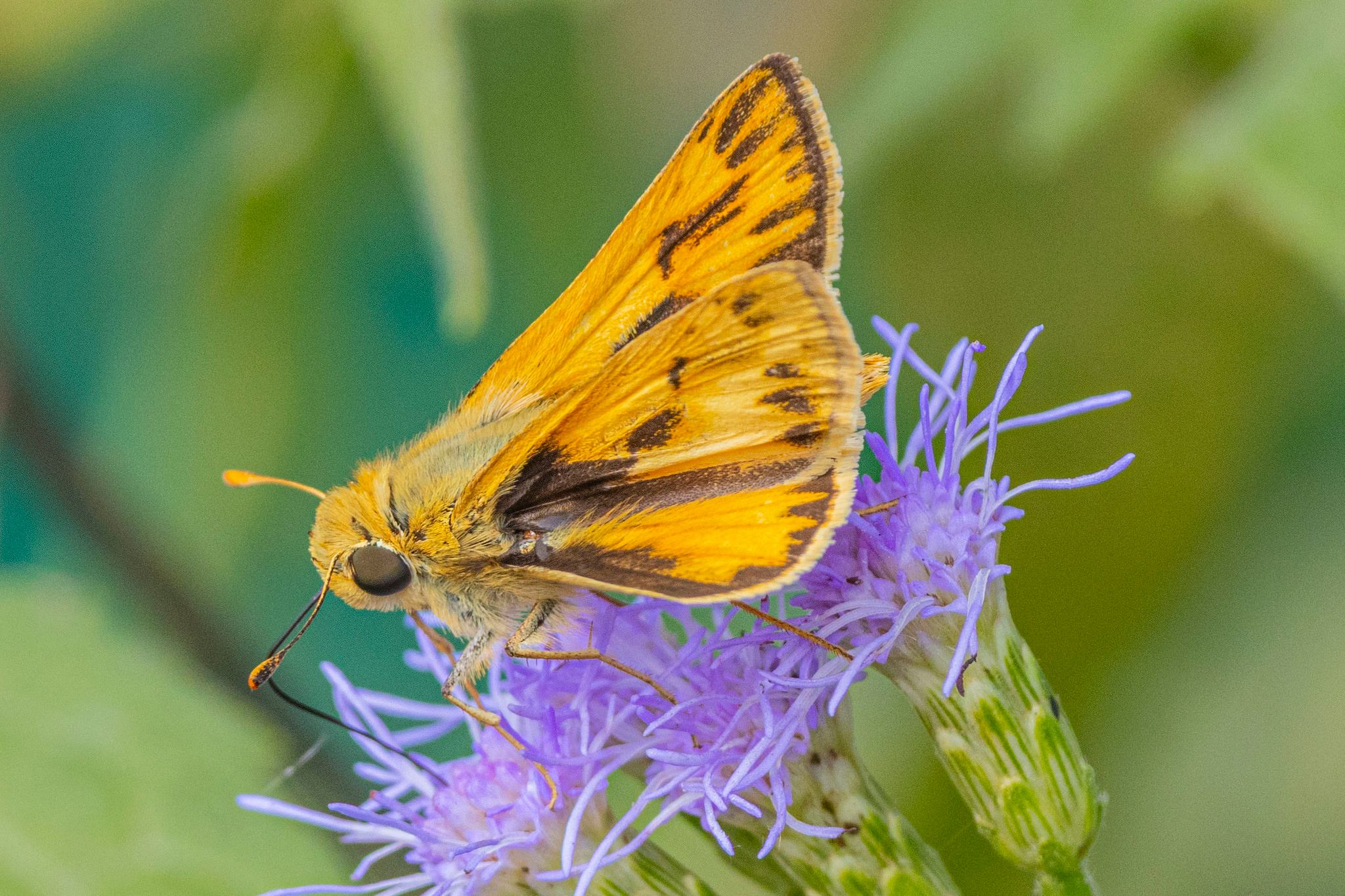
Skippers visit many flowers for nectar and can help move pollen between blooms while they feed.
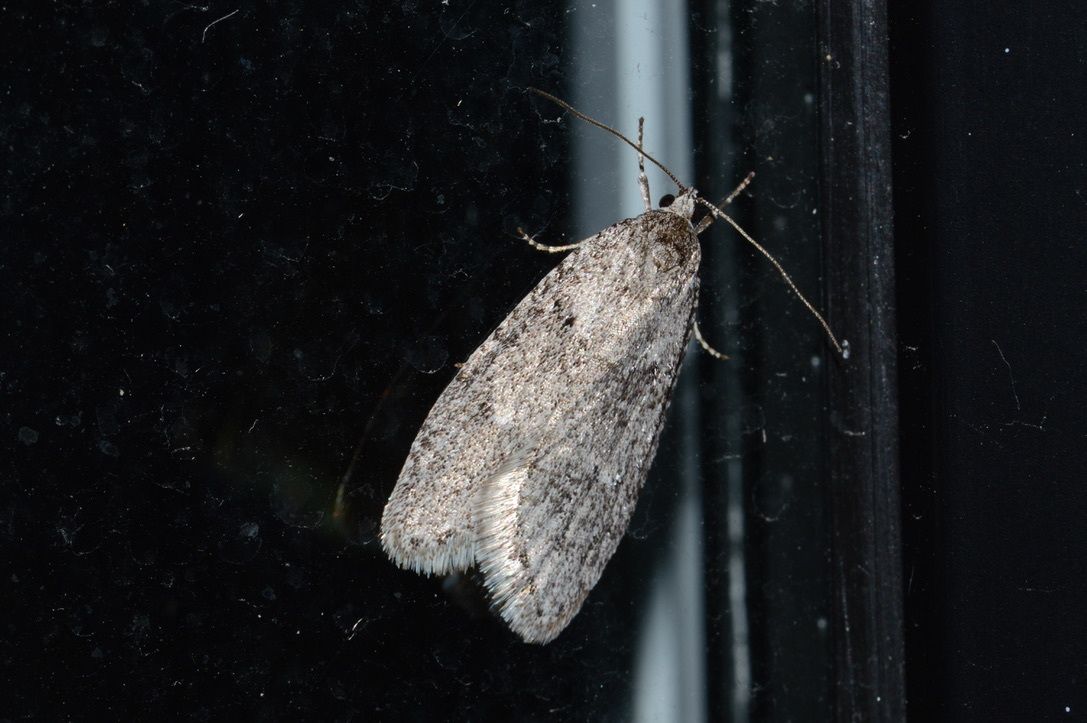
Many small moths move pollen while feeding on nectar, supporting wild plants and garden blooms—especially in the evening and at night.
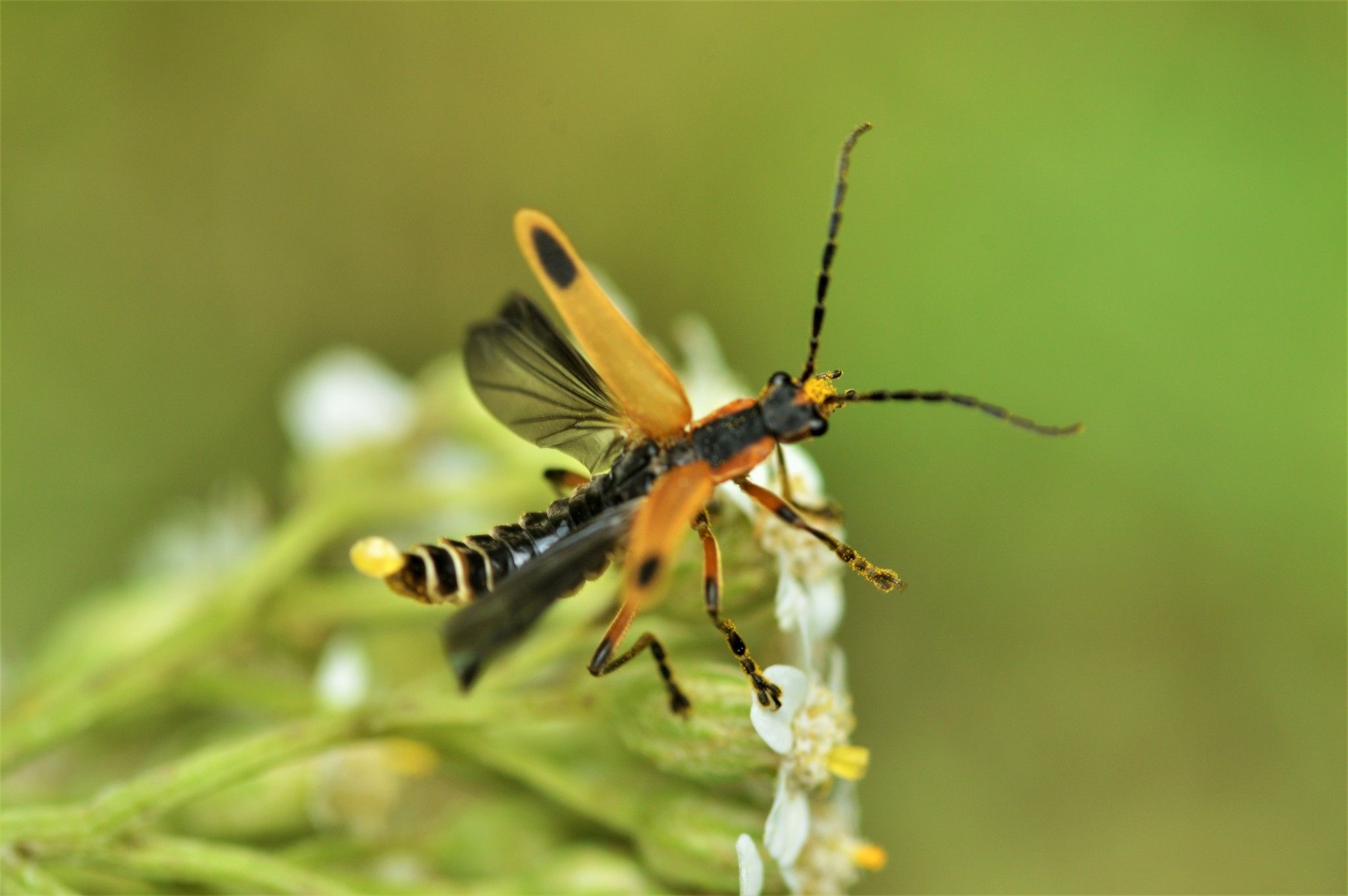
Many adults visit flowers and can move pollen between blooms, while also helping control some garden pests.
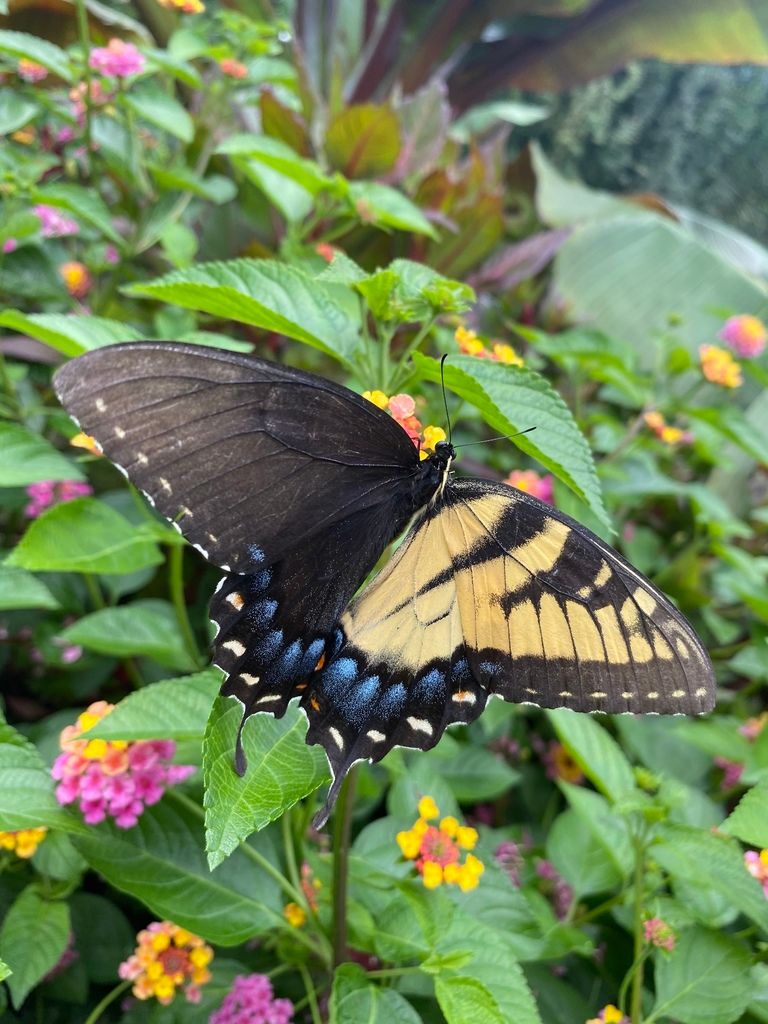
Adult swallowtails visit many flowers for nectar and can help move pollen between blooms as they feed.
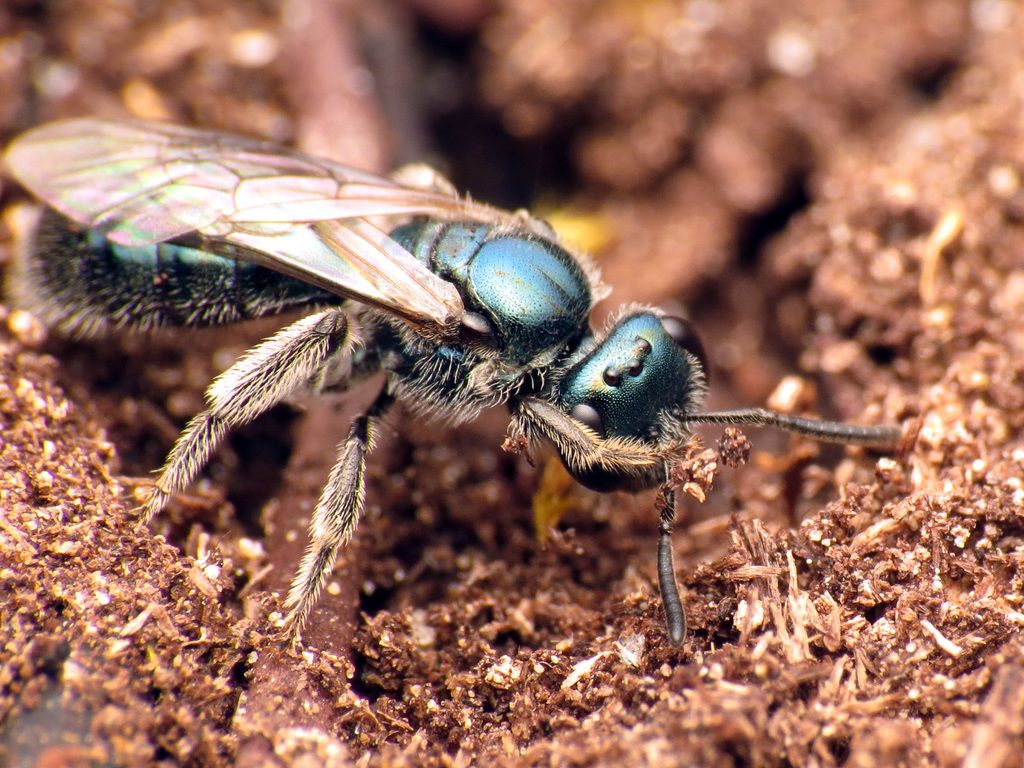
They help move pollen between flowers in gardens, parks, and natural areas, supporting seed and fruit production.
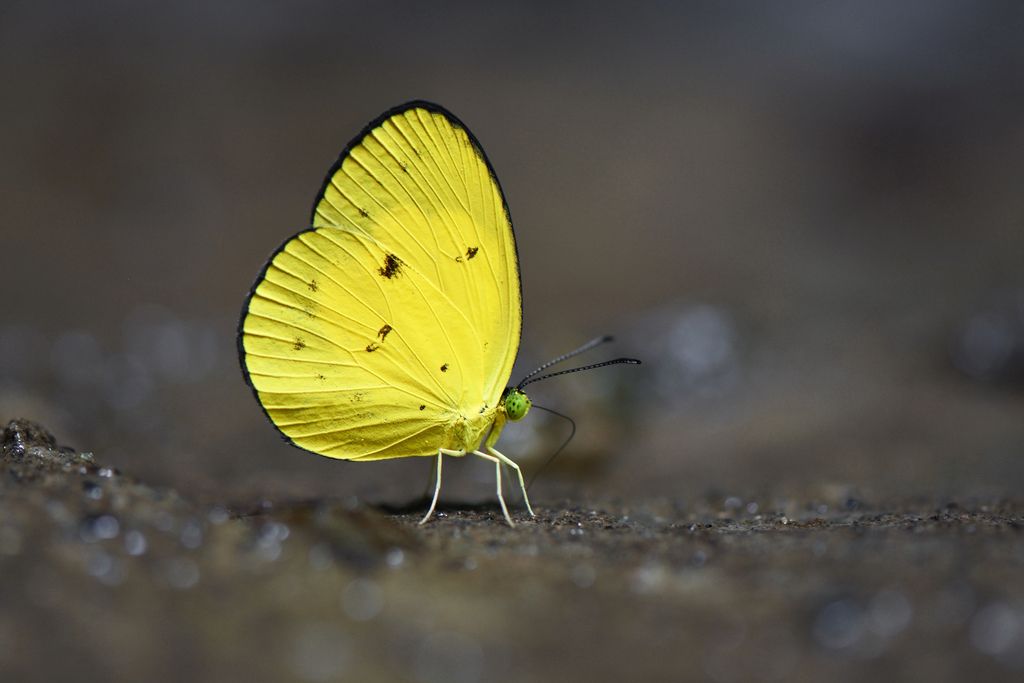
They visit a wide range of flowers for nectar and can help move pollen between blooms as they feed.
Regions
The Lower Mainland & Puget Lowland is a busy, people-centered coastal lowland with rivers, shorelines, and patches of forest and meadow.
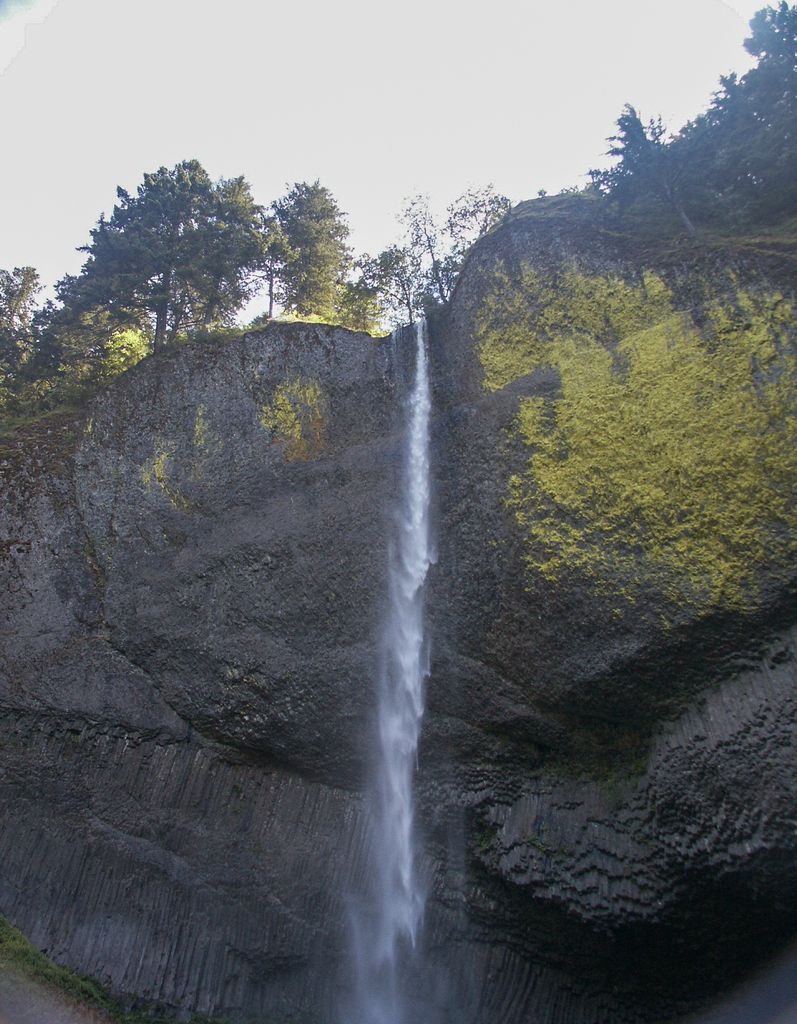
This region is a set of temperate mountain landscapes where conifer, oak, and mixed forests create layered habitat—from sunny edges and clearings to shaded understories.