
Skip to content
Sweetgum (*Liquidambar styraciflua*)
Plant profile

Sweetgum

Species Liquidambar styraciflua

Sweetgum is a tall, long-lived shade tree with star-shaped leaves and spiky seed balls. It can add structure to larger yards and parks, and its spring flowers can offer early-season pollen for insects.

Plant Type

Trees > Sweetgum

Aliases

Sweetgum

Native Range

Eastern North America

Bloom window

Spring

OVERVIEW

About This Plant

Sweetgum (Liquidambar styraciflua) is a bold, recognizable tree that can become a major feature in a landscape. Its star-shaped leaves and spiky seed balls make it easy to spot, and its spring flowers can contribute pollen for insects. Because it can grow into a large tree, the most important decision is placement: give it room, and keep it away from places where fallen seed balls could be a nuisance.

If you’re building a pollinator-friendly space, think of sweetgum as the “roof” of the habitat. The biggest pollinator payoff usually comes from what you plant around and beneath it—sunny edges with flowering perennials, shrubs, and ground-layer plants that provide nectar and pollen across the seasons. Keep the area under the tree mulched (not mowed tight to the trunk), avoid pesticides, and aim for a landscape that’s safe, practical, and welcoming to people and pollinators.

Best role for pollinators
Larger yards, school grounds, and parks where a big shade tree is welcome and fallen seed balls won’t be a problem on paths.
Sweetgum (Liquidambar styraciflua)
https://www.inaturalist.org/photos/177964678 Photo: (c) Sandy Wolkenberg, some rights reserved (CC BY) | CC-BY | iNaturalist

FAST FACTS

Quick Details

Essential stats and requirements for quick reference.

Also known asSweetgum
Bloom windowSpring
Typical heightLarge tree
Pollinators supportedBees, Flies
Light & moistureDoes best with plenty of sun and consistent moisture once established; avoid sites that swing between very dry and waterlogged.
Best roles for pollinatorsLarger yards, school grounds, and parks where a big shade tree is welcome and fallen seed balls won’t be a problem on paths.

SUMMARY

If You Remember Three Things

A quick scan of what they do, what they need, and the best first step.

What they do

Sweetgum provides long-term shade and structure, and its spring flowers can offer pollen to insects.
What they need

Room to grow, a sunny spot, and steady care while it establishes.

One best action

Plant it where fallen seed balls won’t land on high-traffic paths.

IMPACT

Why Plant This?

Sweetgum is a long-lived canopy tree that can help create a layered habitat when combined with a variety of flowering plants at different heights. Its spring bloom can contribute pollen, and its leaf litter can support healthier soil when managed with care.
Those spiky “gumballs” are actually clusters of many small seed capsules packed into one ball.

Key Impacts

What it Supports

  • A mature tree can support a more comfortable, layered garden by creating shade and shelter.
  • Spring flowering can add another food moment for insects when paired with nearby flowering plants.
  • Leaf litter under trees can help protect soil and support a healthier garden floor when managed thoughtfully.

RECOGNITION

Identification Guide

Use these quick clues to recognize sweetgum in a neighborhood or park.

Leaves

Star-shaped, pointed lobes; often glossy; may smell resinous when crushed.

Flowers

Small spring flowers; not showy from a distance.

Fruits

Round, spiky seed balls that hang and later drop; can be messy on hard surfaces.
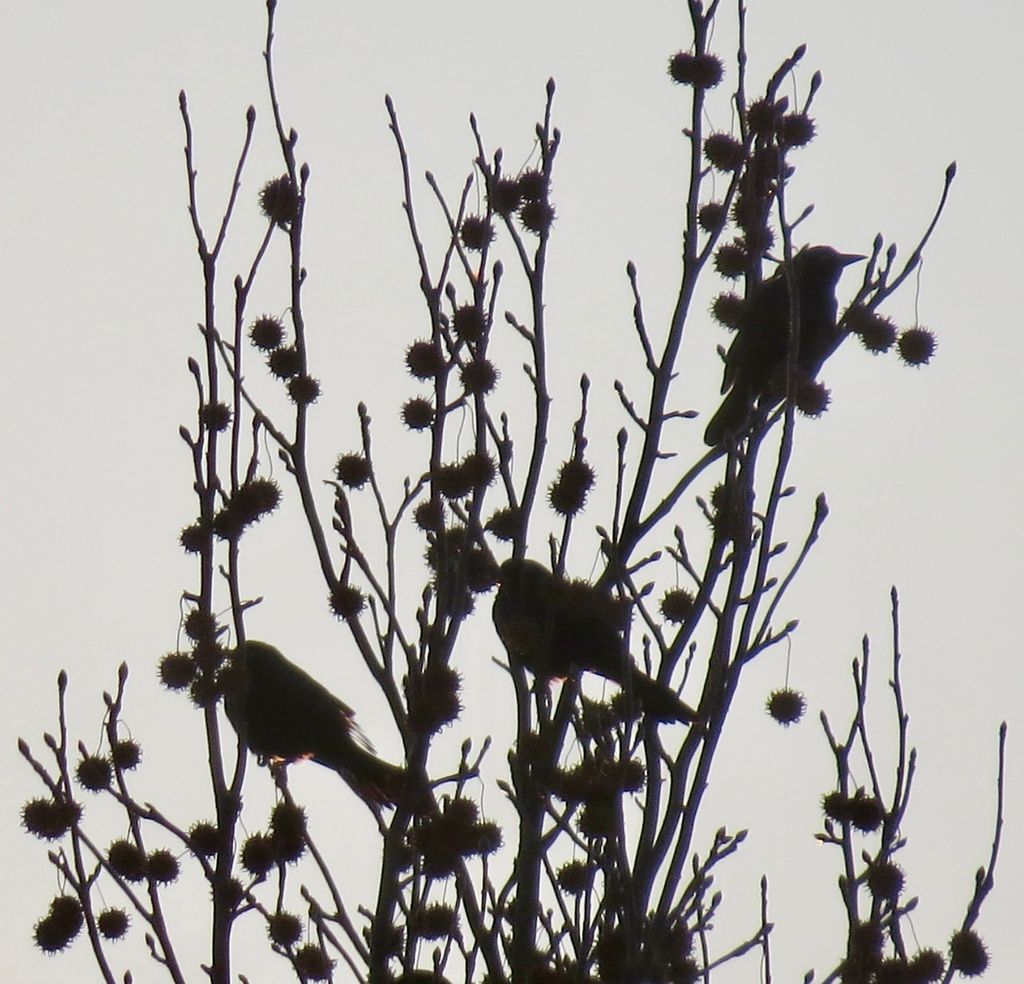
Sweetgum (Liquidambar styraciflua)
https://www.inaturalist.org/photos/177964691 Photo: (c) Sandy Wolkenberg, some rights reserved (CC BY) | CC-BY | iNaturalist
Sweetgum (Liquidambar styraciflua)

LOCATION

Where It Grows

Native environments and the best spots to place it in your landscape.

Habitats

  • Woodland edges
  • Moist lowlands
  • Mixed forests
  • Parks and large urban greenspaces

Where it is often used

  • Shade tree for larger spaces
  • Street or park-style canopy (where fruit drop is acceptable)
  • Back-of-yard anchor tree
  • Seasonal interest (leaf color and distinctive seed balls)

SEASONALITY

When It Blooms

Notes on bloom windows and how this plant helps pollinators across the seasons.

Bloom window

Sweetgum flowers are small and not showy, but they can still play a role in a pollinator-friendly landscape.

Bloom Season Role: Early-season support (pollen) from small spring flowers; main value is as a long-term canopy tree.

Seasonal benefits

  • Adds pollen availability in spring
  • Pairs well with spring-blooming perennials and shrubs planted beneath or nearby

REQUIREMENTS

What It Needs

The right mix of sun, soil, and space for healthy growth.

Sun exposure

Full sun to part sun for best growth and canopy shape.

Soil type

Adaptable to many soils; aim for a site that drains reasonably well and isn’t constantly soggy.

Moisture needs

Water regularly during the first seasons after planting; once established, provide extra water during long dry stretches.

Planting method

Choose a spot with plenty of overhead and underground space, away from narrow sidewalks and tight corners.

Mulching tips

Mulch in a wide ring to protect roots and hold moisture, keeping mulch off the trunk.

GARDENING GUIDE

How to Grow It

Simple steps to plant, prune, and maintain healthy trees without pesticides.

Planting tips

  • Pick a location with lots of room for a mature canopy and for seed balls to fall without causing problems.
  • Dig a hole wider than the root ball and set the tree so the base of the trunk is not buried.
  • Backfill with the original soil, water deeply, and gently firm the soil to remove air pockets.
  • Add a mulch ring and keep the area under the tree free of lawn competition while it establishes.
  • Water consistently during the first growing seasons, especially during dry spells.

Seasonal care

  • Water during establishment and during extended dry periods.
  • Prune lightly to remove dead or crossing branches; avoid heavy shaping.
  • Manage fallen seed balls by raking or collecting them where they create a hazard.
  • Leave some leaves under the tree (where appropriate) to protect soil; keep walkways clear.

What not to do

  • Planting sweetgum right next to a sidewalk, driveway, or play area.
  • Underestimating how big the tree will get.
  • Letting grass grow right up to the trunk.
  • Trying to keep the area “too tidy” by removing all leaves.

Pairings

Best Pairings for Season-Long Bloom

Pairing ideas to keep pollinators fed throughout the growing season.

Early Bloom

  • Wild columbine
  • Golden alexanders
  • Serviceberry

Mid-Season Bloom

  • Bee balm
  • Purple coneflower
  • Black-eyed Susan

Late-Season Bloom

  • New England aster
  • Goldenrod
  • Joe-Pye weed
Sweetgum’s seed balls are a love-it-or-hate-it feature. If you want the tree but not the mess, plan ahead with placement so cleanup is easy and high-traffic areas stay safe.

GLOSSARY

Key Terms

A few helpful terms you might see when choosing and caring for trees:

Glossary terms are being added.

What You Can Do

Make a difference for native habitats.

Turn this knowledge into action. Whether you plant a single pot or a whole garden, you are building a vital bridge for local biodiversity.

Join the movement to restore our shared habitats.

Pollinators supported

Species that benefit from this plant

Pollinator links are being added for this plant.

Regions

Where this plant is native

Regional links are being added for this plant.