
Skip to content
Tulip tree (*Liriodendron tulipifera*)
Plant profile

Tulip tree

Species Liriodendron tulipifera

Tulip tree is a tall, long-lived shade tree with distinctive tulip-like flowers that can support pollinators when it blooms. It’s best for larger yards, parks, and school grounds where it has room to grow.

Plant Type

Trees > Tulip tree

Aliases

Tulip tree

Native Range

Eastern North America

Bloom window

Late spring to early summer

OVERVIEW

About This Plant

Tulip tree (Liriodendron tulipifera) is a long-lived, magnificent canopy tree essential for providing massive shade and structure in larger landscapes like parks and school grounds. This height and coverage create critical microclimates, allowing diverse understory plantings to thrive in sheltered spaces.

When it flowers in late spring to early summer, the distinctive tulip-shaped blooms, though often high in the canopy, provide a significant seasonal influx of nectar for various pollinators, including specialized native bees and hummingbirds. To maximize its ecological value, ensure the tree has room to mature, keep the root zone protected, and avoid all pesticide use. A healthy, large tree is a foundational habitat builder.

Best role for pollinators
Large spaces where a tall shade tree is welcome—parks, big yards, and school grounds
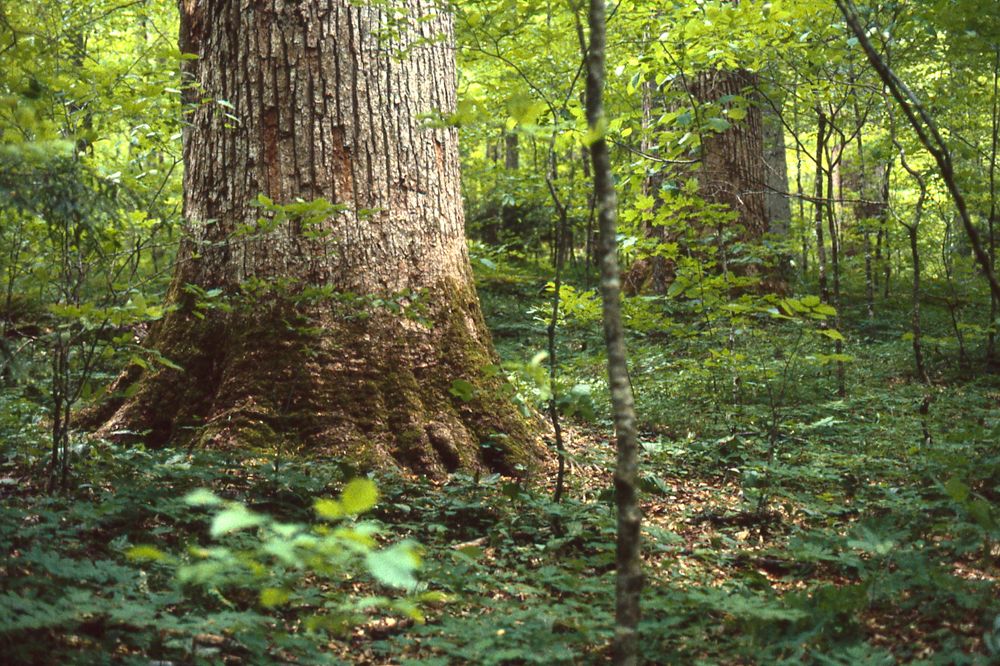
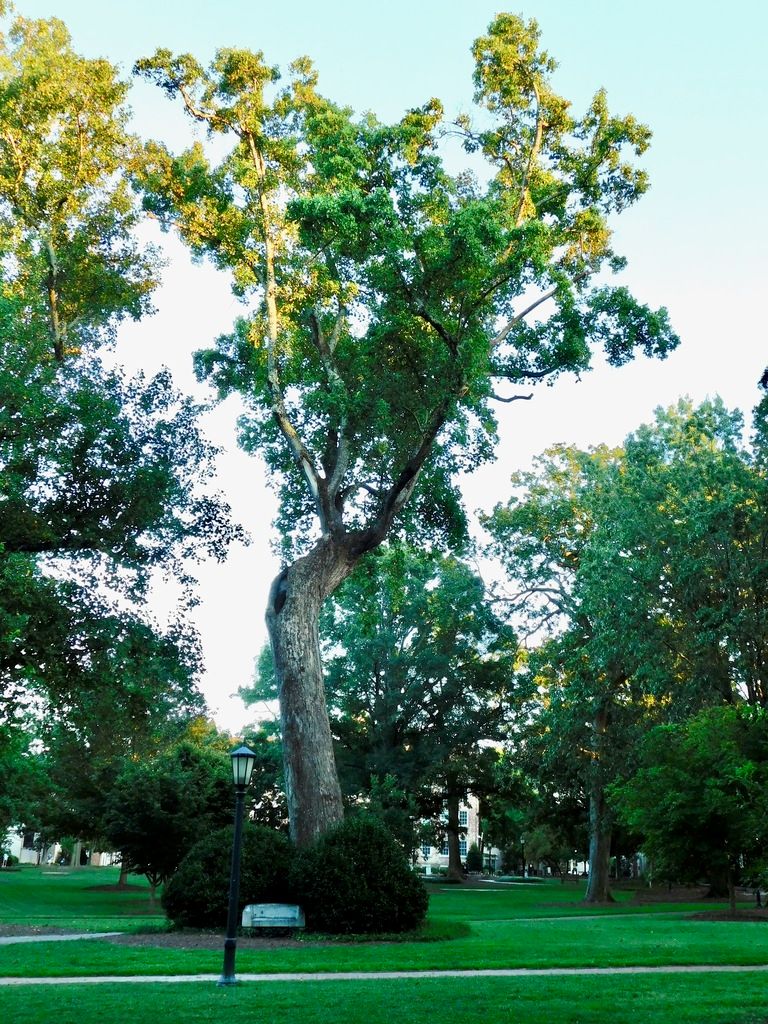
Tulip tree (Liriodendron tulipifera)
https://www.inaturalist.org/photos/175831858 Photo: (c) Scott Ranger, some rights reserved (CC BY-NC) | CC-BY-NC | iNaturalist

FAST FACTS

Quick Details

Essential stats and requirements for quick reference.

Also known asTulip tree
Bloom windowLate spring to early summer
Typical heightLarge tree
Pollinators supportedBees
Light & moistureSun to part sun; average moisture (avoid very dry sites)
Best roles for pollinatorsLarge spaces where a tall shade tree is welcome—parks, big yards, and school grounds

SUMMARY

If You Remember Three Things

A quick scan of what they do, what they need, and the best first step.

What they do

Provides spring flowers that can be visited by pollinators and creates cooling shade for people and plants.
What they need

Room to grow, steady moisture while establishing, and a site with good light.

One best action

Choose a planting spot with lots of space—think long-term, not just how it looks this year.

IMPACT

Why Plant This?

Tulip tree is a large flowering tree that can contribute to pollinator-friendly landscapes while also providing shade and structure. It works best when it’s part of a layered planting—trees above, shrubs and flowers below—so there’s something blooming across the growing season.
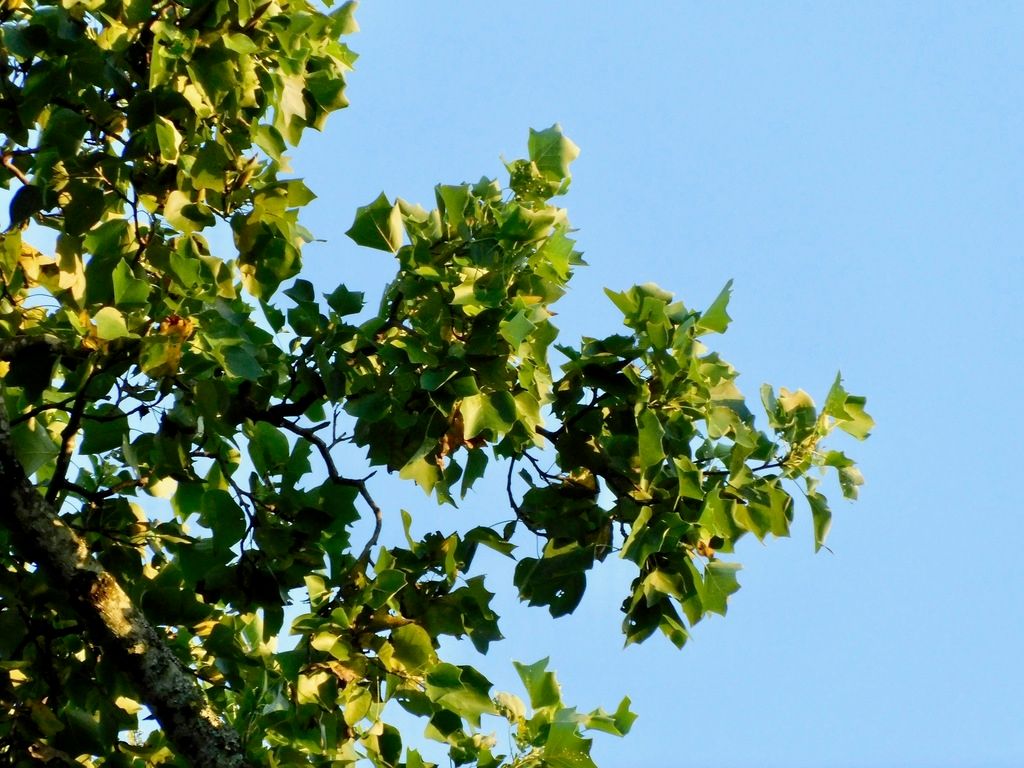
Tulip tree leaves have a distinctive squared-off tip that makes them stand out from most other tree leaves.

Key Impacts

What it Supports

  • A flowering tree can add pollinator resources at a different height than garden flowers.
  • Big trees help create comfortable outdoor spaces by providing shade.
  • A mature tree can anchor a habitat garden, with pollinator plants layered underneath.

RECOGNITION

Identification Guide

Look for these quick clues to identify tulip tree through the seasons.

Leaves

Distinctive leaves with a squared-off tip and several rounded lobes; smooth-edged and bright green in the growing season.

Flowers

Tulip-shaped blooms, greenish-yellow with an orange band; often appear high in the canopy in late spring to early summer.

Fruits

Cone-like clusters made of many winged seeds; may persist for a while after flowering.
Tulip tree (Liriodendron tulipifera)
https://www.inaturalist.org/photos/427773301 Photo: (c) Michael J. Papay, some rights reserved (CC BY) | CC-BY | iNaturalist
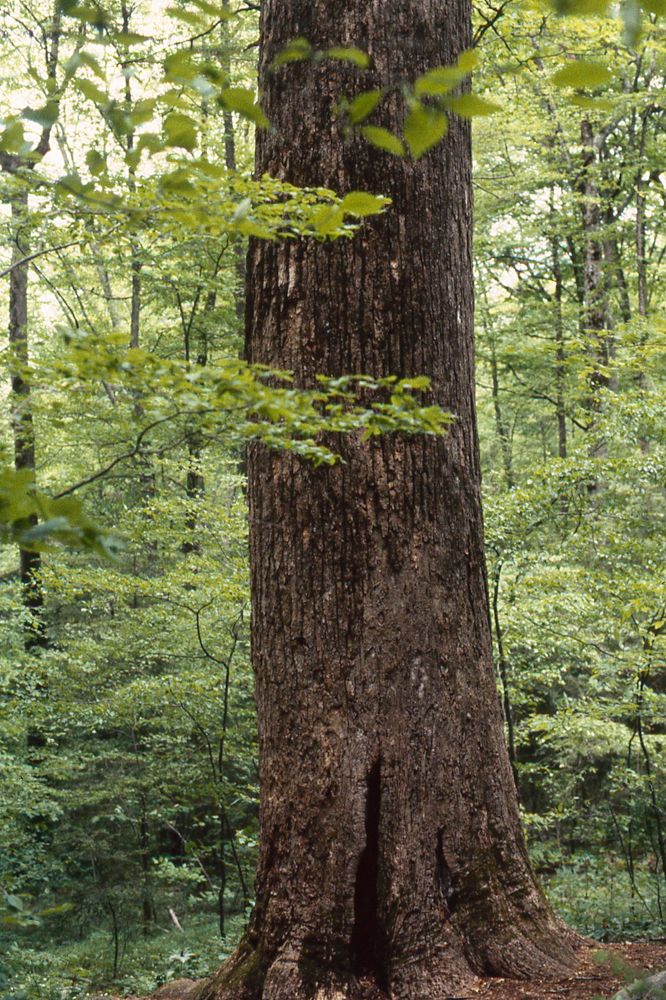
Tulip tree (Liriodendron tulipifera)

LOCATION

Where It Grows

Native environments and the best spots to place it in your landscape.

Habitats

  • Deciduous forests
  • Moist, well-drained woodland edges

Where it is often used

  • Shade tree for large landscapes
  • Canopy layer for a pollinator garden (pair with flowering shrubs and perennials below)
  • Street or park-style planting where there is ample rooting space

SEASONALITY

When It Blooms

Notes on bloom windows and how this plant helps pollinators across the seasons.

Bloom window

Tulip tree blooms after many early spring flowers have finished, adding another wave of blossoms.

Bloom Season Role: A canopy bloomer that can add a burst of nectar when it flowers

Seasonal benefits

  • Adds variety to the timing of blooms in a landscape
  • Can complement spring bulbs and early perennials planted underneath

REQUIREMENTS

What It Needs

The right mix of sun, soil, and space for healthy growth.

Sun exposure

Full sun is best; part sun is workable, especially in open sites.

Soil type

Prefers deep, well-drained soil; avoid compacted or constantly soggy spots.

Moisture needs

Water regularly during establishment; once established, aim for consistent moisture during dry stretches.

Planting method

Plant where it can grow tall and wide without conflicts. Keep the root flare at soil level and water in well.

Mulching tips

Mulch in a wide ring (not touching the trunk) to protect roots and hold moisture.

GARDENING GUIDE

How to Grow It

Simple steps to plant, prune, and maintain healthy trees without pesticides.

Planting tips

  • Pick a spot with lots of long-term space away from buildings, fences, and overhead wires.
  • Dig a hole wider than the root ball and only as deep as the root ball.
  • Set the tree so the root flare is at or slightly above the surrounding soil.
  • Backfill, firm gently, and water slowly and deeply.
  • Add a mulch ring and keep grass and weeds back from the trunk area.

Seasonal care

  • Water during dry spells while the tree is establishing.
  • Refresh mulch as needed, keeping it off the trunk.
  • Prune only as needed for structure or clearance, ideally when the tree is dormant.
  • Avoid spraying pesticides on flowering plants nearby—choose non-chemical options first.

What not to do

  • Planting too close to a building, driveway, or power lines
  • Burying the trunk flare under soil or mulch
  • Skipping watering during the first dry spells
  • Using pesticides in or near flowering areas

Pairings

Best Pairings for Season-Long Bloom

Pairing ideas to keep pollinators fed throughout the growing season.

Early Bloom

  • Spring bulbs (in nearby beds, not right against the trunk)
  • Early-blooming native woodland flowers

Mid-Season Bloom

  • Flowering shrubs that handle part shade
  • Bee-friendly perennials for the understory

Late-Season Bloom

  • Late-summer and fall-blooming perennials to keep flowers going after the tree finishes blooming
Because the flowers are often high up, you may not notice the bloom unless you’re looking into the canopy—watch for petals on the ground as a clue that it’s flowering.

GLOSSARY

Key Terms

A few quick terms you might see when choosing and caring for trees:

Glossary terms are being added.

What You Can Do

Make a difference for native habitats.

Turn this knowledge into action. Whether you plant a single pot or a whole garden, you are building a vital bridge for local biodiversity.

Join the movement to restore our shared habitats.

Pollinators supported

Species that benefit from this plant

Pollinator links are being added for this plant.

Regions

Where this plant is native

Regional links are being added for this plant.