
Skip to content
Walnuts (*Juglans*)
Plant profile

Walnuts

Genus Juglans

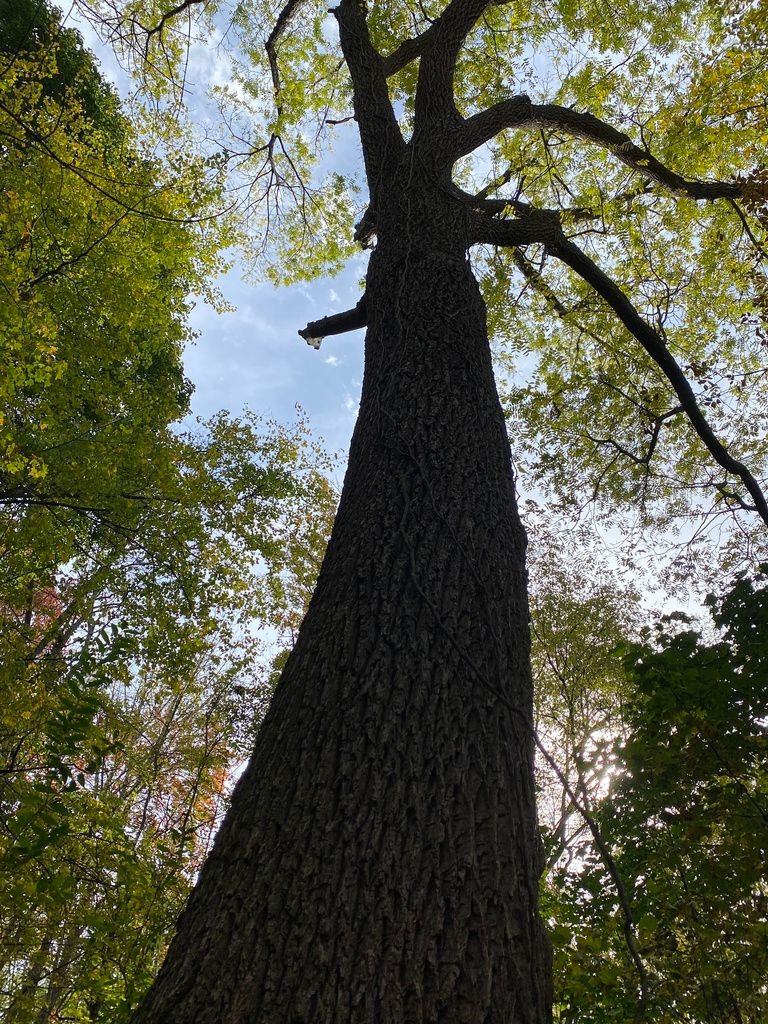
Walnuts are large, long-lived trees in the genus Juglans, best known for their edible nuts and broad shade. In gardens and schoolyards, they can be a strong “backbone” tree—great for habitat structure—when you give them room and plan around what grows well beneath them.

Plant Type

Trees > Walnuts

Aliases

Walnut

Native Range

Varies by species within the genus; some walnuts are native to parts of North America while others are from other regions.

Bloom window

Spring

OVERVIEW

About This Plant

Walnuts (Genus Juglans) are long-lived, foundational trees that create essential, broad canopy shade and robust habitat structure. This height and coverage are vital for developing layered, resilient pollinator sites and microclimates. While their flowers are not a primary nectar source, the trees contribute significantly to the larger food web by supporting various insects and providing edible nuts for wildlife.

If planting a Walnut, proper siting is key, as they need ample room to mature. To maximize their value in a pollinator garden, focus on planting flowering perennials and shrubs at the sunnier edges of the canopy to ensure a continuous food supply throughout the season. Maintenance should prioritize keeping the entire area pesticide-free.

Best role for pollinators
Large yards, parks, and school grounds where a long-lived shade tree is wanted and there’s room for roots and canopy.
Walnuts (Juglans)
https://www.inaturalist.org/photos/329293180 Photo: (c) Sandy Wolkenberg, some rights reserved (CC BY) | CC-BY | iNaturalist

FAST FACTS

Quick Details

Essential stats and requirements for quick reference.

Also known asWalnut
Bloom windowSpring
Typical heightLarge tree
Pollinators supportedBees, Flies
Light & moistureSun to part sun; average moisture once established
Best roles for pollinatorsLarge yards, parks, and school grounds where a long-lived shade tree is wanted and there’s room for roots and canopy.

SUMMARY

If You Remember Three Things

A quick scan of what they do, what they need, and the best first step.

What they do

Walnuts add long-term shade and structure, and their nuts can feed wildlife while the canopy creates cooler, calmer garden spaces.
What they need

Space, patience, and a plan for what will grow beneath them; steady watering while young helps them establish.

One best action

Choose a planting spot with plenty of room and design the area under the tree for shade-tolerant plants or mulch paths.

IMPACT

Why Plant This?

Walnuts are long-lived canopy trees that can shape a site for decades. They’re most successful when planted where their size, shade, and leaf litter are welcome—and when the planting under and around them is designed for the conditions they create.
Walnut husks can stain hands and surfaces—handy to know before a schoolyard nut-collecting project.

Key Impacts

What it Supports

  • A single mature tree can create a whole “layer” of habitat—canopy, leaf litter, and sheltered edges.
  • Shade from trees can make outdoor spaces more comfortable for people and reduce heat around paved areas.
  • Nuts and fallen leaves can support a small web of backyard life, from squirrels to soil organisms.

RECOGNITION

Identification Guide

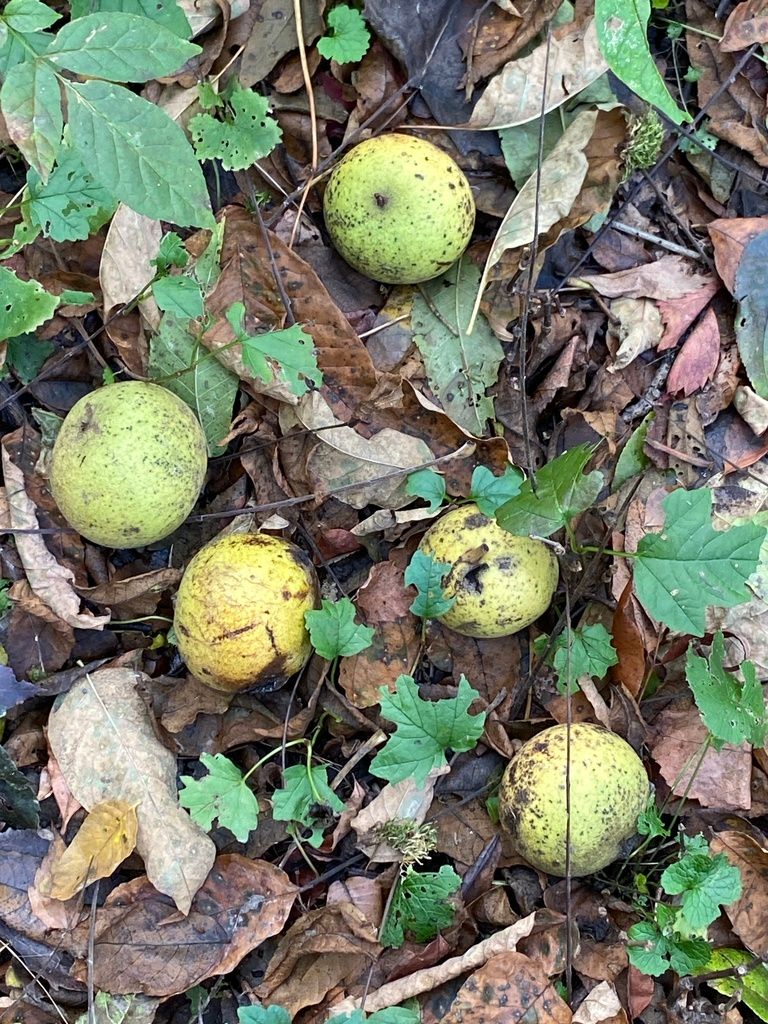
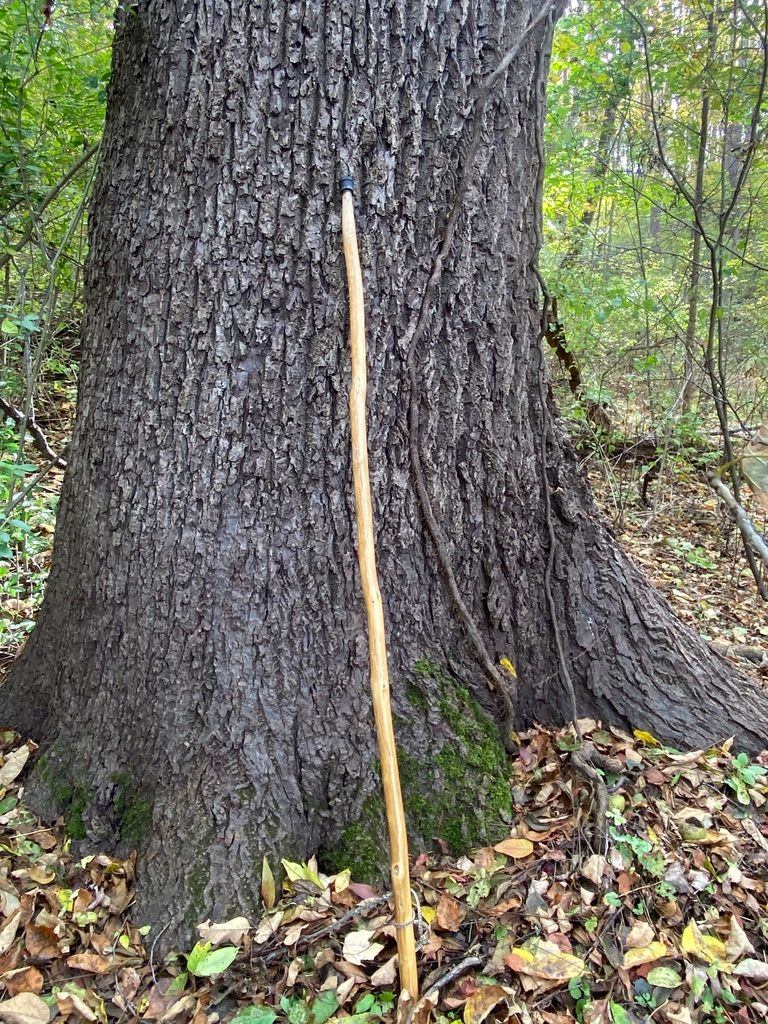
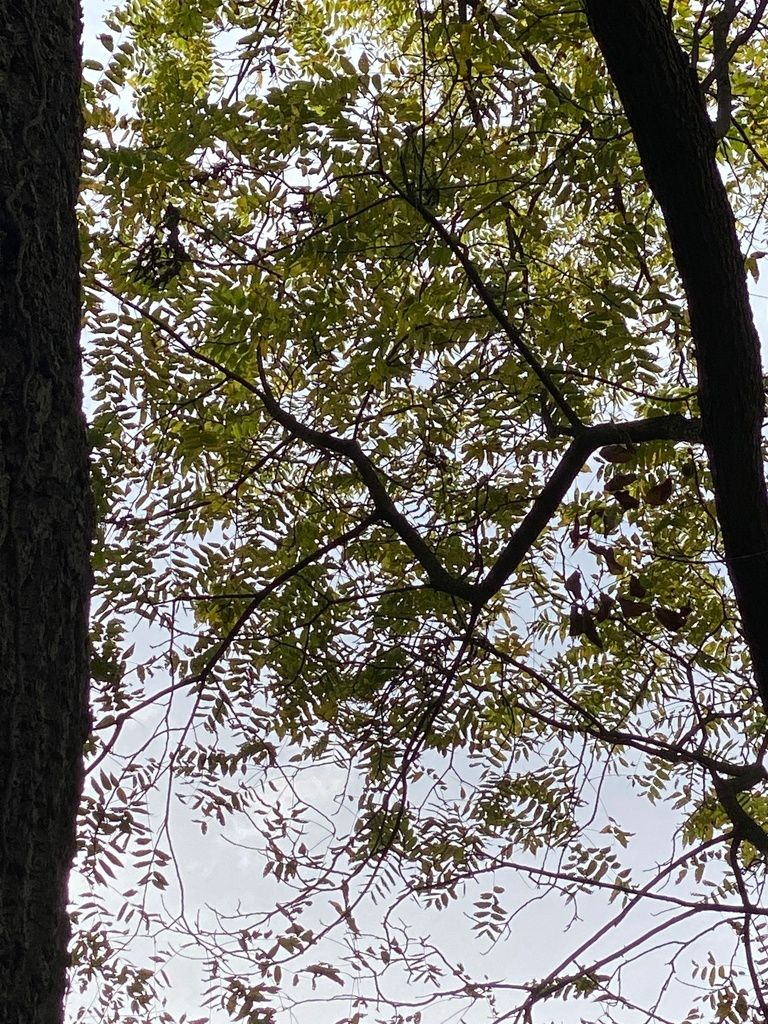
Look for a big tree with long, feather-like leaves and round fruits in green husks.

Leaves

Long compound leaves with multiple leaflets; overall leaf can be quite large.

Flowers

Small, not showy; often seen as catkins in spring.

Fruits

Round green husks that later darken and split to reveal a hard-shelled walnut.
Walnuts (Juglans)
https://www.inaturalist.org/photos/329293214 Photo: (c) Sandy Wolkenberg, some rights reserved (CC BY) | CC-BY | iNaturalist
Walnuts (Juglans)
Walnuts (Juglans)

LOCATION

Where It Grows

Native environments and the best spots to place it in your landscape.

Habitats

  • Woodland edges
  • River valleys and rich soils (species-dependent)
  • Parks and large residential landscapes

Where it is often used

  • Shade tree for large spaces
  • Backyard or community nut tree (where appropriate)
  • Windbreak or canopy layer in a habitat planting
  • Outdoor classroom anchor tree (with thoughtful siting away from high-traffic paths)

SEASONALITY

When It Blooms

Notes on bloom windows and how this plant helps pollinators across the seasons.

Bloom window

Walnuts flower in spring, but the show is subtle compared with many garden flowers.

Bloom Season Role: Early-season support (limited) and strong habitat structure

Seasonal benefits

  • Adds early-season tree activity and fresh foliage
  • Sets the stage for nut development later in the season

REQUIREMENTS

What It Needs

The right mix of sun, soil, and space for healthy growth.

Sun exposure

Full sun is best; part sun is workable, especially in open sites.

Soil type

Prefers well-drained soil; tolerates a range if not waterlogged.

Moisture needs

Water regularly while young; once established, water during long dry spells.

Planting method

Plant with plenty of room for canopy and roots; keep the root flare at soil level and avoid burying the trunk.

Mulching tips

Mulch in a wide ring (not touching the trunk) to protect roots and reduce mowing damage.

GARDENING GUIDE

How to Grow It

Simple steps to plant, prune, and maintain healthy trees without pesticides.

Planting tips

  • Pick a site with lots of space away from buildings, overhead wires, and narrow walkways.
  • Dig a wide hole and set the tree so the root flare is at ground level.
  • Backfill with the original soil, water deeply, and add a mulch ring (keep mulch off the trunk).
  • Stake only if needed for wind; remove supports after the tree is stable.
  • Protect the trunk from mower and string-trimmer damage.

Seasonal care

  • Water during establishment and during extended dry periods.
  • Refresh mulch yearly, keeping it pulled back from the trunk.
  • Prune lightly to remove dead or crossing branches; do major pruning when the tree is dormant.
  • Plan for nut drop: rake or collect nuts and husks where they create slip hazards.
  • Keep the area under the canopy low-competition: shade-tolerant groundcovers, leaf mulch, or a simple path.

What not to do

  • Planting a walnut in a tight space and then needing heavy pruning later
  • Trying to grow sun-loving vegetables or dense flower beds directly under the canopy
  • Letting fallen husks and nuts build up on paths or play areas
  • Using pesticides to manage minor leaf damage or insects

Pairings

Best Pairings for Season-Long Bloom

Pairing ideas to keep pollinators fed throughout the growing season.

Early Bloom

  • Spring ephemerals (where appropriate)
  • Shade-tolerant native groundcovers

Mid-Season Bloom

  • Ferns
  • Woodland sedges

Late-Season Bloom

  • Shade-tolerant asters and goldenrods at the canopy edge
Some plants may struggle near walnuts. If you notice repeated failures, shift plantings farther from the trunk, focus on shade-tolerant groundcovers, or use mulched paths under the canopy.

GLOSSARY

Key Terms

A few helpful terms you might see when planning around walnut trees:

Glossary terms are being added.

What You Can Do

Make a difference for native habitats.

Turn this knowledge into action. Whether you plant a single pot or a whole garden, you are building a vital bridge for local biodiversity.

Join the movement to restore our shared habitats.

Pollinators supported

Species that benefit from this plant

Pollinator links are being added for this plant.

Regions

Where this plant is native

Regional links are being added for this plant.