Skip to content
Bladderpods (*Physaria* (annual types; some species))
Plant profile

Bladderpods

Genus Physaria (some spp.)

Bladderpods are sunny-site wildflowers in the genus Physaria (some species) with bright yellow blooms that can be a simple, low-fuss way to add pollinator-friendly flowers to a garden bed or even a pot.

Plant Type

Wildflowers (annuals/biennials) > Bladderpods

Aliases

Bladderpod

Native Range

Varies by species within Physaria; check local sources for species native to your area.

Bloom window

Spring into summer (varies by species and site)

OVERVIEW

About This Plant

Bladderpods (genus Physaria, annual types) are low-fuss wildflowers, often used to create quick, dense patches of bright yellow blooms. They are a practical choice for small, well-drained spaces and containers, acting as ground-level forage that’s easily accessible to a wide mix of visiting bees and other early-season insects.

For the best results, site Bladderpods in full sun with excellent drainage, as they struggle in wet soil. Planting in clusters enhances their visual signal, making the yellow flowers easier for pollinators to locate. Like all pollinator plants, ensure the area is managed without pesticides, especially when the plants are actively blooming.

Best role for pollinators
Sunny beds, borders, and containers where you want bright color and a simple pollinator-friendly planting.
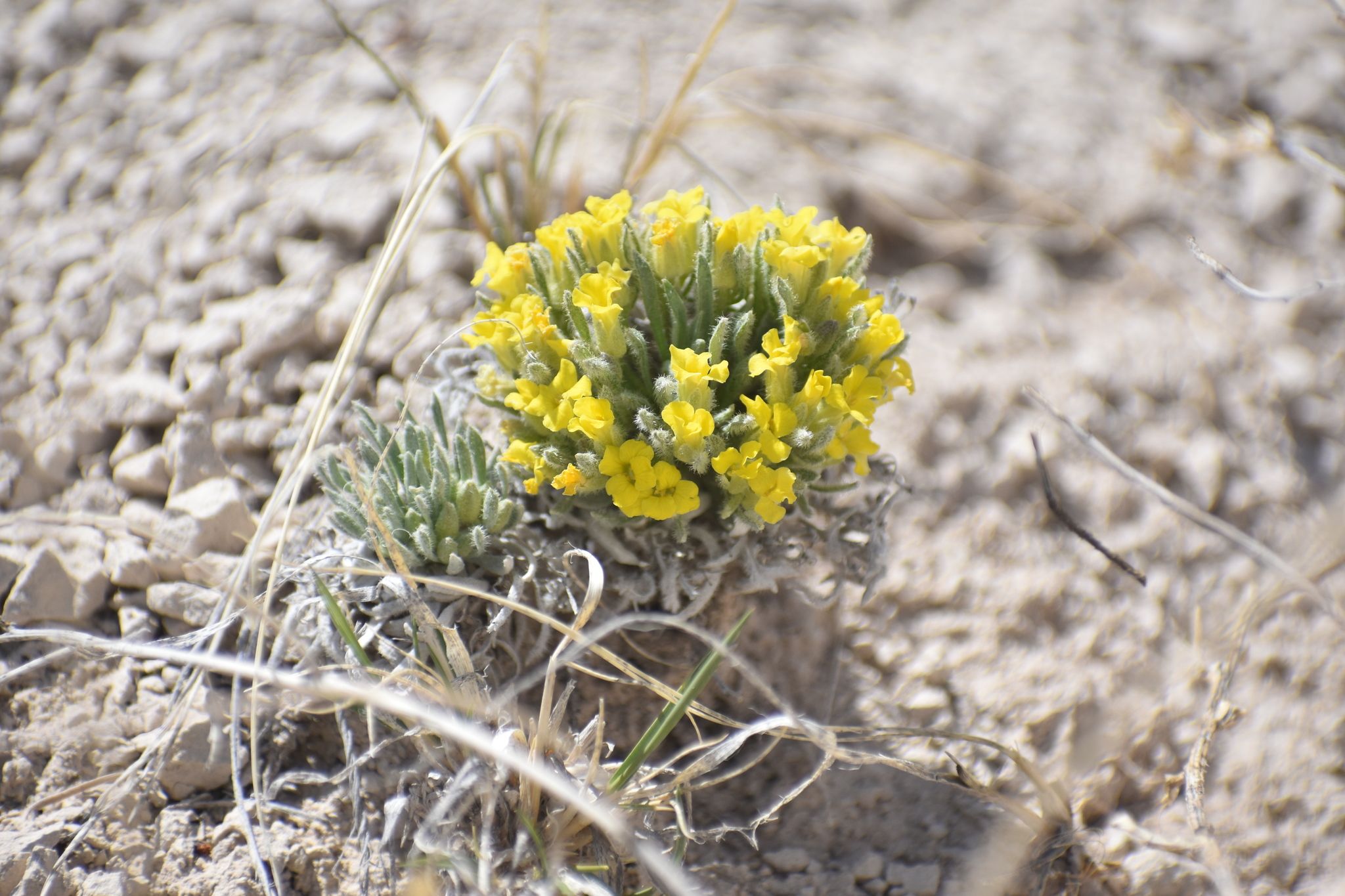
Bladderpods (*Physaria* (annual types; some species))
https://www.inaturalist.org/photos/118609884 Photo: (c) Stephen Hauptli, some rights reserved (CC BY-NC) | CC-BY-NC | iNaturalist

FAST FACTS

Quick Details

Essential stats and requirements for quick reference.

Also known asBladderpod
Bloom windowSpring into summer (varies by species and site)
Typical heightLow to medium (varies by species)
Pollinators supportedBees, Butterflies
Light & moistureSun; let soil dry a bit between waterings once established.
Best roles for pollinatorsSunny beds, borders, and containers where you want bright color and a simple pollinator-friendly planting.

SUMMARY

If You Remember Three Things

A quick scan of what they do, what they need, and the best first step.

What they do

Bladderpods add easy, sunny-season blooms that can help make your garden more pollinator-friendly.
What they need

A bright spot with well-drained soil and simple, steady care—especially while young.

One best action

Plant a small cluster in full sun and skip pesticides while it’s blooming.

IMPACT

Why Plant This?

Bladderpods are a practical choice for adding pollinator-friendly blooms to small spaces. They’re especially useful when you want something bright, simple, and easy to fit into a bed or pot.
Many plants in the mustard family have small flowers that look best (and are easiest for pollinators to find) when planted in groups.

Key Impacts

What it Supports

  • A small patch of flowers can make outdoor spaces feel more alive and welcoming.
  • Planting annual wildflowers is a simple way to try pollinator-friendly gardening without a big commitment.
  • Containers and small beds can still contribute—every little planting helps.

RECOGNITION

Identification Guide

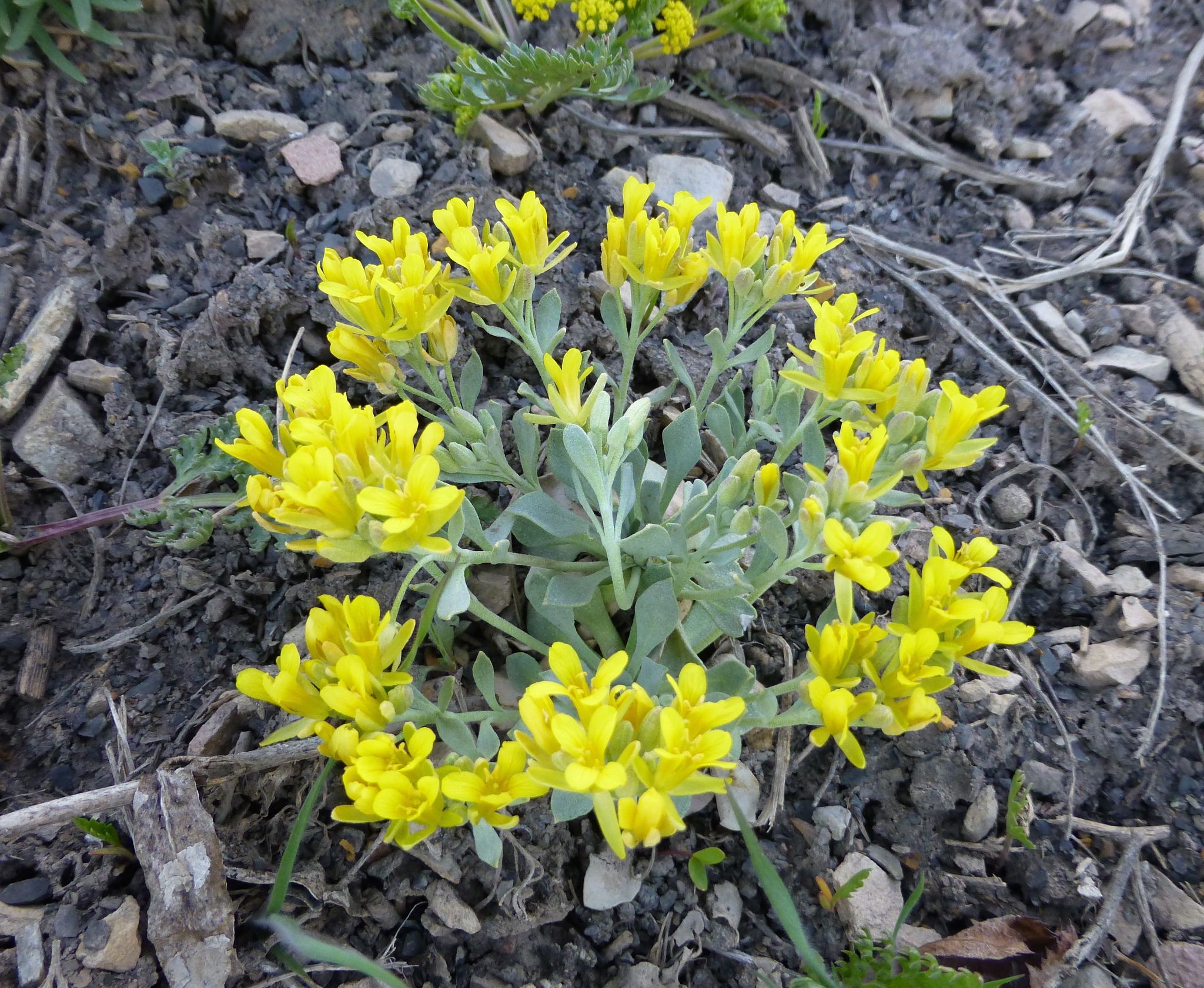
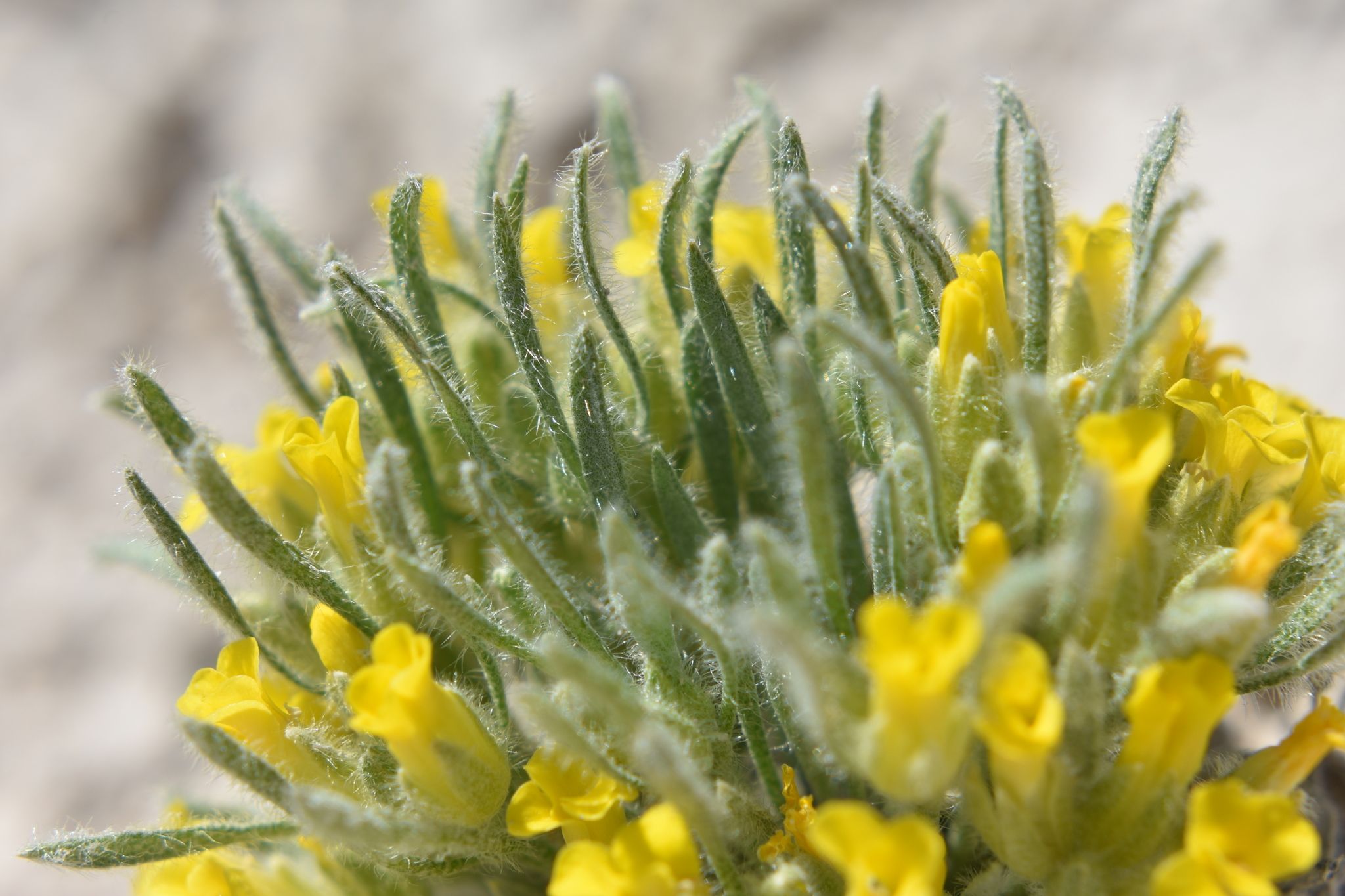
Bladderpods are best recognized by their clusters of small yellow flowers and their distinctive seed pods (the “bladder” part of the name). Exact details vary by species.

Leaves

Leaf shape and texture vary by species; plants often form a neat, low clump or small mound.

Flowers

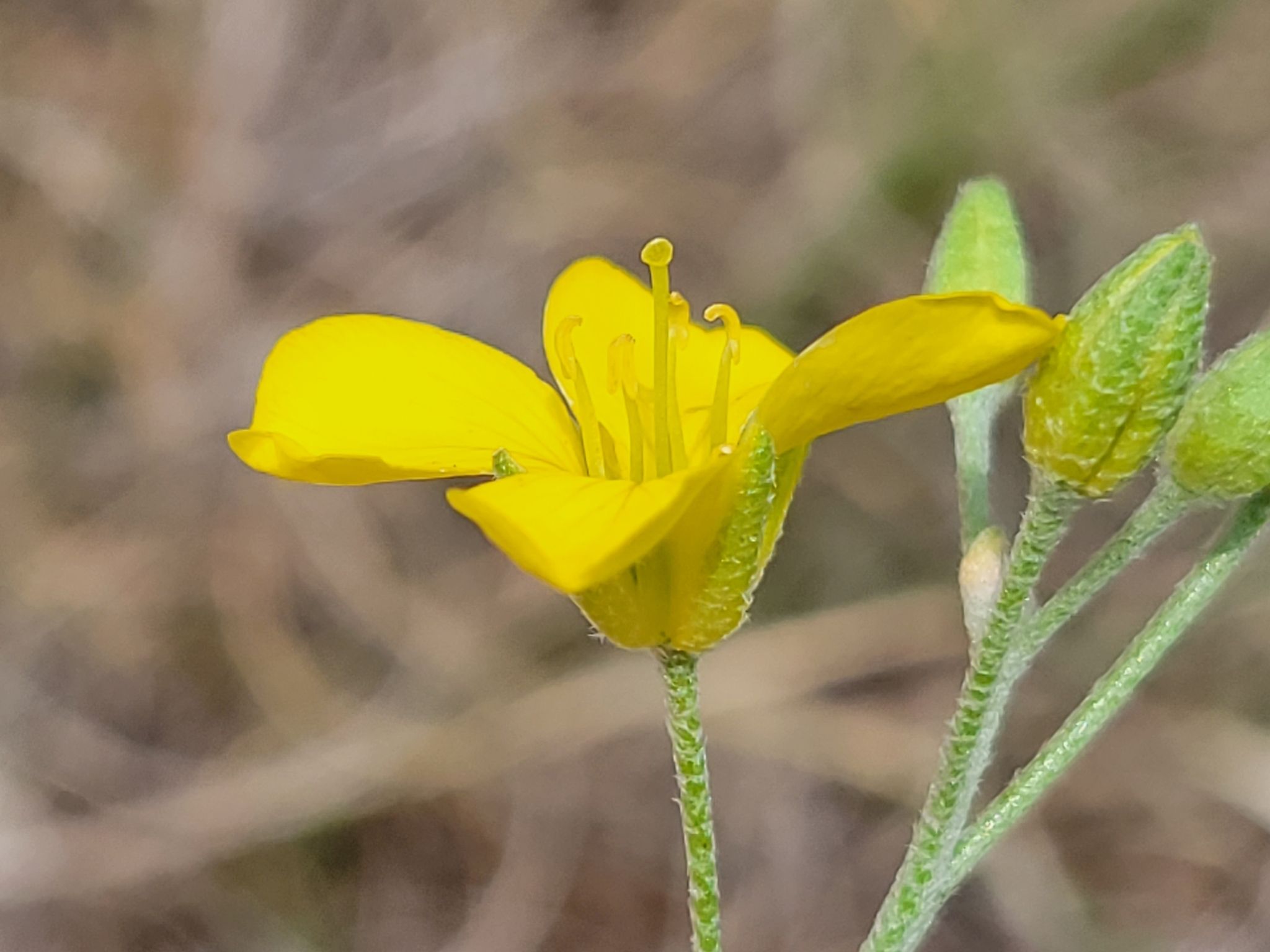
Small, bright yellow flowers in clusters; individual blooms are simple and easy to recognize as “mustard-like.”

Fruits

Seed pods often look inflated or bladder-like later in the season.
Bladderpods (*Physaria* (annual types; some species))
https://www.inaturalist.org/photos/118609915 Photo: (c) Stephen Hauptli, some rights reserved (CC BY-NC) | CC-BY-NC | iNaturalist
Bladderpods (*Physaria* (annual types; some species))

LOCATION

Where It Grows

Native environments and the best spots to place it in your landscape.

Habitats

  • Open, sunny areas
  • Well-drained sites

Where it is often used

  • Pollinator-friendly container planting
  • Sunny border or edging plant
  • Small “patch” in a school or community garden
  • Filling gaps for seasonal color

SEASONALITY

When It Blooms

Notes on bloom windows and how this plant helps pollinators across the seasons.

Bloom window

Bloom timing depends on the species and local conditions, but annual bladderpods often flower from spring into summer.

Bloom Season Role: Adds bright, early-to-mid season color when many gardens are just getting started.

Seasonal benefits

  • Helps kick off the flowering season in a garden
  • Pairs well with later-blooming plants to keep flowers available longer

REQUIREMENTS

What It Needs

The right mix of sun, soil, and space for healthy growth.

Sun exposure

Choose a bright, sunny spot for best flowering.

Soil type

Well-drained soil is key; avoid places where water sits after rain.

Moisture needs

Water regularly while plants are getting established, then water only when the soil is drying out.

Planting method

Plant in small groups for a stronger display and easier pollinator access. Containers work well if they drain freely.

Mulching tips

Use a light mulch if needed to reduce weeds, but keep mulch from piling up against the stems.

GARDENING GUIDE

How to Grow It

Simple steps to plant, prune, and maintain healthy trees without pesticides.

Planting tips

  • Pick a sunny spot (or a pot with drainage holes).
  • Loosen the soil and remove weeds so seedlings aren’t crowded.
  • Plant in a small cluster rather than a single plant for a fuller look.
  • Water gently after planting and keep the soil lightly moist until established.
  • Once growing well, let the top of the soil dry a bit between waterings.

Seasonal care

  • Weed lightly while plants are small so they don’t get shaded out.
  • Avoid insect sprays, especially while flowers are open.
  • If you want a tidier look, remove spent blooms; if you want seed pods, let some flowers finish naturally.
  • In containers, check moisture more often—pots dry out faster than garden beds.

What not to do

  • Planting in heavy soil where water pools.
  • Keeping the soil constantly wet.
  • Spraying for insects during bloom.
  • Planting a single plant and expecting a big show.

Pairings

Best Pairings for Season-Long Bloom

Pairing ideas to keep pollinators fed throughout the growing season.

Early Bloom

  • Early-blooming native wildflowers suited to your area

Mid-Season Bloom

  • Other sunny annual wildflowers
  • Low-growing herbs that flower (choose pesticide-free options)

Late-Season Bloom

  • Late-summer and fall-blooming flowers to extend the season
“Bladderpods” can refer to different Physaria species. If you’re aiming for local native plants, look for a species recommended for your region and choose pesticide-free sources when possible.

GLOSSARY

Key Terms

A few quick terms you might see when shopping for plants or reading plant tags:

Glossary terms are being added.

What You Can Do

Make a difference for native habitats.

Turn this knowledge into action. Whether you plant a single pot or a whole garden, you are building a vital bridge for local biodiversity.

Join the movement to restore our shared habitats.

Pollinators supported

Species that benefit from this plant

Pollinator links are being added for this plant.

Regions

Where this plant is native

Regional links are being added for this plant.