
What they do
Clarkias add fast, colorful blooms that can support a variety of flower visitors in gardens and containers.
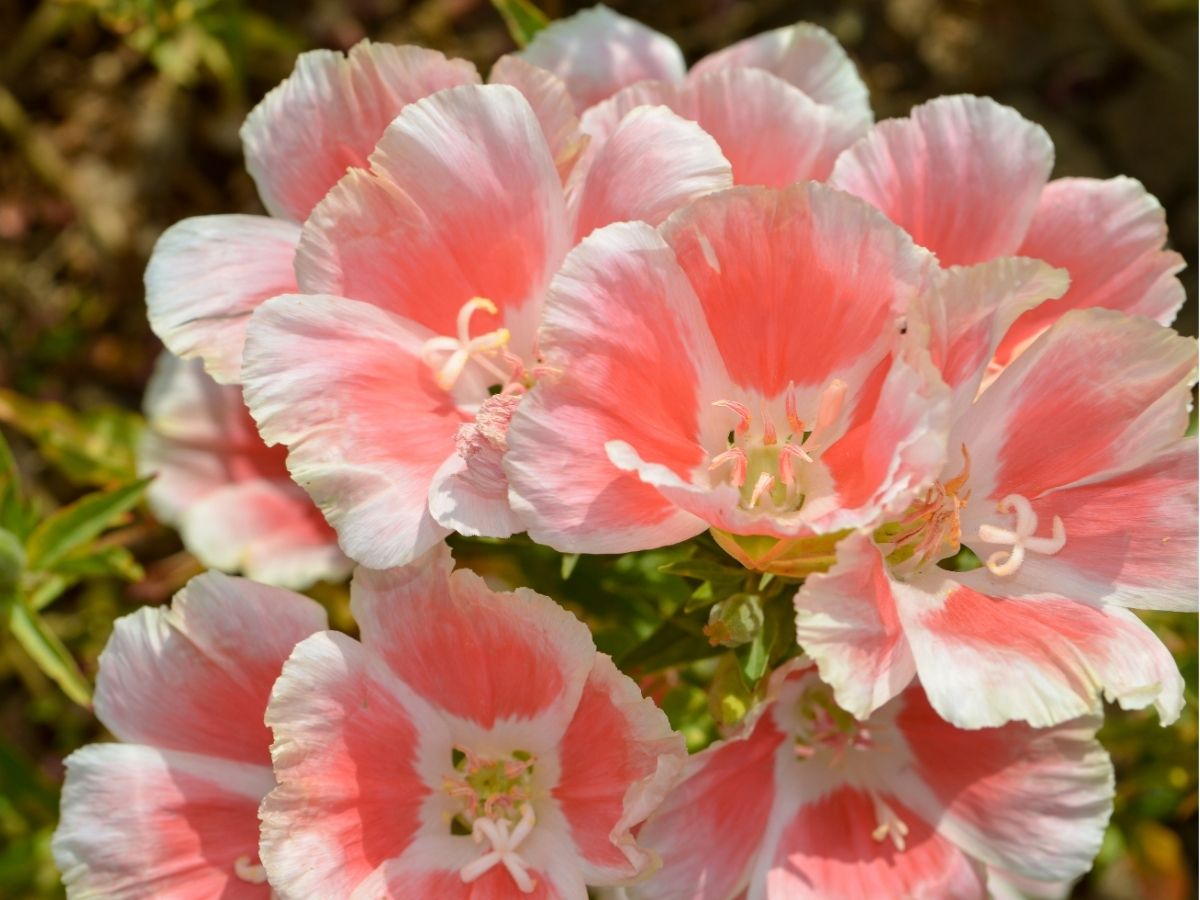
Genus Clarkia
Clarkias are cheerful, easy-to-grow wildflowers in the genus Clarkia, known for silky, colorful blooms that can brighten beds, borders, and containers while offering nectar and pollen for visiting insects.
Plant Type
Wildflowers (annuals/biennials) > Clarkias
Aliases
Clarkia
Native Range
Western North America (varies by species)
Bloom window
Spring through summer (varies by species and planting time)
OVERVIEW
Clarkias are a friendly entry point into wildflowers: they’re colorful, quick to bloom, and easy to fit into small spaces. A short row along a fence, a corner of a school garden, or a single pot can turn into a bright patch that gets regular insect visits.
If you’re planting in a pot:
You can either:
If you’re growing clarkias for pollinators, skip broad sprays. Most small pest issues can be handled with spacing, hand removal, or a quick rinse of water—especially on young plants.
FAST FACTS
Essential stats and requirements for quick reference.
| Category | Details |
|---|---|
| Also known as | Clarkia |
| Bloom window | Spring through summer (varies by species and planting time) |
| Typical height | Low to medium (varies by species and variety) |
| Pollinators supported | Bees, Butterflies, Flies |
| Light & moisture | Sun to part sun; best in well-drained soil with moderate moisture |
| Best roles for pollinators | Quick seasonal color, easy wildflower patches, and pollinator-friendly containers |
SUMMARY
A quick scan of what they do, what they need, and the best first step.
Clarkias add fast, colorful blooms that can support a variety of flower visitors in gardens and containers.
Light, well-drained soil, plenty of sun, and gentle watering while seedlings establish.
Direct-sow seeds where you want them, press them in lightly, and keep the surface evenly moist until sprouts appear.
IMPACT
Key Impacts
RECOGNITION
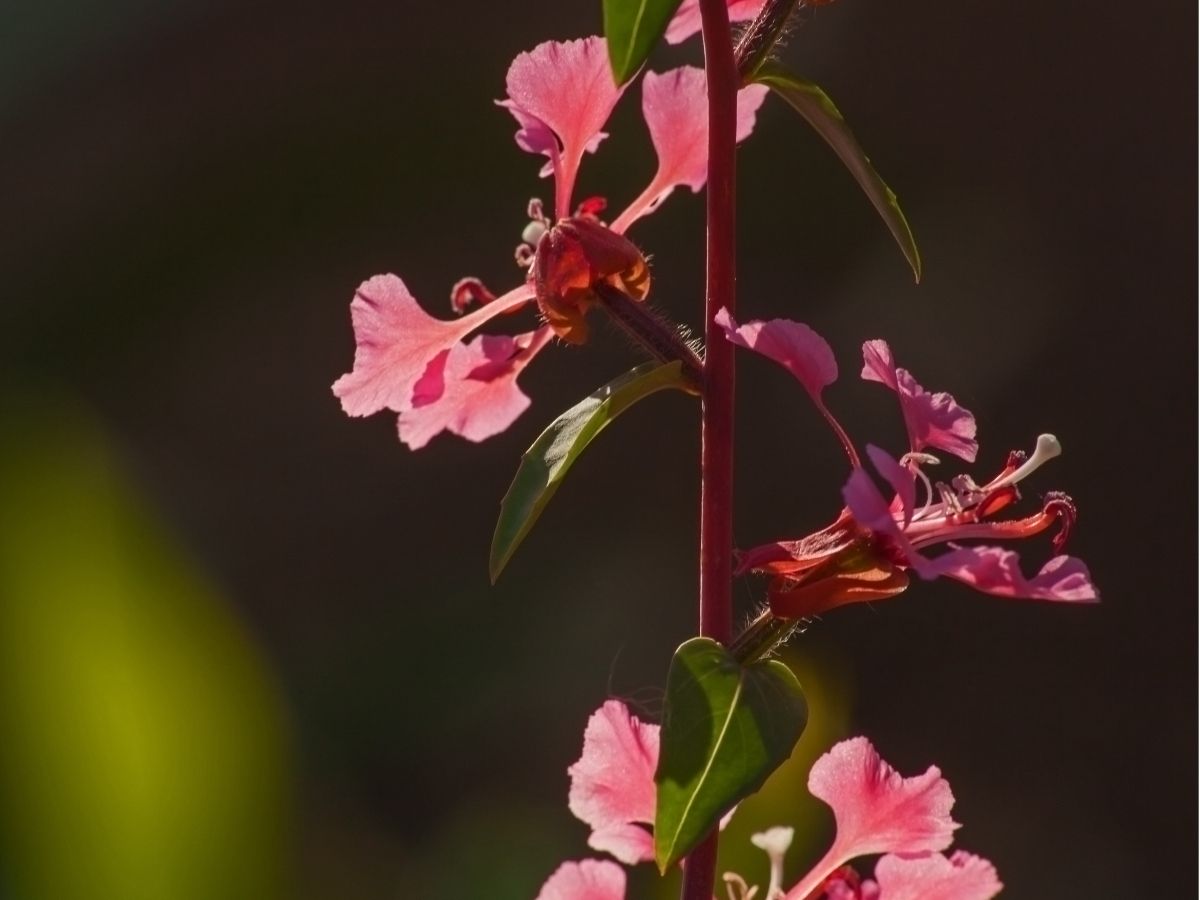
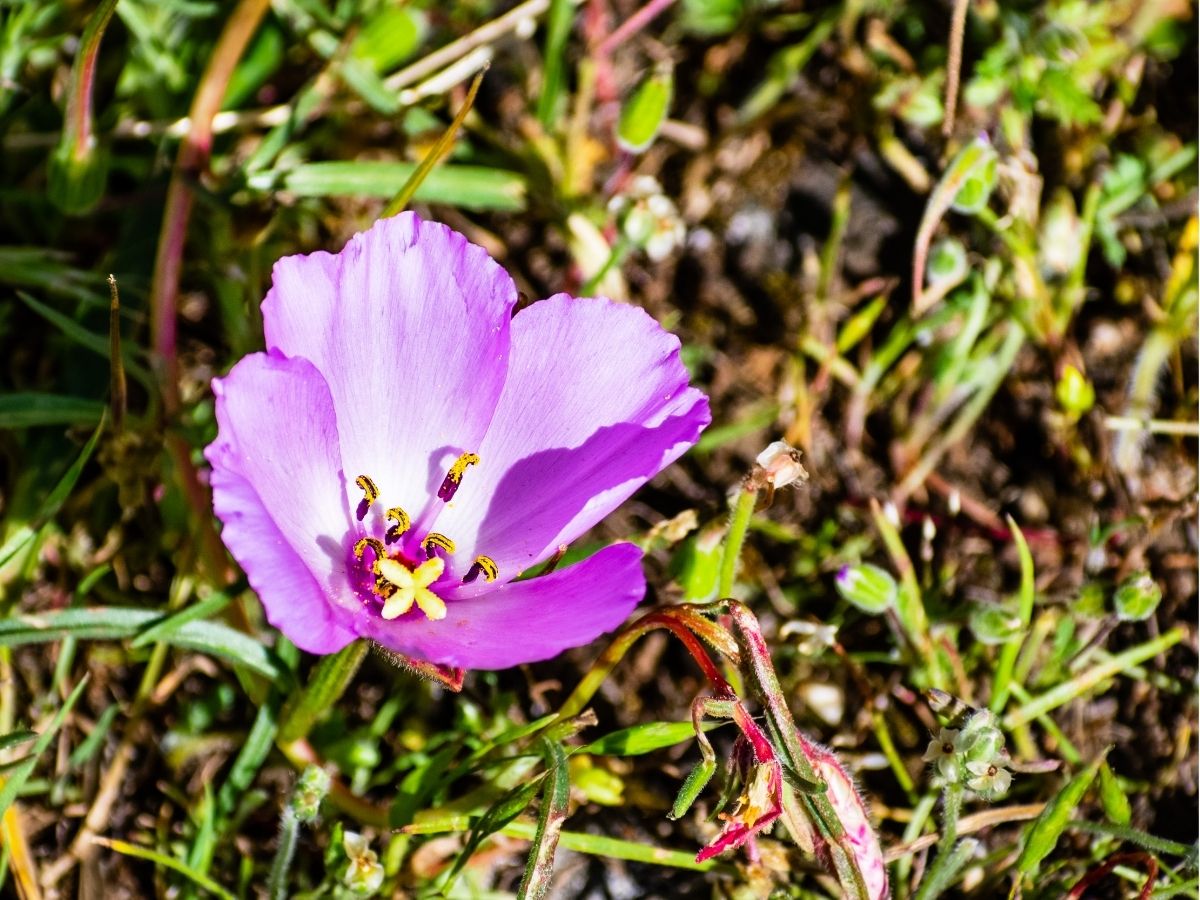
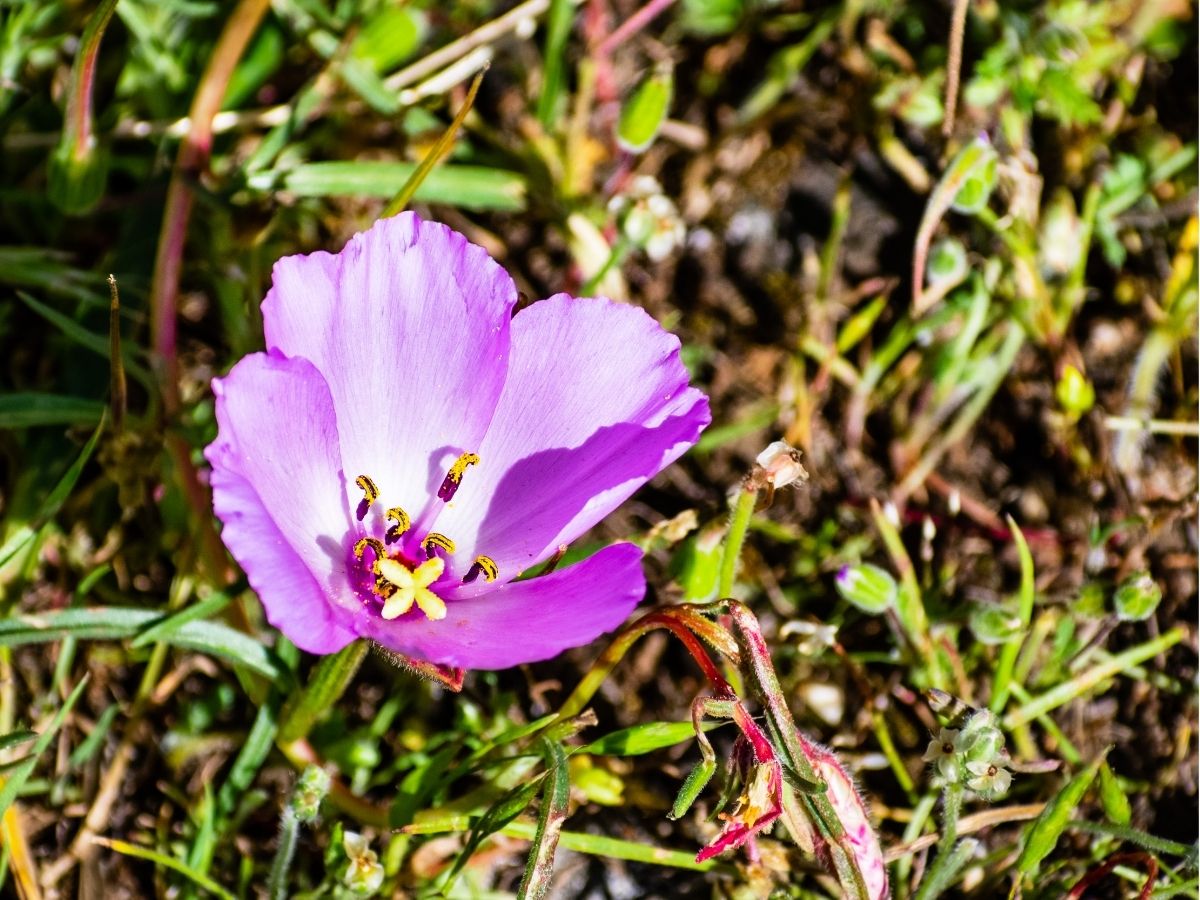
Narrow to lance-shaped leaves along slender stems; overall look is light and airy.
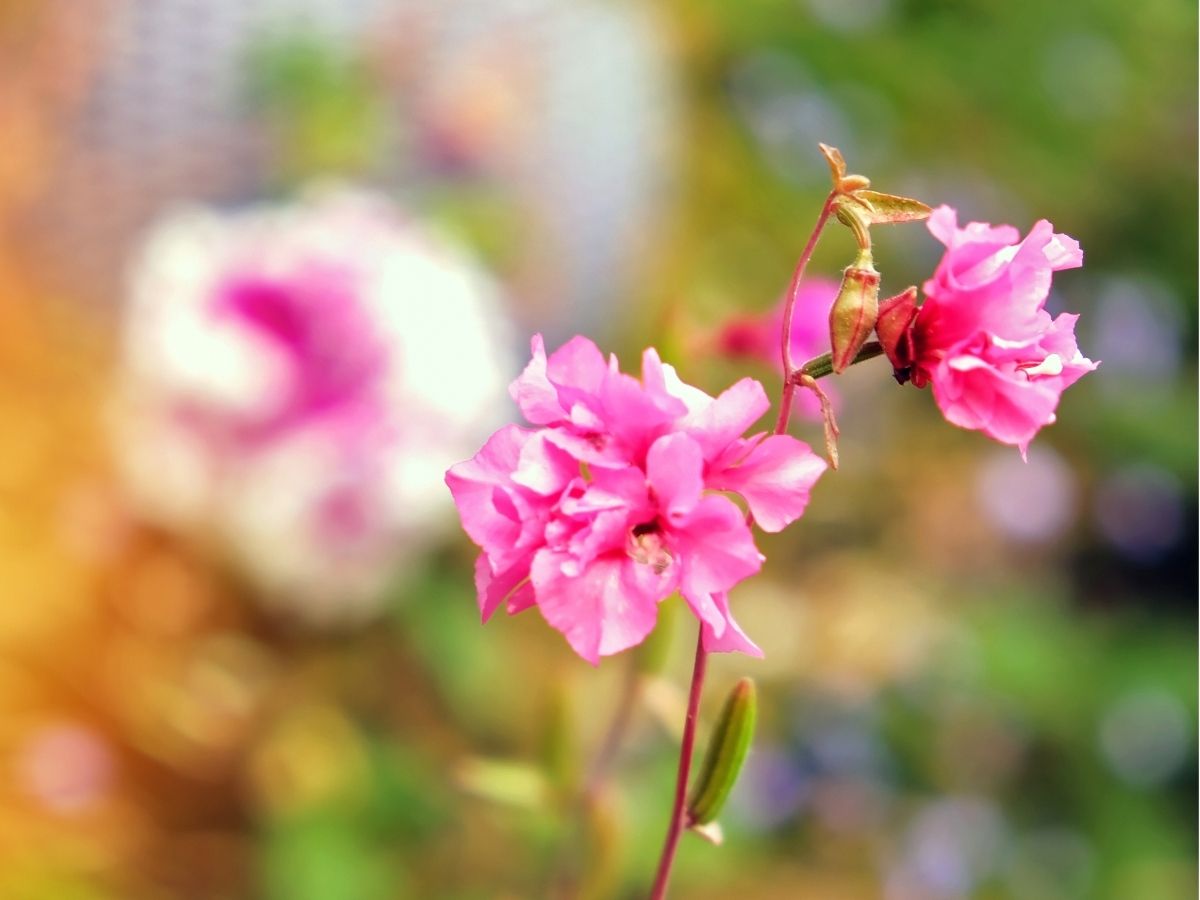
Showy, satiny blooms in bright colors; often with distinct petal shapes or markings depending on species/variety.
After flowering, forms small seed capsules that dry and release seed when mature.
LOCATION
Native environments and the best spots to place it in your landscape.
SEASONALITY
Notes on bloom windows and how this plant helps pollinators across the seasons.
Clarkias are typically a spring-to-summer bloomer, with timing depending on when you sow and local conditions.
Bloom Season Role: Fills in with bright, mid-season color and frequent flower visits
REQUIREMENTS
The right mix of sun, soil, and space for healthy growth.
Best in full sun; part sun can work, especially in hot spots where afternoon shade helps.
Well-drained soil is key. Average garden soil is usually fine; avoid heavy, constantly wet areas.
Water gently after sowing and during early growth. Once established, water when the top layer of soil dries out; avoid keeping soil constantly wet.
Direct-sow seeds where you want them. Press seeds into the soil surface or cover very lightly, then keep the surface evenly moist until seedlings are up. Thin seedlings so plants have room to branch and bloom.
Use a light mulch only after seedlings are established; heavy mulch can smother tiny sprouts.
GARDENING GUIDE
Simple steps to plant, prune, and maintain healthy trees without pesticides.
Pairings
Pairing ideas to keep pollinators fed throughout the growing season.
GLOSSARY
Glossary terms are being added.
What You Can Do
Turn this knowledge into action. Whether you plant a single pot or a whole garden, you are building a vital bridge for local biodiversity.
Join the movement to restore our shared habitats.
Pollinators supported
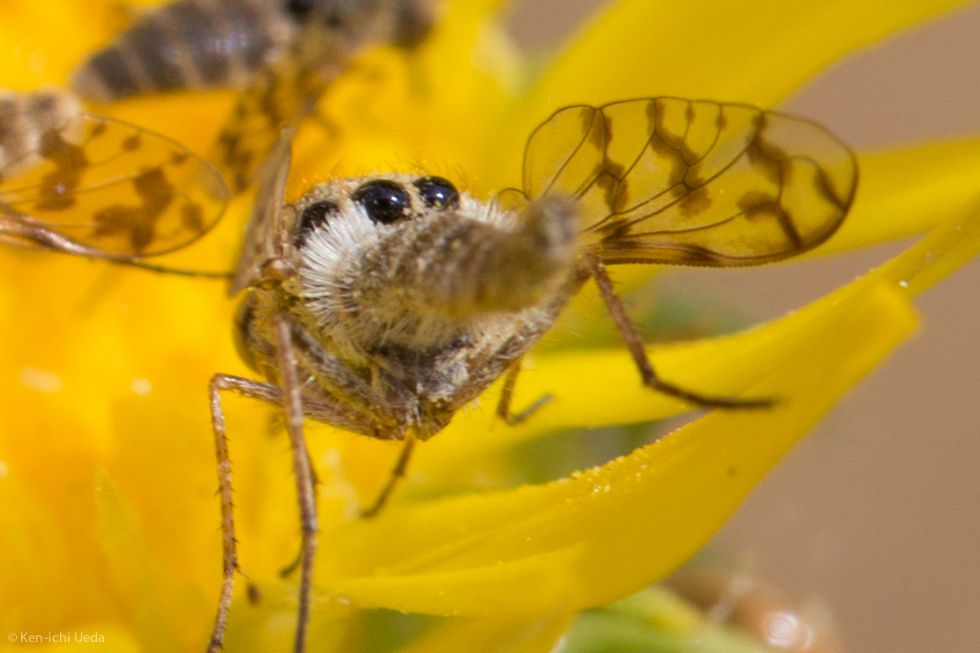
Adults visit flowers for nectar and can move pollen between blooms; their presence is a sign of diverse, functioning habitats.
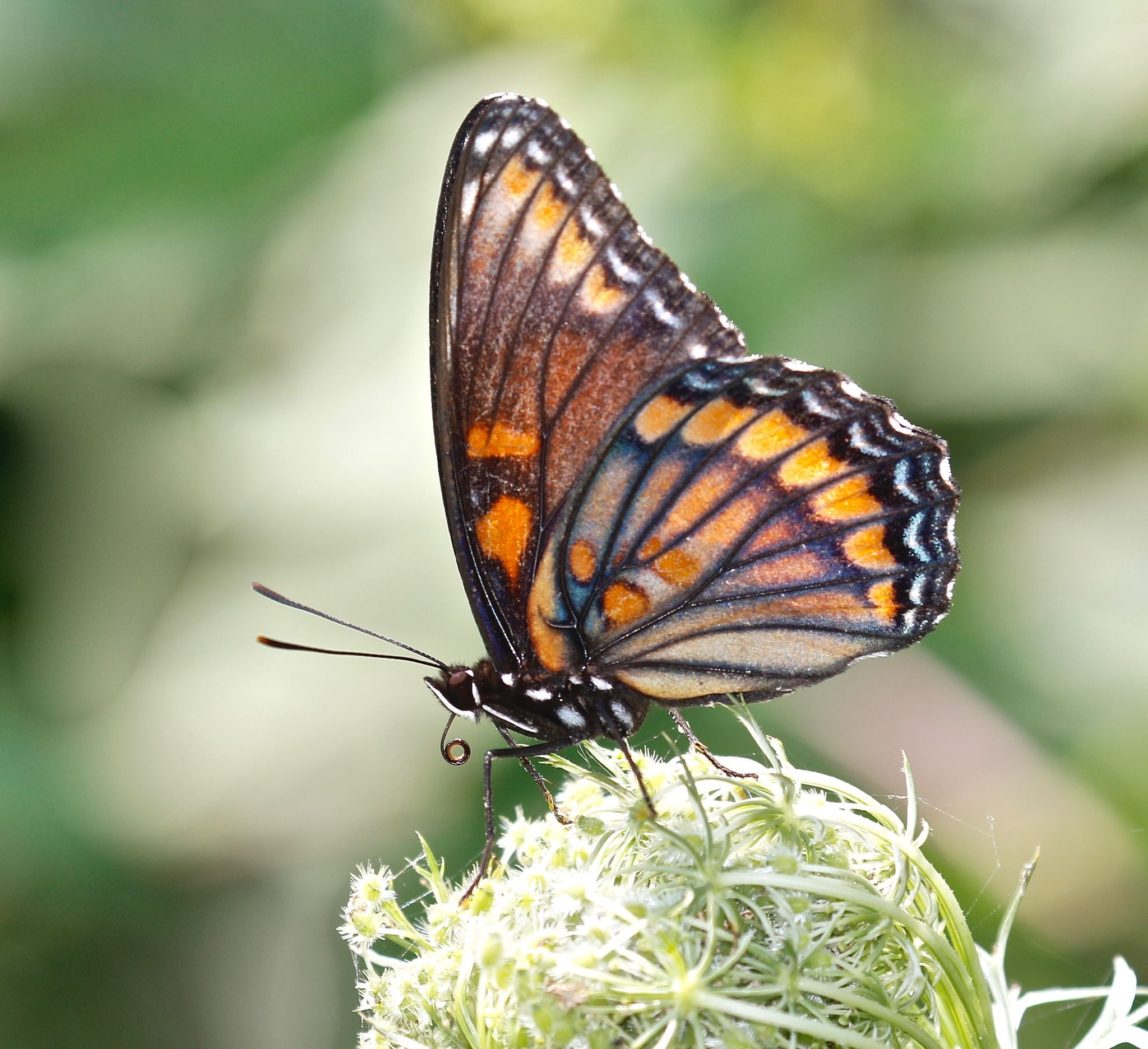
Many brushfoots move pollen between flowers as they feed, and their caterpillars are part of healthy food webs.
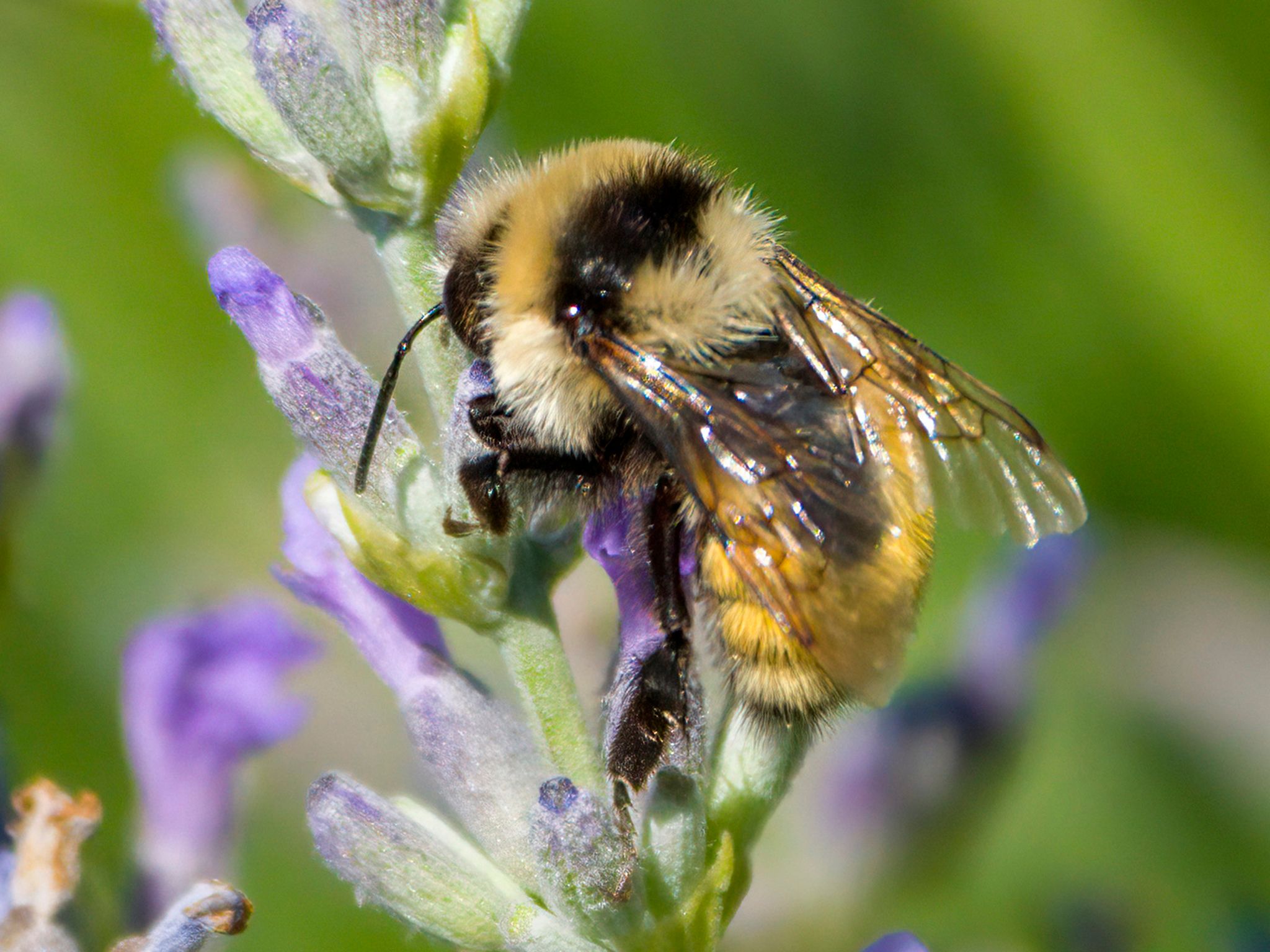
Bumble bees are important pollinators of many wildflowers and garden plants, helping ecosystems and food crops reproduce.
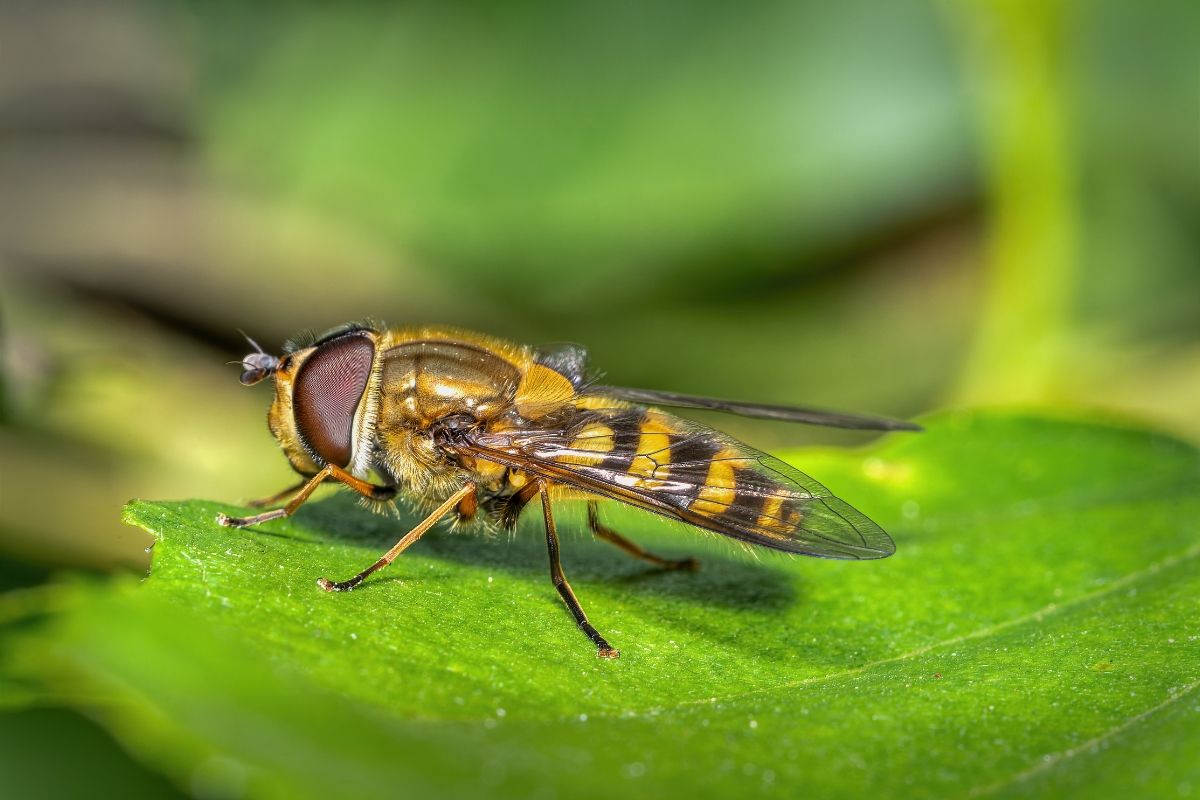
Adults visit flowers for nectar and pollen, and many species’ larvae help keep plant-eating pests in check.
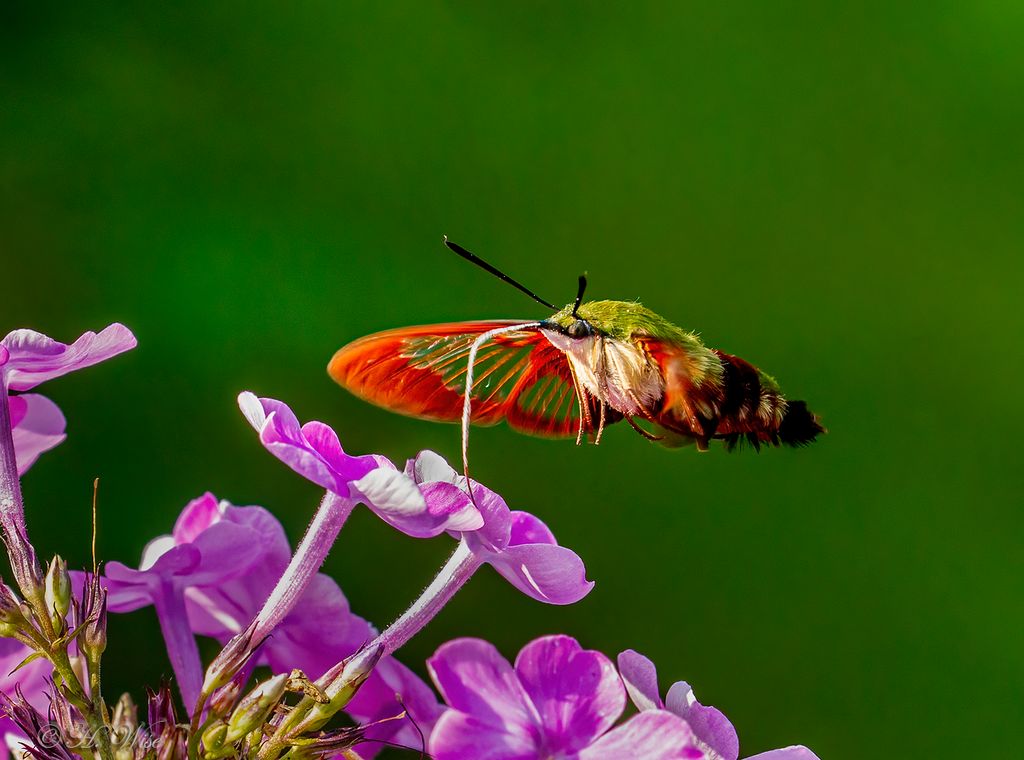
They can move pollen between flowers while feeding on nectar, especially for blooms that open or scent up in the evening.
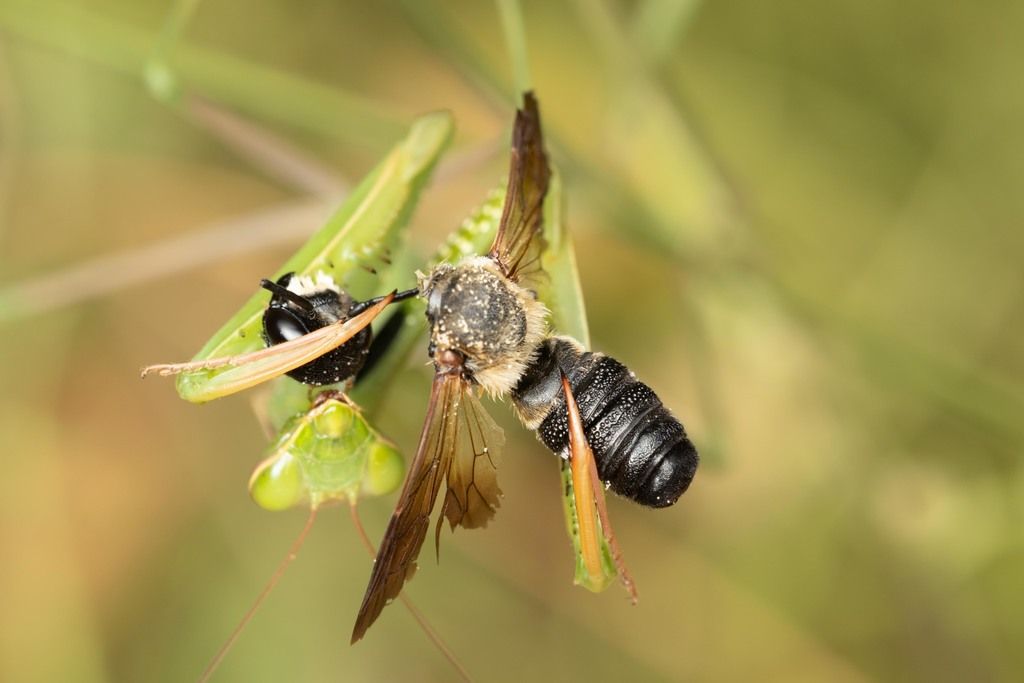
They move pollen between flowers while foraging, helping many wild plants and garden plants set seed and fruit.
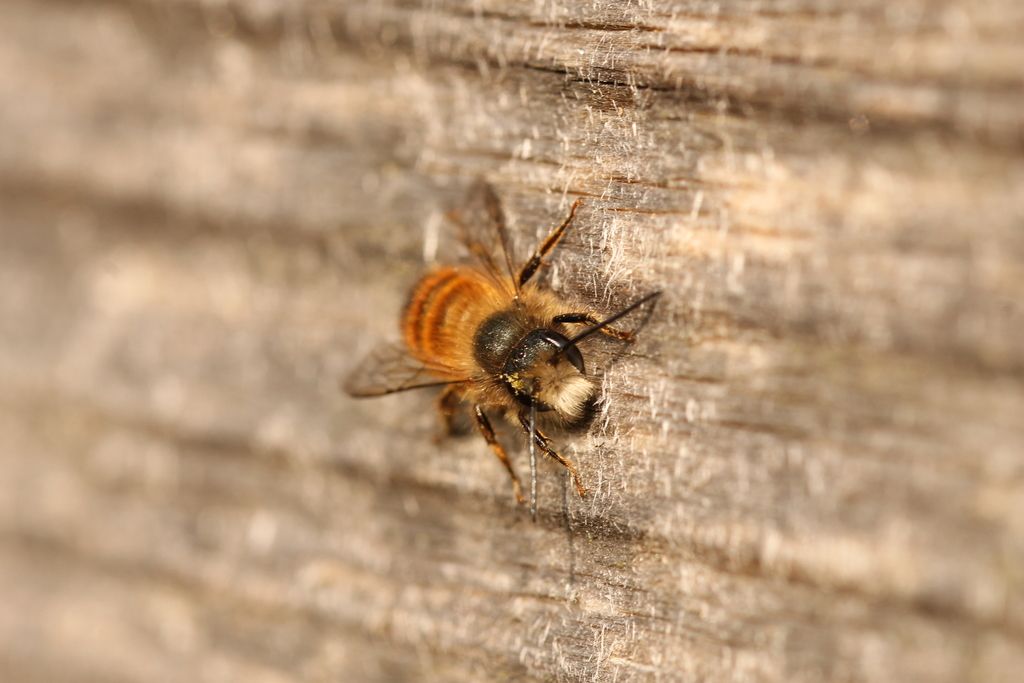
They move pollen between flowers while foraging, helping many wild plants and garden crops set seed and fruit.
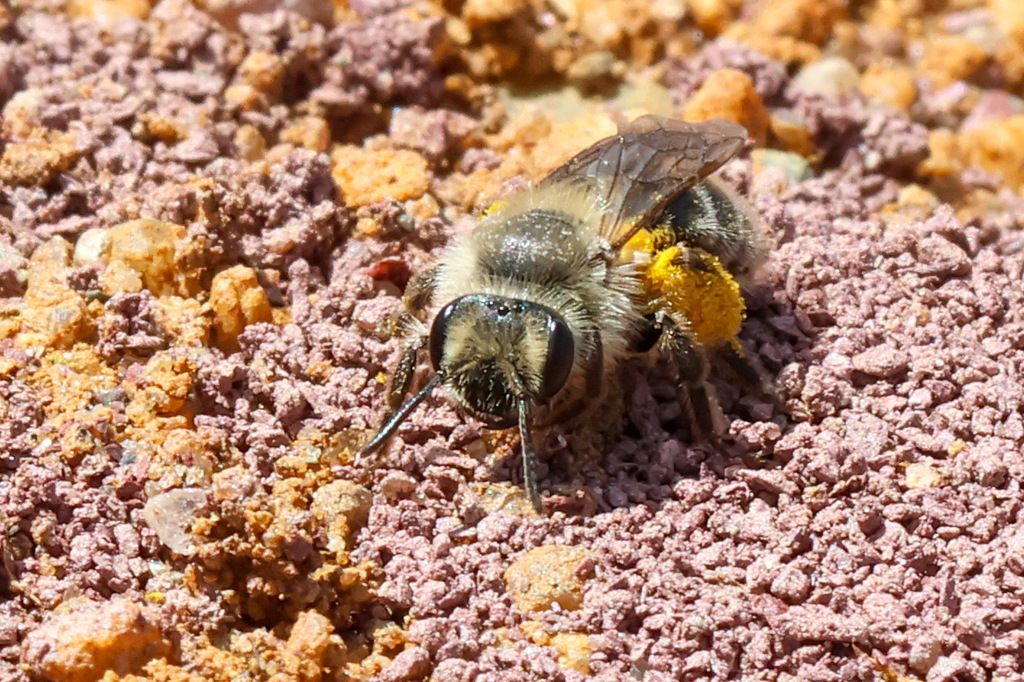
They move pollen between flowers while foraging, helping many wild plants and garden plants set seed and fruit.
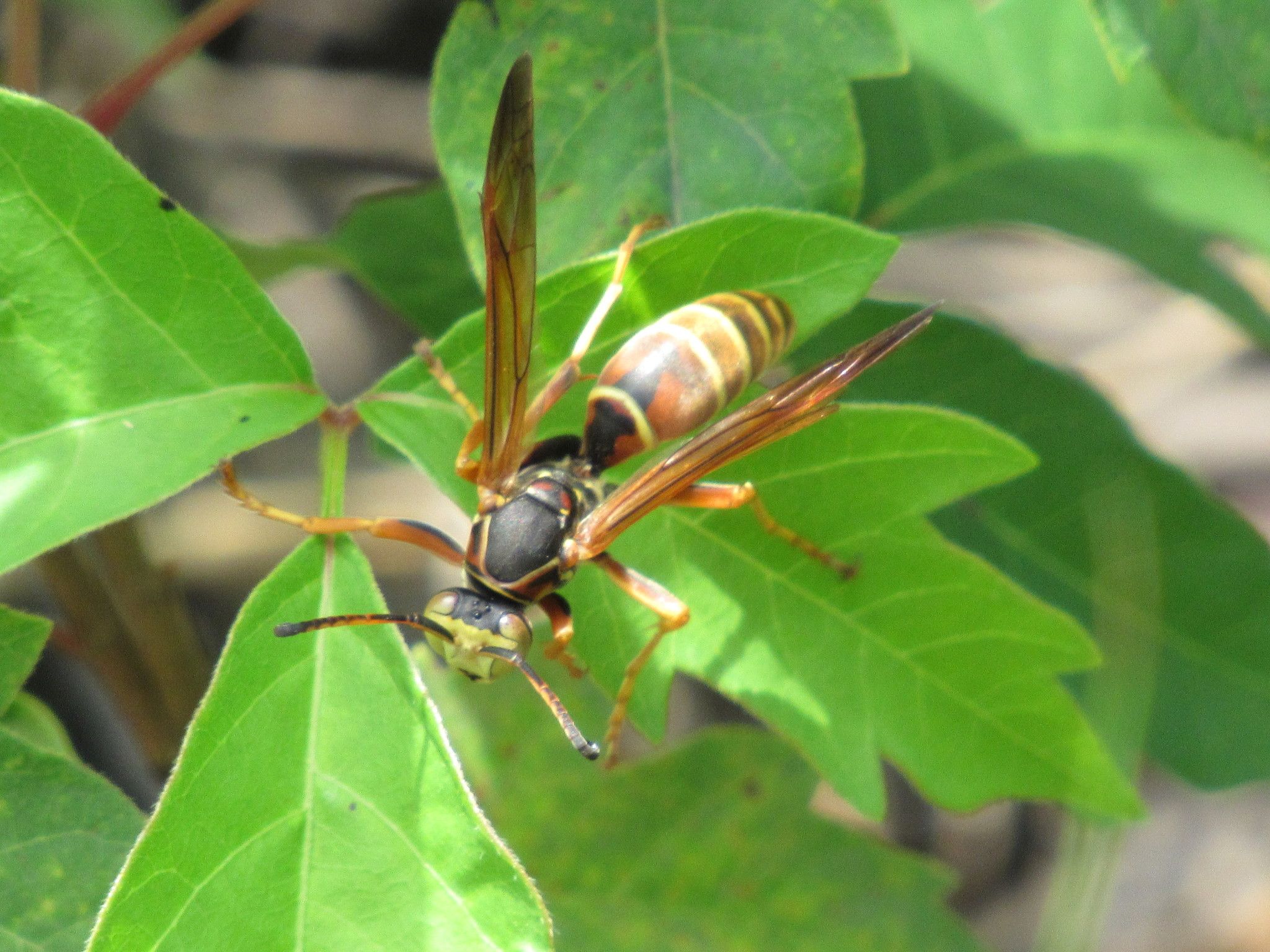
They can move pollen while drinking nectar, and they also help control many plant-eating insects.
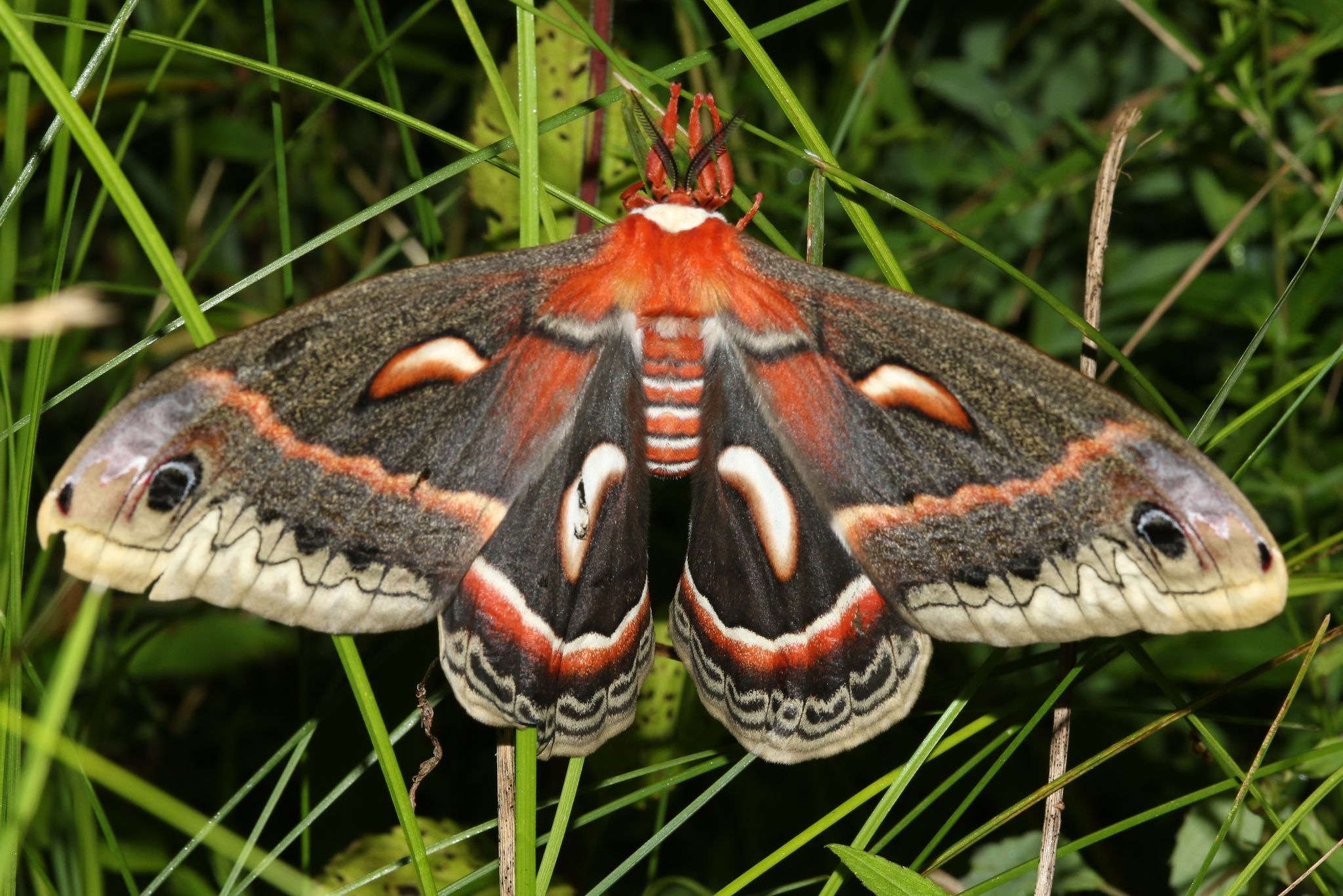
They’re part of healthy food webs and plant communities, and their caterpillars depend on a wide range of native trees and shrubs.
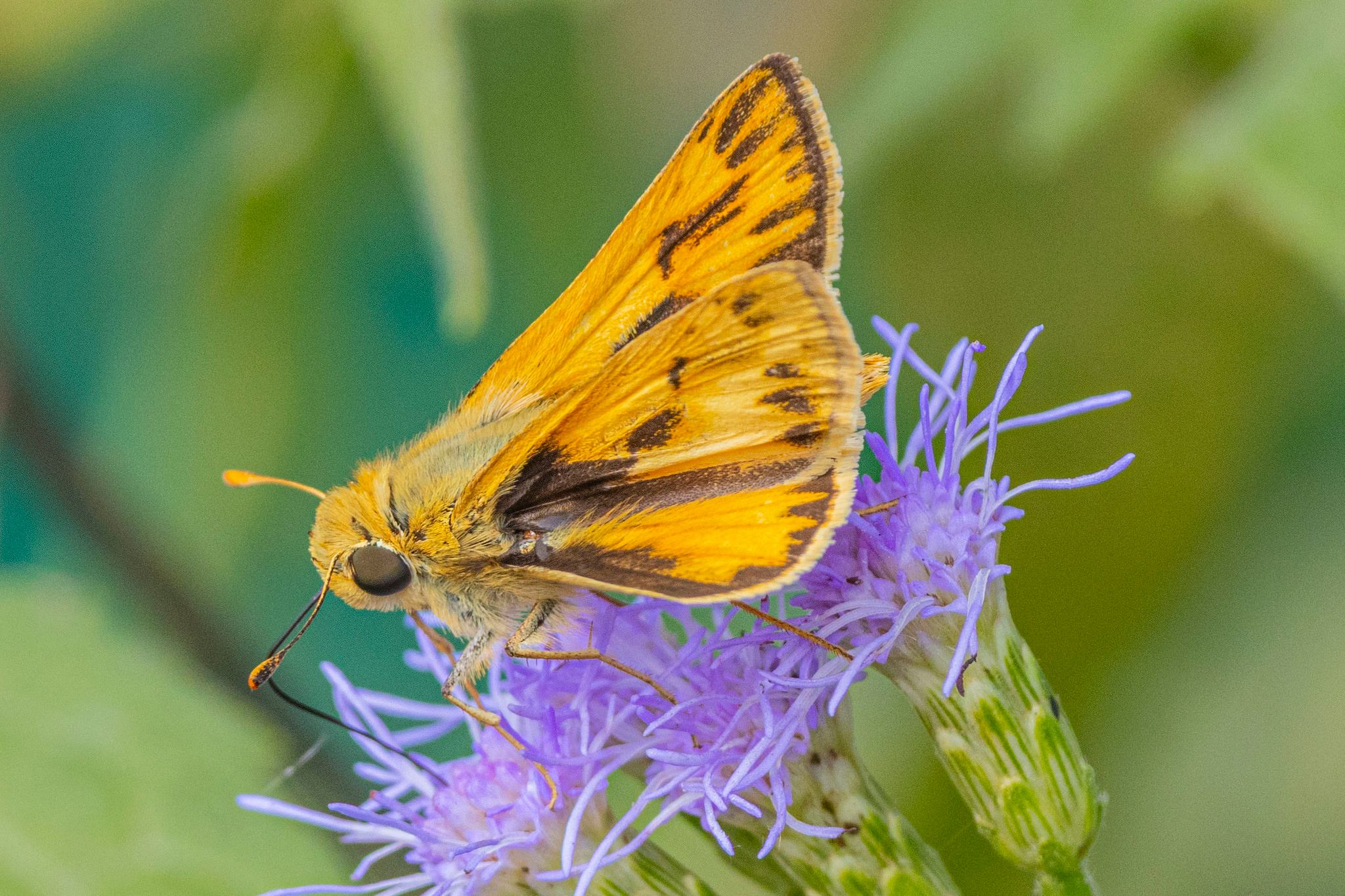
Skippers visit many flowers for nectar and can help move pollen between blooms while they feed.
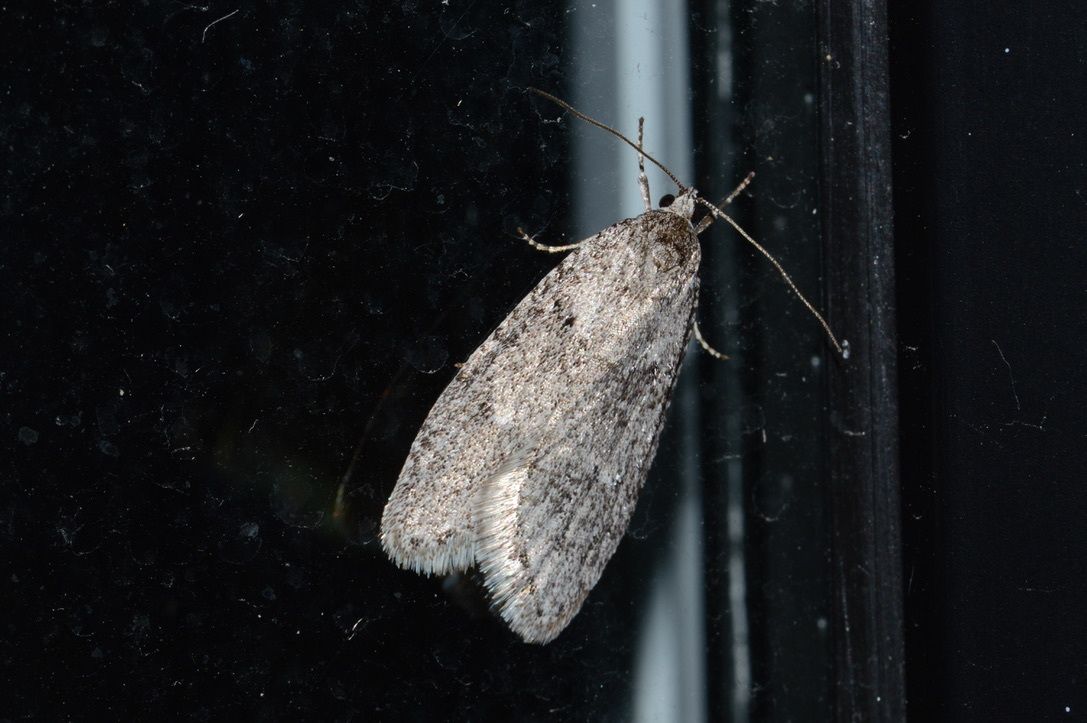
Many small moths move pollen while feeding on nectar, supporting wild plants and garden blooms—especially in the evening and at night.
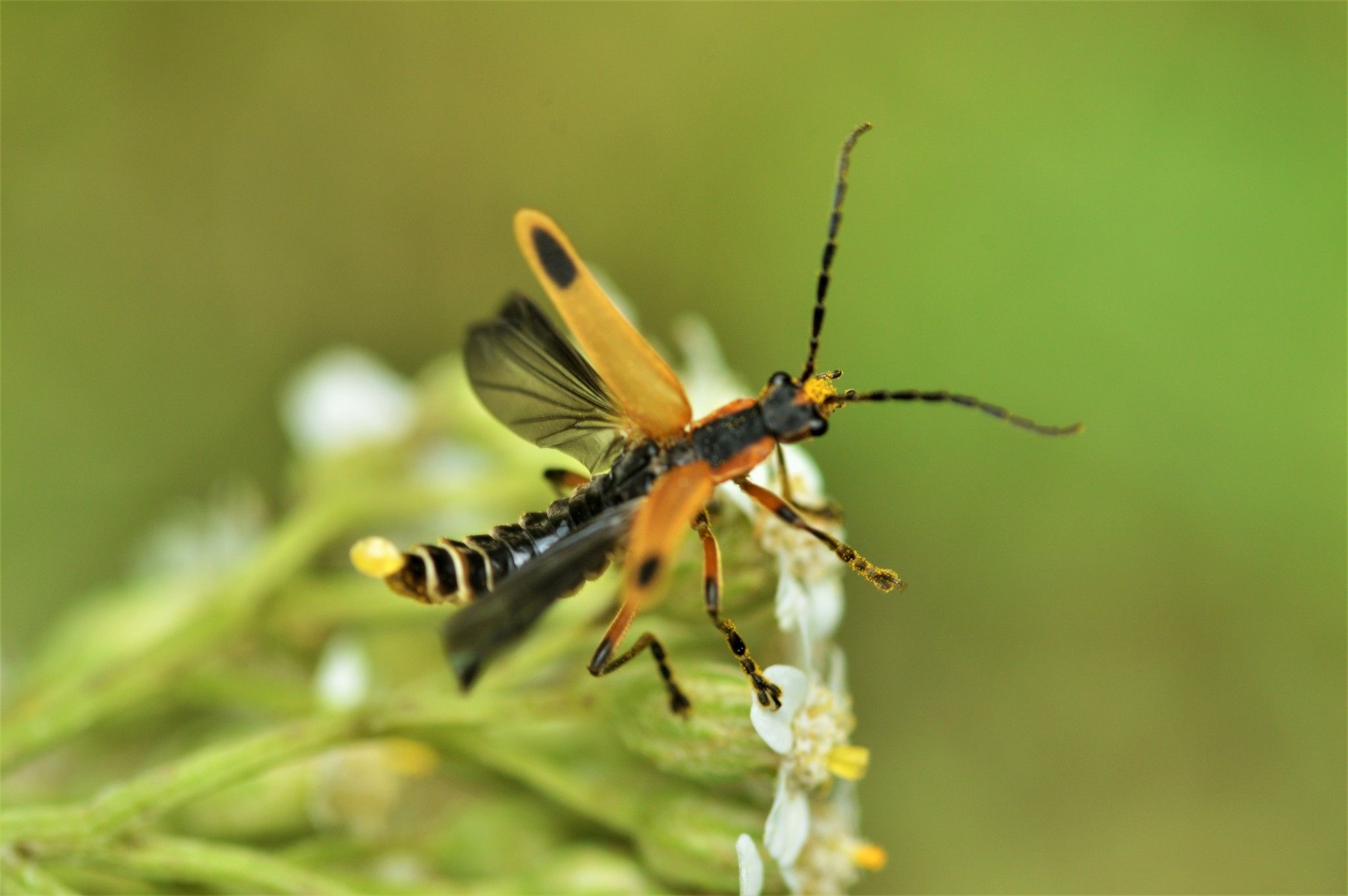
Many adults visit flowers and can move pollen between blooms, while also helping control some garden pests.
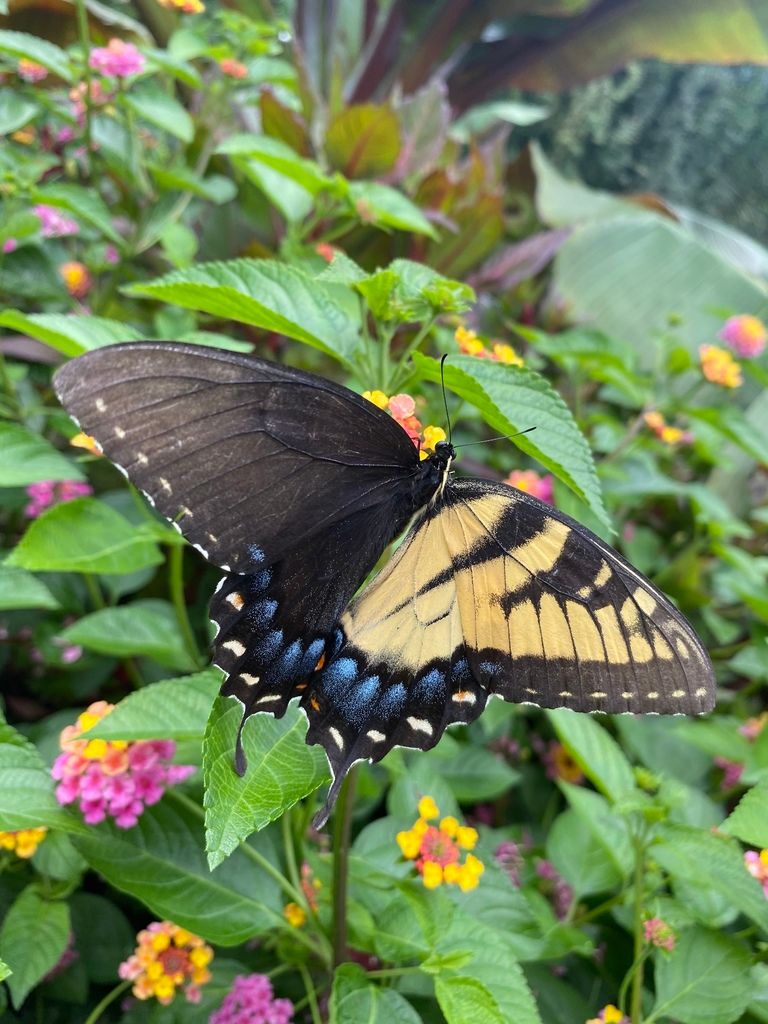
Adult swallowtails visit many flowers for nectar and can help move pollen between blooms as they feed.
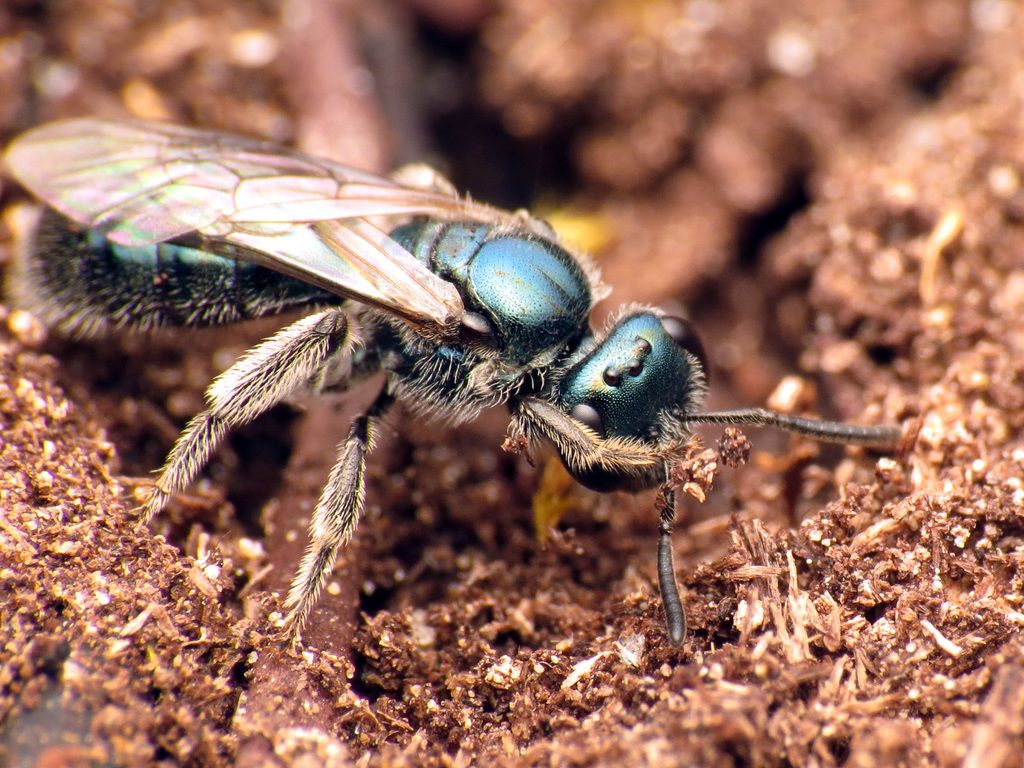
They help move pollen between flowers in gardens, parks, and natural areas, supporting seed and fruit production.
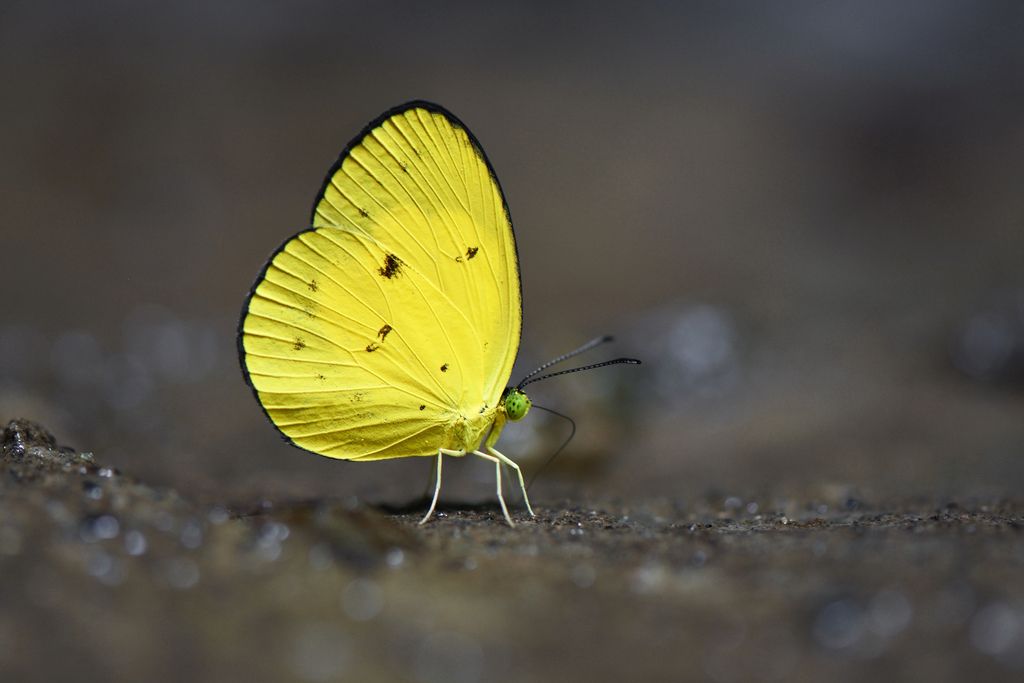
They visit a wide range of flowers for nectar and can help move pollen between blooms as they feed.