
What they do
Clovers provide small, frequent flower clusters that can be easy for many pollinators to visit, and they can help cover bare soil.
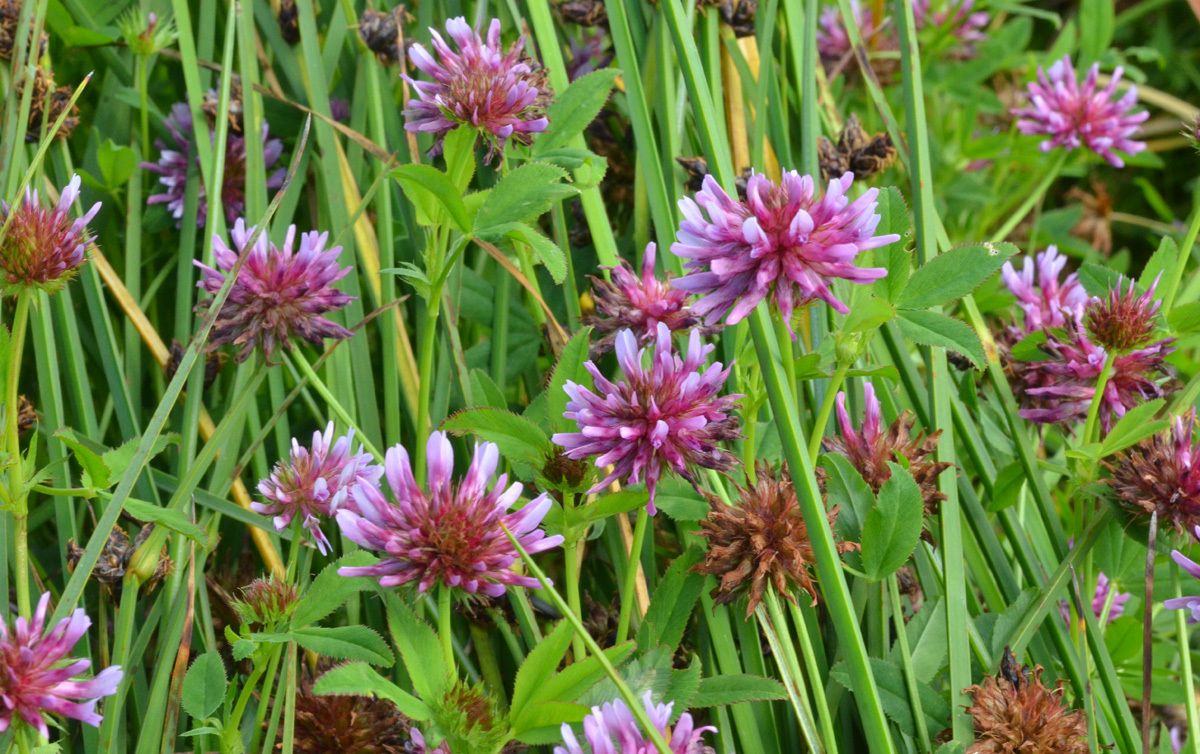
Genus Trifolium
Clovers are small, easygoing plants in the genus Trifolium that can add nectar and pollen to gardens, lawns, and pots while helping cover bare soil.
Plant Type
Wildflowers (annuals/biennials) > Clovers
Aliases
Clover
Native Range
Includes native and commonly grown species; range varies by species
Bloom window
Varies by species; often from late spring through summer
OVERVIEW
Clovers are small plants that can do a lot in a little space. They’re especially useful when you want more flowers in places that are usually just grass or bare soil.
Clovers often bloom more when they get plenty of light and when they’re not cut back too frequently. If you’re using clover in a lawn, the simplest change is to mow higher and less often during bloom.
If you’re building a small pollinator patch, clover can be one piece of the puzzle—especially as a connector plant between bigger, showier flowers. Mix it with a few other bloomers so something is flowering across the season.
FAST FACTS
Essential stats and requirements for quick reference.
| Category | Details |
|---|---|
| Also known as | Clover |
| Bloom window | Varies by species; often from late spring through summer |
| Typical height | Low-growing; height varies by species |
| Pollinators supported | Bees, Butterflies |
| Light & moisture | Best in sun to part sun with evenly moist soil (once established, many handle short dry spells) |
| Best roles for pollinators | Small pollinator patches, lawn alternatives, edges of paths, and filling gaps in sunny beds |
SUMMARY
A quick scan of what they do, what they need, and the best first step.
Clovers provide small, frequent flower clusters that can be easy for many pollinators to visit, and they can help cover bare soil.
Light, room to spread a little, and a mowing/trim schedule that allows flowers to form.
If clover is in your lawn, raise the mower height and mow less often during bloom so pollinators can use the flowers.
IMPACT
Key Impacts
RECOGNITION
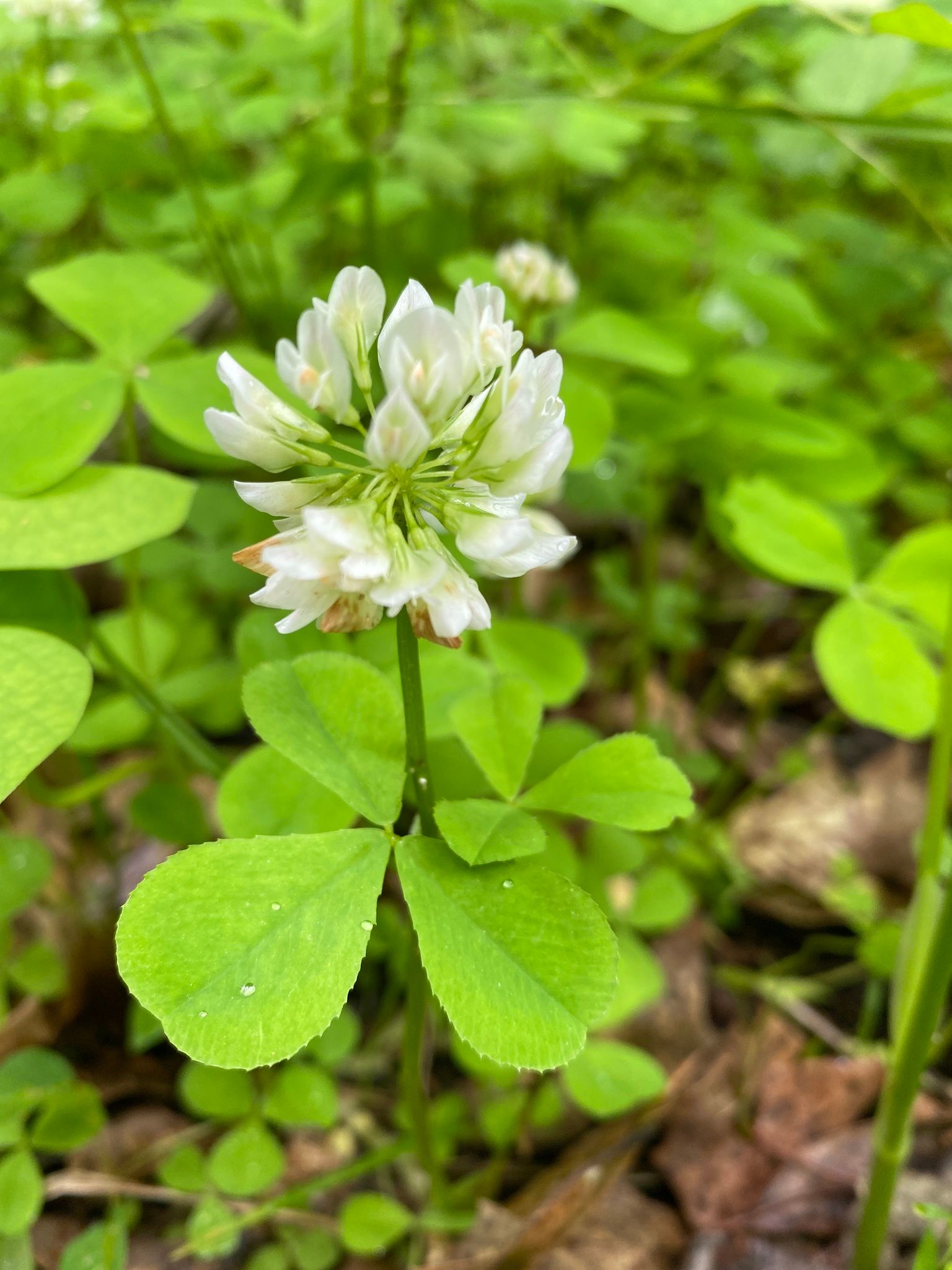
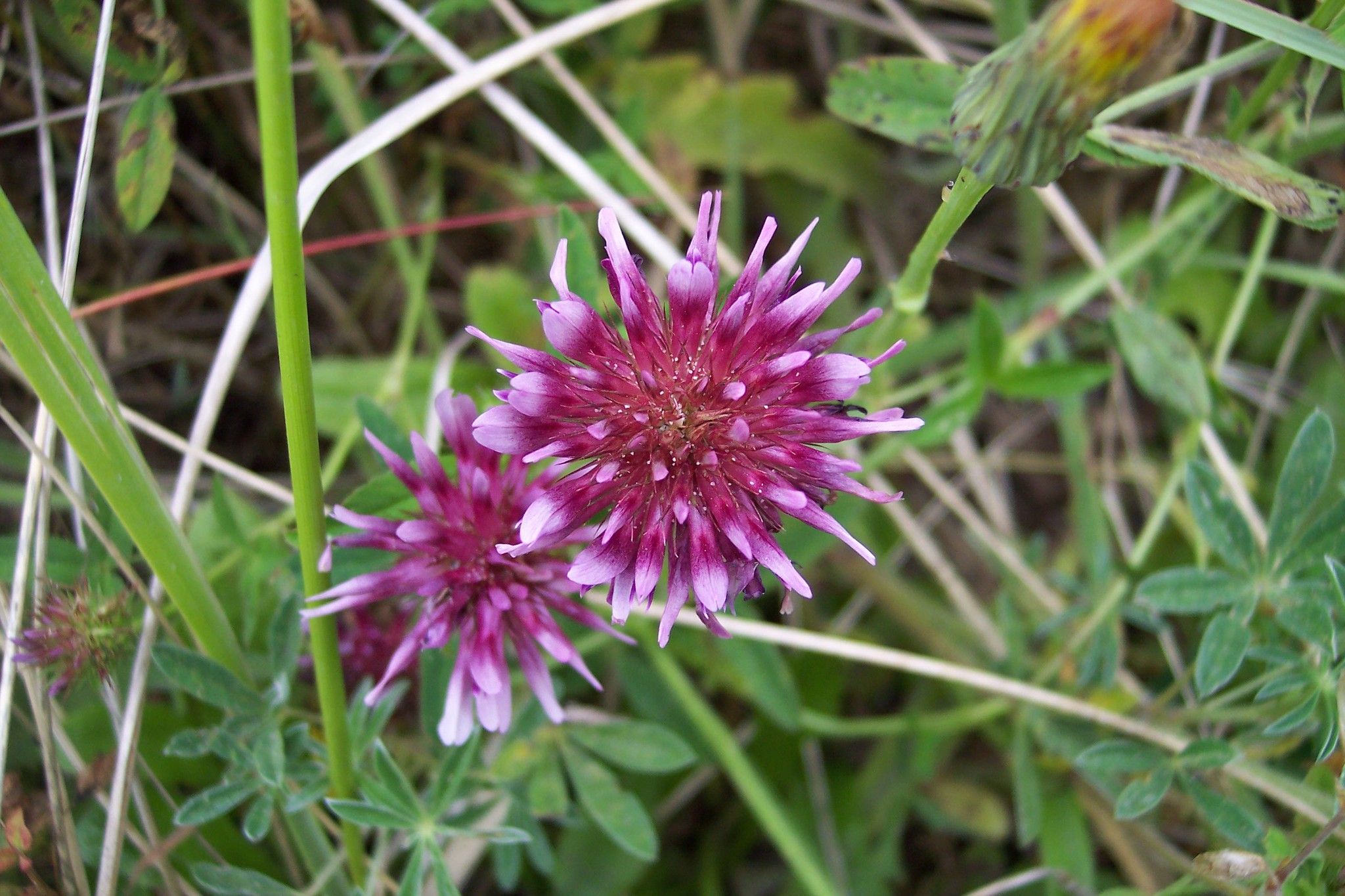
Usually three leaflets per leaf, often rounded with a faint pale mark; leaves sit on slender stems.
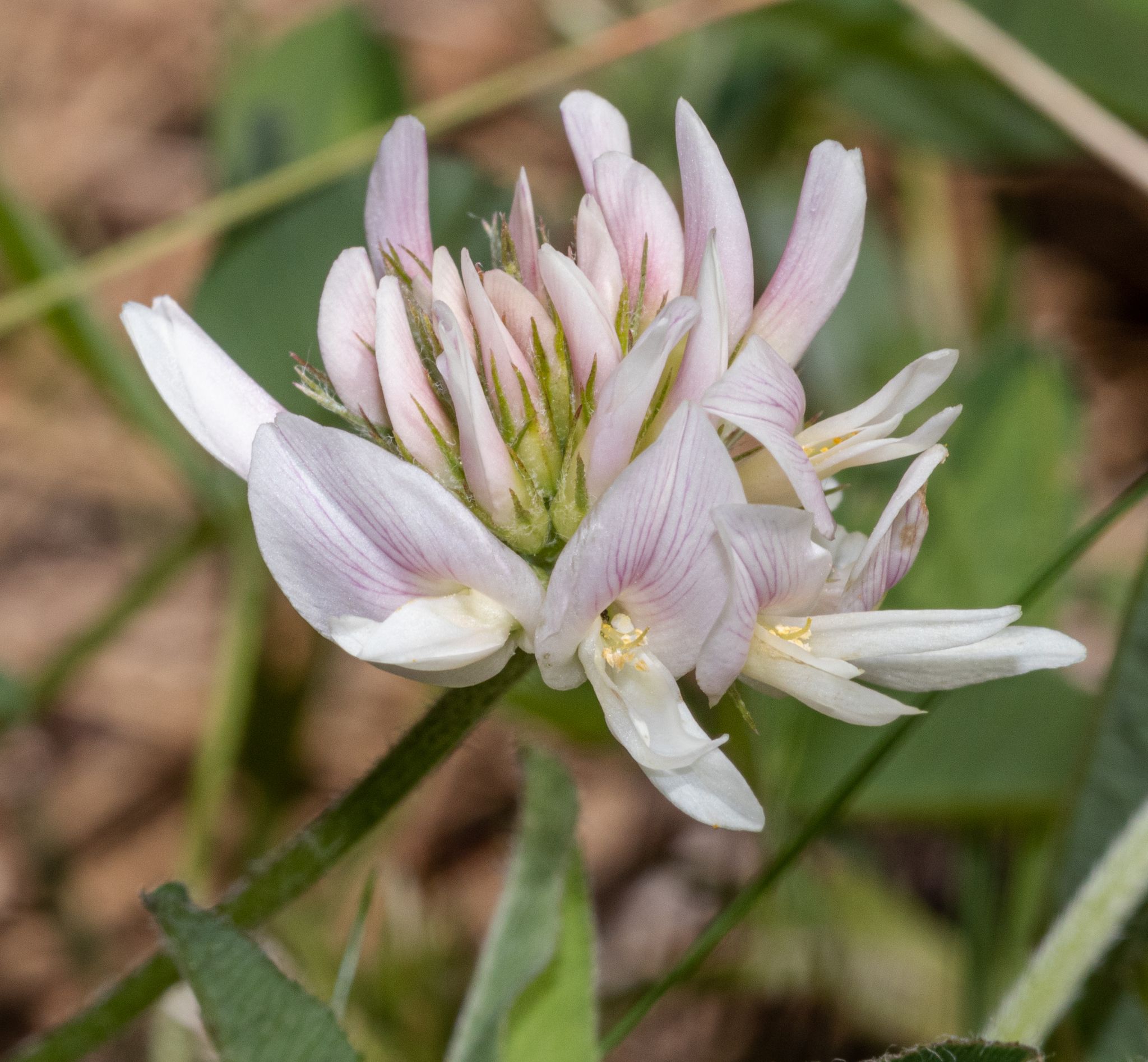
Round or oval flower heads made of many tiny flowers; color varies by species (commonly white to pink, sometimes red).
Small seed pods typical of the pea family; often not noticed unless you let plants fully mature.
LOCATION
Native environments and the best spots to place it in your landscape.
SEASONALITY
Notes on bloom windows and how this plant helps pollinators across the seasons.
Bloom timing depends on the clover species and how often it’s cut back.
Bloom Season Role: Reliable, repeat-blooming “filler” flowers that can keep a patch active
REQUIREMENTS
The right mix of sun, soil, and space for healthy growth.
Best in sun to part sun. More sun usually means more flowers.
Most clovers handle average garden soil. Avoid spots that stay soggy for long periods.
Water new plantings regularly until established. In pots, check often during warm, dry weather.
Sow seed on loosened soil and press in lightly, or tuck small starts into gaps. Keep the surface lightly moist until seedlings are up.
Use a thin mulch around (not on top of) seedlings. In lawns, skip mulch and let clover knit in naturally.
GARDENING GUIDE
Simple steps to plant, prune, and maintain healthy trees without pesticides.
Pairings
Pairing ideas to keep pollinators fed throughout the growing season.
GLOSSARY
Glossary terms are being added.
What You Can Do
Turn this knowledge into action. Whether you plant a single pot or a whole garden, you are building a vital bridge for local biodiversity.
Join the movement to restore our shared habitats.
Pollinators supported
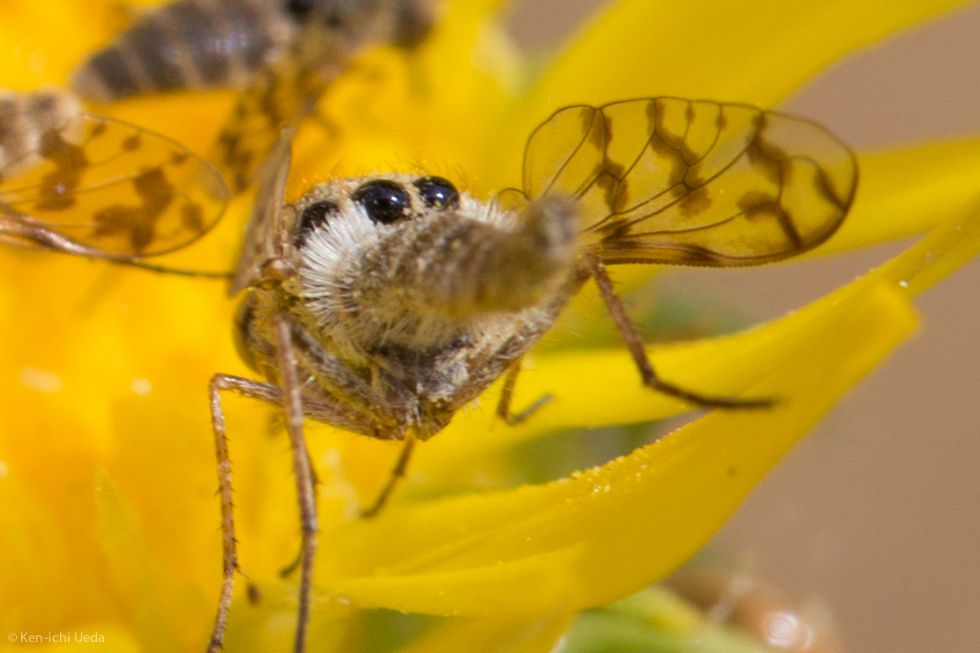
Adults visit flowers for nectar and can move pollen between blooms; their presence is a sign of diverse, functioning habitats.
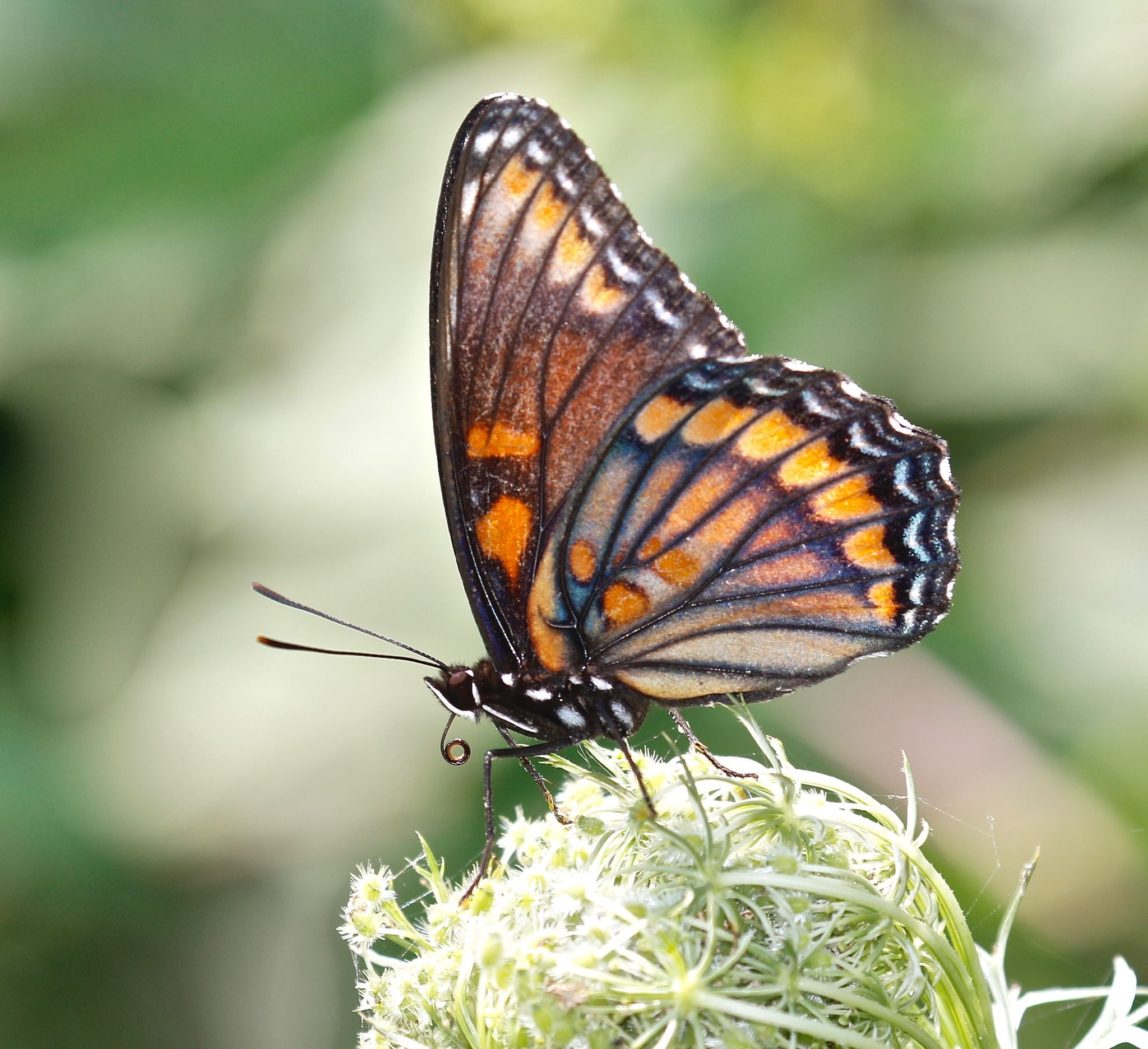
Many brushfoots move pollen between flowers as they feed, and their caterpillars are part of healthy food webs.
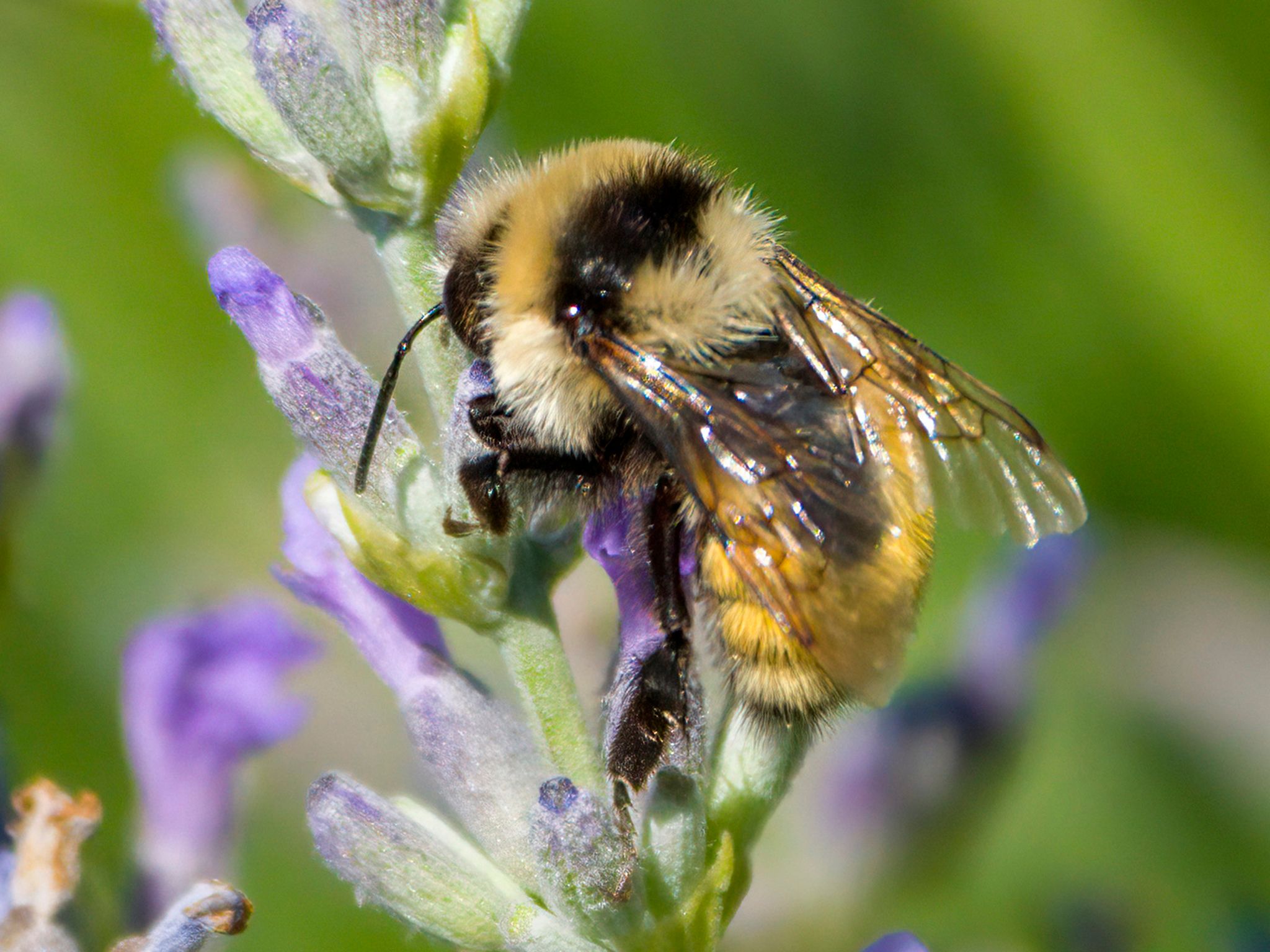
Bumble bees are important pollinators of many wildflowers and garden plants, helping ecosystems and food crops reproduce.
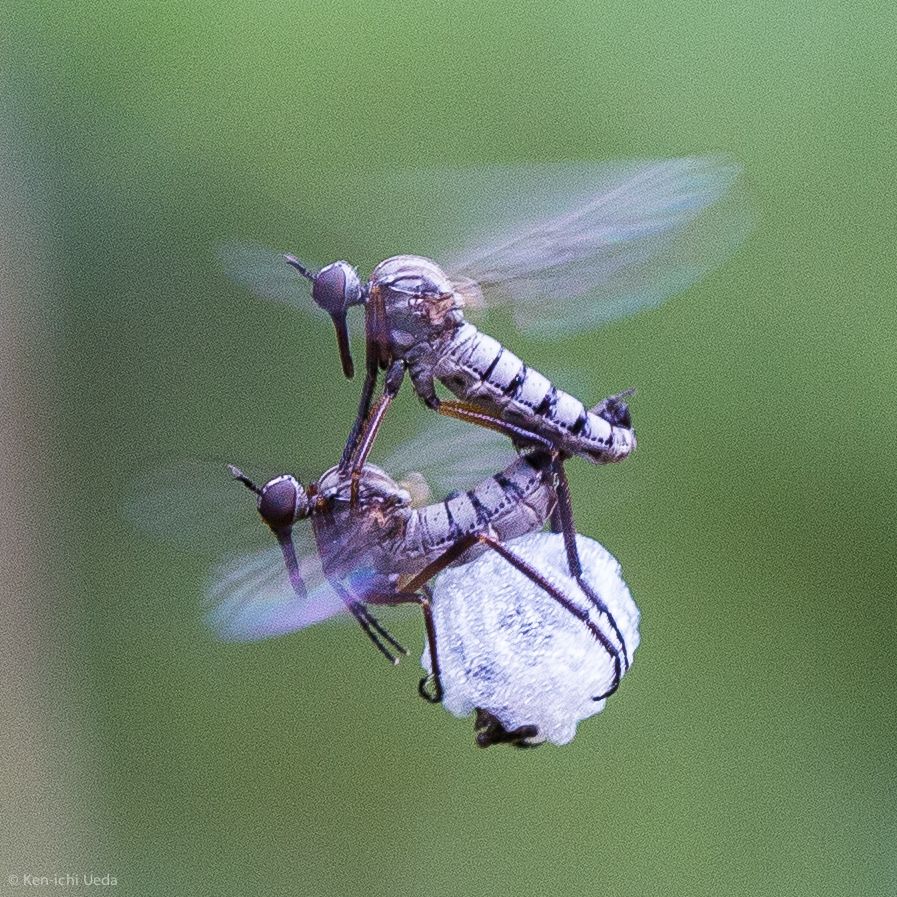
Many visit flowers for nectar and can move pollen between blooms while also playing important roles in local food webs.
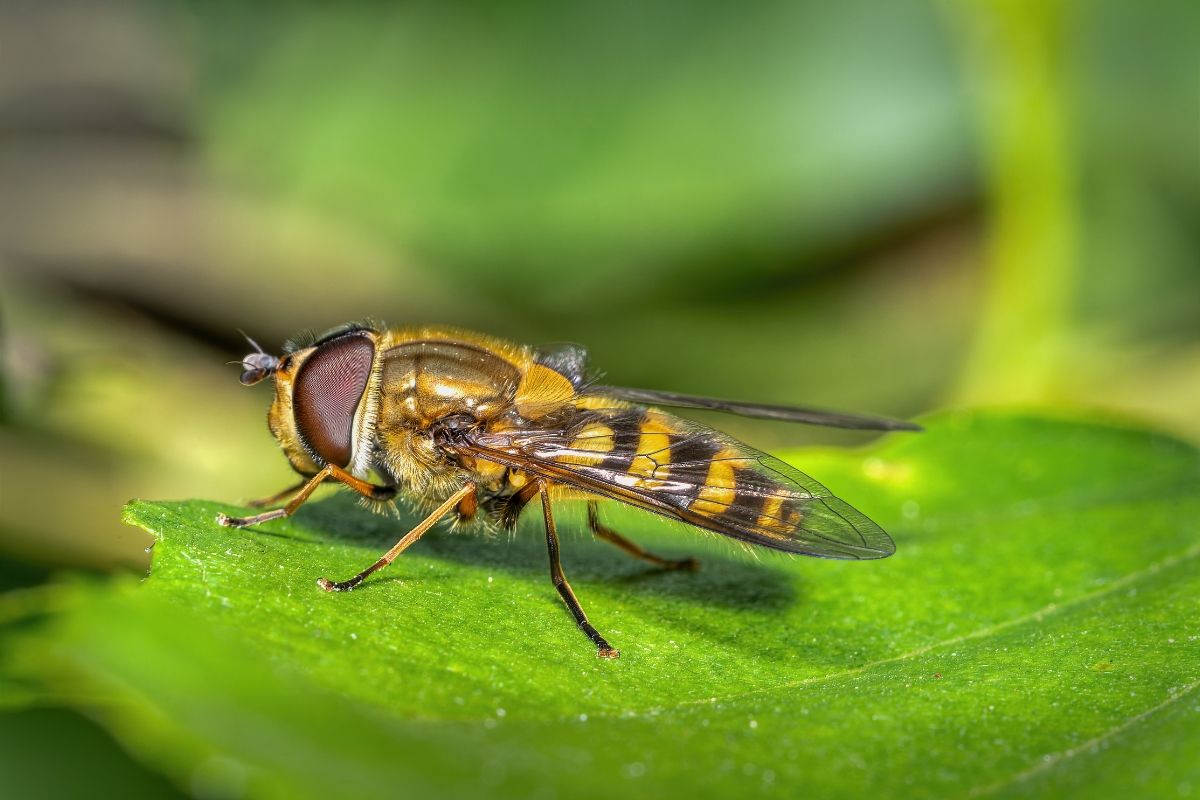
Adults visit flowers for nectar and pollen, and many species’ larvae help keep plant-eating pests in check.
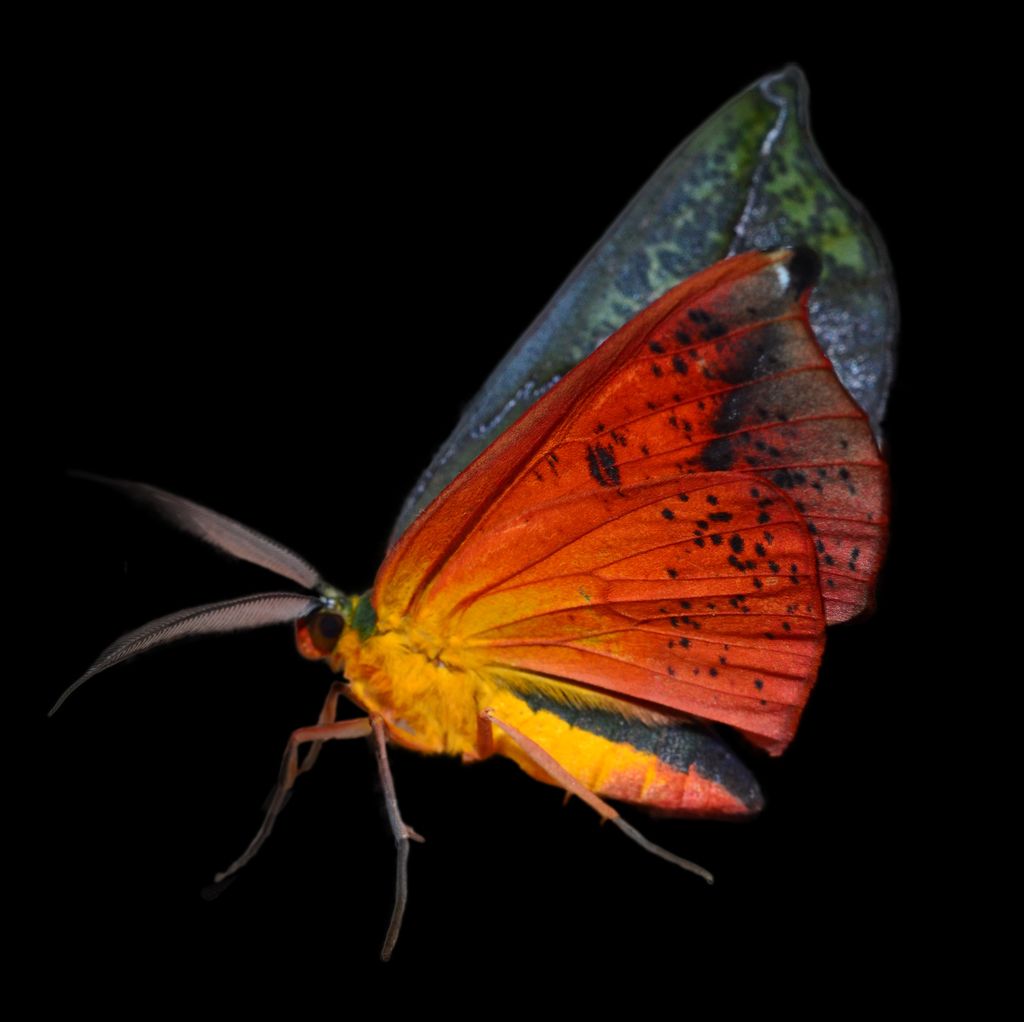
Adults can help move pollen as they nectar at flowers, and their caterpillars are an important part of local food webs.
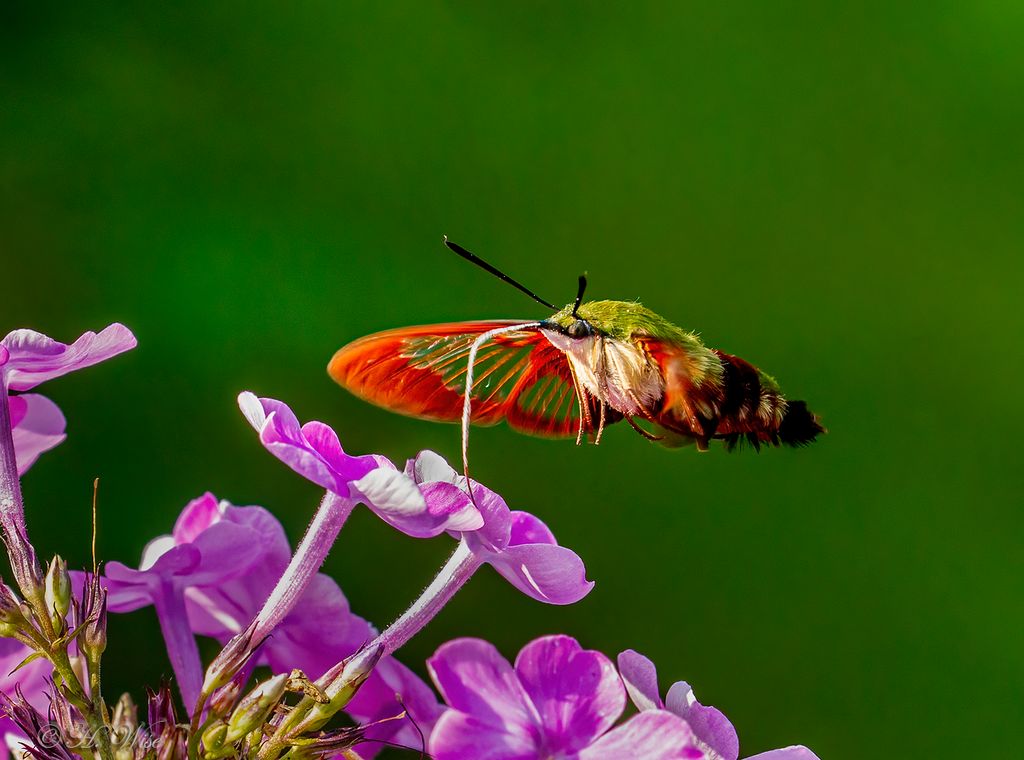
They can move pollen between flowers while feeding on nectar, especially for blooms that open or scent up in the evening.
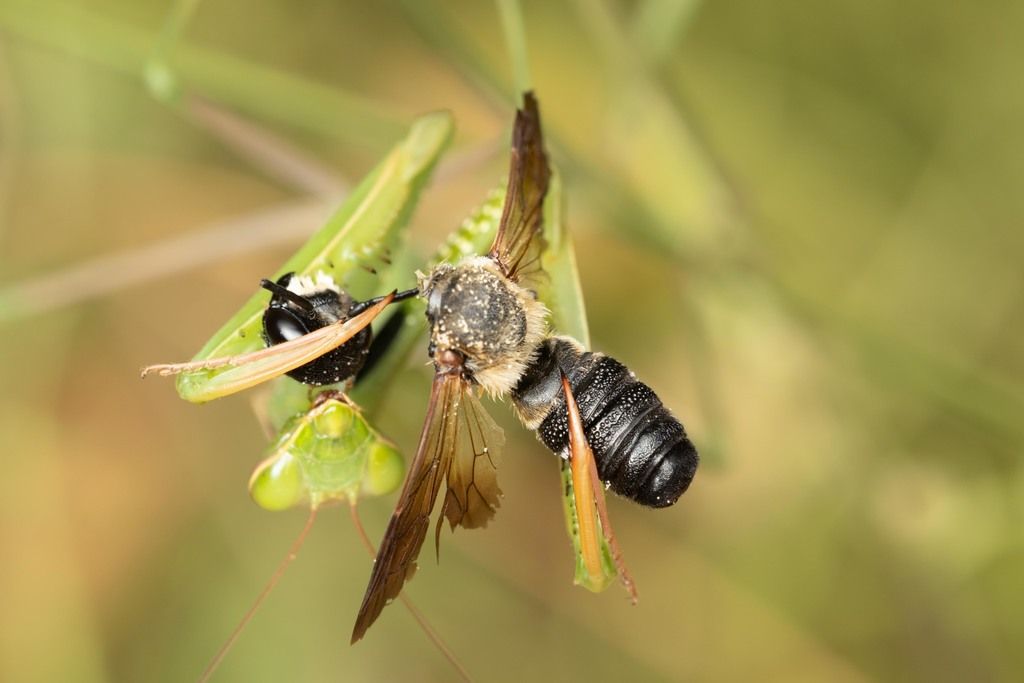
They move pollen between flowers while foraging, helping many wild plants and garden plants set seed and fruit.
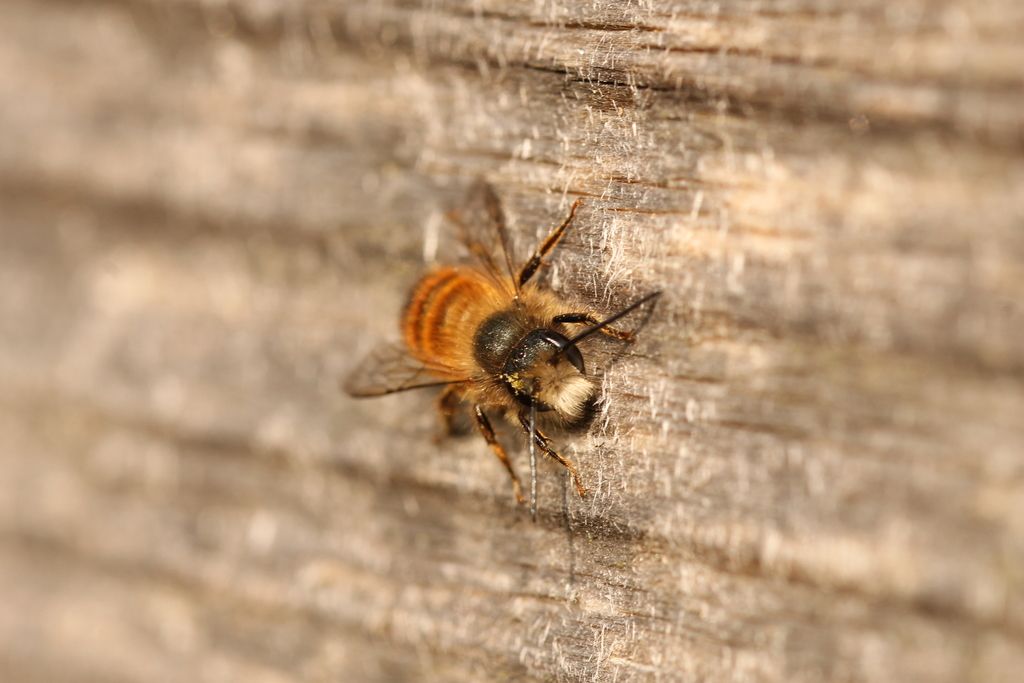
They move pollen between flowers while foraging, helping many wild plants and garden crops set seed and fruit.
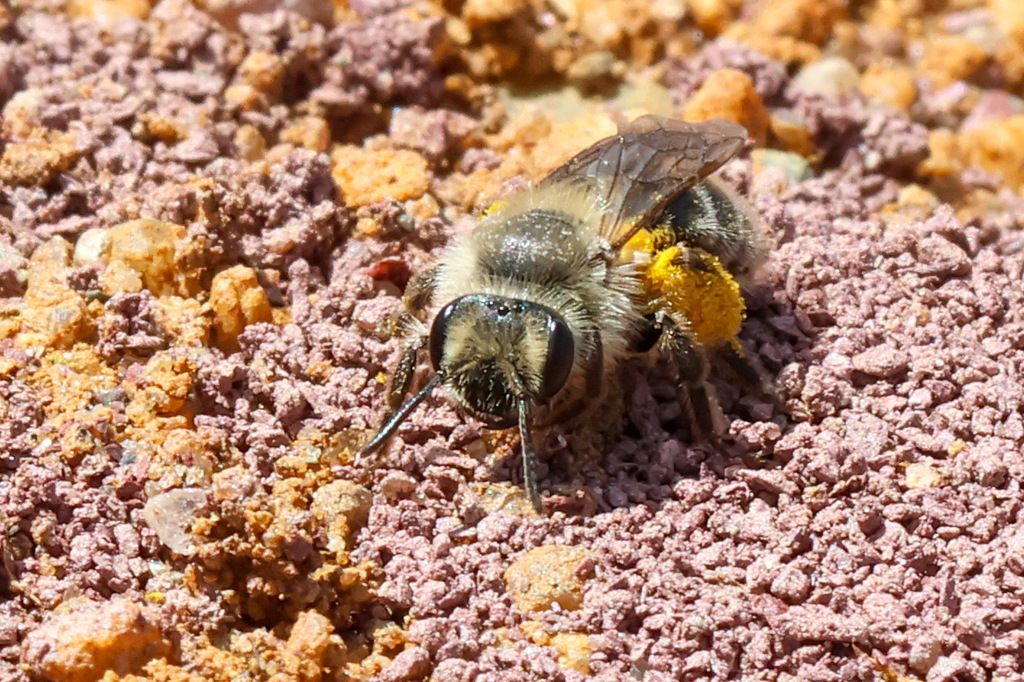
They move pollen between flowers while foraging, helping many wild plants and garden plants set seed and fruit.
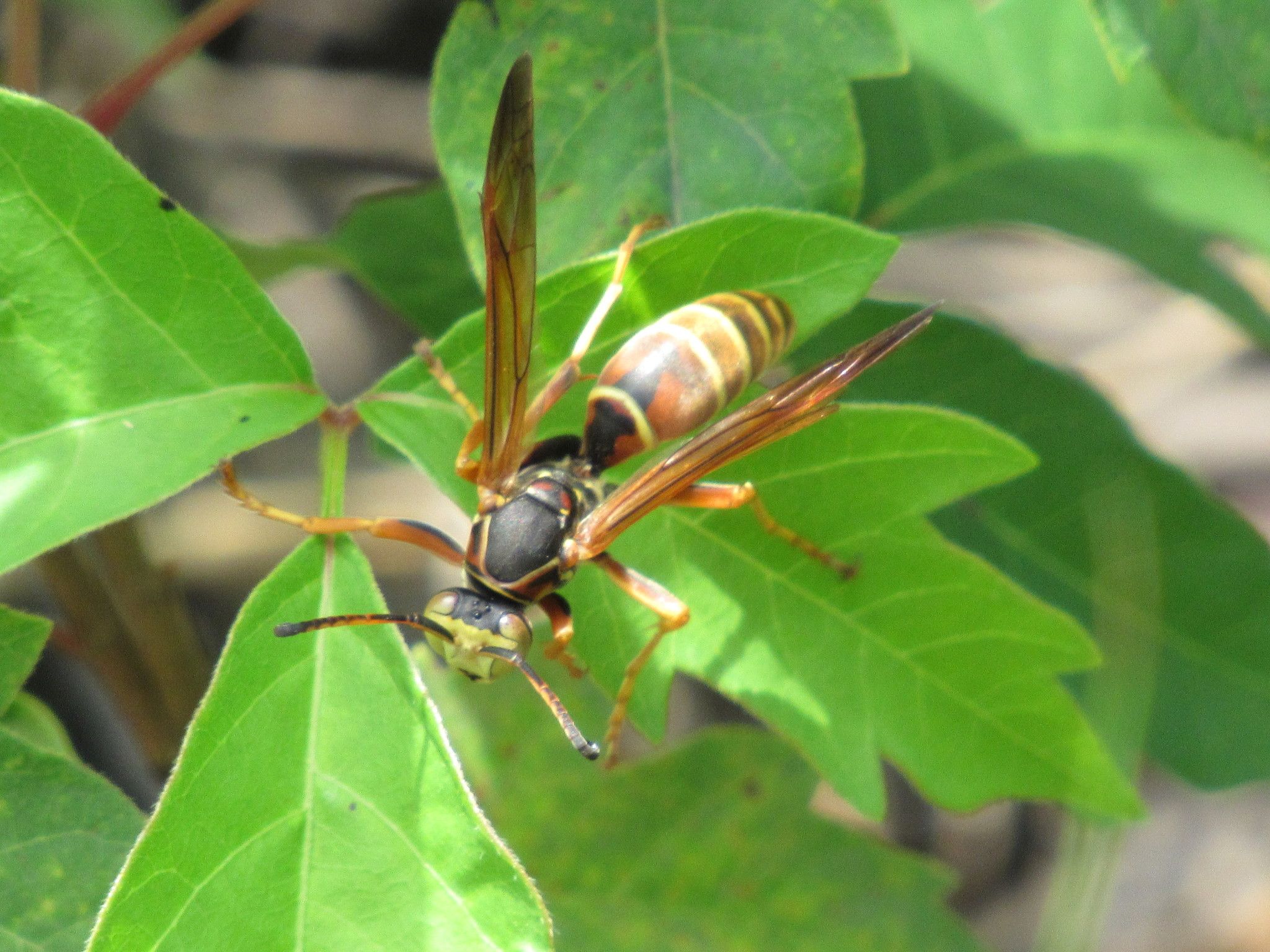
They can move pollen while drinking nectar, and they also help control many plant-eating insects.
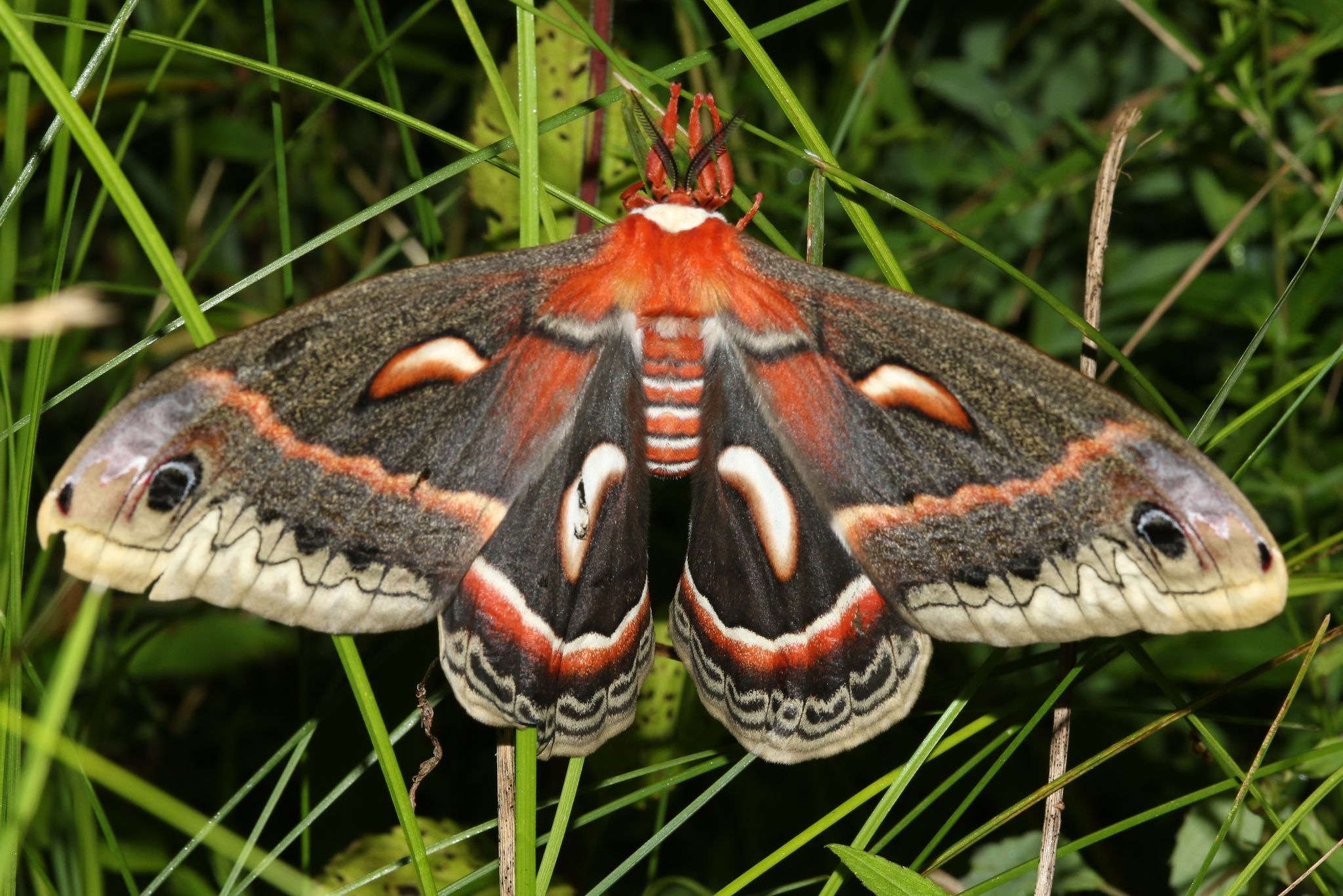
They’re part of healthy food webs and plant communities, and their caterpillars depend on a wide range of native trees and shrubs.
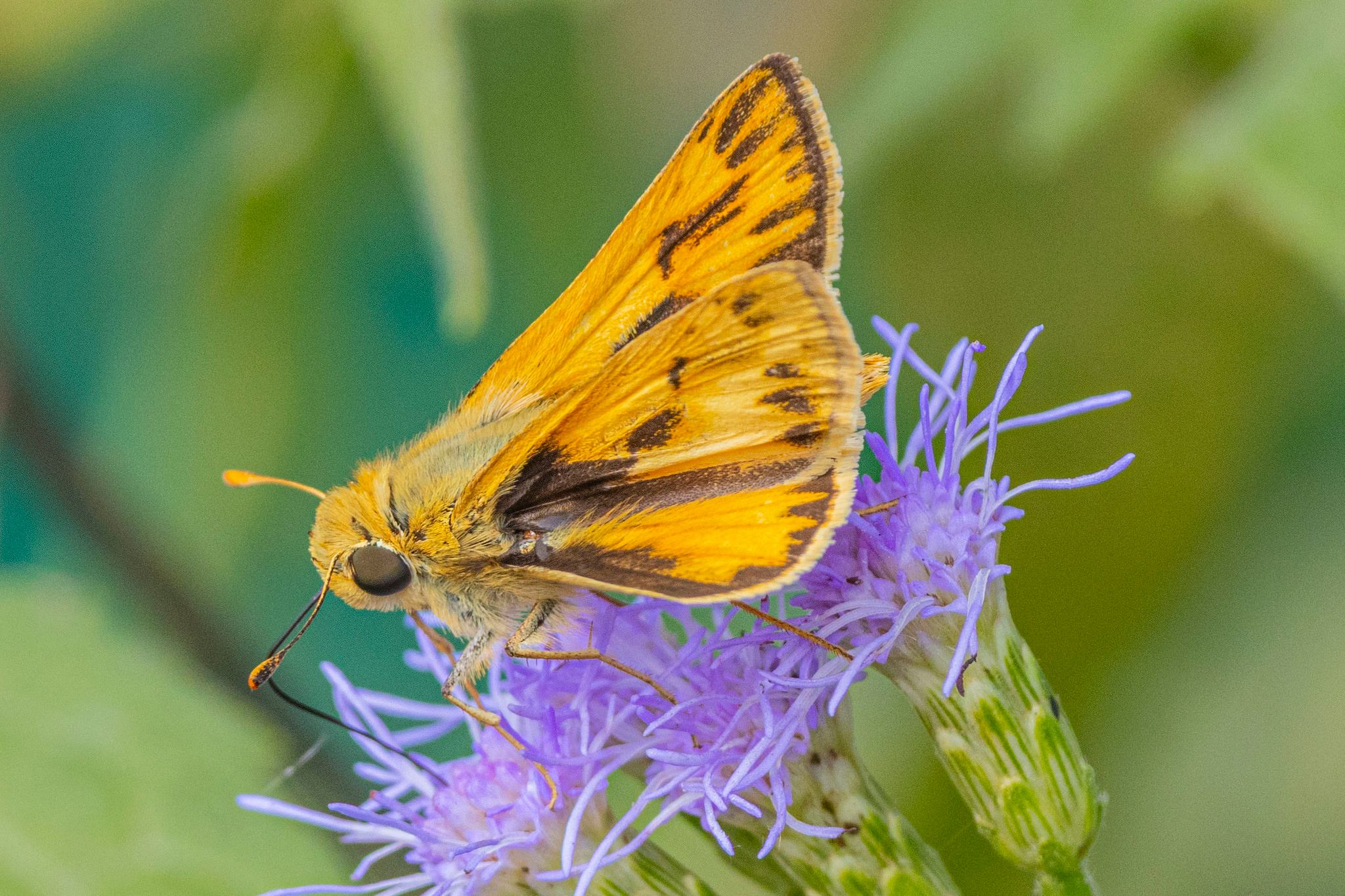
Skippers visit many flowers for nectar and can help move pollen between blooms while they feed.
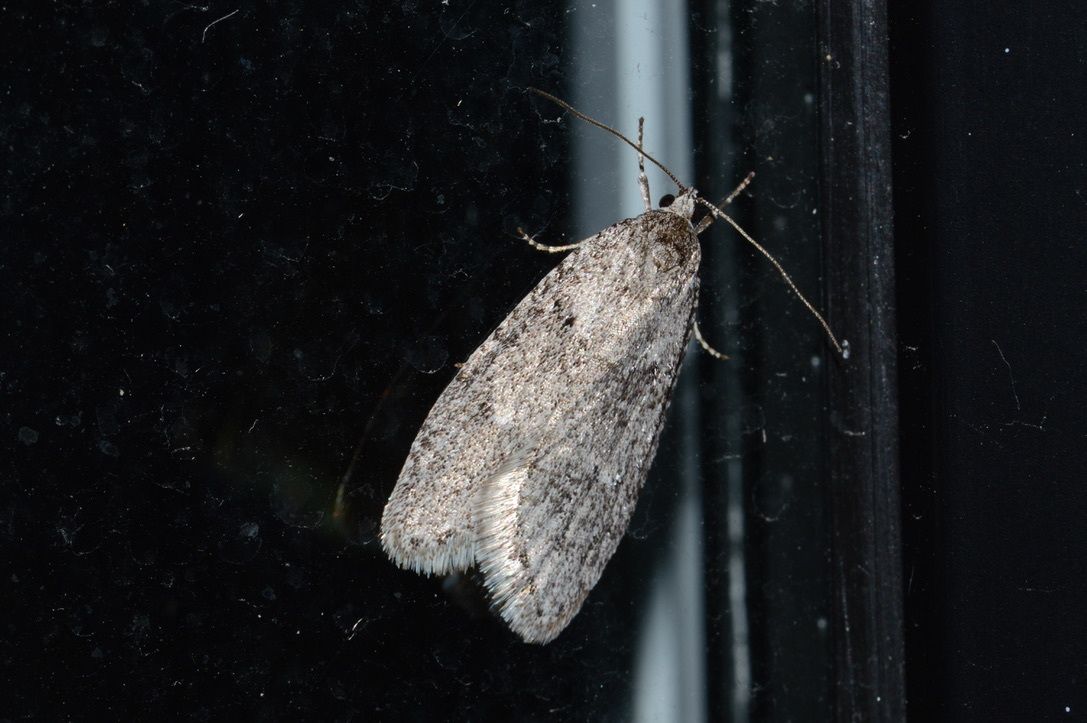
Many small moths move pollen while feeding on nectar, supporting wild plants and garden blooms—especially in the evening and at night.
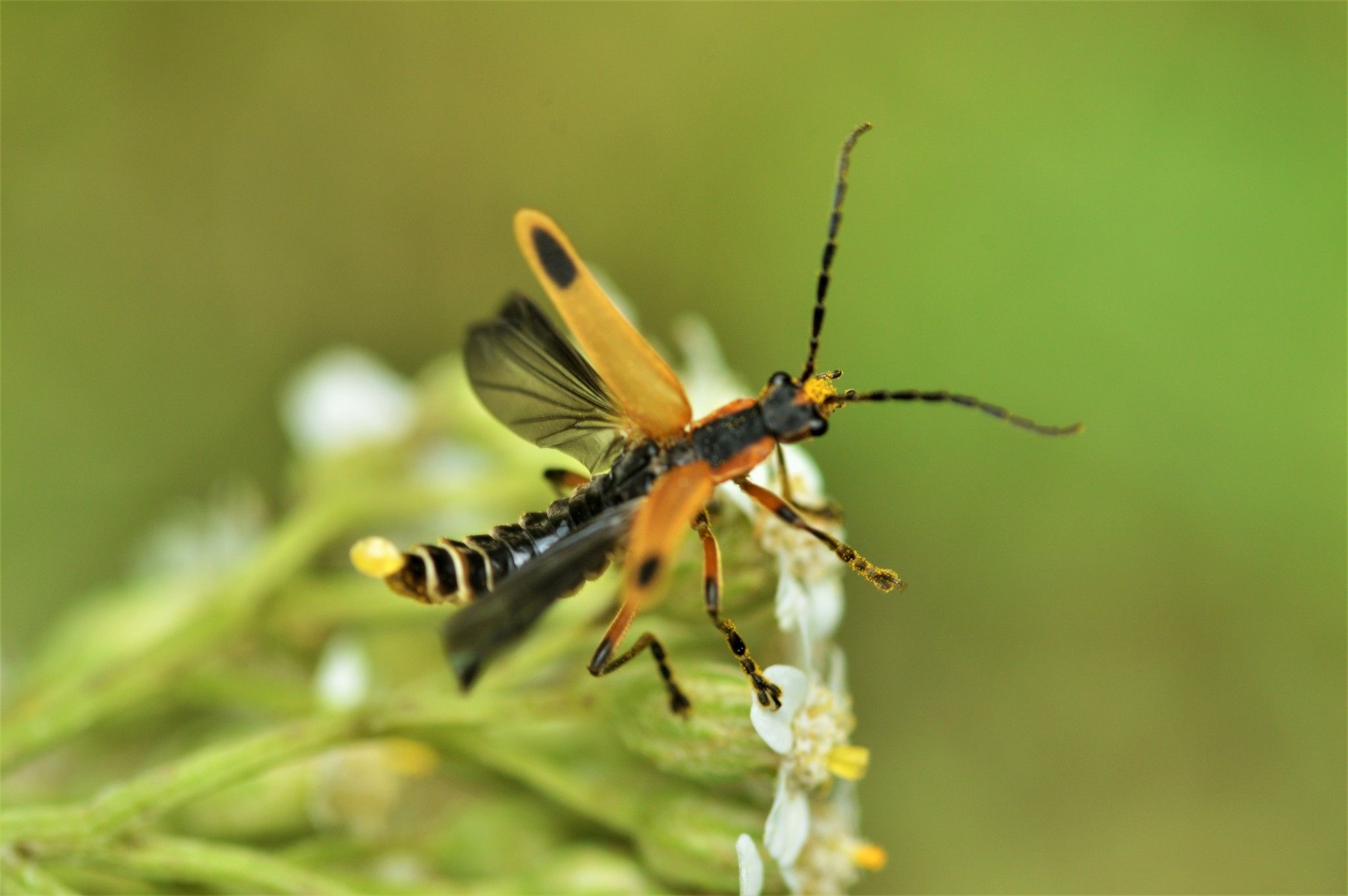
Many adults visit flowers and can move pollen between blooms, while also helping control some garden pests.
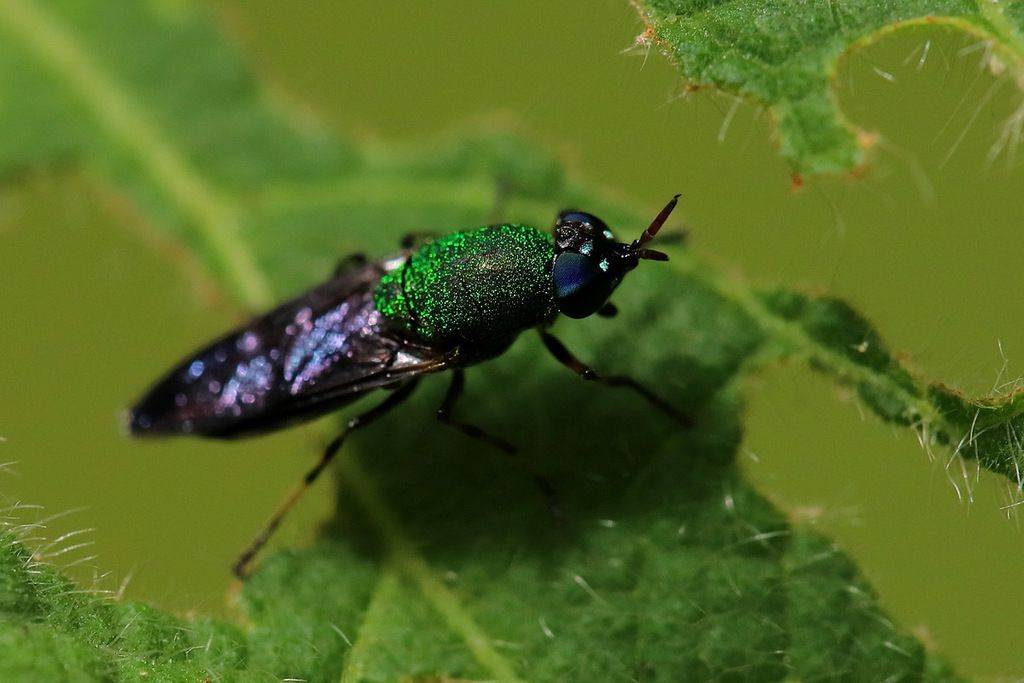
Many adults visit flowers for nectar and can move pollen between blooms while feeding.
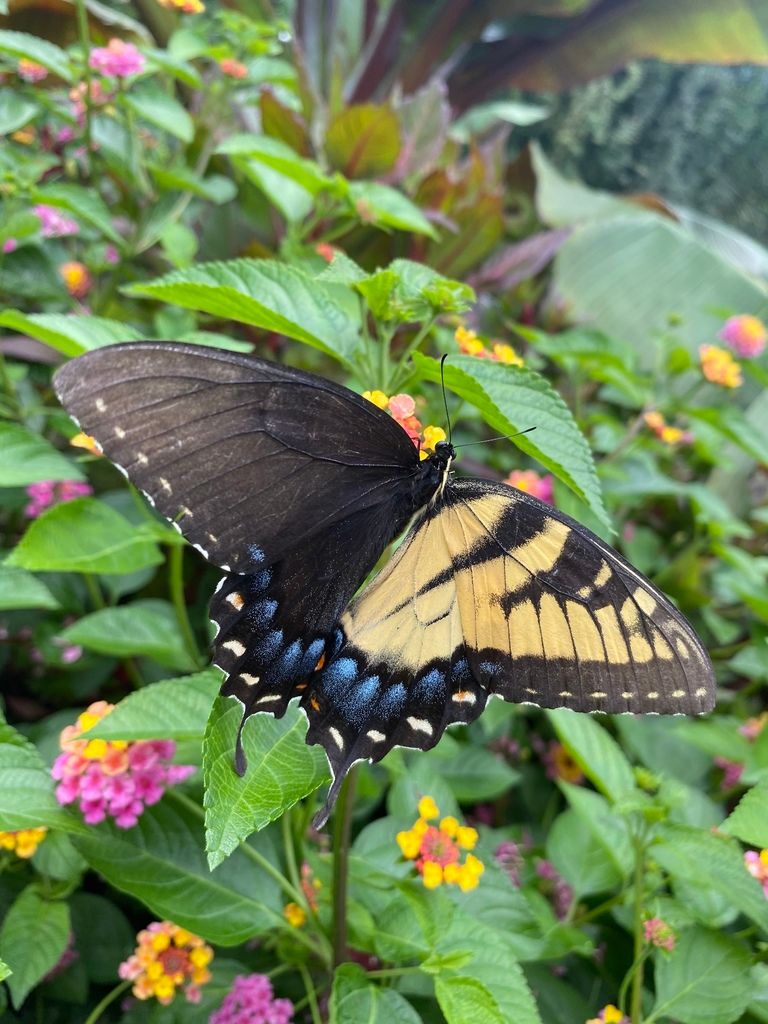
Adult swallowtails visit many flowers for nectar and can help move pollen between blooms as they feed.
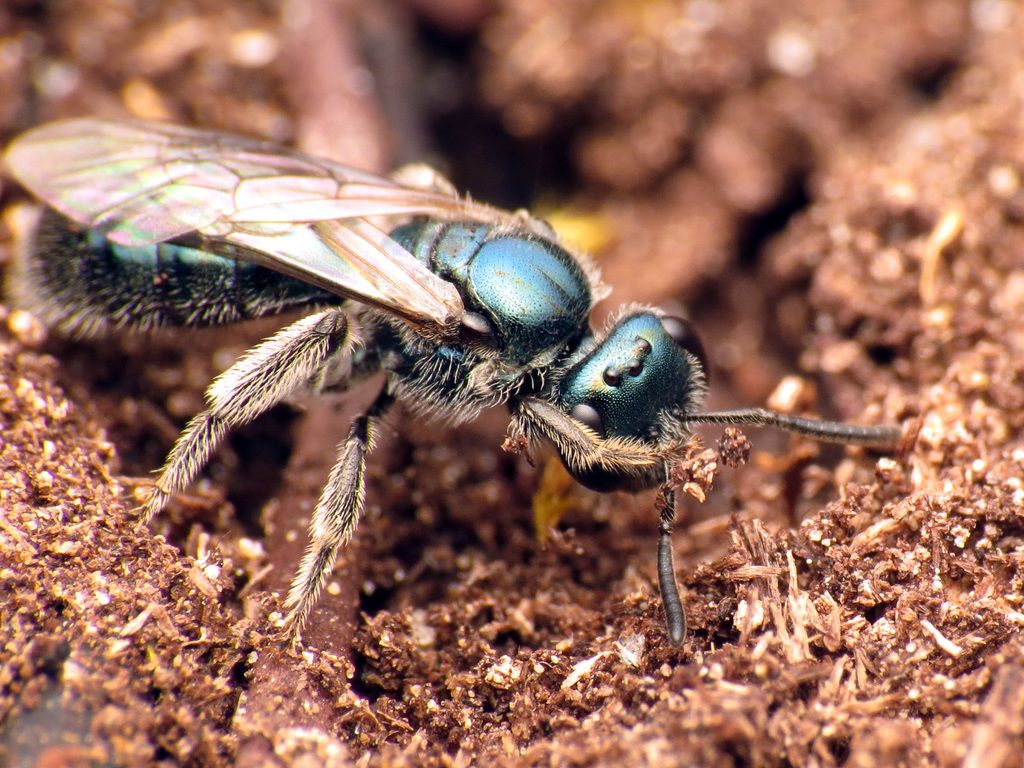
They help move pollen between flowers in gardens, parks, and natural areas, supporting seed and fruit production.
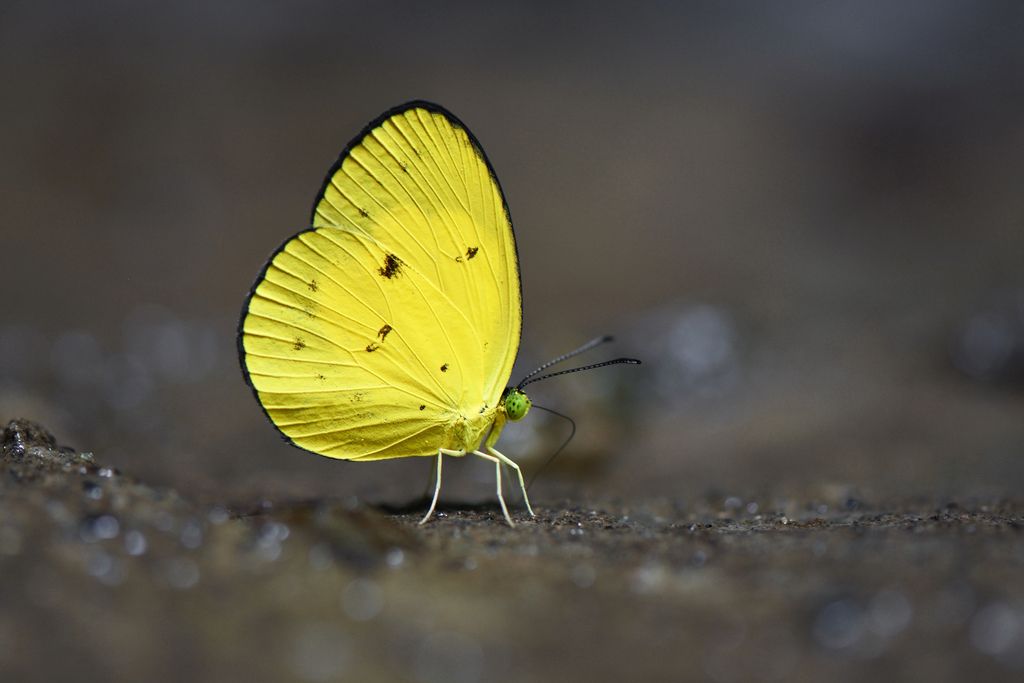
They visit a wide range of flowers for nectar and can help move pollen between blooms as they feed.