
Skip to content
F_wildflowers-annuals-biennials-gilias-annual-types.jpg
Plant profile

Gilias

Genus Gilia (annual spp.)

Annual gilias are airy, nectar-rich wildflowers in the genus Gilia that can add quick color to sunny beds and pots while supporting a variety of pollinators.

Plant Type

Wildflowers (annuals/biennials) > Gilias

Aliases

Annual gilia

Native Range

Varies by species; many Gilia species are native to western North America.

Bloom window

Spring through summer (varies by species and planting time)

OVERVIEW

About This Plant

Annual gilias (genus Gilia) are a simple, beginner-friendly way to add pollinator-friendly blooms to a sunny spot. They’re especially useful when you want quick results: sow seeds, keep them lightly watered while they sprout, and you can have a soft, airy patch of flowers that looks great in a bed or a container.

If you’re planting at a school, along a walkway, or in a small home garden, focus on the basics: sun, drainage, and keeping weeds from taking over while seedlings are small. Once established, gilias usually do best with moderate watering rather than constantly wet soil.

For the biggest impact, plant gilias as part of a mix—pair them with other flowers that bloom earlier and later so pollinators can find something in flower across the season.

Best role for pollinators
Sunny spots where you want quick, pollinator-friendly blooms—beds, borders, and containers.
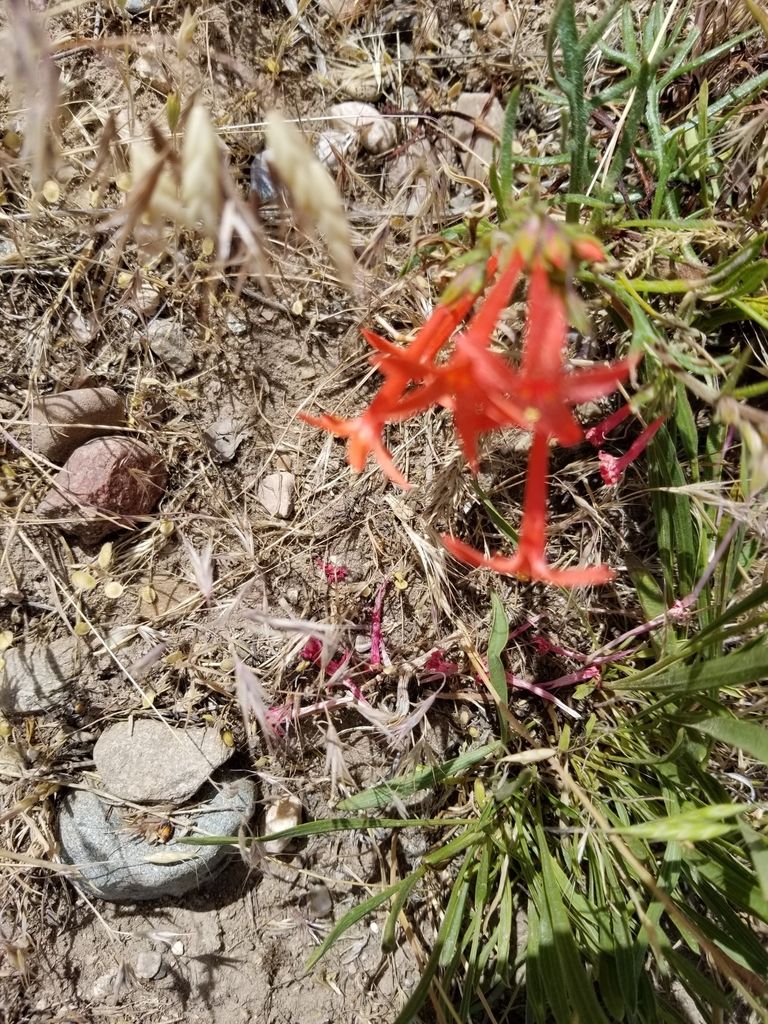
Gilias (annual types) (Gilia (annual species))
https://www.inaturalist.org/photos/20012357 Photo: (c) Jessica Stahle, some rights reserved (CC BY-NC) | CC-BY-NC | iNaturalist

FAST FACTS

Quick Details

Essential stats and requirements for quick reference.

Also known asAnnual gilia
Bloom windowSpring through summer (varies by species and planting time)
Typical heightLow to medium (varies by species)
Pollinators supportedBees, Butterflies, Flies
Light & moistureSun to part sun; keep evenly moist while establishing, then avoid soggy soil.
Best roles for pollinatorsSunny spots where you want quick, pollinator-friendly blooms—beds, borders, and containers.

SUMMARY

If You Remember Three Things

A quick scan of what they do, what they need, and the best first step.

What they do

Annual gilias provide many small blooms that can help feed visiting pollinators in a compact space.
What they need

A bright spot, decent drainage, and a little patience while seedlings get started.

One best action

Sow a small patch (or a pot) and keep it lightly watered until seedlings are growing well.

IMPACT

Why Plant This?

Annual gilias are an easy, space-friendly way to add pollinator-friendly flowers. They’re especially useful when you want quick blooms in a new garden, a small bed, or a container.
Many annual wildflowers, including gilias, can be easy to fit into tiny spaces—like a single container—without needing a full garden bed.

Key Impacts

What it Supports

  • Small flowers can still make a big difference when there are lots of them.
  • Annuals are a quick way to add blooms while longer-lived plants are getting established.
  • A few pots or a small strip of flowers can create a helpful “stepping-stone” for pollinators.

RECOGNITION

Identification Guide

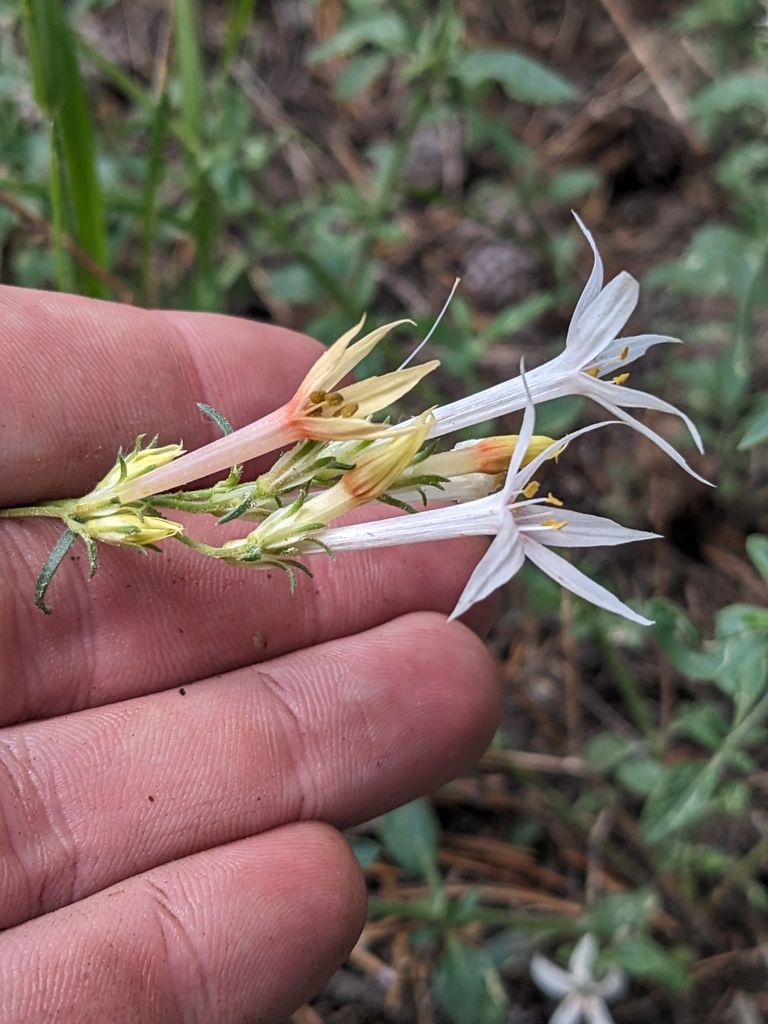
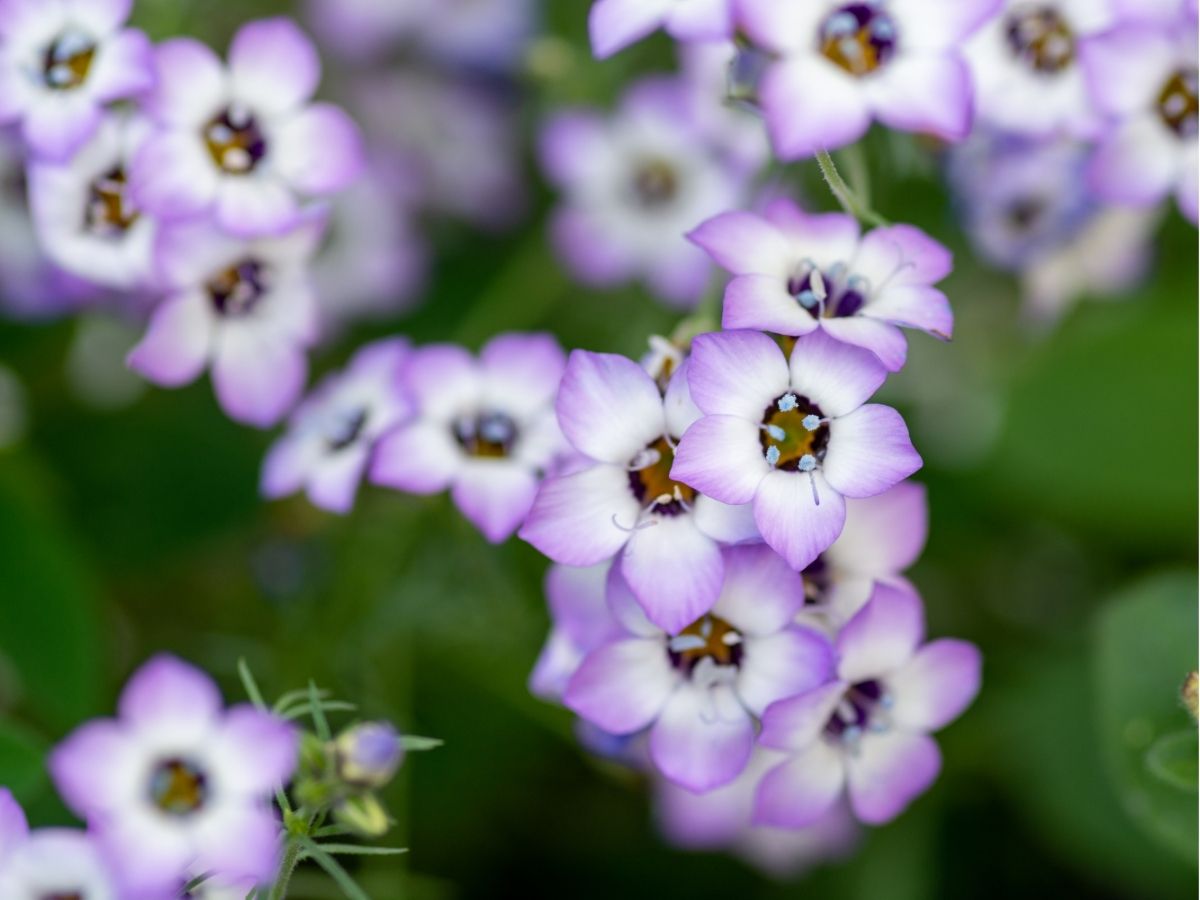
Look for a light, airy plant with fine foliage and clusters of small, star-shaped flowers.

Leaves

Often fine, lacy, or divided leaves that give the plant a soft, feathery look.

Flowers

Small, star-shaped flowers in clusters; colors vary by species and variety.

Fruits

Small seed capsules that dry as the plant finishes its season.
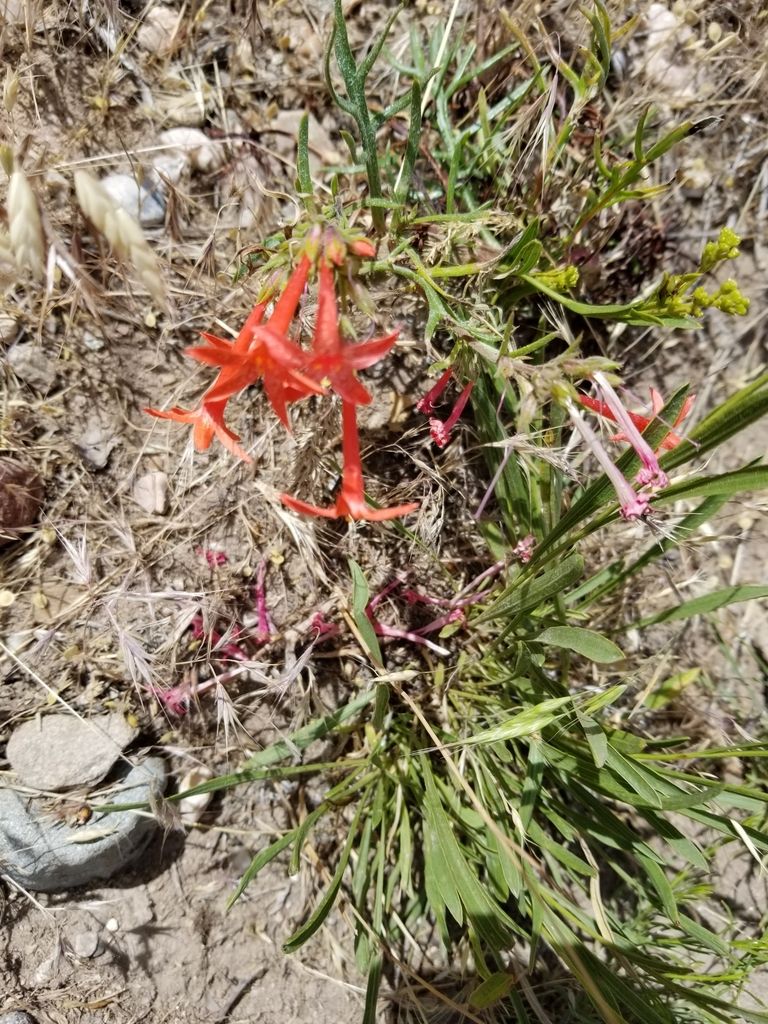
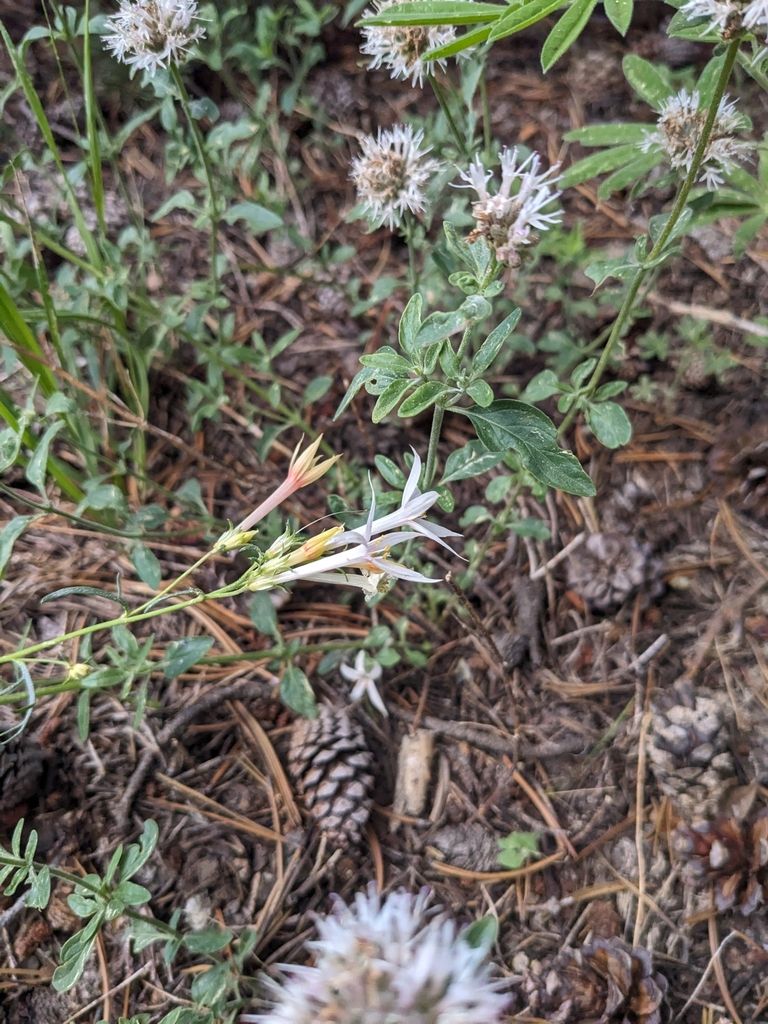
Gilias (annual types) (Gilia (annual species))
https://www.inaturalist.org/photos/20012362 Photo: (c) Jessica Stahle, some rights reserved (CC BY-NC) | CC-BY-NC | iNaturalist
Gilias (Gilia (annual species))

LOCATION

Where It Grows

Native environments and the best spots to place it in your landscape.

Habitats

  • Open, sunny areas
  • Dry slopes and well-drained sites
  • Disturbed ground and wildflower-friendly edges

Where it is often used

  • Pollinator pot on a balcony, porch, or schoolyard
  • Sunny border filler between larger plants
  • Wildflower-style patch in a small bed
  • Seasonal color in a mixed annual planting

SEASONALITY

When It Blooms

Notes on bloom windows and how this plant helps pollinators across the seasons.

Bloom window

Bloom timing depends on the species and when you sow, but annual gilias are generally a spring-to-summer bloomer.

Bloom Season Role: Fills gaps with lots of small flowers and steady nectar.

Seasonal benefits

  • Fast color for new gardens
  • Can help bridge gaps when other plants aren’t flowering yet
  • Lots of small blooms can keep pollinators checking in

REQUIREMENTS

What It Needs

The right mix of sun, soil, and space for healthy growth.

Sun exposure

Choose a bright spot with plenty of sun; part sun can work if it’s still fairly open.

Soil type

Well-drained soil is best; loosen the top layer so seeds can settle in.

Moisture needs

Water gently and regularly until seedlings are established, then water only when the soil is drying out.

Planting method

Direct-sow where you want them to grow, or start in small pots and transplant carefully while young.

Mulching tips

Use a light mulch only after seedlings are established; heavy mulch can smother tiny sprouts.

GARDENING GUIDE

How to Grow It

Simple steps to plant, prune, and maintain healthy trees without pesticides.

Planting tips

  • Pick a sunny spot (a small patch or a pot with drainage holes works).
  • Clear weeds and loosen the top layer of soil.
  • Scatter seeds thinly and press them into the soil surface; don’t bury them too deep.
  • Water with a gentle spray so seeds don’t wash away.
  • Keep the surface lightly moist until seedlings are up and growing.

Seasonal care

  • Weed lightly while plants are small so seedlings aren’t crowded out.
  • Water during long dry spells, especially in containers.
  • Deadhead (snip off spent flowers) to encourage more blooms, or leave some to set seed if you want volunteers next year.
  • Avoid pesticides, especially while plants are flowering.

What not to do

  • Planting in too much shade
  • Keeping soil constantly wet
  • Sowing too thickly and leaving seedlings crowded
  • Using pesticides near flowers

Pairings

Best Pairings for Season-Long Bloom

Pairing ideas to keep pollinators fed throughout the growing season.

Early Bloom

  • Other easy spring annual wildflowers
  • Early-blooming native perennials (where appropriate)

Mid-Season Bloom

  • Summer-blooming wildflowers
  • Low grasses or clumping plants that won’t shade them out

Late-Season Bloom

  • Late-season bloomers to keep flowers available after gilias finish
  • Seed-head plants that add fall interest
Because “gilia” can refer to several different annual species and varieties, check the seed packet for the specific type and follow its basic sowing notes—then keep care simple: sun, drainage, and gentle watering early on.

GLOSSARY

Key Terms

A few helpful terms you might see on seed packets or plant tags:

Glossary terms are being added.

What You Can Do

Make a difference for native habitats.

Turn this knowledge into action. Whether you plant a single pot or a whole garden, you are building a vital bridge for local biodiversity.

Join the movement to restore our shared habitats.

Pollinators supported

Species that benefit from this plant

Pollinator links are being added for this plant.

Regions

Where this plant is native

Regional links are being added for this plant.