

What they do
Annual lupines provide showy flower spikes that offer nectar and pollen for visiting insects.
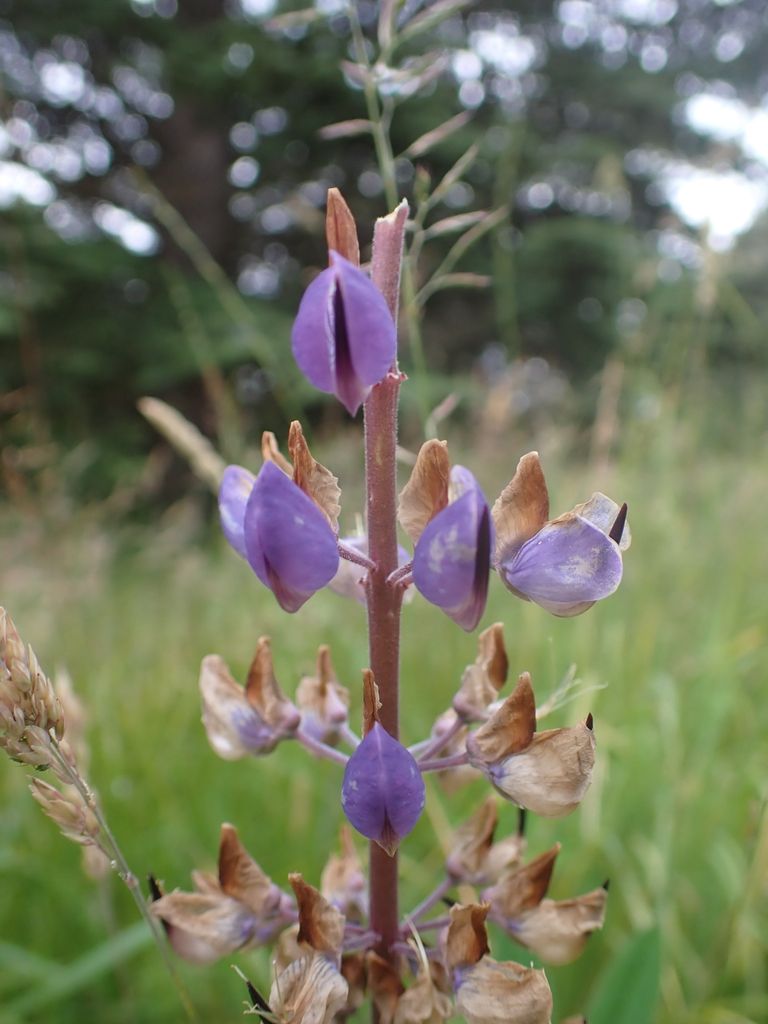
Genus Lupinus (annual spp.)
Annual lupines are bright, pea-flower wildflowers that can add quick color and pollinator activity to sunny gardens, pots, and schoolyard plantings.
Plant Type
Wildflowers (annuals/biennials) > Lupines
Aliases
Annual lupines
Native Range
Varies by species; the genus includes species native to parts of North and South America.
Bloom window
Late spring through summer (varies by species and planting time)
OVERVIEW
Annual lupines are a simple, seed-grown way to add tall flower spikes and lively color to a sunny space. They’re especially useful when you want blooms in the first season—whether that’s a small garden bed, a schoolyard planting, or a container on a balcony.
To get started, focus on two basics: sun and drainage. A bright spot helps plants flower well, and soil that doesn’t stay soggy helps roots stay healthy. Keep the soil lightly moist while seeds sprout and seedlings establish, then water as needed—especially during dry stretches or in pots.
If you’re planting for pollinators, aim for a small cluster rather than a single plant. A group of blooms is easier for insects to notice and makes your patch feel like a reliable stop. Mix annual lupines with other flowers that bloom earlier and later so there’s something in bloom across the growing season.
For a low-stress approach, skip pesticides and start with gentle fixes if you notice damage: remove pests by hand, rinse with water, and accept a little leaf chewing. The goal is a healthy, blooming plant—and a welcoming place for pollinators to visit.
FAST FACTS
Essential stats and requirements for quick reference.
| Category | Details |
|---|---|
| Also known as | Annual lupines |
| Bloom window | Late spring through summer (varies by species and planting time) |
| Typical height | Varies by species; often knee- to waist-high |
| Pollinators supported | Bees, Butterflies |
| Light & moisture | Sun to part sun; evenly moist to moderately dry soil once established |
| Best roles for pollinators | Sunny beds, borders, and containers where you want a fast-blooming wildflower that supports pollinators |
SUMMARY
A quick scan of what they do, what they need, and the best first step.
Annual lupines provide showy flower spikes that offer nectar and pollen for visiting insects.
A bright spot, decent drainage, and a little patience while seedlings get established.
Sow seeds where you want them to grow and keep the soil lightly moist until seedlings are up.
IMPACT
Key Impacts
RECOGNITION
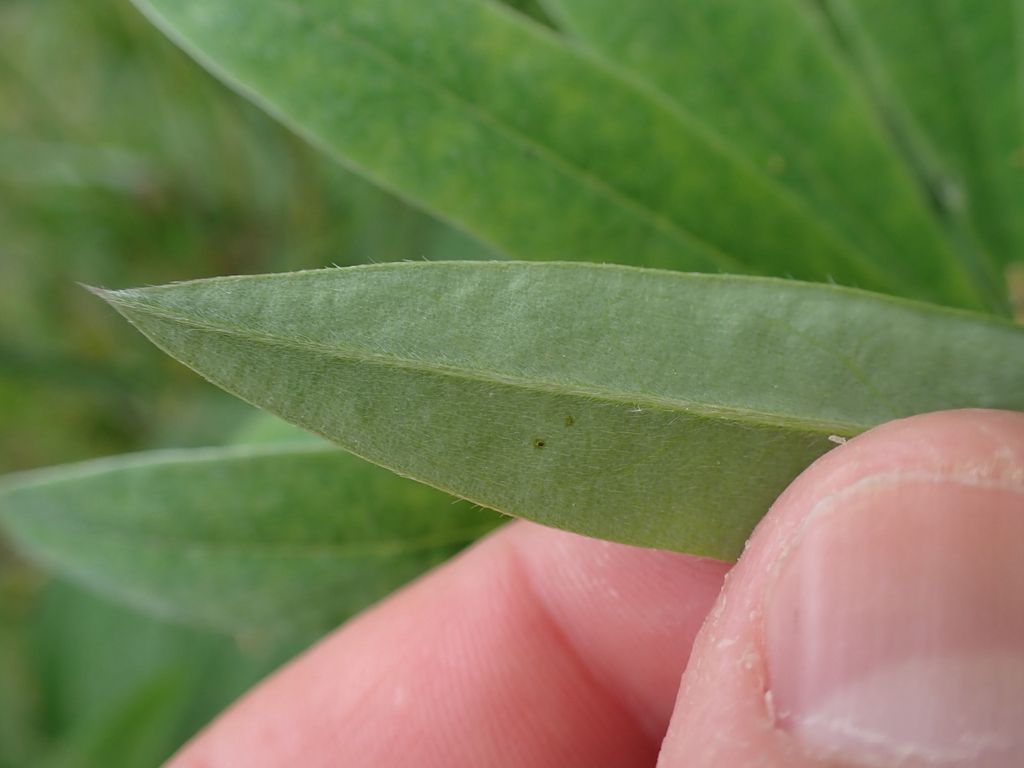
Palm-shaped leaves with several narrow leaflets spreading from a central point.
Many pea-like flowers packed along an upright spike; colors vary by species and variety.
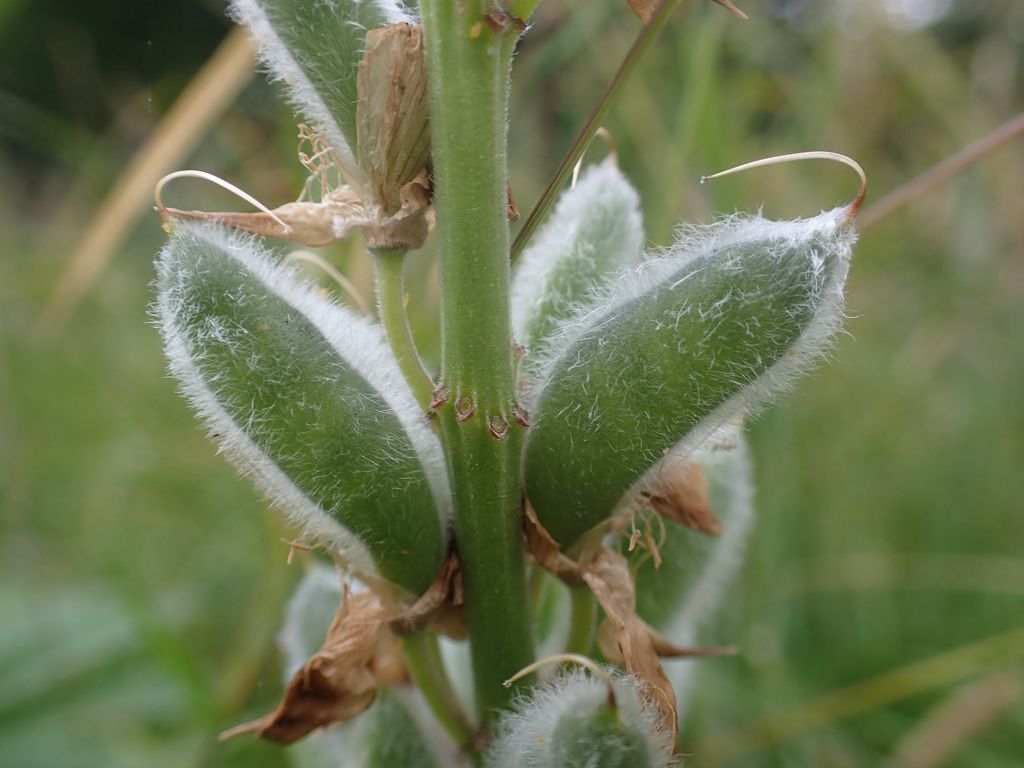
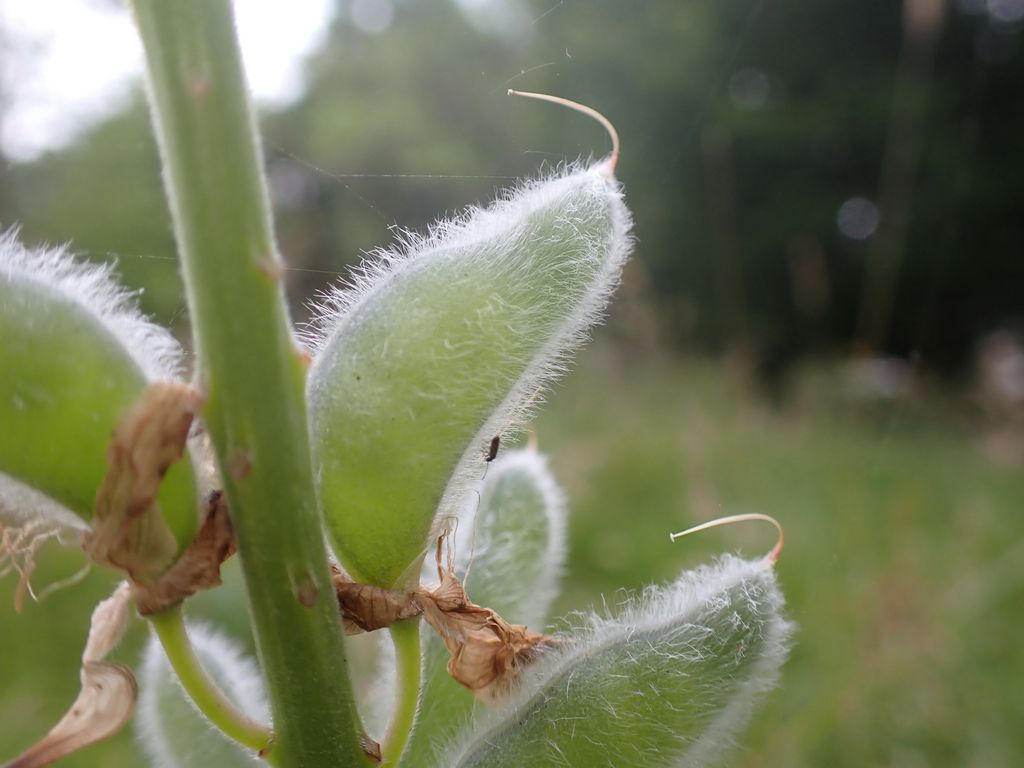
Pea-family pods that form after flowering; pods dry as seeds mature.
LOCATION
Native environments and the best spots to place it in your landscape.
SEASONALITY
Notes on bloom windows and how this plant helps pollinators across the seasons.
Annual lupines typically bloom in their first year, with timing depending on when they’re sown and local conditions.
Bloom Season Role: A colorful mid-season boost, especially when grown from seed
REQUIREMENTS
The right mix of sun, soil, and space for healthy growth.
Choose a bright, sunny spot for best flowering; part sun can work in some gardens.
Well-drained soil is key. If your soil stays wet, consider a raised bed or container.
Water gently and regularly until seedlings are established, then water when the top of the soil dries out.
Direct sow is often easiest for annual lupines. Scatter or place seeds, cover lightly, and keep evenly moist until they sprout.
Use a thin layer of mulch around (not on top of) seedlings to reduce weeds, but keep the crown area open so stems don’t stay damp.
GARDENING GUIDE
Simple steps to plant, prune, and maintain healthy trees without pesticides.
Pairings
Pairing ideas to keep pollinators fed throughout the growing season.
GLOSSARY
Glossary terms are being added.
What You Can Do
Turn this knowledge into action. Whether you plant a single pot or a whole garden, you are building a vital bridge for local biodiversity.
Join the movement to restore our shared habitats.