

What they do
Nemophilas add a burst of early, open flowers that can be visited by a variety of small pollinators and other beneficial insects.
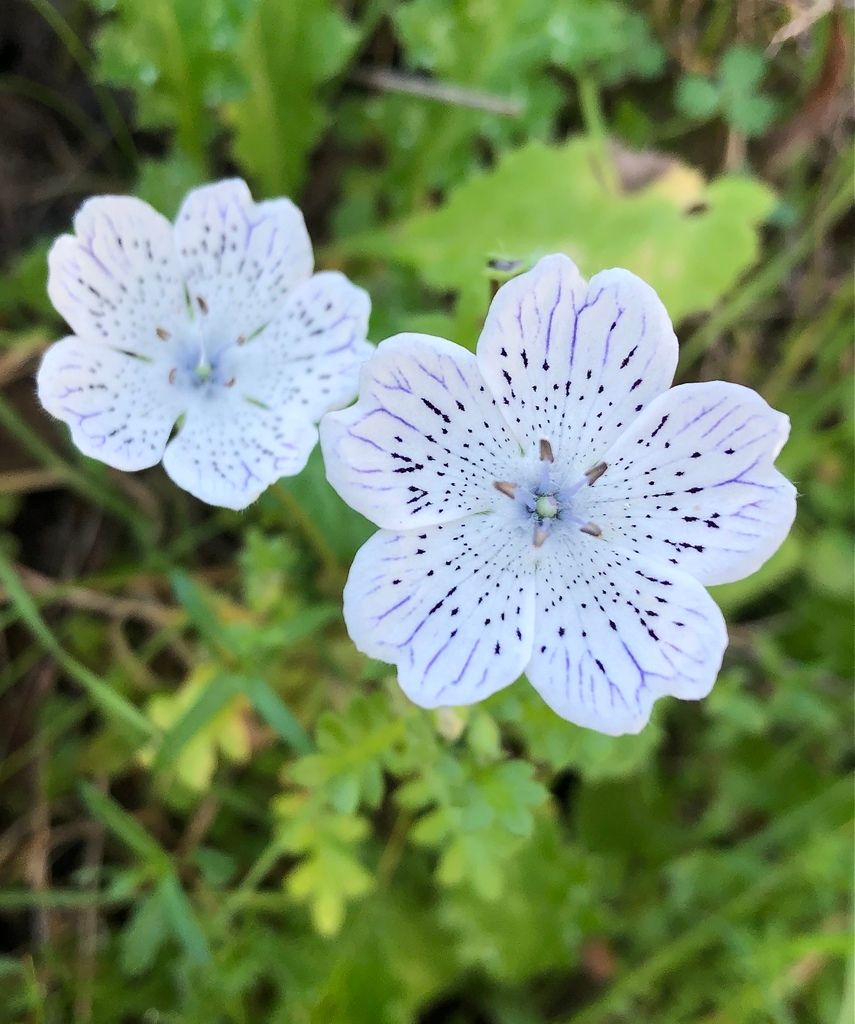
Genus Nemophila
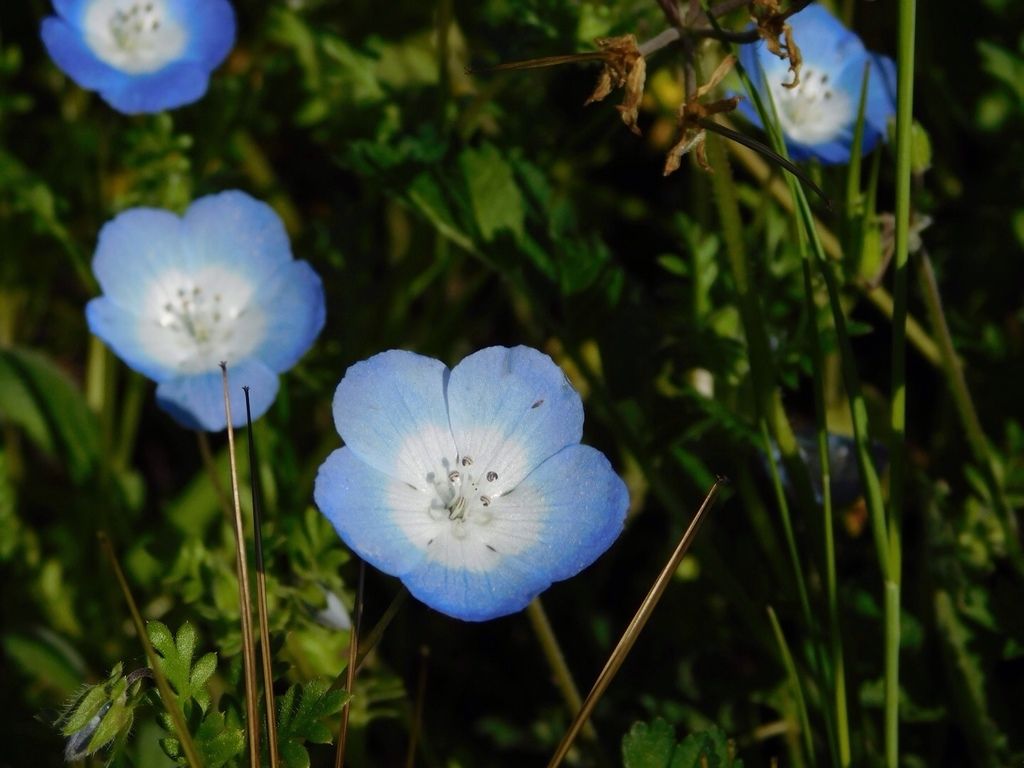
Nemophilas are small, easygoing wildflowers best known for cheerful, sky-blue blooms that can quickly brighten pots, borders, and spring beds while offering simple, accessible nectar and pollen for visiting insects.
Plant Type
Wildflowers (annuals/biennials) > Nemophilas
Aliases
Baby blue eyes
Native Range
Varies by species within the genus; commonly grown as garden annuals.
Bloom window
Spring into early summer (varies by species and planting time)
OVERVIEW
Nemophilas are a simple, cheerful way to add early blooms to a garden or balcony. Because they stay low and don’t take much room, they’re especially useful for edging and containers—perfect for starting a small pollinator-friendly patch.
For best results, sow seeds where you want them to grow and keep the soil lightly moist until seedlings are up. After that, steady watering (without soggy soil) helps plants stay lush and bloom longer. If you’re growing in a pot, use a well-draining mix and check moisture often—containers dry out faster than garden beds.
To keep your planting pollinator-friendly, focus on good growing conditions instead of quick fixes: give plants space, water at the base, and remove problem leaves if they get stressed. A healthy, pesticide-free patch—no matter how small—can be a welcoming stop for flower visitors.
FAST FACTS
Essential stats and requirements for quick reference.
| Category | Details |
|---|---|
| Also known as | Baby blue eyes |
| Bloom window | Spring into early summer (varies by species and planting time) |
| Typical height | Low-growing (varies by species and variety) |
| Pollinators supported | Small bees, Other flower-visiting insects |
| Light & moisture | Sun to part sun; evenly moist soil while establishing |
| Best roles for pollinators | Pots, window boxes, front edges of beds, and small “pollinator patches” where you want quick color and easy care. |
SUMMARY
A quick scan of what they do, what they need, and the best first step.
Nemophilas add a burst of early, open flowers that can be visited by a variety of small pollinators and other beneficial insects.
A bright spot, gentle watering during germination, and soil that drains well but doesn’t bake dry right away.
Direct-sow thinly and keep the top layer of soil lightly moist until seedlings are up.
IMPACT
Key Impacts
RECOGNITION
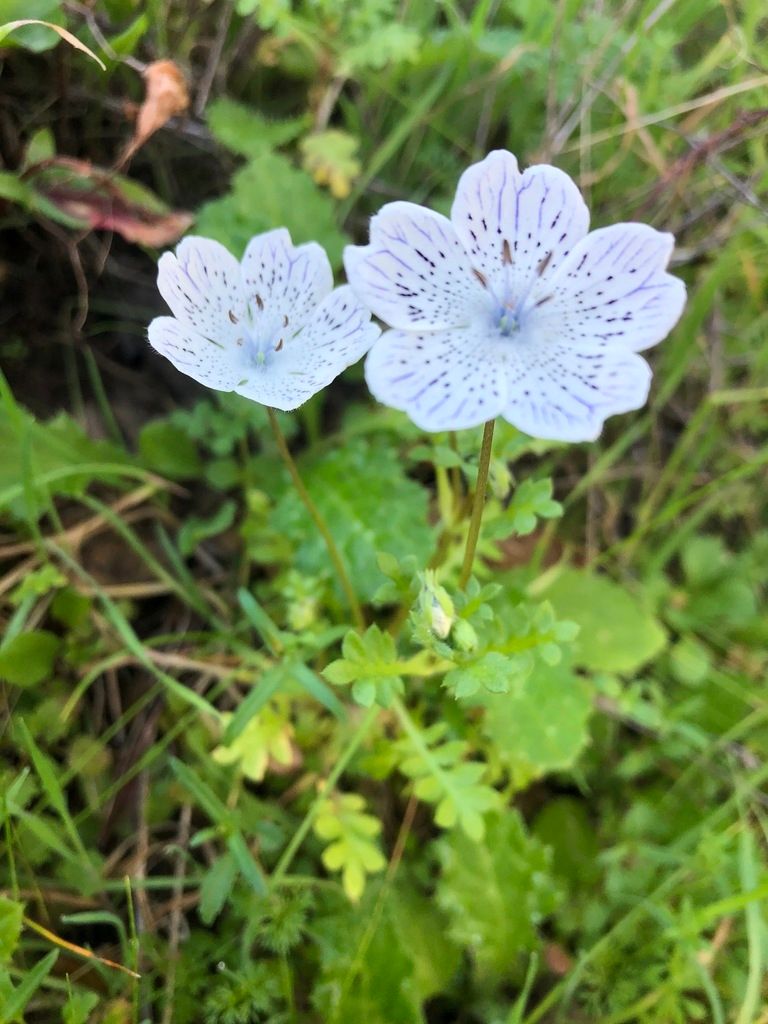
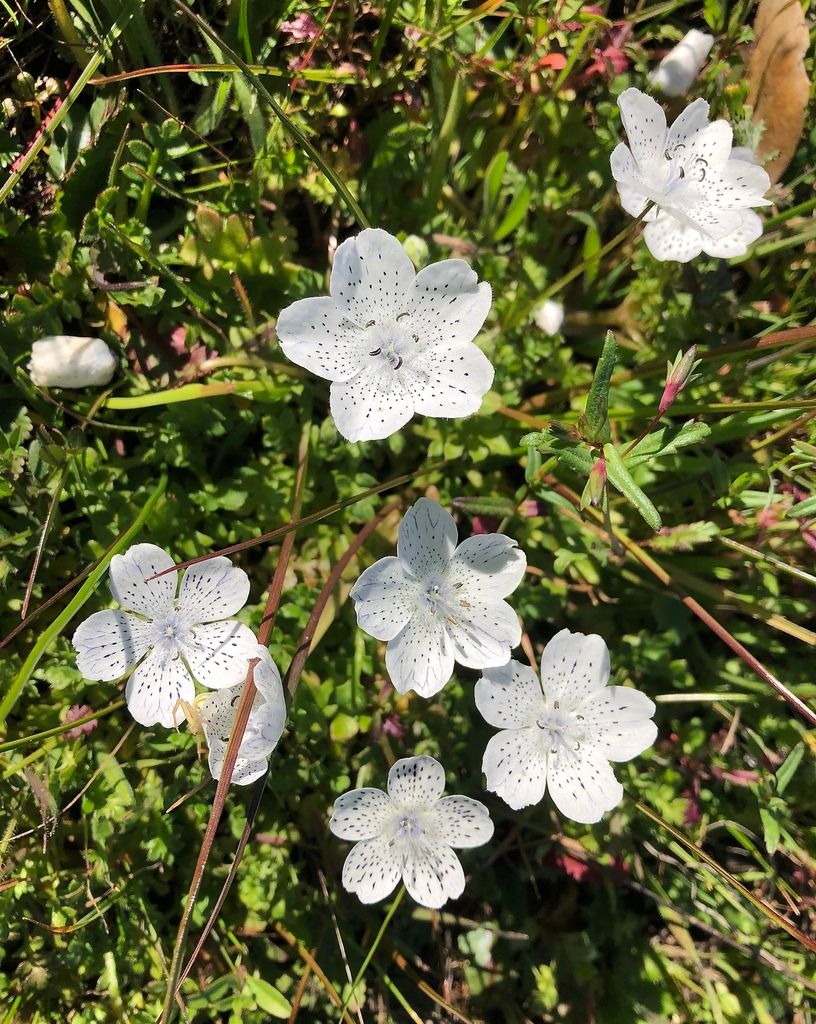
Soft-looking foliage on low, spreading plants; leaves are often finely divided or lobed depending on the species.
Small, open, cup-like blooms; common garden forms are pale blue with lighter centers, sometimes with darker markings.
Small seed capsules that dry as the plant finishes its season.
LOCATION
Native environments and the best spots to place it in your landscape.
SEASONALITY
Notes on bloom windows and how this plant helps pollinators across the seasons.
Nemophilas are often at their best in the cooler part of the growing season, blooming for a concentrated window.
Bloom Season Role: Early-season color and quick nectar/pollen stop
REQUIREMENTS
The right mix of sun, soil, and space for healthy growth.
Sun to part sun; in warmer spots, a little afternoon shade can help blooms last longer.
Loose, well-draining soil; mix in compost for steadier moisture in pots and beds.
Water gently and regularly while seeds sprout and seedlings establish; once growing, aim for consistent moisture without waterlogging.
Direct-sow where you want them to grow; scatter thinly, press into the soil surface, and cover very lightly if needed.
Use a light mulch around (not on top of) seedlings to reduce drying; avoid burying tiny plants.
GARDENING GUIDE
Simple steps to plant, prune, and maintain healthy trees without pesticides.
Pairings
Pairing ideas to keep pollinators fed throughout the growing season.
GLOSSARY
Glossary terms are being added.
What You Can Do
Turn this knowledge into action. Whether you plant a single pot or a whole garden, you are building a vital bridge for local biodiversity.
Join the movement to restore our shared habitats.