
What they do
Provide a quick spring flush of flowers that can support pollinators when blooms are available.
Multiple genera (region-dependent)
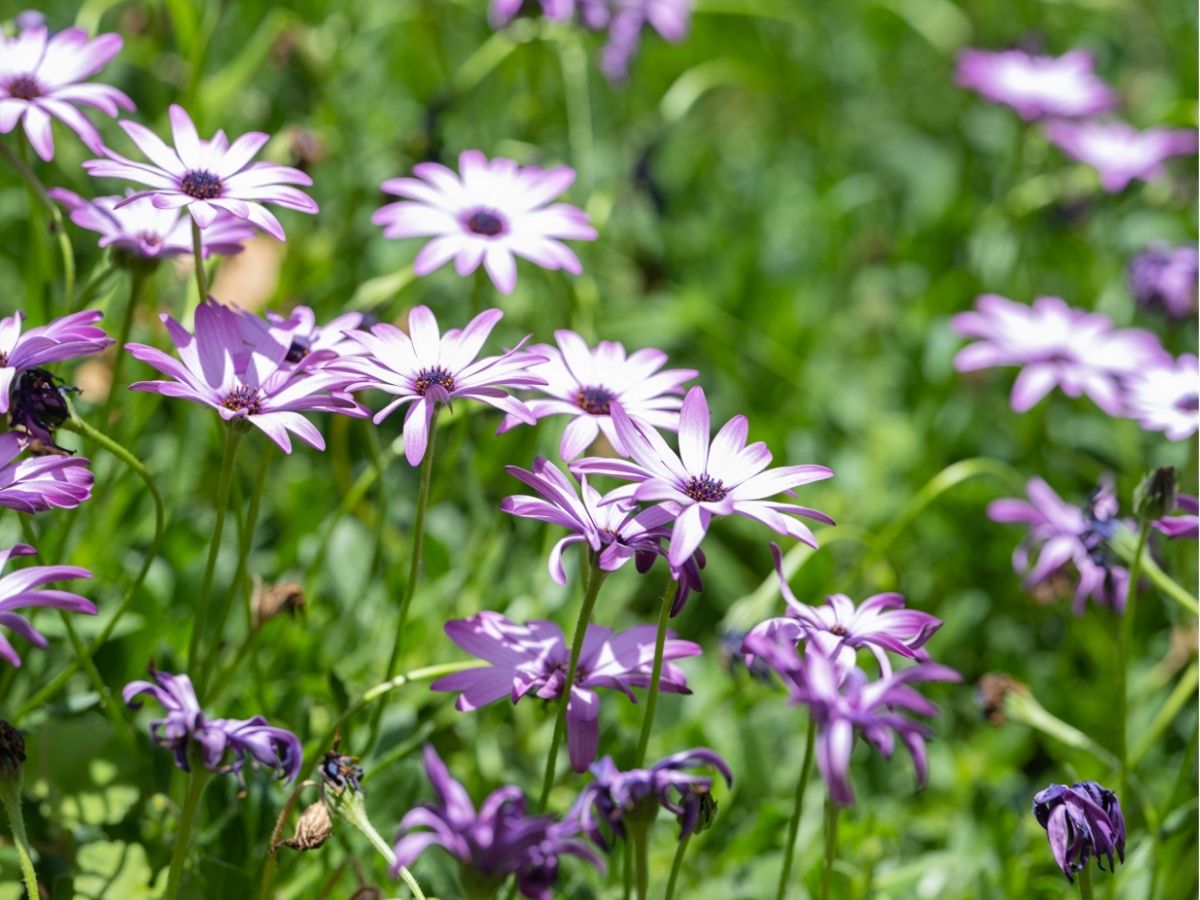
A mix of spring-blooming desert annual wildflowers that can turn bare soil into a short-lived carpet of color after seasonal rains. Great for quick pollinator-friendly blooms in sunny, well-drained spots—especially when you choose seed mixes suited to your region.
Plant Type
Wildflowers (annuals/biennials) > Spring desert annuals
Aliases
Desert annual wildflowers
Native Range
Region-dependent; choose mixes intended for your local area
Bloom window
Spring (timing varies by region and rainfall)
OVERVIEW
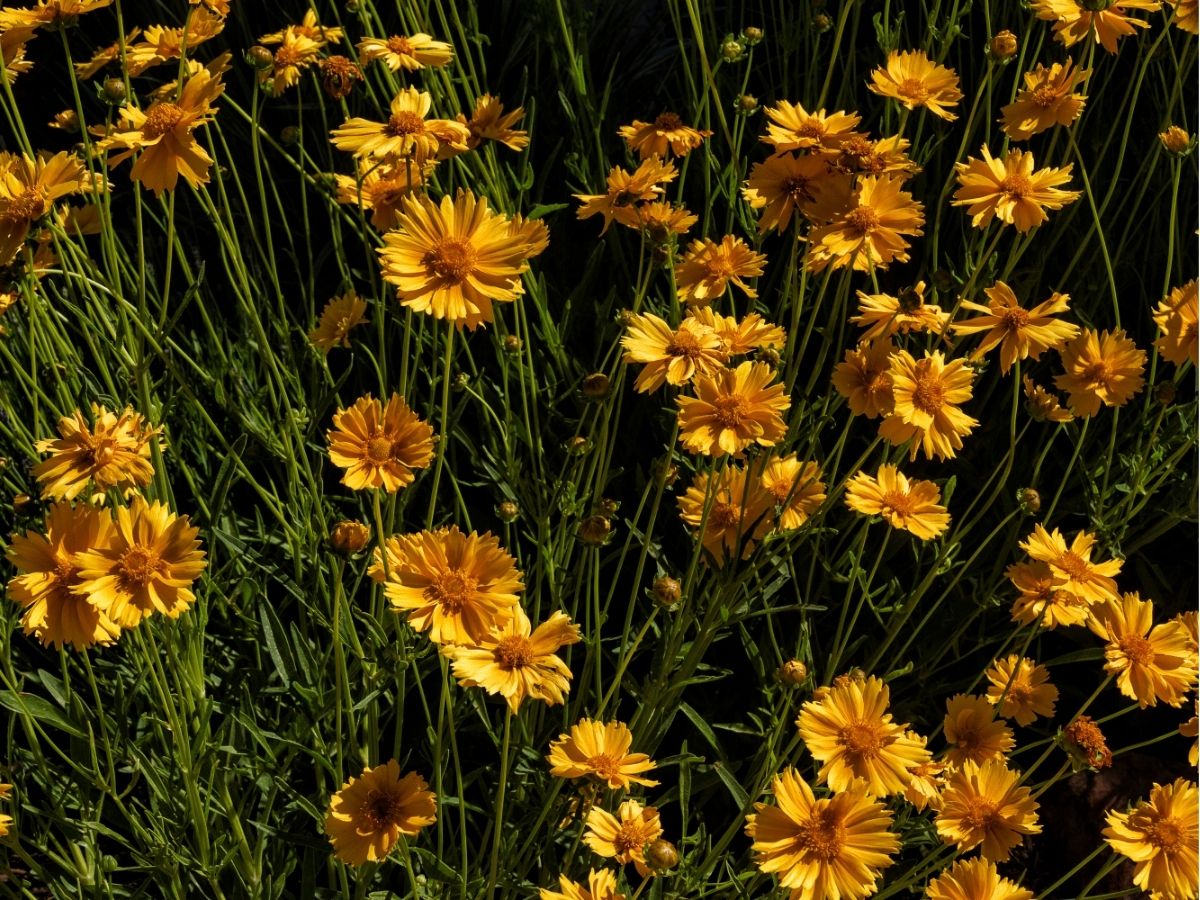
Spring desert annuals (mixed) are a seasonal burst of wildflowers rather than a single species. In nature, they often appear when conditions line up—sun, open ground, and enough moisture for seeds to sprout—then they bloom quickly, set seed, and fade.
In a garden, you can recreate that “pop-up meadow” feeling in a small patch or a container. The key is to keep things simple: choose a seed mix suited to your region, give it full sun, and avoid heavy soil and constant watering. If you let at least some plants finish and drop seed, you may get a repeat show in a future season.
If you’re planting in a pot, pick a wide container with drainage holes and place it where it will get strong sun. Use a well-draining potting mix, sow the seed on the surface, press it in, and water gently. Once seedlings are up, water only when the soil has dried—these plants generally do better with “less, but timely” watering than with frequent soaking.
For pollinators, mixed annuals can be helpful because they offer a variety of flower shapes and sizes in one place. The most pollinator-friendly approach is also the simplest: grow flowers, skip pesticides, and let your patch be a small, safe stopover during bloom.
FAST FACTS
Essential stats and requirements for quick reference.
| Category | Details |
|---|---|
| Also known as | Desert annual wildflowers |
| Bloom window | Spring (timing varies by region and rainfall) |
| Typical height | Low to medium (varies by mix) |
| Pollinators supported | Bees, Butterflies, Flies, Beetles |
| Light & moisture | Full sun; low to moderate moisture with excellent drainage |
| Best roles for pollinators | Sunny, well-drained spots where you want quick, seasonal color and pollinator-friendly blooms—especially in containers or small garden patches. |
SUMMARY
A quick scan of what they do, what they need, and the best first step.
Provide a quick spring flush of flowers that can support pollinators when blooms are available.
Sun, open soil, and a light hand with watering—plus a seed mix matched to your region.
Choose a region-appropriate seed mix and sow it on bare, well-drained soil where it will get plenty of sun.
IMPACT
Key Impacts
RECOGNITION
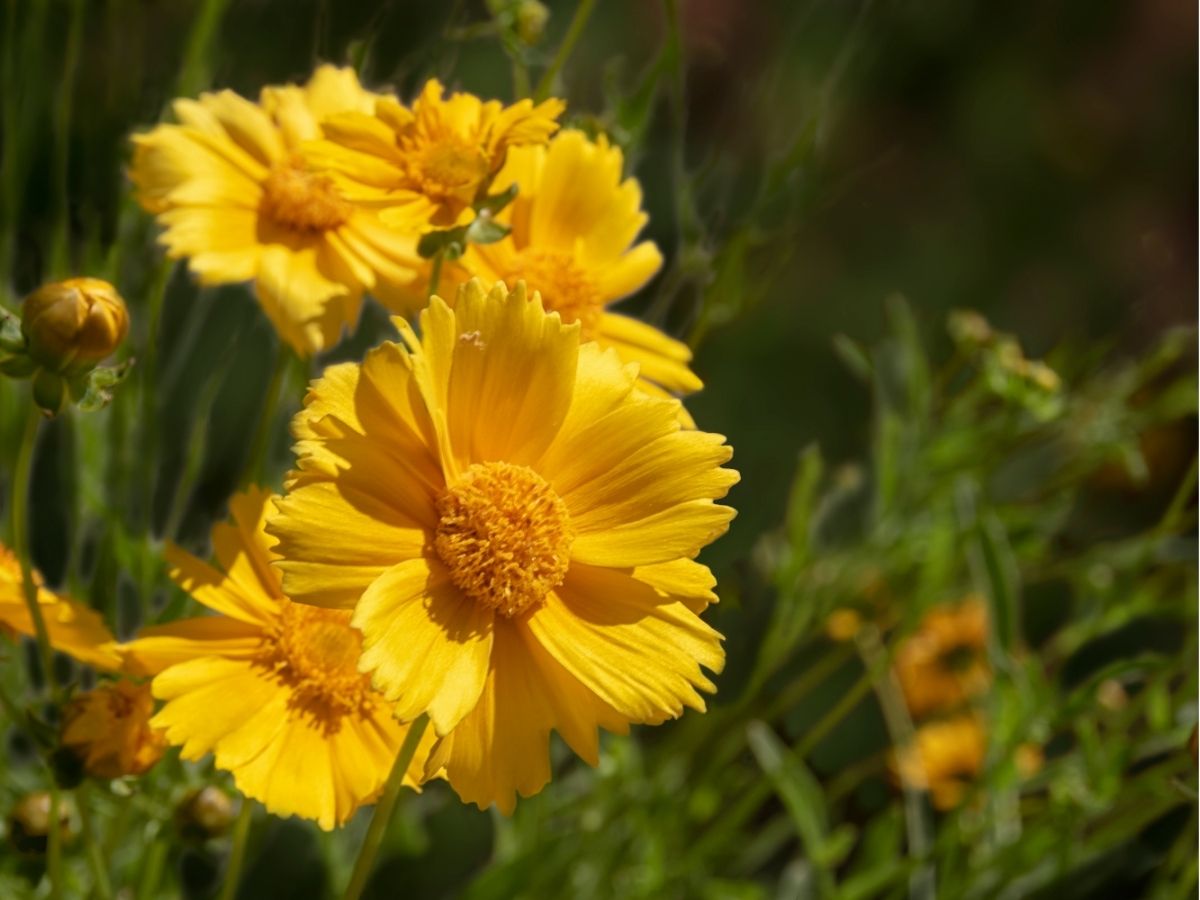
Varies by species; often small to medium leaves on slender stems, with a mix of shapes across the patch.
Varies widely; look for many small blooms across multiple plants, often peaking together in spring.
Often small pods or dry seed heads that form soon after flowering; leaving them to mature helps reseeding.
LOCATION
Native environments and the best spots to place it in your landscape.
SEASONALITY
Notes on bloom windows and how this plant helps pollinators across the seasons.
Spring desert annuals tend to bloom in a concentrated window, then finish quickly as conditions dry.
Bloom Season Role: Fast spring burst of blooms
REQUIREMENTS
The right mix of sun, soil, and space for healthy growth.
Full sun is best for strong flowering.
Well-drained soil is key. If your soil stays wet, use a raised area or a container with drainage holes.
Water lightly to help seeds start, then reduce watering once seedlings are established. Avoid keeping the soil constantly wet.
Sow on bare soil and press seed in for good contact. Don’t bury deeply—many small seeds need light or shallow coverage to sprout.
Skip thick mulch at sowing time. If you mulch nearby, keep it thin and away from the seeded area until plants are established.
GARDENING GUIDE
Simple steps to plant, prune, and maintain healthy trees without pesticides.
Pairings
Pairing ideas to keep pollinators fed throughout the growing season.
GLOSSARY
Glossary terms are being added.
What You Can Do
Turn this knowledge into action. Whether you plant a single pot or a whole garden, you are building a vital bridge for local biodiversity.
Join the movement to restore our shared habitats.