Skip to content
Agrimony (*Agrimonia* spp.)
Plant profile

Agrimony

Genus Agrimonia

Agrimony is a group of easygoing wildflowers in the genus Agrimonia, known for their tall, slender spikes of small yellow blooms and their ability to fit into natural-looking gardens.

Plant Type

Wildflowers (herbaceous perennials) > Agrimony

Aliases

Agrimony

Native Range

Varies by species within the genus; some agrimonies are native in parts of North America and Eurasia.

Bloom window

Summer

OVERVIEW

About This Plant

Agrimony is a great “supporting actor” plant: it won’t overpower a garden with huge flowers, but it adds a steady run of small blooms and a tall, natural shape that helps a planting feel alive and layered.

If you’re building a pollinator-friendly patch, think of agrimony as part of the structure—something that can rise through other perennials and grasses, adding bloom and texture through summer. Give it decent light, keep it out of soggy soil, and let it mingle with other plants for a relaxed, meadow-like look.

Best role for pollinators
Naturalized garden edges, meadow-style beds, and mixed perennial plantings where you want upright height without a heavy look.
Agrimony (Agrimonia spp.)
https://www.inaturalist.org/photos/130521224 Photo: (c) Pedro Beja, some rights reserved (CC BY-NC) | CC-BY-NC | iNaturalist

FAST FACTS

Quick Details

Essential stats and requirements for quick reference.

Also known asAgrimony
Bloom windowSummer
Typical heightMedium to tall
Pollinators supportedBees, Butterflies, Flies
Light & moistureAdaptable; aim for a bright spot and soil that doesn’t stay soggy.
Best roles for pollinatorsNaturalized garden edges, meadow-style beds, and mixed perennial plantings where you want upright height without a heavy look.

SUMMARY

If You Remember Three Things

A quick scan of what they do, what they need, and the best first step.

What they do

Agrimony adds summer flowers and a tall, airy shape that can attract a variety of visiting insects.
What they need

A sunny-to-bright location, average garden soil, and room to stand upright among other plants.

One best action

Place it where it gets good light and isn’t crowded by aggressive, taller plants.

IMPACT

Why Plant This?

Agrimony is a simple, practical wildflower for building a flower-rich patch: it adds summer blooms, vertical structure, and a natural look that can welcome a range of visiting insects.
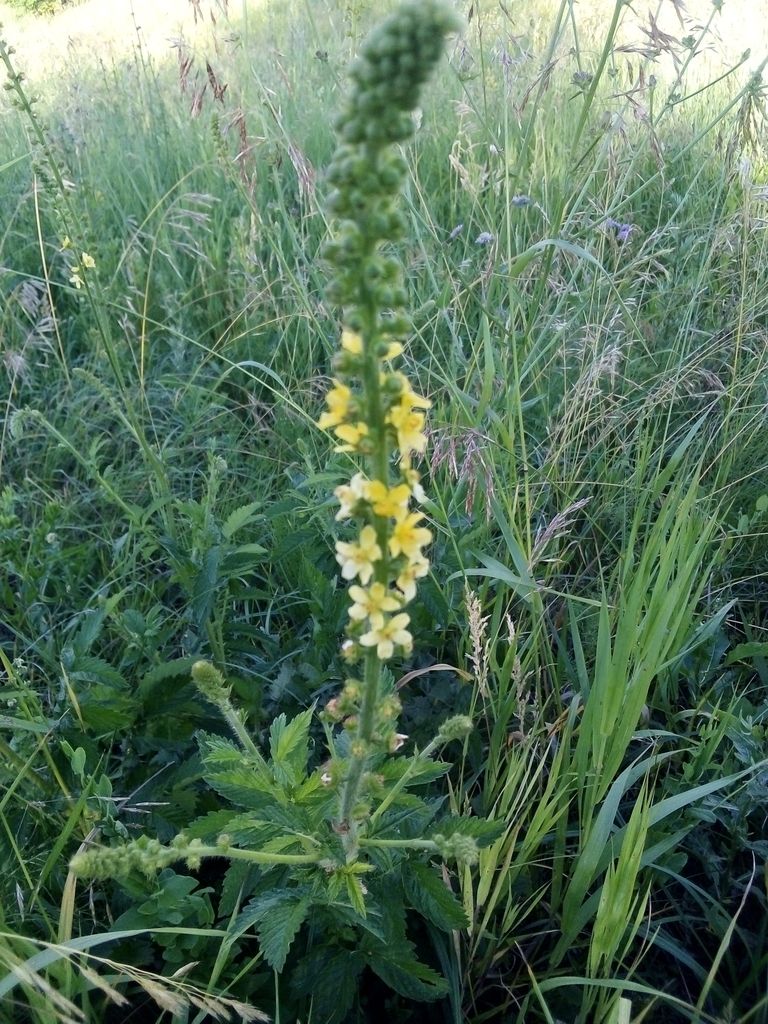
Agrimony flowers open in sequence along the stem, so a single plant can show buds, blooms, and developing seed at the same time.

Key Impacts

What it Supports

  • Small, open flowers can be easy for many insects to visit.
  • Upright stems add height and texture without blocking views in a mixed bed.
  • A good “in-between” plant for filling gaps in meadow-style plantings.

RECOGNITION

Identification Guide

Use these quick clues to recognize agrimony in the garden.

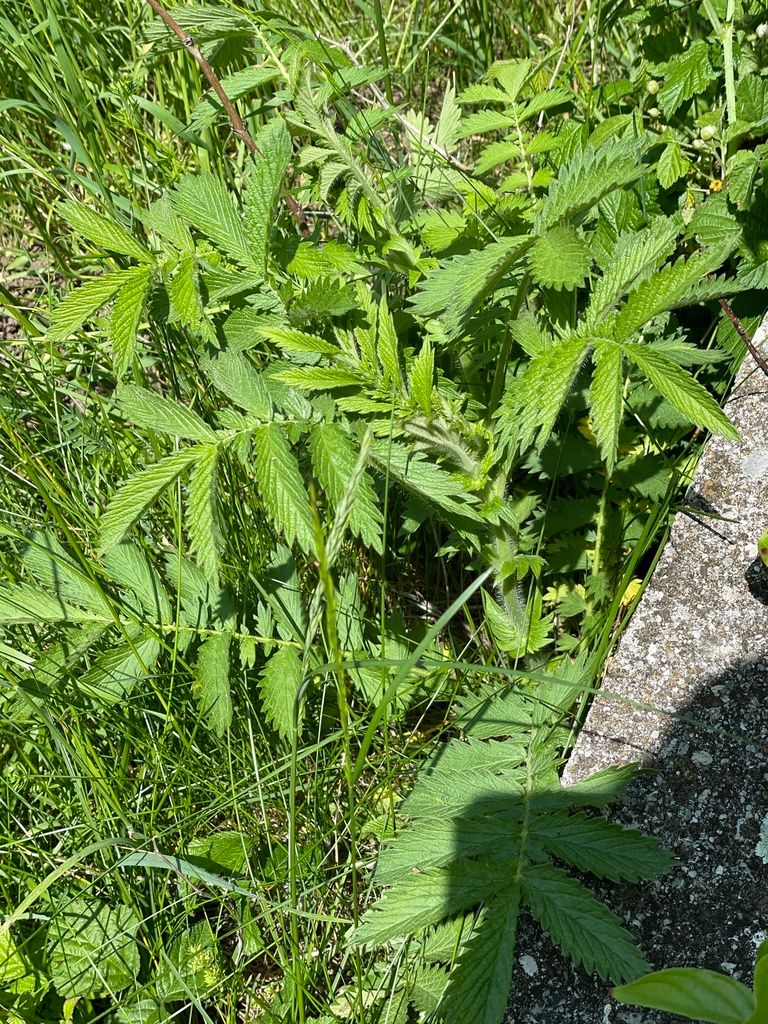
Leaves

Leafy growth forms a green base, with flowering stems rising above; overall look is tidy but natural.

Flowers

Many small yellow flowers arranged along an upright, wand-like spike.

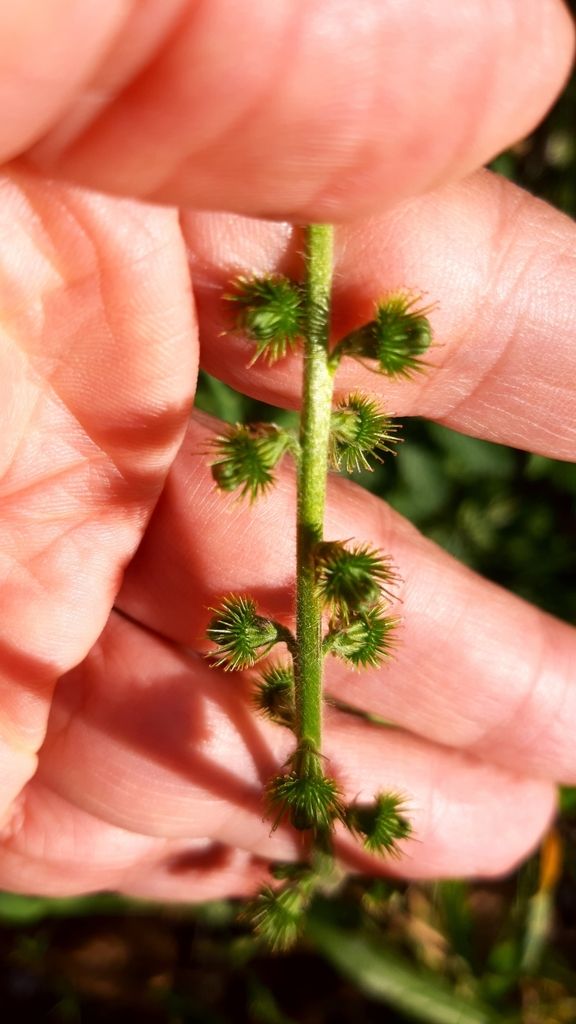
Fruits

After flowering, the spike develops seed structures along the stem.
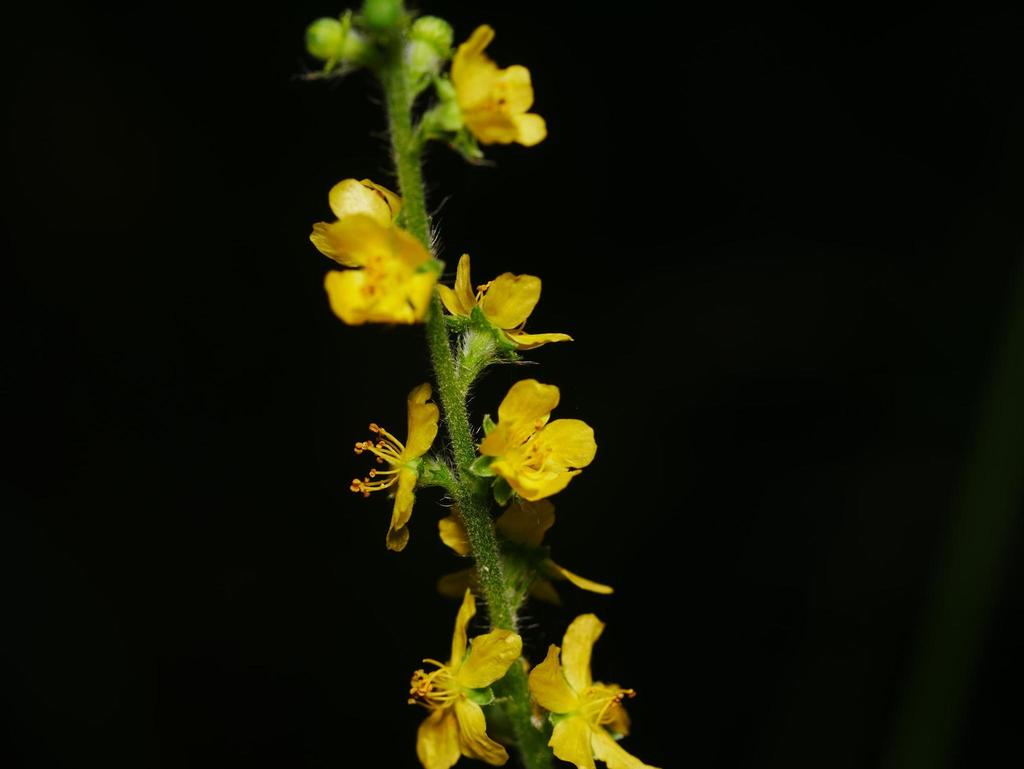
Agrimony (Agrimonia spp.)
https://www.inaturalist.org/photos/90487674 Photo: (c) Alexis Tinker-Tsavalas, some rights reserved (CC BY) | CC-BY | iNaturalist
Agrimony (Agrimonia spp.)

LOCATION

Where It Grows

Native environments and the best spots to place it in your landscape.

Habitats

  • Meadow edges
  • Open woods and clearings
  • Roadsides and field margins

Where it is often used

  • Meadow-style plantings
  • Pollinator-friendly borders
  • Naturalized edges and paths
  • Mixed perennial beds for vertical texture

SEASONALITY

When It Blooms

Notes on bloom windows and how this plant helps pollinators across the seasons.

Bloom window

Agrimony typically blooms in the warmer part of the growing season.

Bloom Season Role: Adds a light, vertical layer of small blooms that can weave through other plants.

Seasonal benefits

  • Adds mid-season flowers when many spring blooms have finished
  • Provides a tall, see-through layer that pairs well with broader-leaved plants

REQUIREMENTS

What It Needs

The right mix of sun, soil, and space for healthy growth.

Sun exposure

Best in sun to part shade; more light usually means sturdier stems and better flowering.

Soil type

Average garden soil is fine; avoid sites that stay waterlogged.

Moisture needs

Water to establish, then water during long dry spells if plants look stressed.

Planting method

Plant with enough space for airflow and to prevent it from being swallowed by larger neighbors.

Mulching tips

Use a light mulch layer to reduce weeds, keeping mulch off the crown of the plant.

GARDENING GUIDE

How to Grow It

Simple steps to plant, prune, and maintain healthy trees without pesticides.

Planting tips

  • Choose a spot with good light and soil that drains reasonably well.
  • Loosen the soil and remove tough weeds before planting.
  • Plant at the same depth it was growing in its pot.
  • Water well after planting and keep evenly moist until established.
  • Add a thin mulch layer to help hold moisture and reduce weeds.

Seasonal care

  • Weed around young plants so they aren’t crowded out.
  • Stake only if needed; in brighter spots, stems often stay upright on their own.
  • After flowering, you can leave stems for structure or trim if you prefer a tidier look.
  • Divide or thin if clumps become crowded over time.

What not to do

  • Planting in a spot that stays soggy after rain
  • Tucking it behind taller plants that block the light
  • Using broad-spectrum pesticides “just in case”

Pairings

Best Pairings for Season-Long Bloom

Pairing ideas to keep pollinators fed throughout the growing season.

Early Bloom

  • Spring ephemerals (woodland wildflowers)
  • Early-blooming native perennials

Mid-Season Bloom

  • Grasses and grass-like plants
  • Other summer-blooming wildflowers

Late-Season Bloom

  • Late-season asters
  • Goldenrods
  • Other fall-blooming perennials
“Agrimony” can refer to different species within Agrimonia. If you’re shopping locally, check the label for the species name and choose options suited to your area and garden goals.

GLOSSARY

Key Terms

A few quick terms you might see on plant tags or garden guides:

Glossary terms are being added.

What You Can Do

Make a difference for native habitats.

Turn this knowledge into action. Whether you plant a single pot or a whole garden, you are building a vital bridge for local biodiversity.

Join the movement to restore our shared habitats.

Pollinators supported

Species that benefit from this plant

Pollinator links are being added for this plant.

Regions

Where this plant is native

Regional links are being added for this plant.