
What they do
Prairie bergamots provide reliable summer blooms that help keep pollinators fed when many spring flowers are finished.
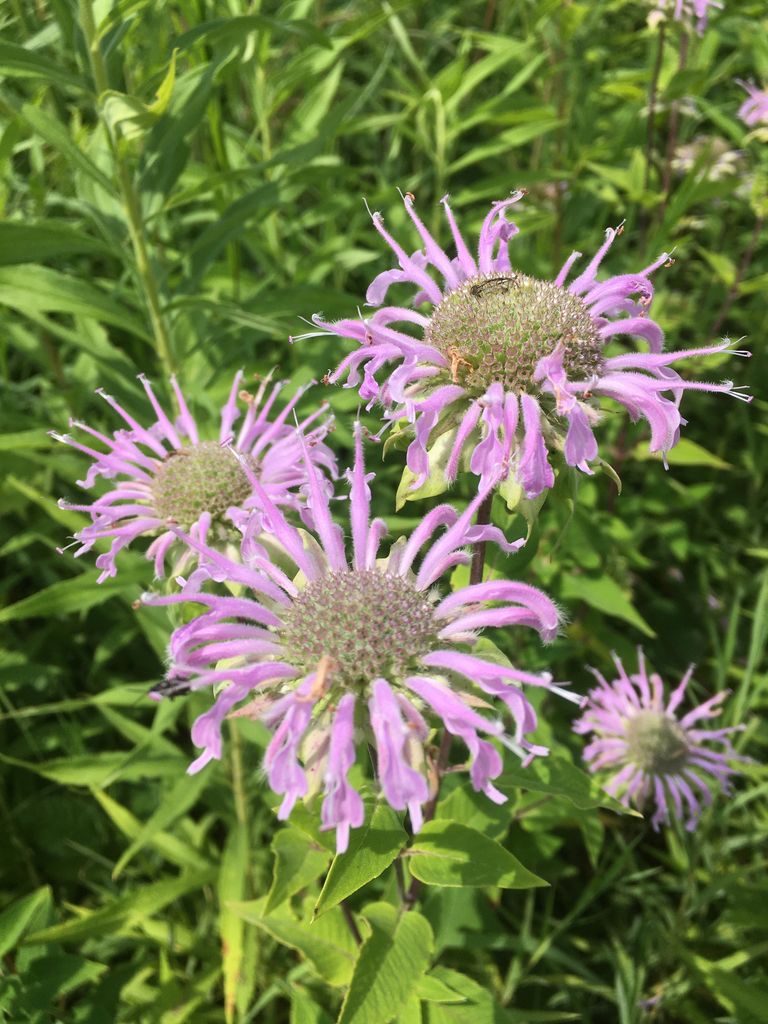
Genus Monarda (prairie spp.)
Prairie bergamots (Monarda species) are fragrant, long-blooming wildflowers that bring steady pollinator activity to sunny gardens and naturalized patches.
Plant Type
Wildflowers (herbaceous perennials) > Bergamot
Aliases
Bergamot
Native Range
Prairie and open habitats in parts of North America (species vary)
Bloom window
Summer into late summer (varies by species and site)
OVERVIEW
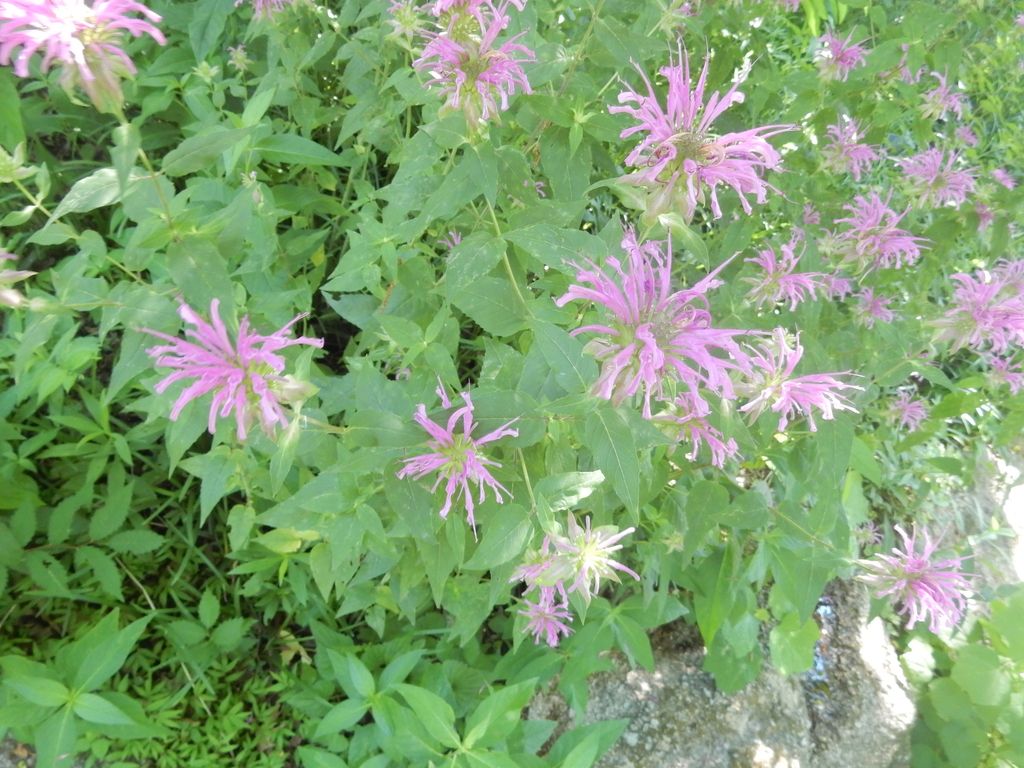
Prairie Bergamot (Genus Monarda, prairie spp.) is a robust native wildflower, offering dependable height and structure in layered habitat gardens. It is a “workhorse” plant, thriving in sunny sites with well-drained soil, and its upright habit makes it simple to integrate into borders or small habitat patches where vertical interest is desired.
Its major ecological contribution is its long summer bloom window, providing copious, easily accessible nectar and pollen for a wide array of North American pollinators, including native bees, butterflies, and hummingbirds. To maximize its value as a functional habitat plant, ensure good airflow and avoid all pesticides. A healthy, well-sited plant is often the most beneficial for local wildlife.
FAST FACTS
Essential stats and requirements for quick reference.
| Category | Details |
|---|---|
| Also known as | Bergamot |
| Bloom window | Summer into late summer (varies by species and site) |
| Typical height | About knee- to waist-high (varies by species and conditions) |
| Pollinators supported | Bees, Butterflies, Moths, Hummingbirds |
| Light & moisture | Sun to part sun; average to moderately dry soils once established |
| Best roles for pollinators | Sunny pollinator gardens, schoolyard habitat patches, meadow-style plantings, and fragrant borders |
SUMMARY
A quick scan of what they do, what they need, and the best first step.
Prairie bergamots provide reliable summer blooms that help keep pollinators fed when many spring flowers are finished.
Sun, decent drainage, and a little space for airflow.
Give plants room and good air circulation to keep them looking their best.
IMPACT
Key Impacts
RECOGNITION
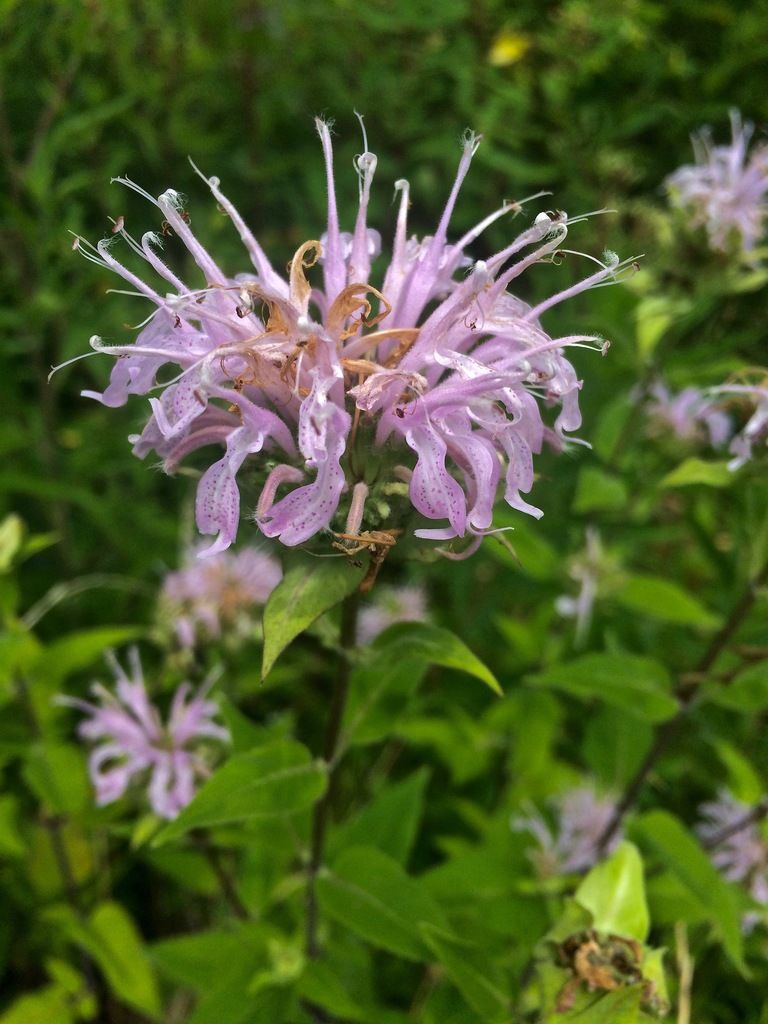
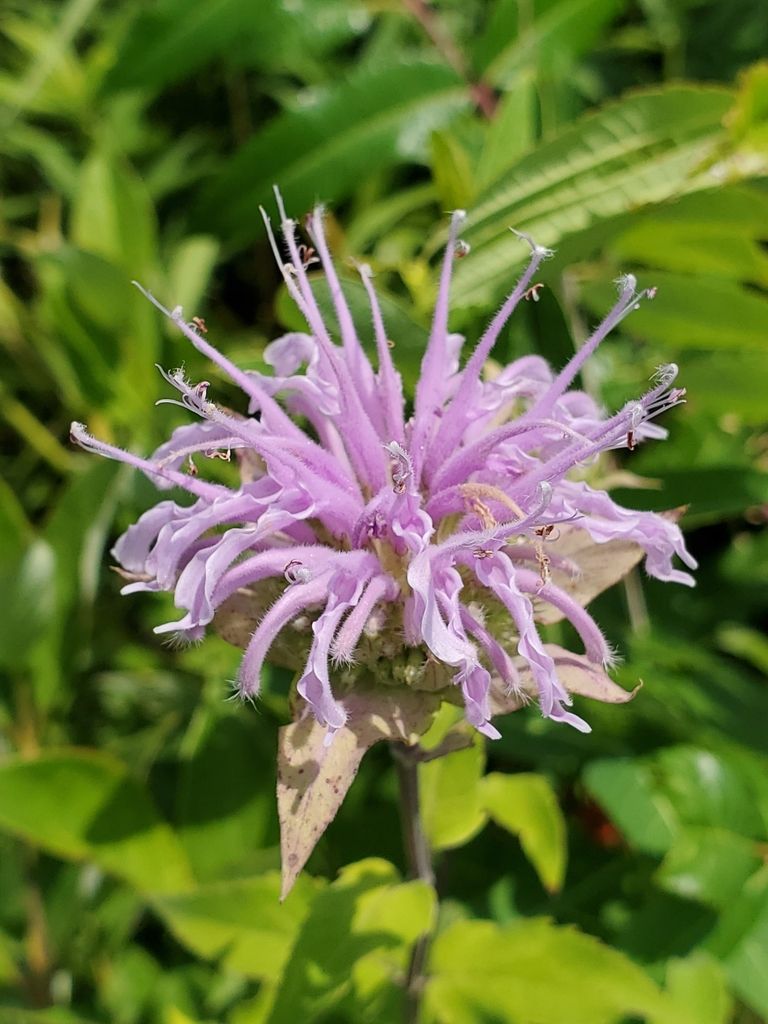
Opposite leaves with a slightly rough texture; aromatic when rubbed; mint-family look.
Tufted, tubular flowers packed into a rounded head; often pink to purple tones; blooms over weeks.
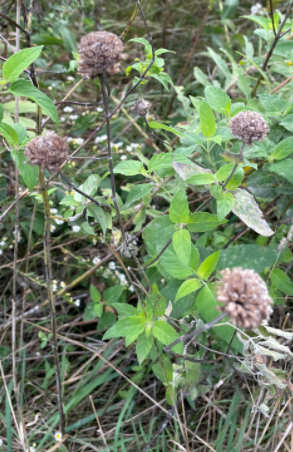
After flowering, the heads dry and hold small seeds; leaving stems standing can add winter interest.
LOCATION
Native environments and the best spots to place it in your landscape.
SEASONALITY
Notes on bloom windows and how this plant helps pollinators across the seasons.
Prairie bergamot typically shines from mid-summer into late summer, helping bridge the gap between early-season flowers and fall bloomers.
Bloom Season Role: Mid-to-late season nectar and pollen
REQUIREMENTS
The right mix of sun, soil, and space for healthy growth.
Best in full sun; tolerates part sun with fewer blooms.
Prefers well-drained soil; handles average garden soil; avoid constantly wet spots.
Water to establish; once settled, water during long dry spells, especially in containers.
Plant in spring or fall. Space plants so air can move between them.
Use a light mulch to reduce weeds, but keep mulch off the crown to avoid staying too damp.
GARDENING GUIDE
Simple steps to plant, prune, and maintain healthy trees without pesticides.
Pairings
Pairing ideas to keep pollinators fed throughout the growing season.
GLOSSARY
Glossary terms are being added.
What You Can Do
Turn this knowledge into action. Whether you plant a single pot or a whole garden, you are building a vital bridge for local biodiversity.
Join the movement to restore our shared habitats.