

What they do
Bloodroot adds early spring flowers that can help support pollinators when not much else is blooming.
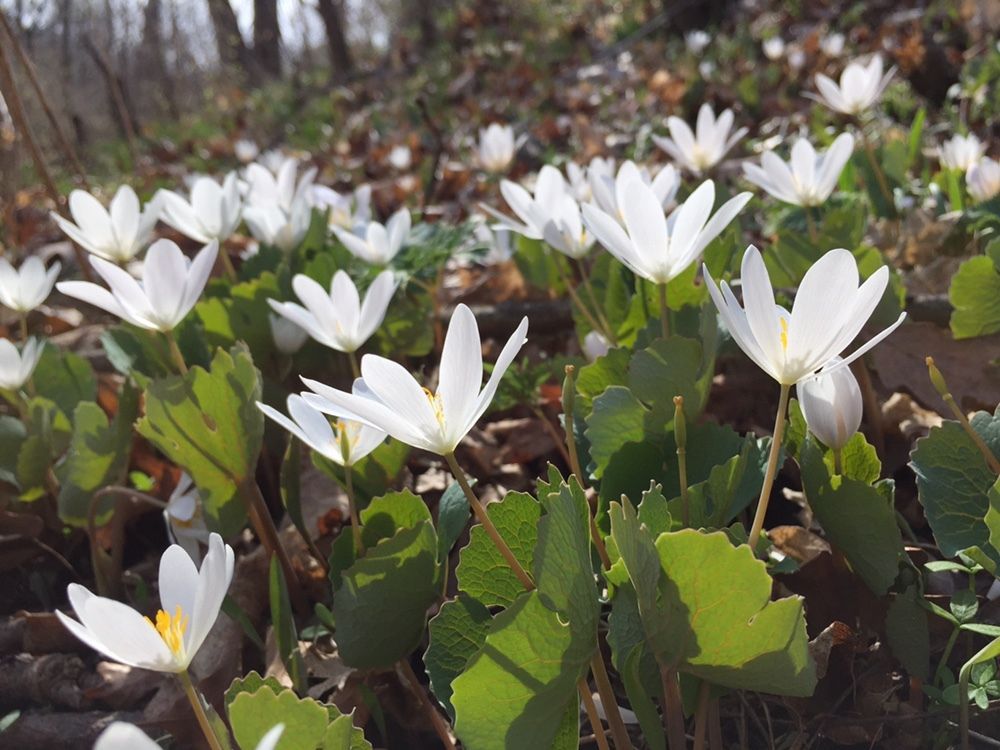
Species Sanguinaria canadensis
Bloodroot is a spring-blooming woodland wildflower with bright white flowers and a distinctive red-orange sap. It’s a great choice for shady gardens where you want early-season blooms for pollinators.
Plant Type
Wildflowers (herbaceous perennials) > Bloodroot
Aliases
Bloodroot
Native Range
Eastern North America
Bloom window
Early spring
OVERVIEW
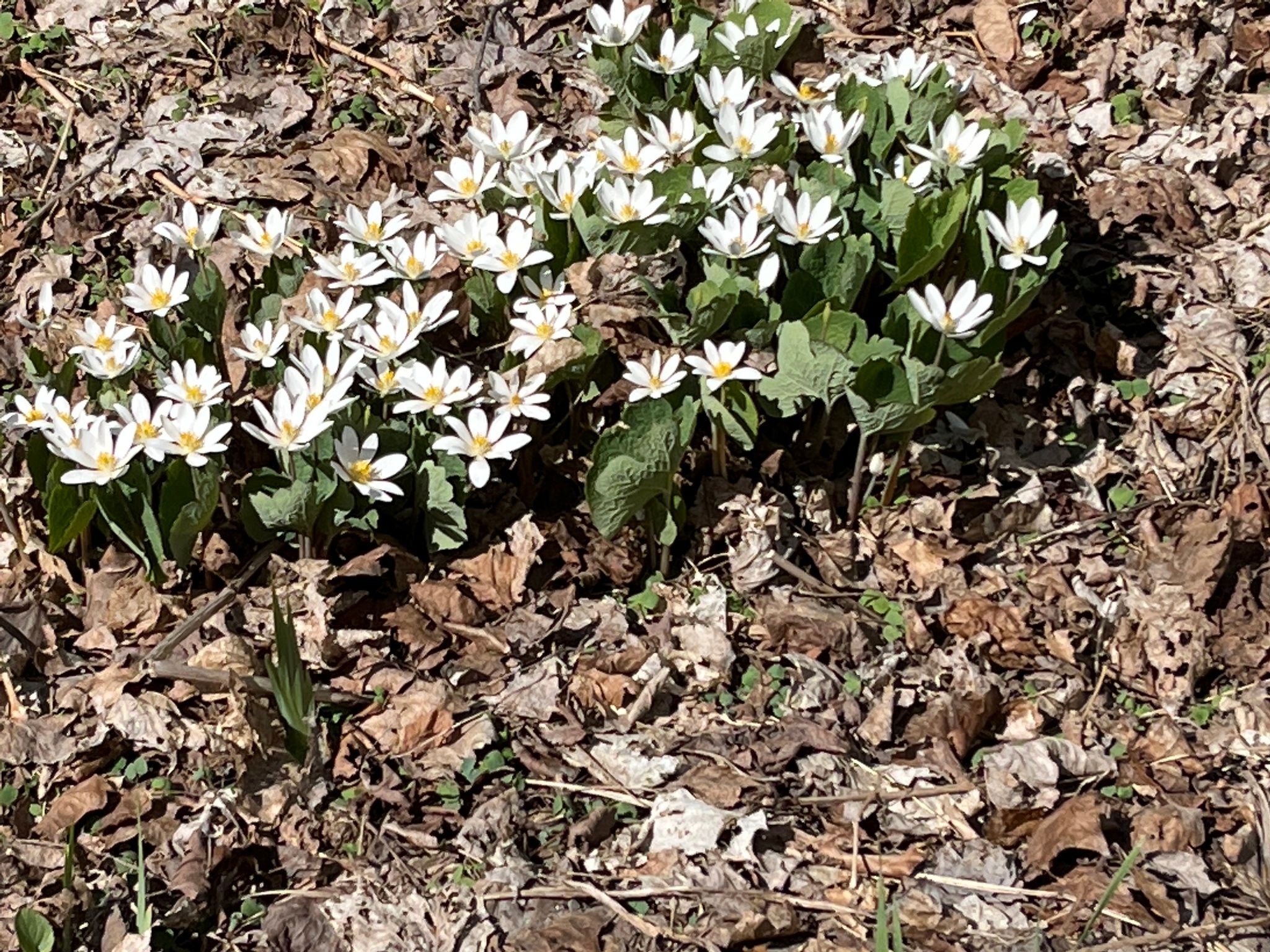
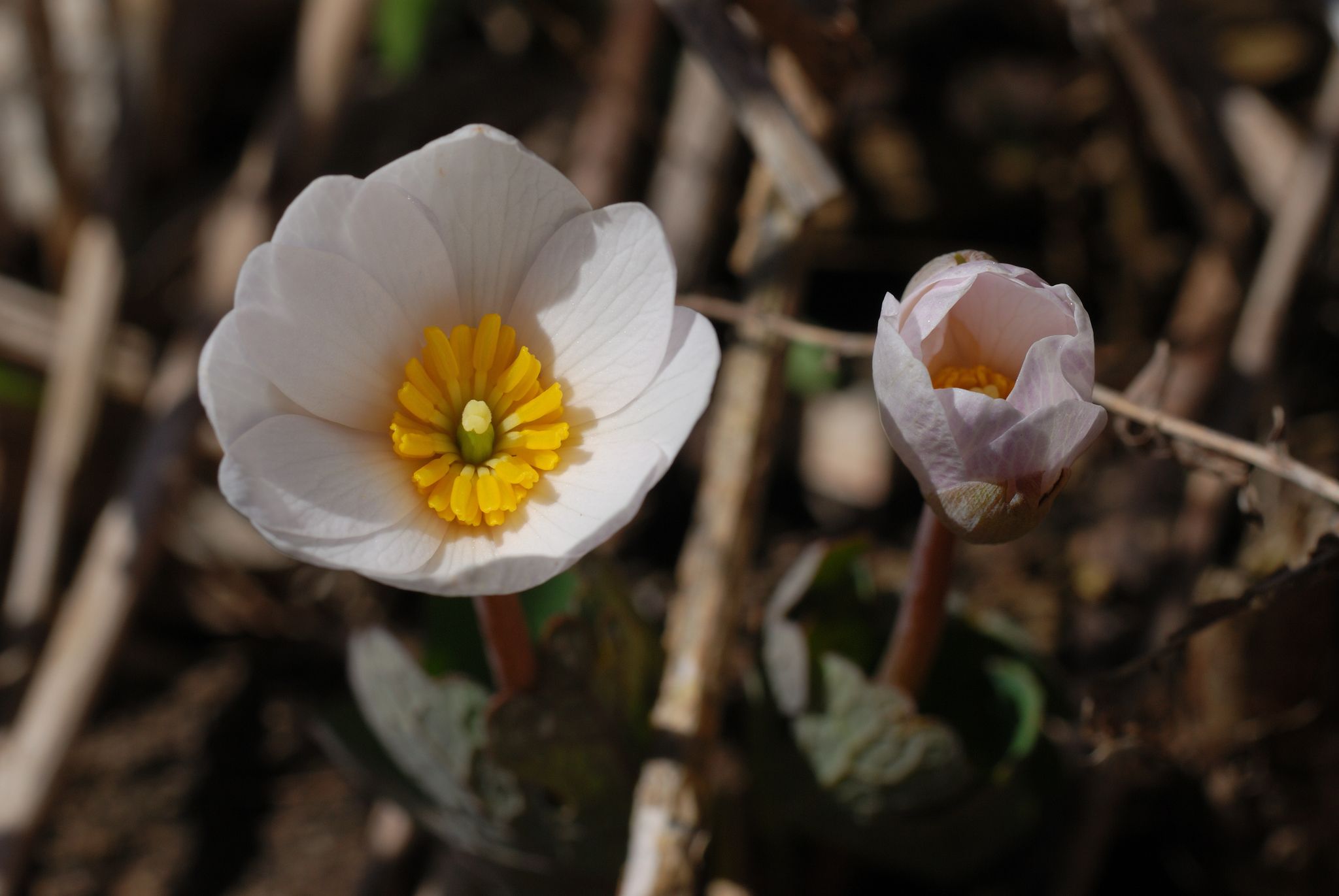
Bloodroot (Sanguinaria canadensis) is a woodland wildflower that shines in early spring. The flowers are bright white with a sunny yellow center, and they can be surprisingly short-lived—sometimes only a few days—especially if the weather turns warm.
In gardens, bloodroot does best when you copy the conditions of a forest floor: dappled light, rich soil, and steady moisture in spring. It’s a good plant for under deciduous trees, where it can bloom before the canopy fully leafs out.
For pollinators, early blooms matter because there are fewer flowers available at that time of year. Plant bloodroot as part of a mix of spring and summer bloomers so something is flowering across the seasons.
If you’re new to woodland plants, the biggest tip is simple: don’t panic when it disappears. Bloodroot is a spring ephemeral, meaning it may go dormant after flowering. Mark the spot and let it do its seasonal cycle.
FAST FACTS
Essential stats and requirements for quick reference.
| Category | Details |
|---|---|
| Also known as | Bloodroot |
| Bloom window | Early spring |
| Typical height | Low-growing; typically under 1 foot tall |
| Pollinators supported | Bees, Flies |
| Light & moisture | Part shade to shade; evenly moist, well-drained soil |
| Best roles for pollinators | Shady gardens, woodland edges, and early-season pollinator support |
SUMMARY
A quick scan of what they do, what they need, and the best first step.
Bloodroot adds early spring flowers that can help support pollinators when not much else is blooming.
A shady, woodland-like spot with rich soil and steady moisture, especially in spring.
Plant it where it gets morning sun or dappled light and keep the soil from drying out while it’s actively growing.
IMPACT
Key Impacts
RECOGNITION
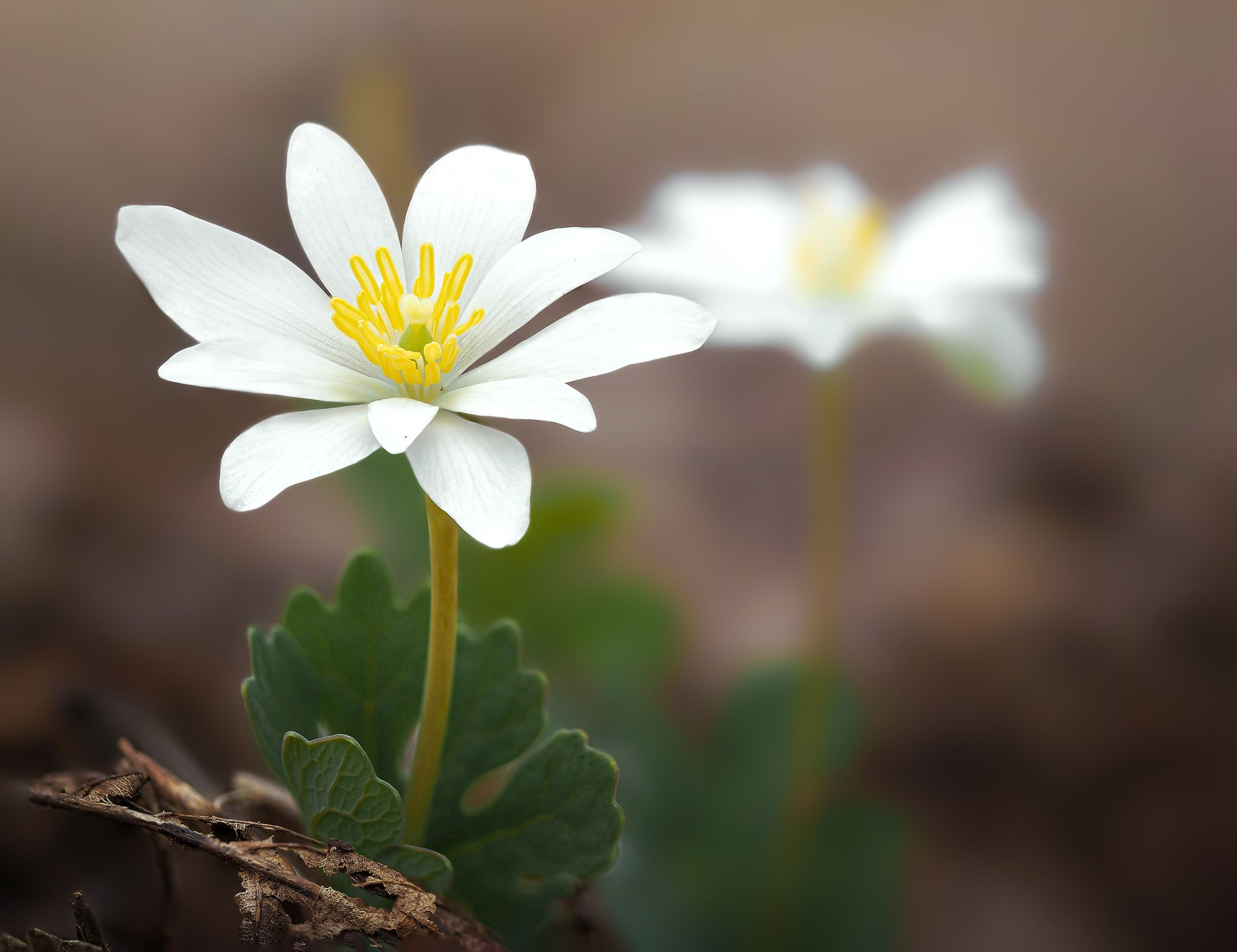
A single leaf often wraps around the flower stalk at first, then unfurls into a rounded, lobed leaf with wavy edges.
White flower with a yellow center; petals may be numerous and can drop quickly after blooming.
A small seed pod forms after flowering; plants may spread slowly over time.
LOCATION
Native environments and the best spots to place it in your landscape.
SEASONALITY
Notes on bloom windows and how this plant helps pollinators across the seasons.
Bloodroot blooms early, often before many garden perennials have fully emerged.
Bloom Season Role: Early-season nectar and pollen
REQUIREMENTS
The right mix of sun, soil, and space for healthy growth.
Dappled shade or part shade; avoid harsh, hot afternoon sun.
Rich, humus-filled soil that drains well; leaf mold or compost helps mimic woodland conditions.
Keep evenly moist during spring growth; once established, it can handle short dry spells better after it goes dormant.
Plant in fall or early spring in a sheltered spot; give it room to form a small clump over time.
Use a light layer of shredded leaves or compost to hold moisture and protect the soil—avoid piling mulch directly on crowns.
GARDENING GUIDE
Simple steps to plant, prune, and maintain healthy trees without pesticides.
Pairings
Pairing ideas to keep pollinators fed throughout the growing season.
GLOSSARY
Glossary terms are being added.
What You Can Do
Turn this knowledge into action. Whether you plant a single pot or a whole garden, you are building a vital bridge for local biodiversity.
Join the movement to restore our shared habitats.