
What they do
Borage-family native wildflowers add steady nectar and pollen and help make a garden feel “alive” with pollinator activity.
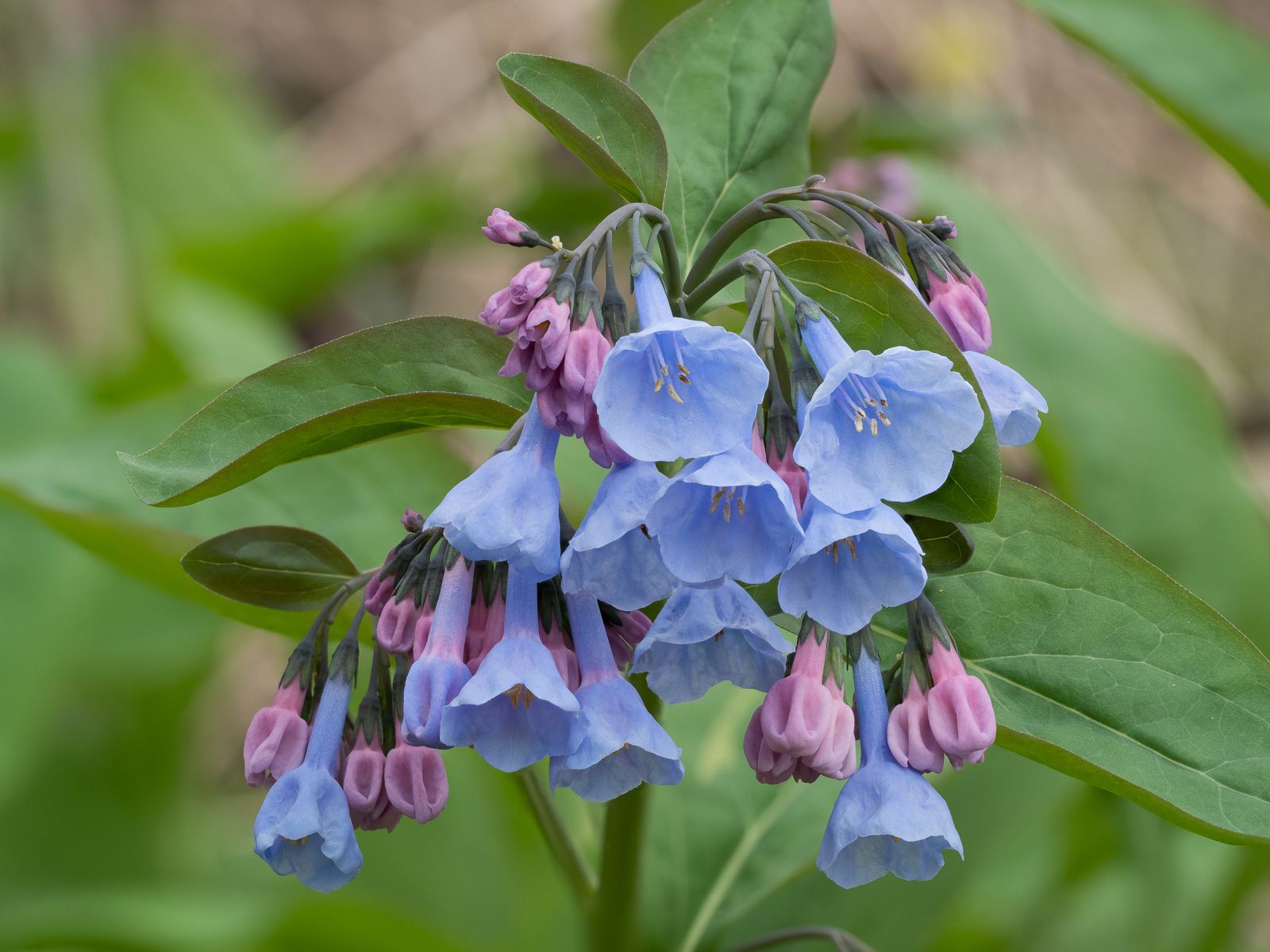
Family Boraginaceae (native genera)
Native plants in the borage family (Boraginaceae) include tough, bee-friendly wildflowers that can fit into gardens, schoolyards, and even large containers. They’re a simple way to add more nectar and pollen through the growing season while keeping your planting low-fuss.
Plant Type
Wildflowers (herbaceous perennials) > Borage family natives
Aliases
Borage family natives
Native Range
Native species occur in parts of North America; choose species native to your local area in and around Toronto.
Bloom window
Varies by genus; often late spring through summer
OVERVIEW
Borage family natives (family Boraginaceae) can be a smart choice when you want lots of pollinator visits without needing a huge garden. Many species offer clusters of small flowers that keep opening over time, which helps your patch stay useful across weeks rather than just a few days.
If you’re planting at a school or home, focus on two things: light and drainage. A sunny, well-drained spot (or a container with drainage holes) is often the easiest path to success. In the first season, your main job is simple—keep weeds from crowding young plants and water during extended dry spells.
Because this is a whole plant family, the best next step is to pick a specific native species that fits your site. If you’re unsure, start small: one plant in a pot or a small bed, observe how it does, then expand from there.
FAST FACTS
Essential stats and requirements for quick reference.
| Category | Details |
|---|---|
| Also known as | Borage family natives |
| Bloom window | Varies by genus; often late spring through summer |
| Typical height | Varies by species; often low to medium height |
| Pollinators supported | Bees, Butterflies, Flies |
| Light & moisture | Usually best in sun to part sun with well-drained soil; avoid constantly soggy spots. |
| Best roles for pollinators | Pollinator patches, school gardens, sunny borders, and container plantings that need reliable, pollinator-friendly blooms |
SUMMARY
A quick scan of what they do, what they need, and the best first step.
Borage-family native wildflowers add steady nectar and pollen and help make a garden feel “alive” with pollinator activity.
Light, decent drainage, and a little patience while roots establish.
Start with one native borage-family plant in a sunny spot (even a pot) and keep the area pesticide-free.
IMPACT
Key Impacts
RECOGNITION
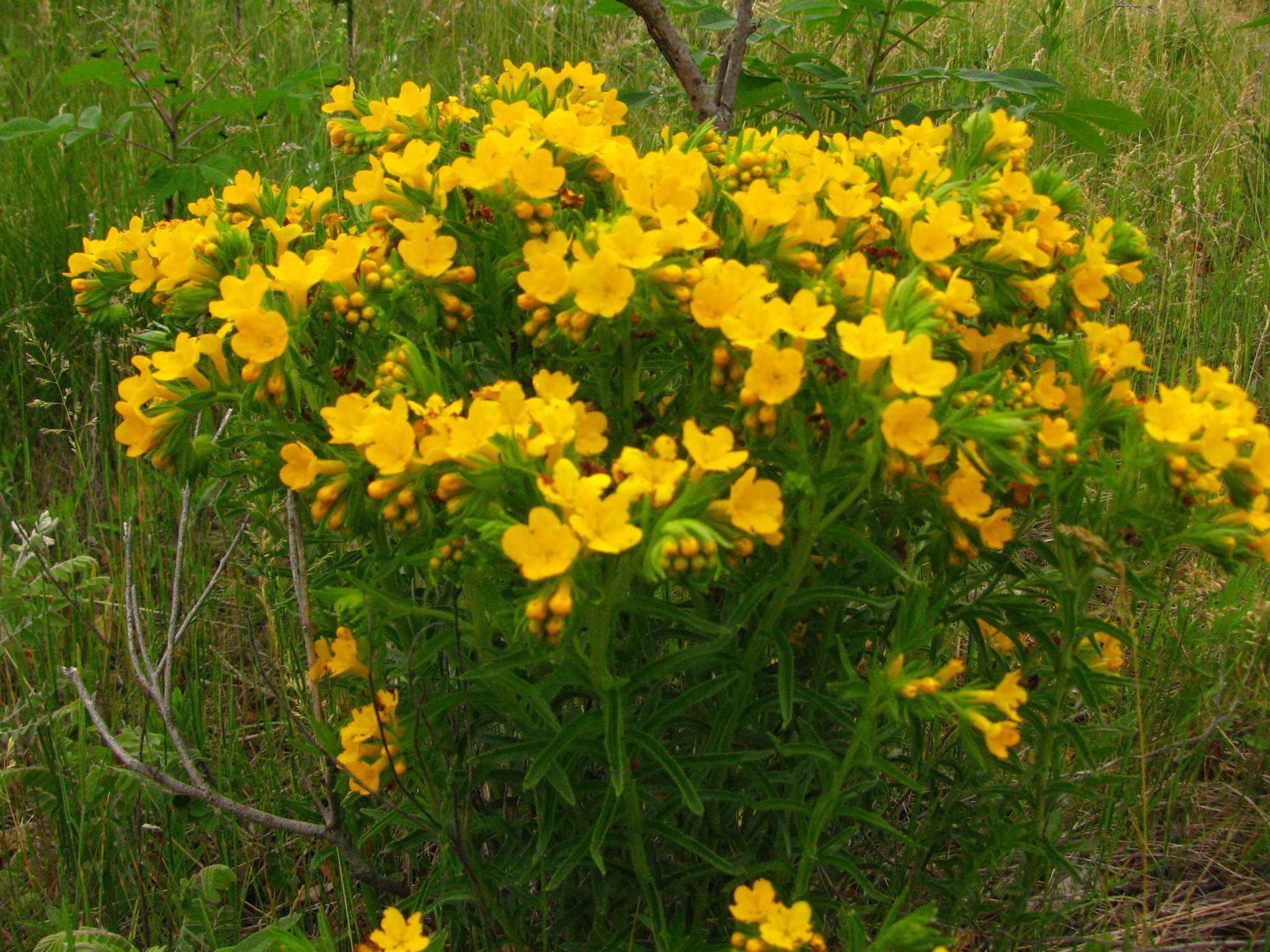
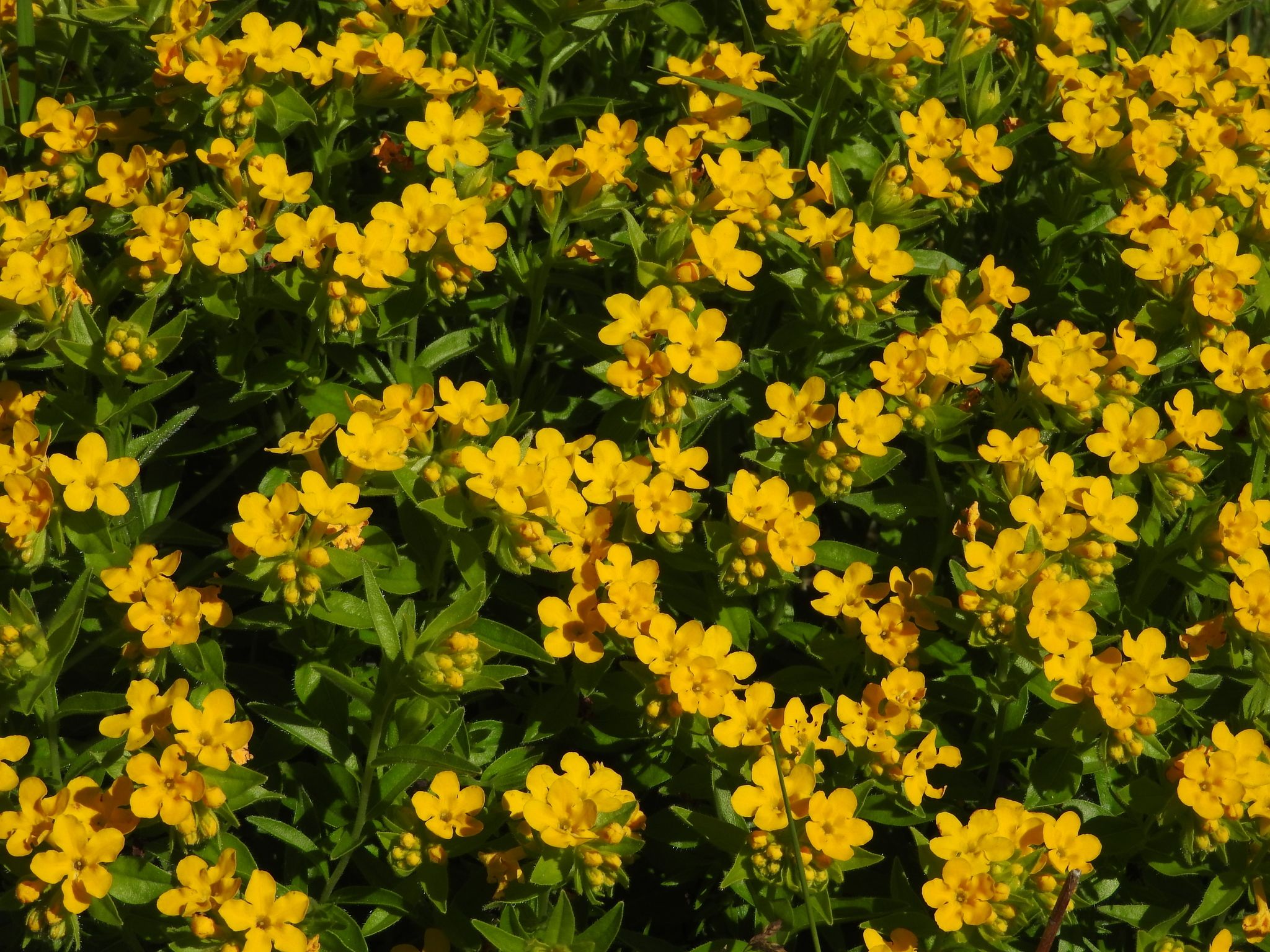
Often simple leaves; some species have a slightly rough or hairy feel. Leaf shape and texture vary widely by genus.
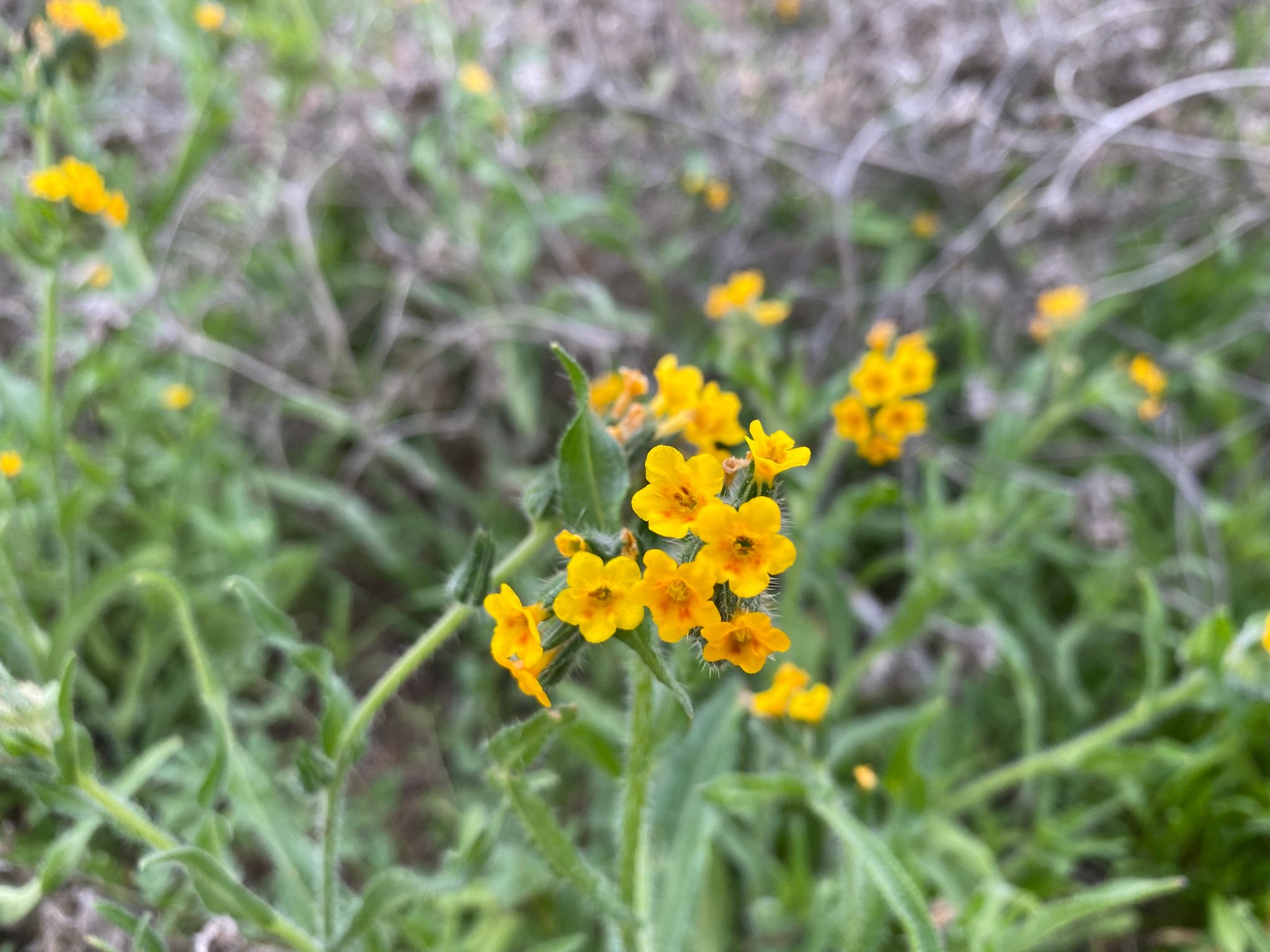
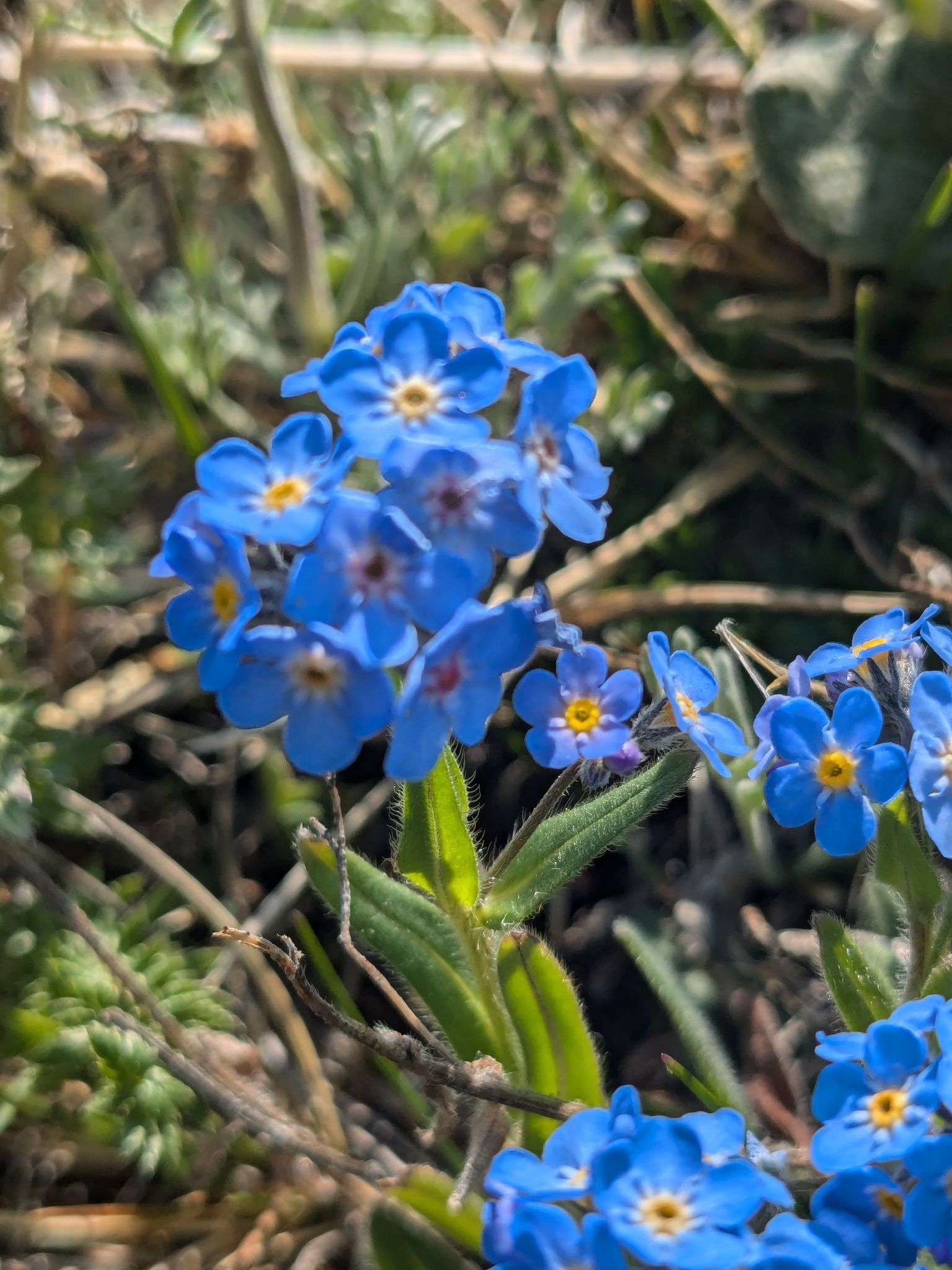
Small, often five-part flowers in clusters; may appear star-shaped or tubular depending on the species.
Varies by genus; many produce small, dry seeds or nutlet-like fruits.
LOCATION
Native environments and the best spots to place it in your landscape.
SEASONALITY
Notes on bloom windows and how this plant helps pollinators across the seasons.
Because this is a plant family, bloom timing depends on the exact species you choose.
Bloom Season Role: Fills in the “everyday nectar” role with many small flowers that open over time.
REQUIREMENTS
The right mix of sun, soil, and space for healthy growth.
Most do best with plenty of light; part sun can work if the site isn’t too shaded.
Well-drained soil is a common preference; avoid heavy, constantly wet ground.
Water regularly at planting time; once established, many species handle normal dry spells better than soggy soil.
Plant in spring or fall when conditions are mild. Give each plant enough space for airflow and to reduce weed pressure.
Use a light mulch to reduce weeds, but keep mulch off the crown of the plant to prevent rot.
GARDENING GUIDE
Simple steps to plant, prune, and maintain healthy trees without pesticides.
Pairings
Pairing ideas to keep pollinators fed throughout the growing season.
GLOSSARY
Glossary terms are being added.
What You Can Do
Turn this knowledge into action. Whether you plant a single pot or a whole garden, you are building a vital bridge for local biodiversity.
Join the movement to restore our shared habitats.